
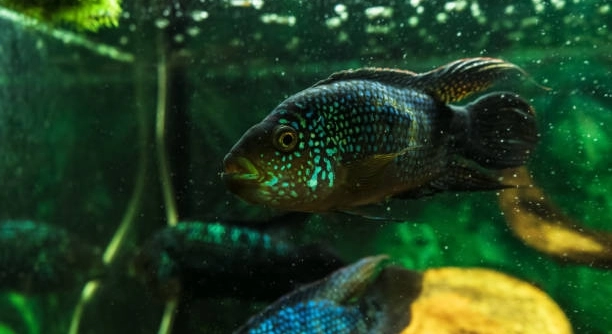
Jack Dempsey fish are known for their bright colors and lively personalities, making them popular in home aquariums. Sometimes, these fish display unusual behavior, including locking lips with each other during interactions or feeding times.
Jack Dempsey fish lock lips primarily due to territorial or mating behavior. This action establishes dominance, reduces conflict, or stimulates reproductive activity. Environmental stress, overcrowding, or competition for food can also trigger this behavior among individuals in the same tank.
Observing this behavior closely can help you manage your tank better and maintain a peaceful environment for all your fish. Understanding the reasons behind it ensures healthier and happier aquatic companions.
Reasons Behind Lip-Locking Behavior
Jack Dempsey fish often lock lips as a form of establishing hierarchy in the tank. This behavior is most common when multiple fish share the same space or when the tank is overcrowded. Males tend to show this more frequently, especially during breeding periods. Locking lips can also happen when fish are competing for food or hiding spots. Observing them carefully helps determine whether it is aggressive or simply a dominance display. Tank size, décor, and hiding areas all influence how often this behavior occurs. Stress levels rise when fish feel threatened or confined, which can lead to more frequent lip-locking. Feeding routines also play a role, as fish may act more competitive if food is limited or unevenly distributed. Providing enough space and resources usually reduces the intensity of this behavior. Some fish continue occasional lip-locking even in ideal conditions, showing it is partly instinctual.
Lip-locking is a natural behavioral pattern for Jack Dempsey fish, reflecting dominance, competition, or reproductive signaling within their aquatic environment.
Keeping track of which fish are involved and noting triggers helps prevent conflicts. Adjustments in tank setup often ease tension and improve overall harmony.
Environmental Factors That Influence Lip-Locking
Tank size and structure strongly affect Jack Dempsey behavior. A cramped tank can increase stress and aggressive displays, while plenty of hiding places reduce competition.
Environmental factors like water temperature, pH, and lighting also influence interactions. Warmer water and optimal pH levels create a calmer atmosphere, reducing aggressive encounters. Decorations, plants, and rocks allow fish to establish territories and escape conflicts. Overcrowding is a major trigger, as more fish compete for limited space and resources, causing stress that leads to lip-locking. Feeding patterns matter too; inconsistent or uneven feeding can provoke competitive behavior, making dominant fish more likely to challenge others. Water quality is another factor—dirty or poorly maintained tanks increase stress and trigger aggressive interactions. Observing fish responses to changes in environment is key for prevention. By adjusting tank conditions and providing sufficient resources, owners can minimize aggressive displays. Even subtle changes in décor or hiding spots can greatly reduce tension. Recognizing environmental influences helps maintain a peaceful, balanced tank for Jack Dempsey fish.
Managing Aggression in Jack Dempsey Fish
Reducing aggression starts with giving each fish enough space and hiding spots. Adding rocks, plants, or decorations allows them to establish territories and retreat when needed. Proper feeding routines also prevent competition, lowering the chances of lip-locking incidents.
Maintaining a calm environment requires monitoring tank size and population. Overcrowded tanks increase stress, which triggers dominance behaviors like lip-locking. Observing fish closely helps identify which individuals are more aggressive. Separating overly dominant fish or rearranging décor can break up established territories and reduce conflicts. Consistent feeding schedules and evenly distributed food also help minimize fights, giving all fish access without confrontation. Small adjustments in their environment can have a big impact on overall behavior, making interactions less stressful.
Water quality directly affects aggression levels. Poor water conditions create stress, making fish more prone to fights. Regular water changes, proper filtration, and monitoring temperature and pH levels help maintain a stable habitat. Clean, balanced water supports healthy behavior and keeps stress-induced lip-locking to a minimum.
Diet and Its Role in Behavior
A balanced diet supports calm behavior and reduces competition. Overfeeding or uneven feeding can lead to dominance struggles and lip-locking.
Feeding habits directly influence how Jack Dempsey fish interact. High-protein diets and occasional live foods stimulate activity, but if portions are uneven, dominant fish may monopolize food, increasing aggressive encounters. Providing multiple feeding spots or scattering food helps all fish eat without conflict. Supplements and variety in diet also improve health, keeping stress levels low and discouraging dominance displays. Paying attention to feeding behavior helps predict and manage aggression.
Inconsistent feeding schedules or poor nutrition can worsen territorial disputes. Fish with inadequate food may act more aggressively to secure resources, leading to repeated lip-locking episodes. By maintaining a routine and providing a balanced diet with occasional treats, you support natural behaviors while reducing stress-related conflicts. Observing eating patterns and adjusting portions as needed ensures all fish thrive and helps keep the tank peaceful. Nutritional balance works hand in hand with environmental management to minimize aggression and promote healthy interactions among Jack Dempsey fish.
Recognizing Signs of Stress
Jack Dempsey fish under stress may hide frequently or show faded colors. They might act more aggressively, including frequent lip-locking with other tank mates.
Other signs include rapid swimming, fin clamping, or avoiding food. Stress can lead to illness, so early recognition is important for tank management.
Separating Aggressive Fish
Separating overly aggressive fish prevents injury and reduces overall tank tension. Use a divider or a separate tank to give fish space. Regular observation helps determine which individuals need separation to maintain a peaceful environment.
Breeding Behavior
During breeding periods, lip-locking increases naturally as males compete and court females. Providing enough space and hiding spots helps reduce harmful encounters.
Tank Maintenance Tips
Clean tanks and stable water conditions help reduce stress. Regular water changes, proper filtration, and monitoring pH levels support calmer behavior.
FAQ
Why do Jack Dempsey fish lock lips?
Jack Dempsey fish lock lips as a way to establish dominance and hierarchy within the tank. Males especially do this to assert control over territory or during mating periods. It can also happen when competition for food or hiding spots becomes intense. Lip-locking is mostly a natural instinct rather than a sign of illness.
Is lip-locking harmful to my fish?
Lip-locking is usually harmless if the fish are not injuring each other. Light lip-locking is normal and part of their social behavior. However, prolonged fights or repeated aggressive encounters can cause stress, fin damage, or minor injuries. Monitoring interactions ensures that it does not escalate into serious harm.
How can I reduce lip-locking behavior?
Providing enough space, hiding spots, and decorations reduces tension. Overcrowding increases aggression, so giving fish adequate territory is important. Even feeding helps prevent competition, as dominant fish are less likely to chase others away when food is distributed in multiple areas. Regular observation and adjustments to the tank layout also help.
Does tank size affect lip-locking?
Yes, tank size has a direct impact. Smaller tanks limit territory and increase stress, leading to more frequent lip-locking. Larger tanks allow fish to establish personal space, reducing conflicts. Rearranging décor periodically can also prevent fish from staking permanent territories and reduce repeated aggressive interactions.
Can diet influence aggression?
Diet plays a significant role. Uneven feeding or insufficient portions can increase competition and aggression. High-protein diets encourage activity, but if dominant fish get most of the food, lip-locking and chasing may rise. Scattering food or using multiple feeding points ensures all fish get their share. Variety in diet also helps maintain overall health and reduces stress.
Do males lock lips more than females?
Males tend to lip-lock more frequently because they are naturally territorial and competitive, especially during breeding periods. Females may occasionally engage in this behavior, but it is much less common. Observing which individuals are more dominant helps in managing aggression in mixed tanks.
How do environmental factors influence lip-locking?
Water temperature, pH, and lighting all influence behavior. Poor water quality or unstable conditions increase stress, which often leads to more frequent lip-locking. Providing a stable environment with proper filtration, consistent water changes, and monitored pH levels reduces stress-related aggression.
Should I separate fish that lock lips frequently?
Separation may be necessary if fights become harmful or if one fish consistently dominates others. Using dividers or a separate tank temporarily can break up aggressive dynamics. Adjusting tank décor or adding more hiding spots may also solve the problem without permanent separation.
Can lip-locking indicate health issues?
Generally, lip-locking is behavioral rather than health-related. However, stressed or unhealthy fish may engage in aggression more often. Observing fish for other signs, like loss of appetite, faded colors, or clamped fins, helps determine if stress or illness is contributing to the behavior.
Will lip-locking stop on its own?
Lip-locking may decrease over time as fish establish hierarchy, provided the tank environment is suitable. Proper space, hiding spots, and balanced feeding all contribute to reducing aggressive encounters. Some natural lip-locking will continue, but it should not escalate if conditions are managed well.
How often should I monitor my tank for aggression?
Daily observation is ideal, especially during feeding or breeding periods. Monitoring allows you to catch early signs of dominance or conflict. Noting which fish are most aggressive helps in making tank adjustments or separating individuals before injuries occur.
Can decorations reduce aggression?
Yes, plants, rocks, and hiding spots give fish personal territories and reduce encounters. Rearranging décor occasionally prevents permanent territories from forming, keeping interactions calmer. The goal is to allow fish to retreat and avoid constant face-to-face competition.
Does lip-locking affect breeding success?
Lip-locking can be part of normal breeding behavior, helping males assert dominance. However, excessive aggression may stress females and reduce reproductive success. Providing enough space, hiding areas, and observing interactions ensures healthy breeding without injury.
Is lip-locking more common in crowded tanks?
Crowding increases competition for food, space, and territory, making lip-locking more frequent. Ensuring proper stocking levels and sufficient hiding spots can prevent aggressive displays from becoming excessive. Crowded tanks are a major trigger for repeated lip-locking episodes.
Can I train my fish to stop lip-locking?
While you cannot train fish in the traditional sense, you can manage conditions to reduce aggression. Tank size, décor, feeding routines, and environmental stability all influence behavior. Adjusting these factors encourages calmer interactions and limits lip-locking.
Do other fish species lock lips similarly?
Some cichlid species display similar lip-locking behavior as part of dominance or mating rituals. Jack Dempsey fish are one of the more noticeable species due to their size and temperament. Observing species-specific behaviors helps predict interactions in mixed tanks.
How long do lip-locking fights usually last?
Short lip-locking encounters typically last a few seconds to a minute. Extended fights are rare but may indicate severe stress or territorial disputes. Intervening or adjusting the environment is important if fights become prolonged or frequent.
Can adding more fish reduce lip-locking?
Adding more fish does not always reduce aggression. Overcrowding often increases stress and competition, worsening lip-locking. Introducing new fish requires careful planning, adequate space, and gradual acclimation to maintain balance in the tank.
What role does hiding space play?
Hiding spaces allow fish to retreat from dominant individuals. Rocks, plants, and caves provide safety, reducing stress and aggressive interactions. Fish with access to multiple hiding spots are less likely to engage in repeated lip-locking.
Are juvenile fish less likely to lock lips?
Juveniles may lip-lock occasionally, but it is usually less aggressive than adults. As they grow and establish territories, this behavior becomes more frequent. Observing young fish helps prepare for adult aggression and allows proactive tank management.
How do I know if lip-locking is normal or excessive?
Occasional lip-locking is normal. It becomes excessive if it causes injury, stress, or constant chasing. Monitoring interactions, tank conditions, and feeding routines helps determine whether the behavior is within a healthy range or needs intervention.
Can stress from other sources trigger lip-locking?
Yes, loud noises, sudden lighting changes, or tank disturbances can increase stress, making fish more aggressive. Maintaining a calm, stable environment reduces the likelihood of stress-induced lip-locking.
Does tank layout influence lip-locking frequency?
A well-planned layout with multiple hiding spots and visual barriers lowers conflicts. Open spaces encourage confrontations, while obstacles and territories reduce repeated aggressive encounters. Rearranging décor periodically can prevent dominance patterns from becoming fixed.
Are older fish more aggressive?
Older, more mature fish are often more territorial and prone to lip-locking. Age and size increase dominance behavior, especially in males. Proper tank management helps balance interactions between older and younger fish.
Can water temperature changes affect lip-locking?
Yes, sudden changes in temperature can stress fish, leading to more frequent lip-locking. Stable temperature within the ideal range helps maintain calm behavior and reduces aggressive encounters.
Do lip-locking incidents increase during breeding season?
Breeding season triggers more lip-locking among males competing for females. Providing enough space and hiding areas ensures mating behavior does not become harmful to other tank mates.
How can I safely intervene during fights?
If fights become harmful, separating fish temporarily or rearranging décor can stop aggression. Avoid using hands to intervene directly. Observation and environmental adjustments are the safest ways to manage conflicts.
Can lighting influence aggression?
Bright or inconsistent lighting can stress fish, increasing lip-locking. Consistent, moderate lighting helps maintain calm behavior and reduces unnecessary dominance displays.
Do fish remember previous fights?
Fish can recognize dominant individuals and may adjust behavior in future encounters. Past fights influence hierarchy, with subordinates often avoiding repeated conflict with the same dominant fish.
Can tank mates affect lip-locking?
Aggressive or territorial tank mates can trigger lip-locking more often. Compatibility with other species and similar temperament helps reduce unnecessary conflict and stress in the tank.
Is lip-locking linked to water quality?
Poor water quality increases stress and aggression. Ammonia, nitrite, and nitrate spikes can trigger dominance behaviors, including lip-locking. Maintaining clean, balanced water is essential for calm interactions.
How often should I rearrange décor to prevent aggression?
Occasional rearrangement breaks up established territories and reduces repeated fights. Even minor changes can shift dominance patterns and lower the frequency of lip-locking.
Does tank depth matter for lip-locking behavior?
Yes, shallow tanks limit vertical space, increasing encounters and stress. Adequate depth allows fish to avoid each other and reduces competition-related lip-locking.
Can lip-locking lead to long-term stress?
Repeated aggressive encounters can cause chronic stress, weakening the immune system and reducing lifespan. Preventive measures like tank management, diet, and hiding spaces help minimize long-term effects.
Are female Jack Dempsey fish ever aggressive?
Females can show aggression, but it is generally less frequent and intense than males. Female fights often relate to territory or competition for breeding areas rather than dominance over the entire tank.
How does tank population density affect behavior?
Higher population density increases competition, stress, and aggressive displays. Maintaining an appropriate number of fish per gallon of water helps reduce lip-locking and promotes overall harmony.
Can behavioral observation prevent injuries?
Yes, monitoring interactions helps identify dominant or aggressive fish early. Interventions like separation or tank adjustments prevent injuries before fights escalate.
Do hiding spots reduce stress during breeding?
Providing hiding spots allows less dominant fish to avoid constant harassment. During breeding, this reduces stress and prevents aggressive encounters from escalating into injuries.
Are certain Jack Dempsey individuals more prone to lip-locking?
Some fish naturally have more dominant personalities. Identifying these individuals helps manage tank dynamics and prevents repeated conflicts.
Can changes in water flow impact behavior?
Strong currents or inconsistent water flow may stress fish, increasing aggression and lip-locking. Balanced, gentle water circulation creates a calmer environment.
How does feeding frequency influence aggression?
Consistent feeding prevents hunger-driven competition. Irregular feeding can provoke fights, while a predictable routine reduces dominance struggles and lip-locking.
Do live foods increase aggression?
Live foods stimulate activity and may trigger competitive behavior. Scattering or providing multiple feeding points helps all fish eat without excessive conflict.
Is it normal for lip-locking to continue after hierarchy is established?
Yes, occasional lip-locking may continue even after dominance is set. It is usually brief and not harmful once fish recognize their roles.
Can stress from humans affect behavior?
Excessive tapping, sudden movements, or loud noises can stress fish, triggering lip-locking and aggressive interactions. Calm handling and minimal disturbance help maintain peace.
Do tank decorations need to be rearranged regularly?
Periodic changes prevent permanent territories and reduce repeated fights. Even small adjustments in décor can shift dominance and lower lip-locking frequency.
Are juvenile fights less intense than adult fights?
Juvenile fights are generally brief and less damaging. As fish mature, territorial and dominance behaviors intensify, making adult interactions more noticeable and sometimes harmful.
Can overcrowding be managed without adding tanks?
Yes, adding hiding spots, rearranging décor, and careful feeding distribution help reduce conflicts even in moderately populated tanks. Proper management can prevent excessive lip-locking without additional tanks.
Do dominant fish prevent others from eating?
Dominant fish may chase subordinates away from food. Scattering food or providing multiple feeding areas ensures all fish eat and minimizes stress-driven aggression.
Can water temperature drops trigger fights?
Sudden drops increase stress and can lead to more frequent lip-locking. Stable, appropriate temperatures are essential for calm behavior.
Are lip-locking fights seasonal?
Fights often increase during breeding periods, but occasional dominance displays may happen year-round. Stable tank conditions help keep frequency manageable.
How long should fish be separated after aggressive fights?
Separation depends on severity. A few hours to a few days may be sufficient. Observing behavior before reintroducing fish ensures conflicts do not restart immediately.
Does adding plants reduce lip-locking?
Plants provide hiding spaces and visual barriers, allowing fish to retreat. Well-placed plants can significantly reduce repeated aggressive interactions.
Can aggression affect growth?
Stressed or bullied fish may eat less, slowing growth. Reducing conflicts ensures all fish maintain healthy weight and development.
Is lip-locking common in single-species tanks?
Yes, even single-species tanks may show lip-locking due to territorial and mating behaviors. Managing space and feeding reduces unnecessary fights.
Do frequent water changes reduce aggression?
Yes, clean water lowers stress, which decreases aggressive behaviors like lip-locking. Regular maintenance helps maintain a calm, stable environment.
Are male-to-male fights more serious than male-to-female?
Male-to-male fights are generally more intense and frequent. Male-to-female interactions are usually limited to breeding behaviors, not dominance disputes.
Can lip-locking cause long-term injuries?
If fights are frequent or severe, minor injuries can occur. Preventive measures like hiding spots, tank size, and observation reduce risk of lasting harm.
Does tank lighting affect lip-locking frequency?
Harsh or inconsistent lighting can stress fish, leading to more fights. Moderate, steady lighting helps maintain calm interactions.
Can adding new fish disrupt hierarchy?
Yes, new fish can trigger fights as existing fish reestablish dominance. Gradual introduction and adequate space minimize stress and lip-locking.
How do I know if a fight is serious?
Serious fights involve prolonged chasing, biting, or visible injury. Intervention through separation or tank adjustments is necessary to prevent harm.
Is lip-locking less common in female-only tanks?
Yes, female-only tanks usually experience fewer dominance fights. Aggression is lower, and lip-locking mostly occurs during resource competition or territory disputes.
Can stress from poor water quality cause more fights?
Yes, high ammonia, nitrite, or nitrate levels increase stress, which triggers frequent lip-locking and aggression. Maintaining clean water is essential.
Does tank décor influence breeding-related fights?
Proper décor reduces stress and provides safe areas during breeding, lowering the chance of fights escalating beyond normal behavior.
Are certain tank layouts better for aggression control?
Layouts with hiding spots, plants, rocks, and visual barriers allow fish to establish personal territories and reduce repeated lip-locking incidents.
Do juvenile fish need separate tanks to prevent fights?
Juveniles usually tolerate each other better, but monitoring is important. Separation may only be needed if some fish show early dominance behaviors.
Can stress from tapping the glass increase fights?
Yes, sudden disturbances can stress fish, triggering aggressive displays and lip-locking. Minimizing tapping or sudden movement around the tank helps maintain calm.
Does tank depth affect dominance displays?
Deeper tanks allow vertical space, reducing encounters and tension. Shallow tanks increase competition, making lip-locking more frequent.
Can lip-locking indicate poor water circulation?
Strong or uneven water flow may stress fish, leading to increased aggression. Balanced water movement supports calmer behavior.
How do I prevent repeated fights between the same fish?
Observation, hiding spots, rearranged décor, and separating dominant fish temporarily help reduce repeated conflicts. Adjusting tank conditions breaks established dominance patterns.
Does feeding multiple times a day help reduce fights?
Frequent, evenly distributed feeding lowers hunger-driven competition and reduces the likelihood of aggressive lip-locking among dominant fish.
Can temperature fluctuations trigger fights?
Yes, sudden temperature changes increase stress and can make fish more aggressive, causing frequent lip-locking. Maintaining stable conditions is important.
Do male-female interactions during breeding increase aggression?
Yes, males become more competitive during breeding, but sufficient space and hiding areas prevent excessive harm.
Can rearranging décor too often stress fish?
Minor adjustments are helpful, but frequent drastic changes may confuse or stress fish. Balance is key to prevent additional aggression.
Are some fish naturally more aggressive than others?
Yes, individual temperament varies. Dominant personalities may trigger more lip-locking, and recognizing these fish helps manage tank interactions.
Can lip-locking indicate boredom or lack of stimulation?
Yes, under-stimulated fish may act out through aggressive displays. Providing enrichment like plants, caves, and varied environment reduces unnecessary fights.
How do I know if aggression is environmental or personality-based?
If multiple fish display aggression, environment may be the cause. If only certain individuals fight repeatedly, personality likely drives behavior. Adjustments or separation may be needed.
Do lip-locking incidents decrease with age?
Some behaviors stabilize once hierarchy is set, but dominant fish may continue occasional lip-locking. Age alone does not eliminate aggression entirely.
Can poor diet trigger fights?
Yes, lack of nutrition or uneven feeding increases competition and triggers lip-locking. Balanced diet and fair food distribution reduce aggression.
Are lip-locking fights always physical?
No, some lip-locking is brief and ritualistic without causing injury. It serves as a social signal rather than an actual fight.
Can stress from new tank mates increase lip-locking?
Introducing new fish temporarily disrupts hierarchy, often increasing fights. Gradual acclimation and proper space reduce stress and aggression.
Does hiding space reduce fighting frequency?
Yes, providing visual barriers and retreats lowers stress and reduces repeated aggressive encounters between dominant and subordinate fish.
How do I manage dominant fish effectively?
Observing behavior, providing adequate space, hiding spots, and separating if necessary keeps dominant fish from repeatedly stressing others. Proper feeding also helps maintain peace.
Can water hardness influence aggression?
Extreme water hardness can stress fish, increasing dominance displays. Maintaining water within recommended ranges reduces stress-induced lip-locking.
Does frequent tank cleaning reduce fights?
Yes, clean water reduces stress and keeps fish healthier, lowering aggression and lip-locking frequency. Proper maintenance supports calm interactions.
Are male Jack Dempsey fish more prone to injuries from fights?
Yes, males engage in more frequent and intense lip-locking. Providing space and hiding spots minimizes the risk of injury.
Can lip-locking be completely prevented?
No, occasional lip-locking is natural. Environmental management, proper feeding, and tank setup can reduce excessive aggression but not eliminate normal social behavior.
Do tank size and décor work together to reduce aggression?
Yes, adequate space combined with hiding spots, plants, and visual barriers allows fish to establish territory safely, reducing repeated fights and stress.
How long does it take for aggression to settle after changes?
It may take several days for fish to adjust to tank modifications, feeding routines, or new additions. Observation ensures interventions are effective.
**Can stress from handling increase fights
Jack Dempsey fish are beautiful and active pets, but their behavior can sometimes be challenging to manage. Lip-locking is one of the most noticeable behaviors and can seem alarming at first. It is a natural part of their social interactions, mainly related to dominance, competition, or breeding. Understanding that this behavior is instinctual helps set realistic expectations for keeping them in a home aquarium. By observing your fish carefully, you can distinguish normal lip-locking from aggressive fights that might cause harm. Recognizing patterns in their behavior, such as which fish are more dominant or when fights occur, makes it easier to manage the tank and maintain harmony among all inhabitants.
Creating the right environment is one of the most important steps in reducing stress and aggression. Tank size, décor, hiding spots, and water conditions all play a role in how Jack Dempsey fish interact. Overcrowding and poor water quality can increase lip-locking incidents, while a well-maintained tank with sufficient territory allows fish to settle and establish hierarchy naturally. Providing enough hiding areas, plants, and visual barriers gives less dominant fish a place to retreat, lowering the frequency of confrontations. Even small changes, like rearranging rocks or decorations occasionally, can help break up established territories and prevent repeated fights. Consistency in water temperature, pH levels, and feeding schedules also keeps stress levels low, making lip-locking less frequent or intense.
Feeding and diet are equally important for managing behavior. Uneven feeding or poor nutrition can trigger competition and increase aggressive encounters. Scattering food in multiple locations or providing several feeding points ensures that all fish have access to what they need without constant fights. High-quality, balanced diets support overall health and reduce stress, which directly impacts behavior. Monitoring your fish regularly and making adjustments when necessary allows you to respond before conflicts escalate. While occasional lip-locking is normal and should not be cause for concern, excessive or harmful fights require intervention. With careful observation, proper tank management, and attention to diet and environment, you can maintain a calm, balanced aquarium where Jack Dempsey fish thrive and display their natural beauty without unnecessary aggression.

Hello,
If you enjoy the content that we create, please consider saying a "Thank You!" by leaving a tip.
Every little bit helps us continue crafting quality advice that supports the health, happiness, and well-being of pets around the world, for pets of all shapes, sizes, and species.
We really appreciate the kindness and support that you show us!