
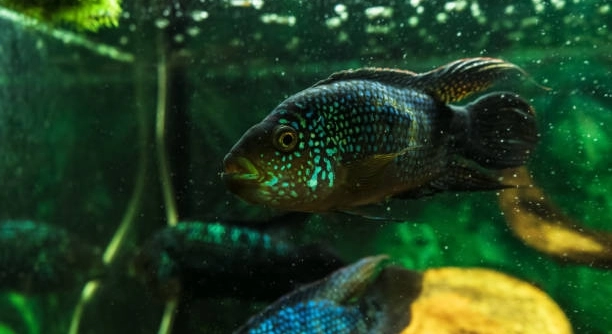
Have you ever kept Jack Dempsey fish and noticed their eggs in the tank? These striking cichlids are known for their bold colors and protective nature, making them fascinating yet sometimes puzzling pets for aquarium enthusiasts.
Jack Dempsey fish may occasionally eat their own eggs, particularly if they feel stressed, threatened, or if the eggs are infertile. This behavior is a natural survival strategy and can occur even with attentive care in a home aquarium.
Learning why this happens can help you create a safer environment and improve the survival rate of your fry in the tank.
Understanding Jack Dempsey Egg-Eating Behavior
Jack Dempsey fish are naturally protective of their eggs, but they sometimes eat them, which can be surprising for anyone keeping them. This behavior usually happens when the parents sense danger or stress in their environment. Infertile eggs are also often consumed because they cannot develop into fry. Overcrowded tanks, sudden changes in water quality, or the presence of aggressive tank mates can trigger this instinctive behavior. Even in a well-maintained aquarium, this can occur as part of their natural reproductive cycle. Watching the parents closely can help identify patterns and prevent unnecessary loss of eggs. Offering hiding spots and keeping water conditions stable reduces stress. Nutrition also plays a role; well-fed parents are less likely to consume eggs for extra protein. Understanding these factors can make egg survival more likely while keeping your fish healthy and calm. Observing them quietly gives insights into their protective nature.
Stress and environmental changes are the main reasons eggs get eaten, even in home tanks.
Providing hiding spaces, stable water, and proper feeding can reduce egg-eating significantly and increase fry survival.
Preventing Egg Loss in Your Tank
Careful tank management helps minimize egg consumption.
Maintaining optimal water conditions is key for Jack Dempsey breeding success. Consistent temperature, pH balance, and cleanliness reduce stress, making parents less likely to eat eggs. Tank layout matters; flat rocks, plants, or small caves offer secure spots for eggs, giving parents confidence to guard rather than consume them. Nutrition cannot be overlooked; feeding high-quality, protein-rich foods ensures the parents are not seeking extra protein from their eggs. Minimizing disturbances around the tank also plays a role. Handling the tank too often or introducing new fish can trigger defensive or anxious behavior, leading to egg loss. Even small adjustments, like gentle lighting changes or avoiding sudden water replacements, can create a calmer environment. Observation is important; recognizing patterns in the parents’ behavior allows proactive measures. By combining stable water, thoughtful tank design, proper feeding, and minimal disruptions, the chances of eggs surviving improve substantially, giving your Jack Dempseys a better opportunity to raise healthy fry.
Feeding and Nutrition Tips
Proper feeding reduces the chances of egg-eating in Jack Dempseys. Balanced diets with plenty of protein help parents feel satisfied and less likely to consume their own eggs. Overfeeding or underfeeding can both create problems.
High-quality pellets, live or frozen foods like brine shrimp and bloodworms, and occasional vegetables provide a well-rounded diet. Feeding small amounts multiple times a day keeps energy levels stable and reduces stress. A well-fed pair is more focused on guarding and caring for their eggs rather than seeing them as a food source. Avoid sudden diet changes, as this can increase anxiety. Consistency in feeding routines supports both adult health and egg survival, making breeding outcomes more predictable.
Supplements like vitamin-enriched foods or occasional treats can further boost parent health and reduce the instinct to eat eggs. Observing feeding behavior helps adjust portions and timing.
Tank Setup Considerations
Tank size and layout directly affect egg survival. Jack Dempseys need enough space to swim freely and protect eggs without feeling trapped. Rocks, caves, and plants create hiding spots, giving both eggs and parents a sense of security.
Avoid overcrowding. Too many fish in the same tank increases stress and aggression, leading to egg-eating. Water parameters must be stable—temperature, pH, and hardness should remain consistent. A filter that doesn’t create too strong a current keeps eggs from being displaced or injured. Lighting should mimic natural conditions, avoiding sudden bright lights. Separate tanks for breeding pairs can help prevent interference from other fish. Observing the fish daily allows adjustments to layout and environment, ensuring parents remain calm and attentive to their eggs, which significantly improves survival chances.
Common Signs of Egg-Eating
Parents picking at or moving eggs repeatedly can indicate stress or uncertainty. Sudden aggression toward eggs or fry is another clear sign.
If eggs start disappearing quickly, it often points to either infertile eggs being consumed or environmental stress affecting the parents’ behavior.
Separating Eggs from Adults
Removing eggs to a separate tank can increase survival rates. Use a shallow container with gentle water flow and proper aeration. Monitor water temperature and pH closely to match the main tank. Feeding the parents well before and during separation helps maintain their health and reduces stress. Observing the eggs daily allows you to catch fungus or other issues early. Even if some eggs do not survive, separating them gives a higher chance for a portion to hatch safely, helping you successfully raise healthy fry while keeping the parents calm.
Monitoring Fry Development
Watch fry closely in the first week. Early signs of disease or deformity can appear quickly and need attention.
FAQ
Do Jack Dempsey fish always eat their eggs?
Not always. They tend to eat eggs under stress, when eggs are infertile, or if the tank conditions are unstable. Healthy, calm parents with proper nutrition usually guard their eggs instead of consuming them. Observing behavior closely helps you understand patterns and prevent egg loss.
How can I tell if the eggs are infertile?
Infertile eggs often appear cloudy or have a white, fuzzy coating. Fertile eggs are usually clear or slightly yellowish with visible tiny embryos inside. Monitoring them in the first few days can help you identify which eggs are viable and which may be at risk.
What is the best tank setup for breeding?
A stable tank with at least 40 gallons for a breeding pair is ideal. Include flat rocks or caves for egg attachment, live plants for hiding, and gentle water flow. Maintain consistent temperature and pH, and avoid overcrowding to reduce stress.
Can diet prevent egg-eating?
Yes. A balanced, protein-rich diet keeps parents healthy and reduces the instinct to consume eggs for extra nutrients. Feeding small amounts multiple times a day and including live or frozen foods like brine shrimp helps maintain energy and focus on guarding.
Should I remove eggs from the parents?
It depends on the parents’ behavior. If they show signs of eating eggs, separating them into a small, shallow tank with gentle aeration can increase survival. Make sure water conditions match the main tank, and feed parents well to maintain health.
How long until eggs hatch?
Jack Dempsey eggs typically hatch within 3 to 5 days, depending on water temperature. Fry become free-swimming after another 4 to 6 days, and parents often continue guarding them during this period. Close observation ensures any issues are noticed early.
Can I leave fry with parents?
Yes, if parents are calm and not aggressive. Jack Dempseys are protective, but some may eat fry if stressed or if the tank is overcrowded. Monitor closely during the first week to prevent accidental loss. Providing hiding spots for fry can help.
What water parameters are ideal for breeding?
Keep temperature around 78–82°F, pH between 6.5 and 7.5, and moderate hardness. Avoid sudden changes in water chemistry, as Jack Dempseys are sensitive and can become stressed, which may trigger egg-eating or aggression toward fry.
How do I handle fungus on eggs?
Fungus appears as white, cottony growth on eggs. Remove affected eggs carefully to prevent spreading. Adding a small amount of antifungal solution designed for aquarium use can help protect remaining eggs without harming fry or parents.
How often should I check the eggs?
Daily checks are recommended. Observing the eggs allows early detection of fungus, infertile eggs, or signs of stress in the parents. Minimal disturbance is important to avoid causing aggression or egg-eating during inspections.
Can stress from other fish cause egg-eating?
Yes. Aggressive or curious tank mates can alarm breeding parents. A separate breeding tank or protective barriers within a community tank can reduce stress, increasing the chances of eggs surviving and hatching successfully.
How long do Jack Dempsey fry stay with parents?
Fry typically stay under parental protection for 2 to 3 weeks. Parents gradually reduce guarding as fry grow and become more independent, but some may continue minor supervision beyond this period. Proper feeding and hiding spaces support safe development.
Is it normal for parents to eat some eggs but not all?
Yes. This can occur naturally, often with infertile or weak eggs. Parents sometimes consume part of the clutch to redirect energy toward viable eggs or to maintain tank hygiene, which is instinctive behavior rather than neglect.
What is the survival rate of eggs in a home tank?
Survival depends on tank conditions, parental care, and diet. With proper care, 60–80% of viable eggs may hatch successfully. Removing eggs when parents are stressed can further improve survival rates. Observation and proactive management make a big difference.
Are there signs that parents are stressed?
Aggression toward each other, frantic swimming, constant egg movement, or ignoring eggs are signs of stress. Stress triggers egg-eating behavior, so keeping a stable, calm environment with adequate hiding spots is essential.
How do I introduce new parents to a breeding tank?
Introduce a compatible pair slowly, ideally in a separate tank from other fish. Let them establish territory and acclimate to water conditions before expecting spawning. Monitoring their interaction ensures they are compatible and reduces stress-related egg-eating.
Can lighting affect egg survival?
Yes. Bright or fluctuating light can stress parents. Gentle, consistent lighting with some shaded areas gives a secure environment, encouraging natural guarding behavior and reducing the risk of eggs being eaten.
What is the best way to feed fry?
Once fry are free-swimming, provide small live foods like baby brine shrimp or finely crushed flakes. Feeding multiple times a day in small amounts ensures healthy growth and prevents competition among fry. Proper nutrition improves survival and reduces stress on parents.
How long should I wait before moving fry to a larger tank?
Move fry when they are strong swimmers and about 1 inch long, usually after 4–6 weeks. Ensure water conditions match the new tank, and avoid overcrowding to maintain health and reduce stress. Gradual acclimation is important for survival.
Can I prevent egg-eating entirely?
While it cannot be guaranteed, proper tank setup, stable water, balanced diet, hiding spots, and minimal stress significantly reduce the chances. Observing parents and adjusting the environment proactively increases egg survival and supports healthy breeding behavior.
This FAQ covers the main concerns and practical steps to manage Jack Dempsey breeding and egg care effectively.
Jack Dempsey fish are fascinating but sometimes challenging when it comes to breeding. Their bright colors and bold personalities make them a striking addition to a tank, but their natural instincts can surprise even experienced keepers. Egg-eating is one of these behaviors, and while it may seem alarming, it is often part of their natural strategy to ensure survival. Understanding why it happens helps create a calmer, safer environment for both the parents and the eggs. Stress, poor water conditions, overcrowding, or infertile eggs are the main reasons parents may eat their own eggs. By keeping these factors in check, you can significantly improve the chances of your eggs surviving to hatch. Observation is key, as it allows you to notice patterns, recognize stress signals, and take action before eggs are lost. This knowledge also helps you anticipate problems and adjust feeding, tank setup, or water parameters accordingly.
Providing the right environment is one of the most important steps in reducing egg-eating behavior. A tank that is large enough for a breeding pair, with plenty of hiding spaces, flat rocks, or caves for eggs, makes a big difference. Stable water parameters such as temperature, pH, and hardness are crucial, as Jack Dempseys are sensitive to sudden changes. Lighting should be consistent and not too harsh to prevent unnecessary stress. Feeding also plays a major role, as well-fed parents are less likely to view eggs as a food source. Offering a balanced diet with high-protein foods like brine shrimp, bloodworms, and quality pellets ensures that the fish have the energy and nutrients needed to focus on guarding their eggs. Small, frequent meals are more effective than large, irregular feedings because they maintain energy levels and reduce stress.
Even with careful management, some egg loss may still occur, and that is normal for Jack Dempseys. Separating eggs into a different tank is an option when parents show consistent egg-eating behavior, giving the fry a better chance to survive. Observing fry closely after hatching is equally important to catch early signs of illness or deformities. Parents may continue to guard their fry for weeks, but some may gradually reduce attention as the fry grow. Each breeding attempt provides insight into the specific behavior of your pair, helping you refine your approach for future spawns. By understanding their instincts, providing a stable and enriched environment, and maintaining proper feeding routines, you can increase egg survival and successfully raise healthy fry. Patience and careful observation go a long way in helping Jack Dempseys thrive in your aquarium.

Hello,
If you enjoy the content that we create, please consider saying a "Thank You!" by leaving a tip.
Every little bit helps us continue crafting quality advice that supports the health, happiness, and well-being of pets around the world, for pets of all shapes, sizes, and species.
We really appreciate the kindness and support that you show us!