
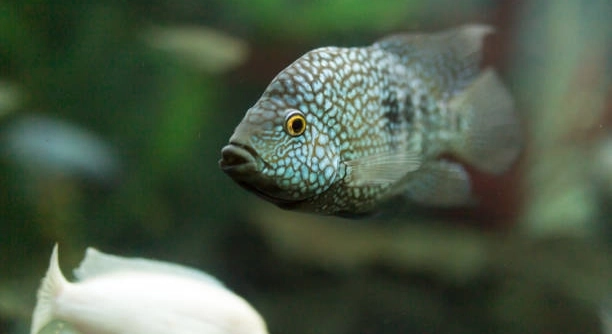
Is your Jack Dempsey fish showing signs of distress or unusual behavior in the tank? Many owners notice their fish gasping at the surface, leaving them worried and unsure how to help their aquatic pets.
Gasping in Jack Dempsey fish is often caused by low oxygen levels, poor water quality, or high ammonia. Ensuring proper aeration, regular water changes, and stable tank conditions can prevent respiratory stress and maintain fish health effectively.
Monitoring your tank closely can make a big difference in your fish’s well-being. Small adjustments often improve their comfort and overall behavior in the aquarium.
Common Reasons Jack Dempsey Fish Gasp for Air
Jack Dempsey fish may gasp at the surface for several reasons. One main factor is low oxygen in the tank, which often happens when the water is warm or overcrowded. Poor water quality is another major issue, including high levels of ammonia, nitrites, or nitrates. These chemicals build up quickly if the tank isn’t cleaned regularly or the filter isn’t working properly. Stress can also play a role, caused by sudden changes in temperature, pH swings, or aggressive tank mates. Sometimes, gasping is linked to disease or parasites that affect the gills, making it difficult for the fish to breathe normally. Observing your fish’s behavior closely and checking water parameters frequently can help identify the problem early. Small adjustments, like adding an air stone, removing excess waste, or rearranging tank decorations, often make a noticeable difference in their comfort and breathing patterns.
Keeping the water clean and oxygenated is the simplest way to reduce gasping.
Monitoring oxygen, temperature, and ammonia levels consistently prevents most breathing problems. Regular water testing and partial water changes are essential. Adding aeration devices or adjusting the tank heater can improve oxygen levels, making the environment safer for your Jack Dempsey.
How to Improve Tank Conditions
Maintaining proper tank conditions starts with checking water parameters regularly. Test for ammonia, nitrites, nitrates, and pH at least once a week. Keep the temperature stable, ideally between 74 and 80°F, and avoid sudden changes. Ensure the tank is not overcrowded, as too many fish reduce oxygen and increase waste. Installing a quality filter helps keep water clean and circulating, which also supports gas exchange at the surface. Aeration devices, like air stones or bubblers, can boost oxygen, especially in warm water. Regular partial water changes remove accumulated toxins and refresh oxygen levels, making the tank safer for fish. Also, avoid overfeeding, as uneaten food can decay and harm water quality. Observing your fish daily allows you to notice early signs of stress, gill problems, or unusual behavior. By keeping the environment stable and clean, you reduce the chance of gasping and help your Jack Dempsey thrive.
Proper tank care keeps fish healthy, active, and less likely to experience respiratory stress.
Feeding and Nutrition Tips
Proper feeding helps reduce gasping caused by poor water quality or stress. Feed your Jack Dempsey a balanced diet of high-quality pellets, occasional frozen foods, and live treats in small amounts to prevent uneaten food from polluting the tank.
Overfeeding can quickly raise ammonia levels, which stresses fish and reduces oxygen availability. Feed small portions once or twice daily and remove any leftovers after a few minutes. Including a mix of protein and vegetables ensures your Jack Dempsey gets necessary nutrients without overloading the tank with waste. Rotating between pellets, frozen bloodworms, and brine shrimp keeps their diet balanced and supports strong growth and immune health.
A varied diet also strengthens their resistance to disease, helping them cope with minor environmental stress. Healthy feeding routines reduce the need for emergency water changes caused by excessive waste. Monitoring how much your fish consumes daily provides insight into its health and appetite.
Recognizing Signs of Stress
Gasping is often accompanied by other stress indicators like clamped fins, erratic swimming, or hiding frequently. Observing these behaviors helps identify problems early before they worsen.
Stress in Jack Dempsey fish can result from poor water conditions, aggressive tank mates, or sudden environmental changes. Fish may refuse food, lose color, or scratch against objects, all signs of discomfort. Maintaining stable water temperature, regular cleaning, and proper tank setup helps reduce these stress factors. Even small improvements, like rearranging decorations or adding hiding spots, can make a noticeable difference in their behavior and comfort. Watching your fish daily allows you to detect subtle changes before they escalate into serious health issues.
Reducing stress is essential for long-term health and oxygen efficiency. Fish that feel secure and comfortable breathe normally and remain active. A calm environment prevents chronic gasping and improves their overall quality of life.
Tank Size and Space
Jack Dempsey fish need enough space to swim freely. Small tanks limit oxygen levels and increase stress, which can lead to gasping at the surface. A minimum of 55 gallons is recommended for a single adult fish to maintain proper water conditions.
Overcrowding makes it harder to manage water quality. Multiple large fish in a small tank raise ammonia and reduce oxygen quickly. Providing adequate space allows for better filtration, more stable temperature, and less competition among fish. Ensuring each fish has room to move keeps them active and reduces signs of stress like gasping or hiding.
Water Filtration
A strong filter removes waste and maintains oxygen levels, preventing respiratory problems. Mechanical, chemical, and biological filtration work together to keep water safe and clean.
Regular maintenance of the filter is crucial. Clean filter media periodically to prevent clogs but avoid washing everything at once, as it can destroy beneficial bacteria. Biological filtration breaks down harmful compounds, while mechanical removes debris, and chemical filtration handles toxins. Combining these systems ensures the tank remains stable and fish breathe comfortably. Observing water flow and adjusting it for the tank size supports proper circulation and surface oxygenation.
Temperature Control
Stable temperature reduces stress and supports normal breathing. Jack Dempsey fish thrive in water between 74 and 80°F.
Using a reliable heater and thermometer helps maintain consistency. Sudden changes in temperature can weaken immunity and trigger gasping. Regular checks ensure your fish remain comfortable and healthy.
FAQ
Why is my Jack Dempsey gasping at the surface even though I change the water regularly?
Even with regular water changes, oxygen levels may still be low if the tank is too warm, overcrowded, or lacks proper aeration. High ammonia or nitrate levels can also cause stress. Adding an air stone or adjusting the filter flow can improve oxygen circulation.
How can I tell if my fish is stressed rather than sick?
Stress often shows as clamped fins, hiding, or erratic swimming. Sick fish may show physical signs like sores, white spots, or frayed fins. Monitoring their behavior daily helps distinguish between temporary stress and illness.
Can poor diet cause gasping?
Yes, overfeeding leads to decaying food, which raises ammonia and lowers oxygen. A balanced diet with proper portions prevents water contamination and supports overall health. Rotate pellets, frozen foods, and live treats to ensure proper nutrition.
Is my tank size causing problems?
Jack Dempsey fish need space. A small or overcrowded tank reduces oxygen and increases stress. Adults require at least 55 gallons for one fish, with more space for additional fish to prevent competition and maintain stable water conditions.
Do tank decorations affect breathing?
Dense plants or decorations may block water flow and reduce oxygen circulation. Ensure proper spacing to allow free swimming and surface access. Decorations can provide hiding spots, but they should not interfere with filtration or aeration.
How often should I test water parameters?
Weekly testing for ammonia, nitrites, nitrates, and pH is recommended. Rapid changes or high toxin levels can cause gasping. Keeping water stable and clean prevents stress and respiratory problems.
Can temperature changes cause gasping?
Yes, sudden drops or spikes weaken the immune system and reduce oxygen availability. Keep water between 74 and 80°F. Use a reliable heater and thermometer, and avoid placing the tank near drafts or direct sunlight.
What role does the filter play in gasping?
Filters remove debris and toxins and maintain oxygen levels. A clogged or weak filter reduces water quality, causing fish to gasp. Regular maintenance and proper sizing for the tank ensure stable water conditions.
Can diseases cause surface gasping?
Yes, gill parasites, bacterial infections, and fungal growth can interfere with breathing. Signs include rapid gill movement, scratching against objects, or lethargy. Early detection and treatment are essential for recovery.
Are multiple fish affecting oxygen levels?
Overcrowding increases waste and lowers oxygen. Each fish adds demand for oxygen, so the tank must be large enough with adequate aeration. Monitor behavior closely when adding new fish to avoid sudden stress.
How do I prevent future gasping issues?
Maintain proper tank size, regular water changes, balanced feeding, stable temperature, and adequate filtration. Observing behavior daily allows you to respond quickly to early signs of stress or poor water quality, keeping your Jack Dempsey healthy.
Is there a quick fix if my fish starts gasping?
Immediate actions include checking oxygen levels, performing partial water changes, and adjusting aeration. Ensure water parameters are within safe limits. Avoid overfeeding during this period, and monitor the fish closely for improvement over several hours.
Can live plants help with oxygen levels?
Yes, live plants produce oxygen during the day, which supports fish respiration. However, they also consume oxygen at night. Combine plants with proper aeration and filtration to maintain consistent oxygen levels.
Should I quarantine a sick fish?
Quarantining prevents the spread of disease to other tank mates. If gasping is caused by infection, move the fish to a separate tank, maintain clean water, and treat according to the specific illness.
Does stress from tank mates cause gasping?
Aggressive or territorial fish can stress Jack Dempseys, causing rapid breathing. Ensure compatible tank mates and provide hiding spaces to reduce conflict and allow peaceful swimming.
Can sudden changes in lighting affect breathing?
Sudden bright lights or rapid changes can trigger stress. Gradually adjust lighting when cleaning or rearranging the tank to avoid shocking the fish.
How long does it take for fish to recover from low oxygen stress?
Recovery depends on the severity of the stress and water quality improvement. With proper aeration, filtration, and temperature control, most fish improve within hours to a few days. Consistent care prevents relapse.
Is there a link between water hardness and gasping?
Yes, extremely soft or hard water can stress Jack Dempseys. Maintaining moderate hardness and stable pH reduces discomfort and supports normal gill function. Regular testing ensures levels remain suitable for the species.
Can using medications affect breathing?
Some medications reduce oxygen levels or stress fish further. Always follow dosage instructions carefully and monitor fish closely during treatment. Combining medication with improved aeration helps prevent breathing issues.
What’s the most important daily habit to prevent gasping?
Observing behavior, checking water clarity, and monitoring feeding are key. Early detection of unusual breathing or activity allows immediate action, preventing long-term stress or respiratory problems.
How do I know if my fish is getting enough oxygen?
Normal gill movement, calm swimming, and regular activity indicate sufficient oxygen. Rapid surface gasping, lethargy, or staying near the filter may signal low oxygen, requiring adjustments to aeration or filtration.
Can temperature and aeration work together to reduce gasping?
Yes, warmer water holds less oxygen. Increasing aeration in slightly warmer tanks ensures oxygen levels remain adequate, supporting healthy breathing and reducing stress.
Are there signs that indicate permanent damage from low oxygen?
Severe or prolonged oxygen deprivation can cause gill damage, stunted growth, or weak immune response. Early intervention is crucial to prevent lasting effects and maintain overall health.
How do I balance feeding and water quality?
Feed small amounts that fish consume within a few minutes. Remove leftovers immediately and rotate food types. This prevents ammonia spikes and ensures the fish get nutrients without compromising water quality.
Is regular observation more effective than frequent water changes alone?
Yes, observing behavior reveals early signs of stress, disease, or oxygen problems. Combined with regular water maintenance, this approach keeps the environment safe and allows prompt corrective action.
Can adding an extra air stone make a big difference?
Adding an air stone increases surface oxygen and water circulation, which can quickly reduce gasping. Place it where water flow is limited to ensure even oxygen distribution throughout the tank.
Should I worry if only one fish gasps while others are fine?
Yes, it may indicate illness, injury, or localized stress. Isolate the fish if needed and check water parameters carefully to prevent further complications.
Final Thoughts
Keeping a Jack Dempsey fish healthy requires attention to several key factors in the tank. Oxygen levels, water quality, tank size, and temperature all play a role in how comfortably your fish breathes. Gasping at the surface is a sign that something is off, whether it is low oxygen, poor water conditions, stress, or disease. Observing your fish daily is the best way to notice small changes before they become serious problems. Simple routines, like checking water parameters, cleaning the tank regularly, and maintaining the filter, can prevent most breathing issues. Even small adjustments, like adding an air stone or rearranging tank decorations to improve water circulation, can make a noticeable difference in your fish’s comfort and activity.
Diet and feeding practices also have a direct impact on gasping and overall health. Overfeeding can quickly pollute the tank, raising ammonia levels and reducing oxygen in the water. Providing a balanced diet with proper portions helps your Jack Dempsey thrive and reduces the chance of respiratory stress. Rotating between high-quality pellets, frozen foods, and live treats ensures proper nutrition and prevents monotony. Paying attention to how much your fish eats each day allows you to monitor its health and detect early signs of stress or illness. A healthy fish will breathe calmly, remain active, and show interest in its surroundings. In contrast, gasping, lethargy, or hiding are signs that changes need to be made in feeding, water quality, or tank setup.
Stress management is another important part of maintaining healthy breathing in Jack Dempsey fish. Stress can result from sudden temperature changes, aggressive tank mates, or overcrowding, and it affects oxygen use and immune function. Providing hiding spaces, stable water conditions, and compatible tank mates reduces stress and allows your fish to breathe normally. Temperature stability is also crucial, as fluctuations can weaken the fish and lower oxygen levels in the tank. Maintaining consistent care through proper feeding, cleaning, and observation creates an environment where your Jack Dempsey can thrive. By keeping the tank clean, balanced, and comfortable, you reduce the risk of gasping and ensure your fish enjoys a longer, healthier life.

Hello,
If you enjoy the content that we create, please consider saying a "Thank You!" by leaving a tip.
Every little bit helps us continue crafting quality advice that supports the health, happiness, and well-being of pets around the world, for pets of all shapes, sizes, and species.
We really appreciate the kindness and support that you show us!