
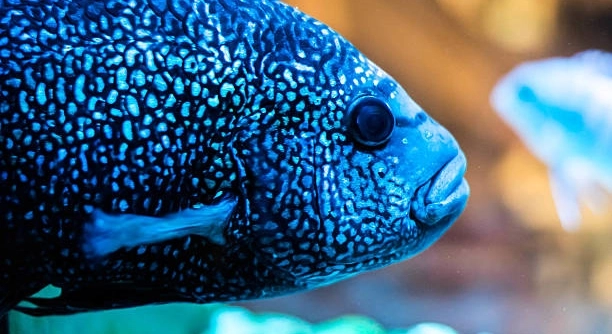
Have you ever noticed your Jack Dempsey fish losing its bright colors even though your tank is clean and well-maintained? Many fish owners experience this issue and wonder what can help restore their fish’s vibrancy naturally.
Providing Jack Dempsey fish with foods rich in carotenoids, proteins, and essential vitamins can enhance their natural coloration. Items like krill, shrimp, spirulina, and specialized pellets improve pigmentation, while a balanced diet supports overall health and consistent color development.
Feeding your fish the right mix of nutrients can make them look healthier and more colorful. Small changes in diet often lead to visible results quickly.
Krill
Krill are small crustaceans that pack a big punch when it comes to improving Jack Dempsey fish color. They are naturally rich in carotenoids, which are pigments that enhance red, orange, and yellow tones in fish. Including krill in their diet can help bring out brighter hues in fins and scales. Krill are also high in protein, which supports overall growth and energy levels. Most fish readily accept krill, making it an easy addition to daily feeding. Frozen or dried krill can be used depending on convenience and availability, and offering it a few times a week is usually enough. Overfeeding should be avoided, as it can affect water quality and fish health. By balancing krill with other nutritious foods, you ensure that your Jack Dempsey fish develops vibrant, consistent colors without compromising its well-being. Regular observation will help determine how often your fish thrives on krill.
Krill provide natural pigments that enhance red and orange tones in Jack Dempsey fish while supplying essential proteins for overall health.
Using krill consistently in small portions is highly effective. Frozen krill can be thawed before feeding, or dried krill can be offered in moderation. Mixing krill with pellets prevents dietary monotony and ensures a balanced nutrient intake. Overfeeding may cloud the water or upset digestion, so moderation is key. When combined with other foods like spirulina and shrimp, krill helps maintain rich coloration and healthy scales. Monitoring your fish after introducing krill allows you to adjust feeding frequency based on how quickly colors improve. Many owners notice brighter colors within a few weeks.
Spirulina
Spirulina is a type of blue-green algae that is widely used to improve fish coloration.
Spirulina contains high levels of carotenoids, especially beta-carotene, which directly impact red, orange, and yellow hues in Jack Dempsey fish. It also provides proteins, vitamins, and minerals that support overall health, immunity, and energy levels. Feeding spirulina regularly helps maintain vibrant body colors and enhances fin highlights, especially in juvenile and adult fish. Spirulina is available as flakes or powder, making it easy to mix with other foods. Many fish find it highly palatable, and even a small amount can produce noticeable results. Combining spirulina with other color-enhancing foods like krill or shrimp ensures your fish receives a balanced diet without losing the pigment benefits. Spirulina also supports digestive health and can help keep your fish active and responsive. Its antioxidant properties protect cells and maintain long-term vitality, making it a valuable addition to your feeding routine. Regular use encourages consistent color intensity and overall fitness.
Adding spirulina to your fish’s diet strengthens natural pigments and supports energy and immunity.
Shrimp
Shrimp are highly effective at boosting Jack Dempsey fish coloration because they are naturally rich in carotenoids, especially astaxanthin. This pigment enhances red and orange tones, making your fish look brighter and healthier. Both fresh and frozen shrimp can be used for feeding.
Shrimp also provide a good source of protein, which is essential for growth and overall health. Regular feeding of shrimp supports muscle development and energy levels, keeping fish active and responsive. Many owners notice improvements in fin color and body vibrancy within a few weeks of consistent feeding. Shrimp can be offered as a treat or mixed with daily pellets to maintain variety in the diet. Overfeeding should be avoided, as it may affect water quality. Combining shrimp with other carotenoid-rich foods ensures a balanced, nutritious diet that promotes long-lasting color enhancement and overall well-being.
Feeding shrimp consistently can produce noticeable results. Offering small amounts two to three times a week prevents water issues while supporting vibrant pigmentation. Mix with other foods to maintain variety and proper nutrition. Observing fish response helps determine the right quantity.
High-Quality Pellets
High-quality pellets designed for carnivorous cichlids contain essential nutrients that support both growth and coloration. Regular feeding ensures Jack Dempsey fish maintain strong body colors and healthy fins.
These pellets are formulated with proteins, vitamins, and pigments to promote overall fish health. Ingredients like krill meal, fish meal, and spirulina help enhance red, orange, and gold tones. Using pellets as the main diet ensures your fish receive a consistent source of nutrients without relying solely on occasional treats. They also provide energy for active swimming and social behavior, which contributes to a more vibrant appearance. Feeding in moderation prevents overfeeding, which can cloud the tank or affect digestion. Many fish respond well to this staple diet, showing noticeable improvements in pigmentation over time. Combining pellets with live or frozen foods like shrimp and krill maximizes the benefits of carotenoids and ensures a balanced intake of essential vitamins and minerals.
Pellets provide a convenient, nutrient-rich option that supports long-term health and consistent color enhancement. Regular use alongside other foods keeps fish vibrant and energetic.
Bloodworms
Bloodworms are an excellent source of natural pigments that enhance red and pink tones in Jack Dempsey fish. They are highly palatable, making it easy to encourage picky eaters to consume them regularly.
Frozen or freeze-dried bloodworms are safe for regular feeding. They supply protein and essential nutrients that support growth and overall health. Bloodworms can be offered a few times a week as part of a varied diet, complementing other color-enhancing foods like shrimp and spirulina. Their high nutritional content helps maintain vibrant fins and body color while promoting active behavior. Overfeeding should be avoided to prevent water quality issues.
Vegetables
Adding finely chopped vegetables like peas or spinach can provide essential vitamins and nutrients for Jack Dempsey fish. These plant-based foods contribute to overall health while supporting coloration naturally.
Brine Shrimp
Brine shrimp are rich in carotenoids and protein, both of which help improve coloration and support growth. They are easy to feed and highly digestible, making them a valuable addition to a balanced diet. Regular feeding of brine shrimp helps maintain bright, vibrant colors in Jack Dempsey fish.
FAQ
How often should I feed my Jack Dempsey fish color-enhancing foods?
Feeding color-boosting foods like krill, shrimp, or spirulina two to three times a week is sufficient. Daily feeding of pellets should remain the main diet, while treats are added occasionally to prevent overfeeding and maintain water quality.
Can I feed only color-enhancing foods?
No, relying solely on color-enhancing foods can cause nutritional imbalances. A balanced diet including high-quality pellets ensures your fish receives all essential vitamins, minerals, and proteins, while occasional treats support vibrant colors without compromising overall health.
Will frozen or dried foods work the same as live foods?
Yes, frozen and freeze-dried foods retain most nutrients and pigments when handled properly. They are convenient and reduce the risk of introducing diseases, while live foods provide natural stimulation and encourage active hunting behavior, supporting overall vitality.
How quickly will I see results in color?
Most Jack Dempsey fish show noticeable improvements in fin and body pigmentation within a few weeks. Juveniles tend to respond faster than adults, but consistent feeding and a varied diet are key to achieving long-lasting results.
Are there foods I should avoid for color enhancement?
Avoid low-quality fillers, generic flake foods, or foods lacking pigments and protein. These provide minimal benefit for coloration and can affect health if used excessively. Stick to foods rich in carotenoids, vitamins, and proteins to maintain brightness.
Can overfeeding color-enhancing foods harm my fish?
Yes, overfeeding can lead to digestive issues, obesity, and poor water quality. Offer small portions and monitor behavior to prevent uneaten food from decomposing in the tank. Balancing treats with staple pellets ensures proper nutrition.
Do all Jack Dempsey fish respond the same way to color-boosting foods?
No, genetics, age, and overall health affect how quickly colors develop. Some fish may display intense red or gold tones, while others show subtler changes. Consistency in diet and proper tank conditions maximize results.
Is it necessary to rotate color-enhancing foods?
Yes, rotating foods prevents dietary monotony and ensures fish receive a wide range of nutrients. Combining shrimp, krill, spirulina, and pellets provides both protein and pigments for balanced growth and optimal coloration.
Can vegetables really help with coloration?
While vegetables do not contain strong pigments like krill or spirulina, they supply essential vitamins and minerals that support health, which indirectly improves the brightness and vibrancy of natural colors over time.
Should I supplement with vitamins or additives?
In most cases, a varied, high-quality diet provides all necessary nutrients. Vitamin supplements can be used sparingly if your fish shows signs of deficiency, but overuse may upset water chemistry and digestion.
Will tank conditions affect how well foods enhance color?
Absolutely. Poor water quality, incorrect temperature, or stress can dull coloration regardless of diet. Maintaining clean water, stable temperature, and low stress levels enhances the effectiveness of color-boosting foods.
Can I use live foods to replace pellets entirely for color enhancement?
No, live foods alone cannot provide complete nutrition. Pellets supply essential nutrients consistently, while live or frozen foods enhance pigments and variety. Combining both ensures health and optimal coloration.
Do younger Jack Dempsey fish need color-enhancing foods?
Yes, juveniles benefit from carotenoid-rich foods to develop bright colors as they grow. Early introduction helps establish strong pigmentation and promotes healthy growth. However, balance with protein and essential nutrients is important.
How do I know if my fish is getting enough carotenoids?
Vibrant fin and body colors, active behavior, and healthy appetite are good indicators. Dull or faded colors may signal insufficient pigment intake or stress factors, prompting adjustments in diet or environment.
Can stress reverse color improvements from food?
Yes, stress from poor water conditions, overcrowding, or aggressive tankmates can reduce pigmentation, even if the diet is excellent. Minimizing stressors is as important as feeding color-enhancing foods.
Are there any long-term benefits to feeding color-enhancing foods?
Regular inclusion of carotenoid-rich foods supports immune function, overall health, and natural vibrancy. Long-term use helps maintain consistent coloration, stronger vitality, and improves the visual appeal of your Jack Dempsey fish throughout its life.
Is it safe to mix several color-enhancing foods together?
Yes, combining foods like krill, shrimp, spirulina, and high-quality pellets provides variety and a full spectrum of nutrients and pigments. Mixing in moderation prevents overfeeding and ensures consistent benefits without overwhelming the fish.
Do I need to adjust feeding frequency for adult fish?
Adults typically require fewer treats than juveniles. Two to three color-boosting feedings per week are usually sufficient, while staple pellets remain the main daily diet to maintain health and coloration.
How important is observation when feeding color-enhancing foods?
Observation is essential. Watch for changes in color, appetite, and behavior. Adjust portion sizes, frequency, and food types based on how your Jack Dempsey responds to ensure optimal results.
Can color-enhancing foods improve fin health as well?
Yes, foods rich in protein and carotenoids support both pigmentation and fin development. Healthy fins appear brighter and less prone to damage, reflecting overall well-being alongside vibrant body coloration.
Final Thoughts
Maintaining the vibrant colors of Jack Dempsey fish requires a combination of proper diet, consistent care, and good tank conditions. Color-enhancing foods like krill, shrimp, spirulina, and high-quality pellets provide the pigments and nutrients necessary to keep your fish looking bright and healthy. Each of these foods contributes to overall well-being while improving fin and body coloration. Including a variety of these foods in small portions ensures that your fish receive a balanced diet without overfeeding, which could harm water quality or digestion. Observing how your fish responds to each type of food helps determine the best feeding schedule and combination for optimal results. Consistency is key, as gradual changes over time are more effective than sudden shifts in diet.
It is important to remember that diet alone is not enough to maintain strong coloration. Tank conditions, including clean water, stable temperature, and low stress, play a major role in how well your fish display their natural colors. Poor water quality, overcrowding, or aggressive tankmates can dull coloration even if your fish are receiving the right foods. Maintaining a stable environment enhances the benefits of a color-rich diet, ensuring that your Jack Dempsey fish stay healthy, active, and vibrant. Regular observation of both the physical appearance and behavior of your fish allows you to identify potential problems early and make adjustments to feeding or tank care. By combining proper nutrition with good environmental management, you support not only the fish’s colors but also long-term health and energy levels.
Feeding your Jack Dempsey fish a variety of color-boosting foods also provides mental stimulation and encourages natural behaviors. Live or frozen foods like shrimp, krill, and brine shrimp create opportunities for foraging, while vegetables and high-quality pellets contribute essential nutrients for growth and immunity. Even small portions of these foods can make a noticeable difference in pigmentation over time. Rotating foods prevents monotony and ensures that your fish receive a full range of vitamins, minerals, and proteins. Over time, the combination of good diet, stable tank conditions, and careful observation will help your Jack Dempsey fish display its brightest colors and maintain overall health. Paying attention to these details makes caring for your fish a more rewarding experience and ensures that their natural beauty continues to flourish in your aquarium.

Hello,
If you enjoy the content that we create, please consider saying a "Thank You!" by leaving a tip.
Every little bit helps us continue crafting quality advice that supports the health, happiness, and well-being of pets around the world, for pets of all shapes, sizes, and species.
We really appreciate the kindness and support that you show us!