
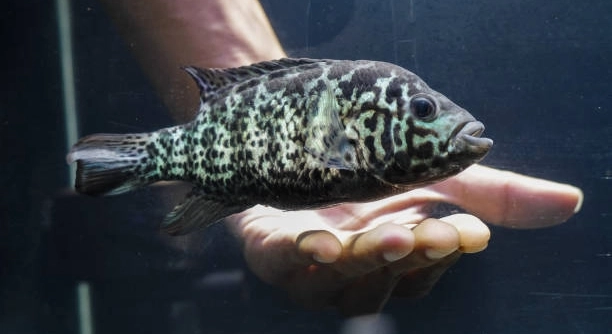
Do you keep a Jack Dempsey and want its tank to feel engaging, balanced, and healthy for daily life? Proper enrichment supports natural behaviors, reduces stress, and creates a stable environment for long term success.
The best ways to enrich a Jack Dempsey tank include structured rockwork, controlled territories, varied substrate, stable lighting, appropriate tank mates, consistent water parameters, and feeding routines, all of which encourage natural behavior, reduce aggression, and promote health and stability.
These strategies shape a calmer habitat while improving color, confidence, and activity throughout your cichlids everyday environment and overall balance.
Create Structured Rockwork and Territories
Rock structures play a major role in how a Jack Dempsey interacts with its environment. I have learned that stacked rocks, caves, and crevices help establish clear territories, which naturally reduces aggressive behavior. These fish feel more secure when they can retreat, observe, and claim space without constant confrontation. Smooth, sturdy rocks should be arranged with stability in mind, preventing collapses during digging. Creating multiple hiding areas allows the fish to choose where it feels safest throughout the day. Territory definition also supports healthy dominance patterns, preventing stress from constant swimming or chasing. When rockwork is thoughtfully placed, the tank feels intentional rather than empty. This structure encourages exploration, resting, and confident swimming, which are key indicators of a well enriched and balanced Jack Dempsey tank setup, especially in medium to large aquariums with limited open swimming zones for comfort and security every single day at home long term success.
Strong territory layout also helps manage interactions with tank mates. When boundaries are clear, the fish spends less time defending space and more time behaving naturally. This balance supports calm movement and reduces constant tension within the tank environment.
Rock placement should always allow open swimming areas between sections. I prefer arranging formations toward the back and sides, leaving the center more open. This layout mimics natural spacing and prevents the tank from feeling cramped. Overcrowded designs can lead to frustration, even when hiding spots are available. A balanced layout gives the fish choice, structure, and visual variety without overwhelming its natural movement patterns. Thoughtful spacing keeps the environment stable and visually clean.
Maintain Consistent Feeding and Lighting Routines
Consistency plays a quiet but powerful role in enrichment. A predictable feeding and lighting schedule helps a Jack Dempsey feel secure and reduces stress related to sudden changes in its environment.
I have found that feeding at the same times each day encourages steady behavior and healthy appetite control. Varied foods such as pellets, frozen options, and occasional live offerings provide stimulation without overfeeding. Lighting should follow a stable day and night cycle, ideally matching natural daylight patterns. Sudden changes in brightness or duration can disrupt activity levels and resting habits. Timers are useful for maintaining consistency without daily adjustments. When feeding and lighting are reliable, the fish becomes more confident and less reactive. This routine supports natural rhythms, stable energy levels, and overall tank harmony. Over time, these small habits contribute to a calmer presence and better color expression.
Use Varied Substrate and Natural Decor
Using varied substrate adds texture and interest to a Jack Dempsey tank while supporting natural digging behavior. A mix of sand and smooth gravel feels comfortable under constant movement and prevents injury during feeding, shifting, and territory shaping throughout the day for improved comfort and stability over time daily life.
Sand allows gentle sifting, while gravel helps anchor decor and plants in place. I prefer smoother materials because sharp edges can damage fins and mouths. Substrate depth should be moderate, allowing digging without trapping debris. Natural elements like driftwood, rounded stones, and clay pots provide stimulation without clutter. These materials mimic familiar textures and reduce boredom. Placement matters, since decor that constantly shifts can cause stress. Stable pieces encourage interaction without constant rearranging. When substrate and decor work together, the tank feels grounded, balanced, and easier to maintain long term with consistent visual appeal and reduced maintenance effort over time.
Color contrast within the substrate can also influence how confident a Jack Dempsey appears. Darker sand often enhances coloration and reduces skittish movement. I have noticed calmer behavior when the base is not overly bright. Cleaning routines also improve with the right mix, since waste stays visible without constant disruption. Vacuuming becomes more efficient, preserving beneficial bacteria. Avoid frequent changes once established, as stability matters more than variety. A consistent substrate supports healthy behavior patterns and reduces unnecessary stress responses across daily activity levels and long term environmental balance within the aquarium system for sustained fish comfort and stability overall.
Choose Appropriate Tank Mates and Space
Tank mates should be chosen carefully, with size and temperament as the main priorities. Jack Dempseys are assertive, and cramped conditions amplify aggression. I avoid small or timid species and focus on sturdy fish that can hold their own. Adequate swimming space allows boundaries to form naturally. Overcrowding leads to constant tension, disrupted feeding, and unnecessary stress which negatively affects color, confidence, and overall tank stability long term health and daily behavior patterns consistently observed.
Compatible tank mates often include similarly sized cichlids or robust bottom dwellers that respect territory. I pay close attention to individual behavior rather than relying only on species labels. Observation during the first weeks is essential, as dominance can shift quickly. Rearranging decor before introducing new fish helps reduce immediate conflict. Space matters just as much as compatibility. A larger tank dilutes aggression and gives each fish room to retreat. Hiding spots must exceed the number of fish present. When spacing and pairing are done correctly, interaction becomes controlled rather than chaotic, supporting long term stability and healthier daily behavior. This balance reduces injury risk and allows natural displays without constant pressure or disruption during shared tank living conditions over extended periods of time safely.
Maintain Stable Water Parameters
Consistent water parameters are essential for keeping a Jack Dempsey calm and healthy. Stable temperature, pH, and hardness reduce stress and prevent sudden behavior changes. I rely on regular testing to catch small shifts early and keep conditions predictable throughout the tank every single day without unnecessary disruption or fluctuation.
Weekly water changes support enrichment by maintaining clarity and oxygen levels. Clean water encourages natural movement and feeding response. I avoid large sudden changes, since gradual maintenance protects beneficial bacteria and keeps the environment stable, balanced, and comfortable for long term health and consistent behavior patterns across daily tank conditions.
Introduce Controlled Environmental Stimulation
Environmental stimulation can be increased through subtle changes that do not disrupt stability. Rotating decor positions, introducing new safe objects, or adjusting flow patterns provides mental engagement. I prefer slow adjustments spaced weeks apart. This prevents overstimulation while encouraging curiosity. Simple changes like repositioning a cave or adding leaf litter can renew interest. Avoid frequent full redesigns, as familiarity builds confidence. Stimulation works best when layered into routine rather than forced. The goal is steady engagement that complements territory, feeding, and rest. When enrichment feels natural, the fish remains active without showing signs of stress or defensive behavior patterns daily.
Improve Visual Comfort and Tank Layout
Visual enrichment also matters, especially in bare setups. Backgrounds, plant cover, and controlled lighting angles reduce reflections and pacing. I have noticed calmer swimming when visual clutter is minimized. A clear, defined backdrop helps the fish focus forward and feel secure within its established space during daily tank activity periods.
FAQ
How often should I rearrange decor in a Jack Dempsey tank?
Decor should not be rearranged frequently. I have found that small changes every few months work best. Constant movement of rocks or caves can make the fish feel unsettled and defensive. When I do make adjustments, I move only one or two items at a time. This keeps the environment familiar while still offering light stimulation. Stability matters more than variety, especially with territorial cichlids. Rearranging decor is most helpful before adding new tank mates or after major cleanings, not as a weekly habit.
Does tank size really affect enrichment, or is decor more important?
Tank size plays a major role in enrichment. Decor helps, but space determines how that decor functions. In smaller tanks, even well placed structures can lead to crowding and constant territorial pressure. I always prioritize space first, then enrichment items. A larger tank allows the fish to move freely, retreat when needed, and establish boundaries naturally. Decor becomes more effective when there is room for separation between zones. Without enough space, enrichment can actually increase stress rather than reduce it.
Can live plants be used in a Jack Dempsey tank?
Live plants can be used, but expectations should stay realistic. Jack Dempseys dig and shift substrate, which often uproots delicate plants. I stick with hardy species like Anubias or Java fern, attached to rocks or driftwood instead of planted in substrate. These plants add visual softness and improve water quality without becoming a constant mess. Artificial plants are also a valid option if they are smooth and securely placed. The goal is visual comfort, not perfect plant growth.
How do I know if my Jack Dempsey is bored or stressed?
Boredom and stress often look similar, so observation matters. Signs I watch for include pacing, glass surfing, faded color, and sudden aggression. A healthy, enriched fish shows curiosity, explores its space, and rests calmly between activity periods. If behavior becomes erratic, I look at recent changes in lighting, water quality, or layout. Stress usually follows instability, while boredom develops in bare, unchanging tanks. Adjustments should be slow and deliberate to avoid making things worse.
Is flow important for enrichment in a Jack Dempsey tank?
Flow matters, but it should remain moderate. Strong currents can exhaust the fish and interfere with territory use. I prefer gentle circulation that keeps debris moving without forcing constant swimming. Adjusting filter output or adding a spray bar helps distribute flow evenly. Mild variation in flow direction can add stimulation, but it should never overpower resting areas. Balanced flow supports oxygenation and activity without disrupting comfort.
Should I use mirrors or reflections for stimulation?
Mirrors are not recommended for Jack Dempseys. While some fish benefit from short mirror exposure, cichlids often respond with prolonged aggression. I avoid reflective surfaces altogether, including bare glass without a background. Constant exposure to perceived rivals can raise stress levels and lead to injury. Visual enrichment should focus on depth, contrast, and shelter rather than confrontation. A calm environment encourages healthier behavior long term.
How does feeding variety contribute to enrichment?
Feeding variety adds mental stimulation and supports balanced nutrition. I rotate between high quality pellets, frozen foods, and occasional live options. This encourages natural hunting responses and keeps feeding time engaging. Overfeeding should be avoided, as excess food quickly impacts water quality. Scheduled feeding at consistent times matters just as much as variety. Predictable routines help the fish feel secure while still enjoying different textures and movement during meals.
Can enrichment reduce aggression permanently?
Enrichment helps manage aggression, but it does not remove natural temperament. Jack Dempseys are assertive by nature. What enrichment does is give that behavior structure. Clear territories, stable routines, and adequate space reduce unnecessary conflict. I have seen aggression drop significantly when tanks are properly laid out, but dominance behavior still exists. The goal is control, not elimination. When enrichment aligns with natural instincts, behavior becomes predictable and manageable rather than chaotic.
Is it possible to over enrich a tank?
Yes, over enrichment is possible. Too many objects, frequent changes, or excessive stimulation can overwhelm the fish. I aim for balance instead of constant novelty. A tank should feel intentional, not crowded. Each item should serve a purpose, whether it provides shelter, visual comfort, or structure. When enrichment becomes clutter, maintenance becomes harder and stress increases. Less, done correctly, is often more effective.
How long does it take to see results from enrichment changes?
Results are not instant. In my experience, behavior changes appear over several weeks. Color improvement and calmer movement usually come first, followed by more confident territory use. Sudden expectations often lead to unnecessary adjustments. I prefer to make one change, observe, and wait. Enrichment works best when it supports long term stability rather than quick fixes. Patience allows the fish to adapt naturally and settle into its environment.
Final Thoughts
Creating an enriched Jack Dempsey tank is not about constant change or complex setups. It is about understanding what helps the fish feel secure, confident, and calm over time. I have learned that structure, stability, and consistency matter more than adding new items often. When the environment supports natural behavior, the fish responds with stronger color, smoother movement, and reduced stress signals. Simple choices like stable rock placement, reliable routines, and appropriate spacing quietly shape daily behavior. These elements work together to form a tank that feels balanced rather than forced. Enrichment should blend into the setup, not stand out as disruption. When done correctly, the tank supports both physical health and mental comfort without constant intervention.
It is also important to respect the natural temperament of a Jack Dempsey. Enrichment does not change personality, but it gives that personality direction. Aggression becomes more controlled, exploration becomes purposeful, and rest periods feel more natural. I have found that observing behavior closely is just as important as adding decor or adjusting routines. Small reactions often reveal whether something is working or needs refinement. Patience plays a key role here. Quick fixes rarely deliver lasting results. Allowing time between changes helps the fish adjust and build familiarity with its surroundings. Over time, this approach leads to a calmer presence in the tank and fewer stress driven behaviors.
Long term success comes from balance. Too little enrichment leaves the tank feeling empty and unstimulating, while too much creates clutter and instability. Finding the middle ground takes observation and restraint. I prefer setups that feel intentional, where every element serves a purpose. Clean water, stable parameters, and predictable schedules quietly support enrichment without drawing attention to themselves. These fundamentals often matter more than decorative additions. A Jack Dempsey thrives when its environment feels reliable and thoughtfully arranged. When the tank supports natural instincts instead of fighting them, daily care becomes easier and more rewarding. This steady approach creates a space where the fish can settle, display confidence, and live comfortably over the long term.

Hello,
If you enjoy the content that we create, please consider saying a "Thank You!" by leaving a tip.
Every little bit helps us continue crafting quality advice that supports the health, happiness, and well-being of pets around the world, for pets of all shapes, sizes, and species.
We really appreciate the kindness and support that you show us!