
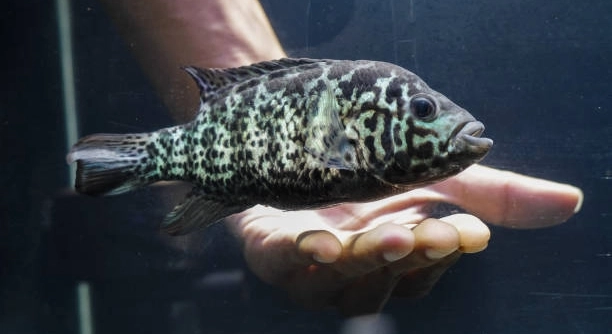
Do you ever find yourself introducing new fish to your tank only to notice your Jack Dempsey acting aggressively or avoiding them entirely? These fish are known for their strong personalities and territorial behavior. Their presence can dominate a shared aquarium.
Jack Dempsey fish may refuse tankmates primarily due to territorial instincts, stress, or incompatibility with other species. Aggressive tendencies and sensitivity to environmental changes often result in rejection of new or existing fish in the same tank.
Understanding why these fish act this way can help you manage your tank more effectively. Knowing the right strategies ensures a safer, more balanced aquatic environment.
Understanding Jack Dempsey Behavior
Jack Dempsey fish are naturally territorial and assertive. In a tank, they may guard certain areas aggressively, chasing or nipping at any fish that come too close. Their size and boldness make them particularly dominant, especially in smaller tanks where space is limited. Stress can also play a major role in their behavior. Sudden changes, overcrowding, or incompatible species can increase aggression and refusal to interact with tankmates. Even if two species seem compatible on paper, the Jack Dempsey’s personality can override typical social patterns. Many aquarists notice that these fish prefer areas with hiding spots and visual boundaries. Lack of structure can escalate disputes over territory. It is important to monitor interactions carefully. Introducing new fish gradually, with plenty of space, can sometimes reduce aggression, but there are no guarantees. Observing your tank daily helps ensure all fish are safe and stress levels are minimized.
Their behavior often reflects instinct rather than malice. Providing space can reduce conflicts.
Proper tank setup, including adequate hiding spots, visual barriers, and gradual introductions, can encourage more peaceful interactions. Maintaining stable water conditions and monitoring fish for signs of stress are essential. Choosing compatible species and avoiding overcrowding further helps manage their assertive tendencies, allowing for a calmer and more harmonious aquarium.
Choosing Tankmates Carefully
Jack Dempsey fish are selective about who they share space with.
Selecting appropriate tankmates requires research on size, temperament, and swimming levels. Fish that are too small may be harassed or eaten, while equally bold species may lead to constant fighting. Avoid overly passive species that cannot assert themselves, as this can create stress and injury. Mid-sized, non-aggressive, and similarly robust fish are often better choices, but even then, personality differences can cause issues.
It is also important to provide multiple hiding spaces and visual breaks in the tank. Rocks, plants, and decorations can reduce line-of-sight conflicts, giving fish areas to retreat when stressed. Introducing new fish slowly, preferably under controlled observation, allows you to gauge reactions and prevent serious injury. Monitoring water quality and maintaining consistent feeding routines helps reduce competition and stress. Each Jack Dempsey has unique behavioral tendencies, so careful observation and adjustment are essential for a stable, balanced tank. Consistency and attention to detail ensure all fish can coexist without constant confrontation, keeping your tank environment healthy.
Common Signs of Tankmate Rejection
Jack Dempsey fish often show aggression by chasing, nipping, or cornering other fish. They may flare their fins, darken in color, or block access to hiding spots. Persistent targeting usually signals that a tankmate is being rejected.
Other behaviors indicating rejection include hiding, reduced feeding, or stress-induced illness in the other fish. Jack Dempseys may patrol certain areas repeatedly, preventing other fish from exploring freely. Over time, this territorial dominance can affect growth, health, and behavior of tankmates. Observing these patterns early helps prevent serious injuries and ensures proper management of tank dynamics.
Tankmate rejection is also influenced by environmental stressors. High water temperatures, overcrowding, or insufficient décor can intensify aggression. Some Jack Dempseys target slower or smaller fish consistently, while others respond poorly to any intrusion in their space. Adjusting tank layout, limiting sudden changes, and providing plenty of hiding spots often reduces tension, although each fish’s personality can still determine outcomes. Monitoring interactions closely is essential for long-term tank harmony.
Environmental Factors That Affect Compatibility
Tank size, décor, and water conditions play major roles in Jack Dempsey compatibility. Smaller tanks increase aggression, while plenty of plants and hiding spots reduce stress.
Temperature, pH, and water quality affect their mood. Inconsistent or poor conditions can heighten aggression, leading to constant harassment of tankmates. Even compatible fish can become stressed if conditions fluctuate frequently. Maintaining stable parameters, regular water changes, and careful observation is crucial.
Environmental enrichment also helps. Rocks, caves, and plant clusters create territories and visual breaks that reduce direct confrontations. Proper lighting and gentle water flow prevent overstimulation, allowing fish to establish their areas naturally. Introducing tankmates slowly into a well-structured, stable environment reduces stress and improves coexistence. Adjustments may be needed based on individual behavior, but overall, a thoughtfully arranged tank encourages peaceful interactions.
Aggression Levels and Territory
Jack Dempsey fish are naturally aggressive and highly territorial. They often patrol specific areas of the tank, showing dominance over any intruding fish. Territorial disputes can escalate quickly if space is limited or tankmates are incompatible.
Aggression can vary by individual. Some fish tolerate certain species, while others react aggressively to almost any new tankmate. Monitoring behavior closely is essential to prevent injuries and stress.
Gradual Introductions
Introducing new fish slowly helps reduce conflicts. Using a separate divider or quarantine tank allows Jack Dempseys to observe without direct contact. Gradual exposure helps both the resident fish and newcomers adjust safely to each other’s presence over time.
Tank Layout Considerations
Proper tank design limits conflict. Caves, plants, and rocks provide hiding spaces and visual barriers. Multiple territories reduce constant confrontation, allowing fish to coexist more peacefully.
Monitoring Stress
Watch for signs like darkening color, rapid breathing, or hiding. Early detection of stress prevents long-term health issues and allows timely intervention.
FAQ
Why does my Jack Dempsey fish chase other tankmates constantly?
Chasing is a natural territorial behavior. Jack Dempseys patrol their preferred areas and may perceive other fish as intruders. Smaller or slower species are more likely to be targeted. Ensuring sufficient space, hiding spots, and visual barriers can help reduce constant chasing.
Can Jack Dempsey fish live peacefully with other species?
Yes, but careful planning is required. Compatible tankmates are generally mid-sized, robust, and non-aggressive. Avoid very small or very passive fish, as they are prone to stress or injury. Providing distinct territories and gradual introductions improves chances of peaceful coexistence.
How do I know if my Jack Dempsey is stressed?
Signs of stress include darkening color, rapid gill movement, hiding excessively, or refusing food. Stress often arises from overcrowding, poor water quality, or incompatible tankmates. Monitoring behavior daily and maintaining stable tank conditions is crucial for preventing long-term health issues.
What tank size is best for a Jack Dempsey with tankmates?
A minimum of 55 gallons is recommended for a single Jack Dempsey with compatible species. Larger tanks allow for distinct territories and reduce aggression. More space decreases competition for resources and provides hiding places for subordinate fish, helping maintain a calmer tank environment.
How should I introduce new fish to a tank with a Jack Dempsey?
Introduce them gradually using a divider or quarantine tank first. Allow the Jack Dempsey to observe the new fish without direct contact. Over several days, slowly remove the barrier while monitoring interactions closely. Immediate full introduction can trigger aggression and stress.
Do tank decorations affect Jack Dempsey behavior?
Yes, decorations like rocks, caves, and plants create visual barriers and defined territories. These reduce line-of-sight conflicts and give fish places to retreat. A well-structured tank encourages more natural behavior and can significantly decrease aggressive interactions between tankmates.
Can changing water conditions calm an aggressive Jack Dempsey?
Stable, clean water is essential. Sudden changes in temperature, pH, or hardness can increase stress and aggression. Regular water changes, consistent parameters, and monitoring tank chemistry help maintain a healthy, calm environment, improving overall interactions with tankmates.
What are the best tankmates for a Jack Dempsey?
Ideal tankmates include mid-sized cichlids or other robust species that can hold their ground. Avoid tiny, timid fish or overly aggressive species. Observing individual personalities is key, as each Jack Dempsey may tolerate or reject different fish, even if they are usually compatible.
How can I reduce aggression if my Jack Dempsey refuses tankmates?
Provide multiple hiding spots, increase tank size if possible, and ensure proper feeding routines. Gradual introductions and observing interactions help. In some cases, aggressive fish may need their own tank to prevent constant stress for both the Jack Dempsey and other fish.
Should I separate a Jack Dempsey from other fish permanently?
Sometimes separation is necessary. If repeated attempts at peaceful coexistence fail, housing the Jack Dempsey alone or with highly compatible species is the safest option. Prioritizing fish health and well-being outweighs keeping multiple species together in a small tank.
Is it normal for a Jack Dempsey to ignore certain tankmates?
Yes, ignoring can indicate territorial confidence rather than friendliness. Jack Dempseys may selectively interact with species they perceive as threats or competitors, leaving non-threatening fish alone. Observing patterns helps understand compatibility and reduces unnecessary stress.
Do Jack Dempseys ever calm down as they age?
Maturity can lead to slightly reduced aggression, but territorial instincts remain. Older fish may tolerate certain tankmates better if introduced gradually and if the tank environment supports distinct territories and hiding areas. Behavior is still highly individual.
How does feeding affect tankmate interactions?
Unequal or competitive feeding can increase aggression. Providing multiple feeding spots, consistent schedules, and adequate portions reduces disputes. Ensuring each fish gets enough food helps maintain calm and minimizes stress-related conflicts between a Jack Dempsey and tankmates.
Can two Jack Dempseys live together in one tank?
It is possible but challenging. Conflicts over territory are common unless the tank is very large with plenty of visual breaks. Introducing both fish at a young age and providing separate territories can improve coexistence, but aggression may still occur as they mature.
What role do hiding spots play in tankmate acceptance?
Hiding spots allow submissive fish to retreat from aggressive behavior. They reduce stress, prevent injuries, and provide a sense of security. Proper placement of decorations and plants creates multiple territories, helping all fish feel safe and improving overall tank harmony.
How long should I monitor new tankmates with a Jack Dempsey?
Continuous observation is recommended for at least several days to weeks. Early signs of stress, aggression, or territorial disputes should be addressed immediately. Consistent monitoring ensures the safety of all fish and helps make adjustments to tank layout or introductions.
Can environmental enrichment make Jack Dempseys more accepting of others?
Yes, providing plants, rocks, caves, and visual barriers encourages natural behavior. A stimulating environment reduces boredom, stress, and aggressive tendencies, allowing Jack Dempseys to coexist more peacefully with compatible tankmates over time.
Is it possible to have a mixed-species tank with a Jack Dempsey long-term?
It is possible with careful planning, monitoring, and consistent tank management. Success depends on fish size, temperament, tank design, and the individual personality of the Jack Dempsey. Adjustments may be necessary, but a balanced environment can support long-term coexistence if approached thoughtfully.
How do I know when a Jack Dempsey will never accept tankmates?
Persistent aggression, refusal to share space, and repeated attacks indicate that coexistence is unlikely. In such cases, separating the fish or redesigning the tank is necessary to ensure safety and reduce chronic stress for all species involved.
What final tips help maintain harmony in a tank with a Jack Dempsey?
Consistent water conditions, gradual introductions, adequate hiding spots, and careful species selection are key. Observing individual behavior, addressing aggression early, and adjusting tank layout improve coexistence. Patience and attention to detail create a stable, healthy environment for both the Jack Dempsey and its tankmates.
Final Thoughts
Jack Dempsey fish are strong, territorial, and often unpredictable when it comes to sharing space with other fish. Their natural instincts make them dominant in most tank setups, and this can cause stress or harm to less assertive tankmates. Understanding their behavior is crucial for anyone keeping them in a community tank. Observing how your Jack Dempsey interacts with others, recognizing early signs of aggression, and adjusting the environment can make a significant difference in maintaining peace. Many aquarists find that providing adequate space and defining territories with plants, rocks, and decorations helps manage aggression and creates a safer atmosphere for all fish.
Environmental stability also plays a key role in how Jack Dempseys accept tankmates. These fish are sensitive to changes in water temperature, pH levels, and overall water quality. Sudden shifts or inconsistent maintenance can increase stress and provoke aggressive behavior. Maintaining clean water, regular testing, and consistent feeding routines reduces tension and allows fish to settle into established patterns. Gradual introductions of new tankmates and careful monitoring during the first few days are important strategies to prevent conflicts. Even with careful planning, not all Jack Dempseys will tolerate other species, so having backup options or separate tanks is often necessary to ensure the well-being of both the dominant fish and its companions.
Patience and observation are essential when keeping Jack Dempseys in a community tank. Each fish has a unique personality, and responses to tankmates can vary widely, even among individuals of the same species. Providing hiding spots, visual barriers, and enough swimming space helps reduce stress for all fish and allows a more natural balance in the tank. In some cases, it may become clear that the Jack Dempsey cannot coexist safely with other fish, and separation becomes the best option. Ultimately, careful management, attention to behavior, and maintaining a stable environment are key to promoting harmony, reducing stress, and protecting the health of every fish in the aquarium.

Hello,
If you enjoy the content that we create, please consider saying a "Thank You!" by leaving a tip.
Every little bit helps us continue crafting quality advice that supports the health, happiness, and well-being of pets around the world, for pets of all shapes, sizes, and species.
We really appreciate the kindness and support that you show us!