
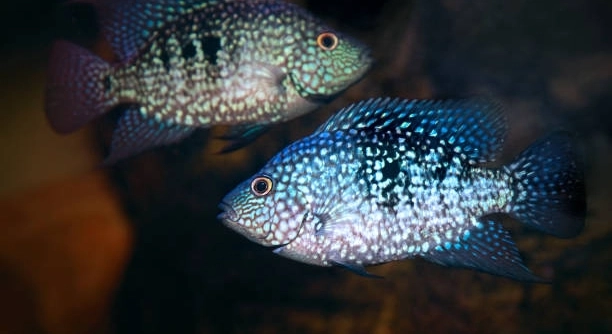
Jack Dempsey fish are popular in home aquariums due to their vibrant colors and active behavior. Many aquarists enjoy watching their interactions and maintaining their tanks carefully to support healthy growth and lifespan.
Jack Dempsey fish do not naturally change sex. While some fish species exhibit sequential hermaphroditism, Jack Dempsey fish maintain their original sex throughout life, and any observed changes in behavior or appearance are related to maturity or environmental factors rather than true sex reversal.
Understanding their behavior and tank conditions can help ensure your Jack Dempsey thrives and displays its full, natural coloration.
Understanding Jack Dempsey Fish Behavior
Jack Dempsey fish are known for their territorial and sometimes aggressive nature, especially during breeding. They often display flared fins and bright colors when asserting dominance. Observing these behaviors can help aquarists understand their moods and interactions. Changes in color or behavior are usually linked to age, stress, or tank conditions, not sex change. Providing plenty of hiding spots, proper tank size, and compatible tank mates reduces stress and helps maintain harmony. Feeding them a balanced diet with high-quality pellets, occasional live food, and vegetables supports their growth and health. Monitoring water parameters like pH, temperature, and ammonia levels is essential to prevent illness. These factors together create a stable environment where Jack Dempsey fish can thrive and display natural behaviors, giving you a more predictable and enjoyable aquarium experience.
Their interactions often reflect environmental conditions more than social hierarchy. Observing closely helps identify needs and adjust care.
Consistent care is key to a thriving tank. Adjusting water conditions gradually, keeping a varied diet, and limiting overcrowding supports healthy growth. Avoid sudden changes that may trigger stress or aggression. Understanding their patterns helps maintain a peaceful environment while observing their vibrant colors. Tanks with ample space, hiding spots, and compatible species prevent unnecessary conflict and encourage natural behavior. Over time, you can predict their responses to feeding, cleaning, and new additions. By paying attention to subtle signs, you ensure their well-being and enjoy their lively presence without issues.
Debunking the Sex Change Myth
Jack Dempsey fish cannot naturally switch sexes, even if their appearance or behavior seems different. Any perceived change is usually related to age or environmental factors.
Claims about sex change often come from misinterpretation of other fish species. Some cichlids, like clownfish, can switch sex under specific conditions, but Jack Dempsey fish do not exhibit this ability. Variations in size, color, or aggression are part of normal development. Males may appear more colorful or dominant during breeding, while females maintain more subtle patterns. Environmental stress, poor water quality, or diet deficiencies can also affect their appearance temporarily, misleading owners into thinking a sex change occurred. Proper tank management, including stable temperature, clean water, and balanced nutrition, ensures consistent coloration and healthy behavior. Observing mating behaviors and interactions clarifies gender roles without assuming sex reversal. Understanding these differences prevents unnecessary concern and helps aquarists provide the right care, ensuring Jack Dempsey fish remain healthy and visually vibrant over time.
Common Misconceptions About Jack Dempsey Fish
Many people confuse size and color changes with sex change in Jack Dempsey fish. These variations are normal growth patterns or responses to tank conditions, not a true sex reversal. Observing these differences carefully helps avoid misunderstanding their development and behavior.
Jack Dempsey fish often change colors as they mature or when stressed. Males typically display brighter colors during breeding, while females maintain more muted tones. Overcrowding, poor water quality, or sudden temperature changes can also temporarily alter their appearance. Aggression between tank mates may make them appear more dominant or submissive, further fueling misconceptions about sex change. Paying attention to their consistent patterns over time clarifies what is normal versus unusual.
Behavioral shifts like increased aggression or nesting tendencies are also frequently mistaken for a change in sex. Providing sufficient space, hiding spots, and compatible tank mates reduces stress and supports natural behavior. Diet plays a role too; high-protein foods promote growth and vibrant coloration. Observing your fish daily allows you to understand their normal behavior and identify genuine issues, avoiding false assumptions about sex change in Jack Dempsey fish.
Proper Care to Maintain Health
Stable water conditions are critical for Jack Dempsey fish health. Regular testing and consistent maintenance prevent stress-related issues and maintain coloration.
Temperature, pH, and hardness need monitoring, as fluctuations can impact growth and behavior. Clean tanks with proper filtration reduce ammonia and nitrite levels, preventing illness. Providing a balanced diet with high-quality pellets and occasional live food supports immune function and energy levels. Overfeeding or sudden dietary changes can lead to digestive problems or aggression. Tank size also affects health; overcrowding increases stress, while spacious environments promote natural activity. Observing behavior daily helps detect early signs of disease or distress, allowing timely intervention. Maintaining these conditions ensures Jack Dempsey fish remain vibrant, active, and healthy.
Signs of Stress in Jack Dempsey Fish
Stress in Jack Dempsey fish often shows through dull colors, hiding frequently, or reduced appetite. Recognizing these signs early helps prevent long-term health issues and keeps their behavior more predictable.
Other indicators include rapid gill movement, erratic swimming, or aggression toward tank mates. Addressing water quality and tank conditions usually resolves these problems.
Feeding Tips for Vibrant Colors
A varied diet enhances Jack Dempsey fish coloration and overall health. High-quality pellets provide essential nutrients, while occasional live or frozen foods like brine shrimp or bloodworms supply protein and enrichment. Feeding small amounts multiple times a day encourages proper digestion and reduces waste accumulation in the tank. Avoid overfeeding, which can lead to obesity, poor water quality, and stress. Incorporating vegetables such as peas or spinach occasionally ensures balanced nutrition and supports immune function. Observing how your fish respond to different foods helps identify preferences and dietary needs, keeping them healthy and visually vibrant over time.
Tank Setup Essentials
Proper tank setup includes adequate space, hiding spots, and stable water conditions. A minimum of 55 gallons is recommended for one adult Jack Dempsey.
FAQ
Can Jack Dempsey fish live with other fish?
Yes, Jack Dempsey fish can live with other species, but careful selection is crucial. They are territorial and can become aggressive, especially during breeding. Tank mates should be similarly sized, non-aggressive cichlids or robust fish. Avoid small or slow-moving fish, which may be harassed or injured. Providing plenty of hiding spots and maintaining a spacious tank reduces conflict and allows everyone to coexist more peacefully. Observing their interactions regularly helps you identify any early signs of stress or aggression, allowing adjustments to the tank environment or rearranging decorations to improve harmony.
How often should I feed Jack Dempsey fish?
Feeding should occur once or twice daily, offering amounts they can consume within a few minutes. Overfeeding can lead to poor water quality, obesity, and health problems. A balanced diet is essential. High-quality pellets should form the staple of their diet. Supplementing with live or frozen foods such as brine shrimp, bloodworms, or daphnia provides protein and variety. Occasionally including vegetables like peas or spinach supports digestion and adds essential nutrients. Watching how your fish respond to different foods helps determine portion sizes and frequency, ensuring they maintain vibrant colors and good health.
Do Jack Dempsey fish require a heated tank?
Yes, they prefer tropical conditions. Maintaining a stable temperature between 75°F and 82°F supports metabolism, immune function, and activity levels. Sudden drops in temperature can stress the fish and make them more susceptible to disease. Using a reliable heater and thermometer ensures consistent water conditions. Tank placement should avoid drafts or areas with fluctuating temperatures. Regular monitoring of water temperature is especially important during seasonal changes or if the tank is in a cooler room. Warm, stable water encourages natural behavior, bright coloration, and better overall health in Jack Dempsey fish.
How can I tell the difference between male and female Jack Dempsey fish?
Males are usually larger, more colorful, and develop longer, pointed fins. Females are smaller, have rounder fins, and display duller colors, especially when not breeding. During breeding, females often show a pink or orange belly, while males remain vibrant blue or green. Observing body shape, fin size, and coloration over time helps distinguish sexes accurately. Breeding behavior, such as nest guarding by males or egg laying by females, provides additional confirmation. Understanding these differences is important for pairing fish correctly and maintaining a harmonious tank environment.
Can Jack Dempsey fish survive in poor water conditions?
They are hardy but prolonged exposure to poor water quality leads to stress, disease, and shortened lifespan. Regular water changes, proper filtration, and monitoring pH, ammonia, nitrite, and nitrate levels are essential. Even minor fluctuations can affect behavior, appetite, and coloration. Overcrowding, high waste, and inadequate filtration worsen water conditions, increasing the risk of infections. Providing a clean, stable environment prevents many health issues and allows Jack Dempsey fish to thrive. Observing their activity and appearance daily helps detect early problems, giving you time to correct water conditions before serious damage occurs.
What is the lifespan of a Jack Dempsey fish?
With proper care, they can live 8 to 10 years, sometimes longer in ideal conditions. Lifespan depends on tank size, water quality, diet, and stress levels. Regular maintenance and attentive care increase longevity and allow them to reach full size and display vibrant colors. Healthy fish in well-maintained aquariums tend to be more active and exhibit natural behaviors. Avoid overcrowding and monitor compatibility with other fish to reduce stress, which directly impacts lifespan. Consistent observation ensures you can address health issues promptly, supporting a long, healthy life for your Jack Dempsey fish.
Do Jack Dempsey fish need a specific tank size?
Yes, they need spacious tanks due to their size and territorial nature. A minimum of 55 gallons is recommended for one adult, with larger tanks preferred for multiple fish. Adequate space reduces aggression and supports healthy growth. Including hiding spots and decorations creates boundaries and makes them feel secure. Overcrowding leads to stress, increased aggression, and poor health. Proper tank dimensions also allow for better water circulation and filtration, maintaining consistent water quality. Planning a tank that accommodates their adult size and activity level ensures your Jack Dempsey fish thrive while displaying natural behaviors and vibrant colors.
Can Jack Dempsey fish breed in home aquariums?
Yes, breeding is possible if conditions are ideal. They prefer slightly acidic to neutral pH, stable temperature, and clean water. Males select a flat surface to create a nest, while females lay eggs and guard them closely. Both parents protect the fry after hatching. Providing enough space, hiding spots, and high-protein foods encourages successful breeding. Observing behavior helps distinguish male-female pairs ready to spawn. Even experienced aquarists sometimes need to separate fry to prevent aggression or over-predation. With patience and proper care, breeding Jack Dempsey fish at home is achievable and rewarding.
Are there common health issues in Jack Dempsey fish?
They are prone to stress-related illnesses, bacterial infections, and parasites if water quality is poor. Symptoms include lethargy, loss of appetite, faded colors, or white spots. Proper tank maintenance, balanced diet, and monitoring water parameters prevent most issues. Early detection and treatment are key. Quarantining new fish reduces disease risk, and providing sufficient space limits stress-induced health problems. Understanding common ailments helps you respond quickly, ensuring Jack Dempsey fish remain healthy and active.
Jack Dempsey fish are a striking and fascinating addition to any aquarium, admired for their vibrant colors and lively personalities. Understanding their behavior is essential for keeping them healthy and happy. Observing their interactions, noting changes in color, and recognizing signs of stress all help create a stable environment. Unlike some fish species, Jack Dempsey fish do not change sex, and any variations in appearance or behavior are linked to growth, breeding patterns, or environmental factors. Being aware of these natural patterns allows aquarists to provide appropriate care, avoid unnecessary worry, and ensure the fish thrive in their tank.
Proper tank setup and maintenance are fundamental to Jack Dempsey health. They need spacious tanks with hiding spots and decorations to reduce aggression and stress. Stable water parameters, including temperature, pH, and hardness, support metabolism, immune function, and activity. Regular water changes and a reliable filtration system prevent the buildup of harmful substances, keeping the tank clean and safe. Feeding a balanced diet, with high-quality pellets as a staple and occasional live or frozen foods for enrichment, encourages healthy growth, vibrant coloration, and natural behavior. Careful observation of their eating habits, interactions, and overall activity helps identify potential problems early, allowing for timely adjustments. A consistent routine in feeding, cleaning, and monitoring the tank contributes significantly to the well-being of Jack Dempsey fish.
Patience and attention to detail are key when keeping Jack Dempsey fish. Their territorial and sometimes aggressive nature requires thoughtful planning for tank mates and layout. Monitoring behavior, adjusting tank conditions, and providing appropriate nutrition all contribute to a successful aquarium experience. Understanding the limits of what these fish can and cannot do, such as clarifying the myth about sex change, helps prevent misunderstandings and ensures more confident care. By focusing on stable environments, proper diet, and attentive observation, aquarists can enjoy the beauty and personality of Jack Dempsey fish while supporting their health, longevity, and natural behaviors. Consistent care allows them to thrive, creating a rewarding and visually vibrant aquarium that reflects careful stewardship.

Hello,
If you enjoy the content that we create, please consider saying a "Thank You!" by leaving a tip.
Every little bit helps us continue crafting quality advice that supports the health, happiness, and well-being of pets around the world, for pets of all shapes, sizes, and species.
We really appreciate the kindness and support that you show us!