
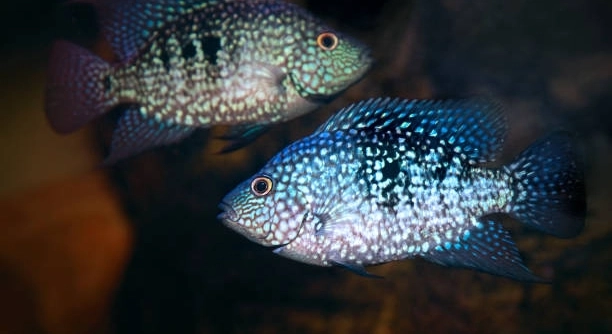
Jack Dempsey fish are colorful and lively additions to home aquariums. They often attract attention with their shimmering scales and energetic movements, making them a popular choice for many fish enthusiasts looking to enhance their tanks.
Jack Dempsey fish may nip at fingers due to territorial behavior, stress, or curiosity. Their nipping is generally a defensive action rather than aggression, serving as a natural response to perceived threats in their environment or during feeding.
Learning about their habits and interactions helps create a safer, more harmonious tank for both the fish and their owners.
Understanding Why Jack Dempsey Fish Nip
Jack Dempsey fish have strong personalities, and nipping is one way they communicate. Often, nipping happens when they feel their space is threatened, or when new objects or hands enter their tank. They are naturally territorial, especially in smaller aquariums, and may become protective over hiding spots, plants, or breeding areas. Young fish are usually more active nippers, exploring and testing boundaries as they grow. Feeding times can also trigger nips, as they may mistake fingers for food. Observing their behavior closely helps in recognizing patterns that lead to nipping. Stress is another key factor; changes in water temperature, pH, or overcrowding can increase the chances of nipping. Providing plenty of hiding spaces, maintaining stable water conditions, and avoiding sudden movements can reduce stress-related bites. Over time, owners learn which actions are safe and which might provoke their fish.
Nipping often decreases as fish become familiar with their environment and the people handling the tank.
Creating a calm environment with consistent feeding and minimal sudden disturbances allows Jack Dempsey fish to feel secure. Regularly checking water quality and giving them room to swim reduces defensive behavior. Some fish naturally remain more aggressive, but careful observation and patience usually minimize incidents. Tank layout, including plants, rocks, and shelters, can direct their attention away from hands. Handling the fish gently and only when necessary also helps. Understanding triggers and respecting their space strengthens the relationship between owner and fish while keeping fingers safe from nips.
Preventing Finger Nips
Maintaining a consistent feeding routine helps reduce nipping incidents.
Offering a well-structured tank with clear boundaries and hiding spots encourages peaceful behavior. Ensuring adequate tank size reduces territorial disputes, and separating aggressive fish when necessary prevents repeated bites. Feeding small portions several times a day prevents competition over food. Avoiding sudden hand movements and using tools like feeding tongs can keep interactions safe. Over time, fish learn to associate hands with positive experiences rather than threats. Regular observation allows you to identify warning signs before nipping occurs, such as flaring fins or rapid swimming. Training patience and consistency is key in minimizing unwanted nips.
Monitoring water conditions, tank size, and tankmates plays a major role in preventing nipping behavior. Overcrowded tanks or poor water quality can make even calm fish defensive. Jack Dempsey fish may nip if they feel stressed by tankmates, or if there is insufficient space for each fish to establish a territory. Providing shelters like caves or thick plants allows fish to retreat when they feel threatened. Feeding practices also matter; giving food at consistent times reduces competition and confusion. Handling the fish minimally and carefully during cleaning or maintenance keeps them from associating fingers with potential danger. Observing their body language, such as fin displays or aggressive movements, helps owners anticipate and prevent nips. With a well-maintained tank, patient care, and respect for their natural instincts, nipping behavior can be significantly reduced, creating a safer and calmer environment for both the fish and anyone interacting with them.
Recognizing Warning Signs
Jack Dempsey fish often show clear signs before nipping. Flared fins, rapid swimming, or sudden lunges indicate they feel threatened or stressed. Paying attention to these behaviors can prevent finger bites and make tank interactions safer and calmer.
Flaring fins is a common signal that the fish is asserting its territory. Rapid darting or swimming close to your hand usually means they are curious but cautious. Sometimes, they will circle objects or other fish, marking boundaries and testing control over space. Observing these behaviors helps in understanding their mood and intentions. Recognizing early warning signs allows you to act before nipping occurs. Fish that frequently show aggression may need extra hiding spaces or a larger tank. Adjusting feeding routines and minimizing sudden movements also reduces stress.
Body posture and eye movement give additional clues about potential nipping. A Jack Dempsey that keeps its body low or eyes fixed on a hand is likely assessing threat levels. Over time, familiarity with these cues makes interactions smoother, preventing bites and creating a more peaceful tank environment.
Safe Handling Tips
Always use gentle, slow movements when reaching into the tank. Quick motions can startle Jack Dempsey fish and trigger defensive nips.
Using tools like nets or feeding tongs reduces direct contact, lowering the risk of bites. Avoid inserting your fingers suddenly, especially near territories or hiding spots. Preparing food in advance and using consistent hand placement teaches fish that hands are not a threat. Small, controlled movements while cleaning or adjusting decor prevent unnecessary stress. Observing their reactions and backing off when they show agitation helps maintain safety. Regular, careful handling reinforces positive associations and reduces defensive behaviors over time, ensuring a calmer tank environment.
Consistency in handling is key. When fingers are used for maintenance or feeding, always approach slowly and predictably. Avoid hovering hands over the tank for long periods, as this can increase tension. Rotating feeding spots or using tools like tongs keeps fish from associating fingers with immediate food grabs. If fish continue to display aggression, temporarily limiting hand contact or providing extra hiding areas can help them feel secure. Over time, Jack Dempsey fish learn to tolerate human presence, reducing nipping. Safe handling practices, combined with observing their mood and environment, prevent bites while encouraging more relaxed interactions.
Tank Setup Considerations
Providing enough space in the tank is crucial for Jack Dempsey fish. Crowded conditions increase stress and territorial behavior, which often leads to nipping. Proper tank size allows them to explore freely and reduces defensive tendencies naturally.
Including rocks, plants, and hiding spots gives the fish areas to retreat. Multiple shelters help reduce conflicts with tankmates and prevent them from feeling cornered. A well-structured tank encourages calmer behavior and makes interactions safer, as fish have personal space and clear boundaries.
Feeding Practices
Feeding consistently at set times reduces competition and confusion among Jack Dempsey fish. Overfeeding or irregular schedules can increase aggression and nipping tendencies.
Providing food in small portions and using tools like feeding tongs keeps fingers safe. Allowing fish to eat without rush lowers stress and reinforces calm behavior during mealtime. Observing how they respond to feeding patterns helps adjust routines for smoother interactions.
Choosing Tankmates
Jack Dempsey fish do best with peaceful but robust tankmates that can tolerate their assertive nature. Selecting compatible species prevents frequent nipping and stress.
Aggressive or overly timid fish can trigger defensive behaviors. Planning tankmates carefully ensures a balanced, calmer environment where Jack Dempsey fish feel secure and interactions are less likely to result in finger bites.
FAQ
Why does my Jack Dempsey fish nip at my fingers even if I haven’t touched the tank before?
Jack Dempsey fish may nip out of curiosity or as a defensive measure. Even if your fingers haven’t interacted with the tank before, the fish might perceive them as unfamiliar objects entering its space. Territorial instincts or sudden movements can trigger a nip as a warning, not as aggression.
How can I tell if nipping is serious aggression or just curiosity?
Observing body language helps distinguish curiosity from aggression. If the fish flares fins briefly, swims around the hand, or gently nips, it is likely exploring. Serious aggression involves repeated lunges, chasing, or hard bites. Context, such as feeding times or territorial areas, also matters.
Will nipping reduce over time?
Yes, nipping often decreases with familiarity. Regular, gentle interactions and consistent tank routines help fish recognize that hands are not threats. Providing enough space, hiding spots, and stable water conditions also reduces stress-induced nipping. Fish that remain highly aggressive may need extra care or a larger tank.
Does tank size affect nipping behavior?
Absolutely. Small or overcrowded tanks make Jack Dempsey fish more defensive. Limited space increases territorial disputes and triggers nipping toward fingers or other fish. A properly sized tank with room to swim and explore lowers stress and encourages calmer behavior.
Can feeding methods prevent nipping?
Yes, feeding methods play a big role. Using tools like tongs or dropping food in consistent spots reduces finger contact. Small, frequent feedings prevent competition and stress that often lead to nipping. Fish gradually learn to associate hands with food in a safe, predictable way.
Do tankmates influence nipping behavior?
Tankmates can strongly influence behavior. Peaceful yet robust fish usually coexist without triggering nips. Aggressive or overly timid tankmates can make Jack Dempsey fish defensive, increasing finger nips. Planning compatible species helps maintain a calmer tank environment.
Is stress the main reason for nipping?
Stress is a common factor. Changes in water temperature, pH, or cleanliness, as well as overcrowding, can make fish defensive. Providing stable water conditions, adequate space, and hiding spots reduces stress and lowers the chance of nipping.
Can handling the fish too often cause nipping?
Yes. Frequent or sudden handling can make fish associate fingers with threats. Minimal, careful handling and predictable movements help the fish stay relaxed and reduce defensive bites. Using tools during cleaning or feeding keeps interactions safe.
Are younger Jack Dempsey fish more likely to nip?
Young fish are usually more curious and may nip as they explore boundaries. With age and familiarity, nipping often decreases, especially if the tank is properly set up and interactions are calm and consistent.
How do I safely interact with my Jack Dempsey fish?
Move hands slowly, avoid hovering, and use feeding tongs or nets when possible. Respect personal space and watch for warning signs. Providing hiding spots and a predictable environment helps fish feel secure, reducing the need for defensive nipping.
Can water quality really affect nipping?
Yes, poor water quality increases stress and irritability. Maintaining stable temperature, pH, and cleanliness keeps fish healthy and reduces defensive or exploratory nipping. Checking water regularly ensures a calm, safer tank environment.
What if my fish still nips despite precautions?
Some fish remain naturally assertive. Extra hiding spots, a larger tank, or adjusting tankmates can help. Understanding that nipping is part of their behavior allows owners to manage interactions safely while respecting the fish’s instincts.
Does nipping mean my fish is unhealthy?
Not always. Occasional nipping is usually behavioral, not health-related. Persistent or severe aggression might indicate stress or illness. Observing overall behavior, appetite, and physical condition helps determine if medical attention or tank adjustments are needed.
Can I train my Jack Dempsey fish to stop nipping?
Yes, to an extent. Consistent routines, slow hand movements, and positive associations with feeding reduce nipping. Over time, fish learn hands are safe. Complete elimination of nipping may not be realistic due to natural territorial instincts.
Are nips dangerous to humans?
Usually, nips are minor and not harmful. Jack Dempsey teeth can pinch, leaving small marks, but proper handling and awareness of warning signs prevent serious injury. Using tools and avoiding sudden movements ensures safe interactions.
How does tank decoration affect nipping?
Rocks, plants, and hiding spots help reduce nipping. They provide secure areas for the fish to retreat, lowering territorial stress. A well-structured tank directs attention away from hands and encourages calmer, less defensive behavior.
Is it normal for some fish to never nip?
Yes, personality varies. Some Jack Dempsey fish are calmer and rarely nip, especially in well-structured tanks with stable conditions. Others remain more assertive. Understanding individual temperament helps manage expectations and safety measures.
How long does it take for nipping to decrease?
It depends on the fish and environment. With consistent care, predictable feeding, and minimal stress, nipping often decreases over weeks to months. Patience and observation are key to reducing defensive behaviors safely.
Do certain foods influence nipping?
High-quality, appropriately sized food reduces competition and stress, which can lower nipping incidents. Feeding at set times and avoiding overcrowding during meals helps fish focus on eating rather than defensive behaviors.
Can nipping ever be completely eliminated?
Not entirely. Jack Dempsey fish have natural territorial instincts. While nipping can be reduced through proper tank management, feeding routines, and gentle handling, some level of defensive behavior may always remain.
Final Thoughts
Jack Dempsey fish are lively and strong-willed, which makes them fascinating to keep but also sometimes challenging. Their nipping behavior is usually a natural response to new objects, hands, or changes in their environment. Understanding that nipping is part of their personality helps in managing expectations and creating a safer tank. They do not nip out of anger in the way humans might interpret aggression; it is mostly a defensive action or a form of communication. Being aware of their tendencies allows owners to take precautions and reduce the chances of finger bites while still enjoying their vibrant and interactive behavior.
Creating a well-planned tank environment is key to minimizing nipping. Providing enough space, hiding spots, and clear boundaries reduces stress and territorial behavior. Jack Dempsey fish need areas to retreat and feel secure, so arranging rocks, plants, or caves can make a noticeable difference. Consistent feeding routines also play a role in reducing nipping. Fish that know when and where to expect food are less likely to act defensively or become overexcited during mealtime. Observing their body language, such as flaring fins or darting movements, helps identify early warning signs and allows for careful handling. Over time, a calm environment combined with patience and attention to their habits creates a tank where nipping is minimized.
Handling the fish carefully is just as important as the tank setup. Slow, deliberate movements and minimal finger contact reduce stress and help fish feel less threatened. Using tools like feeding tongs or nets keeps interactions safe while still allowing for routine care. Even with careful handling, some nipping may occur because of the fish’s natural instincts, but the risk can be managed with awareness and consistency. Regularly checking water quality, tank size, and compatible tankmates ensures that fish remain comfortable and less defensive. Overall, understanding the behavior of Jack Dempsey fish and responding with patience and proper care allows both the fish and their owners to enjoy a safer, calmer, and more enjoyable aquarium experience.

Hello,
If you enjoy the content that we create, please consider saying a "Thank You!" by leaving a tip.
Every little bit helps us continue crafting quality advice that supports the health, happiness, and well-being of pets around the world, for pets of all shapes, sizes, and species.
We really appreciate the kindness and support that you show us!