
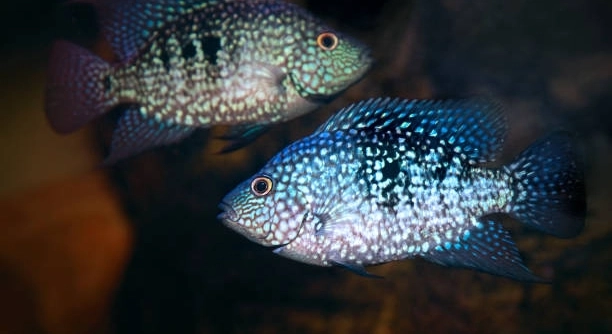
Jack Dempsey fish are colorful and energetic freshwater fish that many aquarium owners enjoy keeping. Their lively behavior makes them fun to watch, but they can also be unpredictable and sometimes aggressive toward other fish in the tank.
Jack Dempsey fish can be trained to recognize feeding times and respond to simple cues through consistent routines and positive reinforcement. Gradual conditioning using hand-feeding and predictable signals improves their responsiveness and strengthens the bond with their owner.
Learning these techniques can make caring for your Jack Dempsey more enjoyable and reduce stress for both the fish and its owner.
Understanding Jack Dempsey Behavior
Jack Dempsey fish are naturally curious and territorial. They often patrol the tank, exploring hiding spots and reacting to movements outside their environment. Their behavior can vary depending on age, tank size, and the presence of other fish. Younger fish tend to be more skittish, while adults can become bolder over time. Feeding patterns are a key part of their daily routine, and they can learn to recognize specific signals for mealtime. Repetition and consistency are important if you want them to respond reliably. Observing their moods and preferences helps in designing a training plan that matches their natural instincts. Avoid sudden changes in tank setup or water parameters, as these can stress them and reduce responsiveness. Their bright colors often indicate good health, while dullness can signal illness or stress. Interactions with the fish should always be calm, patient, and consistent to encourage trust.
Training requires patience, but small improvements are noticeable quickly.
Daily routines like feeding and cleaning can be used as training opportunities. Consistent signals, such as tapping the tank lightly or using the same hand for feeding, help the fish recognize patterns. Treats or high-quality food can reinforce positive behavior. Over time, Jack Dempseys may swim toward the surface when they see a familiar hand or approach a specific area of the tank. Avoid rushing the process, as forcing interaction can stress the fish. Observing their responses allows for adjustments in timing, frequency, and reward type. Some fish may take longer to adapt, but steady practice leads to more predictable and cooperative behavior.
Simple Techniques for Training
Start with hand-feeding to get your Jack Dempsey used to your presence.
Using small, consistent rewards helps reinforce the behavior you want to see. Repetition is key for creating a predictable routine. You can teach your fish to follow your finger, come to a certain area of the tank, or respond to specific cues over time. Gradually increase the complexity of the exercises, keeping sessions short to prevent stress. Always observe their mood and stop if they appear anxious or aggressive. By combining patience, consistency, and positive reinforcement, even a naturally territorial fish like the Jack Dempsey can learn simple tricks. Structured training not only improves interaction but also stimulates their mind and reduces boredom. In addition, practicing these techniques helps you notice health changes early, as trained fish often show behavioral changes when unwell. Over weeks, small daily efforts result in a more responsive and engaged fish, making aquarium care both easier and more satisfying.
Preparing Your Tank for Training
A stable tank environment is essential before starting any training. Water temperature, pH, and cleanliness must be consistent. Jack Dempseys respond best in calm conditions with enough space to swim freely.
Consistent water conditions reduce stress and help the fish focus on training. Decorations and hiding spots should be arranged to allow open areas for interaction while still providing shelter. Avoid overcrowding the tank, as this increases aggression and limits movement. Feeding times should be predictable, and sudden changes in light or noise should be minimized. A stable environment makes it easier for the fish to recognize signals, associate actions with rewards, and develop reliable routines. Over time, the fish will become more comfortable with your presence and show clearer responses to training cues.
Introducing visual or tactile cues works better when the fish are familiar with their surroundings. Using small, safe gestures, like a tap on the tank or a hand signal, encourages them to associate actions with outcomes. Gradually, they can learn to respond to specific cues consistently, making training more effective.
Common Training Techniques
Hand-feeding is the easiest way to start teaching your Jack Dempsey simple behaviors.
Target feeding is another technique that can guide movement and build trust. Use a small floating food pellet or a feeding stick to encourage the fish to swim to specific areas. Start by rewarding basic actions like following the target or coming to a certain spot. Once the fish understands simple tasks, you can introduce more complex cues, like circling an object or responding to light taps. Keep training sessions short, and always use positive reinforcement to avoid stress or aggression.
Consistency is crucial for success. Daily, brief sessions work better than long, irregular attempts. Pay attention to the fish’s mood, and adjust the timing or type of reward as needed. Over weeks, repeated practice strengthens recognition and response to cues. Structured techniques also help monitor the fish’s health, as a responsive fish is generally a healthy one. By combining routine, patience, and simple rewards, Jack Dempseys can learn predictable behaviors, improving interaction and enjoyment in the tank.
Timing and Consistency
Regular training sessions at the same time each day improve learning. Jack Dempsey fish respond better when routines are predictable and brief.
Short, consistent sessions prevent stress and help the fish retain cues. Daily repetition strengthens recognition and encourages reliable responses over time.
Using Positive Reinforcement
Rewards like high-quality pellets or small live food motivate Jack Dempseys to repeat desired behaviors. Immediate reinforcement ensures the fish associates the action with the reward. Gradually, this technique encourages more complex behaviors, such as following a target or responding to hand gestures. Avoid punishment, as it increases stress and reduces learning efficiency. Consistency in reward type and timing is key for progress. Over weeks, the fish begins to anticipate rewards and responds faster, creating a smoother training experience that benefits both behavior and interaction with the owner. Patience and observation are essential throughout the process.
Avoiding Stress
Overcrowding and sudden changes in the tank can hinder training and make fish anxious.
FAQ
Can Jack Dempsey fish learn tricks like other fish?
Yes, they can learn simple behaviors like following a hand, responding to tapping, or coming to a specific area of the tank. While they may not perform complex tricks, consistent training and positive reinforcement help them recognize cues and respond reliably.
How long does it take to train a Jack Dempsey?
Training progress depends on the fish’s age, temperament, and your consistency. Some fish respond in a few days, while others may take weeks. Short, daily sessions are more effective than long or irregular ones. Patience is key to steady improvement.
What is the best way to start training?
Begin with hand-feeding and simple gestures. Use small, predictable rewards like pellets or live food. Repeating actions like coming to your hand or following a target helps the fish associate cues with outcomes. Avoid rushing, and keep sessions brief.
Can training reduce aggression in Jack Dempsey fish?
Yes, structured interaction through training can reduce boredom-related aggression. When fish focus on predictable tasks and rewards, they are calmer and less likely to attack tankmates. However, aggression can still occur, especially in small tanks or with incompatible species.
Do I need special equipment for training?
No special equipment is required. Basic items like feeding sticks, floating pellets, or small target objects work well. The key is consistency, timing, and rewards rather than fancy tools. Simple, safe objects can guide movement and reinforce behaviors effectively.
How often should I train my Jack Dempsey?
Short sessions once or twice daily are ideal. Overtraining can stress the fish, while too few sessions slow learning. Aim for 5–10 minutes per session, observing how the fish responds. Gradually, they will begin to anticipate cues and rewards.
What signs show my fish is learning?
Responses like approaching the hand, following a target, or swimming to a designated area indicate learning. Increased confidence and curiosity are good signs. If the fish avoids interaction or shows stress, adjust timing, rewards, or tank conditions.
Can Jack Dempseys be trained to eat from your hand?
Yes, hand-feeding is a common first step. Start by placing food near the tank edge, then gradually feed from your hand. With patience, they will associate your presence with food and come closer, strengthening trust and interaction.
Will all Jack Dempsey fish respond to training?
Not every fish learns at the same pace. Individual temperament plays a role. Some may remain cautious or less responsive, while others adapt quickly. Consistency, patience, and observation help maximize each fish’s potential.
Is training stressful for Jack Dempseys?
When done correctly, training is not stressful. Keeping sessions short, predictable, and positive prevents anxiety. Avoid forcing interaction or overcrowding the tank. Observing behavior and adjusting cues ensures the fish stays comfortable and engaged.
Can training help monitor health?
Yes, trained fish often show changes in behavior if they become ill. Reduced responsiveness, hiding, or lack of appetite during training can indicate stress or health issues, allowing for early intervention.
What mistakes should I avoid when training?
Common mistakes include inconsistent routines, overfeeding, sudden tank changes, and punishment. These can stress the fish or make learning slower. Focus on positive reinforcement, short sessions, and steady observation to build reliable behavior.
Can trained Jack Dempseys interact with other fish safely?
Training can reduce boredom and aggression, but compatibility with other species is essential. Avoid housing them with much smaller or highly passive fish, as natural territorial instincts remain strong despite training. Proper tank size and hiding spots help manage interactions.
How do I keep the fish motivated during training?
Use favorite foods as rewards and vary the type occasionally. Short sessions with immediate reinforcement keep them interested. Avoid overfeeding outside of training to maintain motivation for positive responses.
Are there advanced behaviors I can teach?
Once basic cues are established, you can encourage behaviors like swimming through objects, following targets, or responding to light taps. Complexity should increase gradually, always maintaining patience and positive reinforcement.
Can juveniles and adults be trained the same way?
Yes, but juveniles may be more skittish, requiring slower introduction. Adults are bolder but may have established habits that take longer to adjust. Tailor sessions to age, size, and temperament for the best results.
Is training worth the effort?
Yes, training improves interaction, reduces stress, and helps monitor health. It strengthens trust and makes the fish more predictable, enhancing the overall aquarium experience. Even small progress can make caring for a Jack Dempsey more rewarding and enjoyable.
How do I handle setbacks during training?
If progress slows or fish seem stressed, pause sessions and reassess tank conditions, timing, or rewards. Returning to simpler cues and shorter sessions often restores progress. Patience and consistency are crucial to overcoming challenges in training.
Can I train multiple Jack Dempseys at once?
It is possible but requires careful observation. Fish may compete for food or display aggression. Training one fish at a time usually works better, gradually including others once basic responses are established. Maintaining space and separate targets helps prevent conflicts.
Are there specific signs the fish enjoys training?
Curiosity, approaching the hand, and following cues indicate engagement. Relaxed swimming and bright coloration suggest comfort and interest. Avoiding interaction, hiding, or darting quickly signals stress, requiring adjustments to the approach.
Can training help with feeding problems?
Yes, training can encourage selective eaters to respond to hand-feeding or target feeding. Gradually introducing new foods during training helps diversify their diet and improves appetite while reinforcing positive behavior.
How long should I continue training once behaviors are learned?
Regular reinforcement keeps behaviors reliable. Short, occasional sessions maintain responsiveness. Neglecting training for long periods may cause fish to forget cues, so occasional practice is beneficial for consistency and engagement.
Is it normal for some days to be less successful?
Yes, fish can be moody or influenced by minor tank changes. Skipping a day or adjusting session timing is normal. Observing behavior and maintaining overall consistency ensures long-term success.
Can training make the fish more social with humans?
Yes, consistent positive interaction increases comfort with human presence. Trained Jack Dempseys often swim closer and respond faster to hand signals, enhancing engagement and enjoyment in the tank environment.
Are there age limits for starting training?
Juveniles and adults can both learn, but very young fish may be too small or timid initially. Starting with slightly older juveniles often produces faster results, though adults can also adapt with patience.
Do tank size and layout affect training success?
Yes, larger tanks with open areas and hiding spots create safer environments for learning. Crowded or stressful layouts reduce responsiveness and may increase aggression, slowing progress. Proper space encourages curiosity and consistent interaction.
Can training improve overall fish health?
Yes, training provides mental stimulation and predictable routines, reducing stress and encouraging natural behaviors. It also helps you notice early signs of illness or stress, contributing to better long-term health and well-being.
What if my Jack Dempsey refuses to respond?
Some fish are naturally cautious or shy. Reducing stress, shortening sessions, or adjusting rewards can help. Patience and small steps often lead to gradual improvement, even with reluctant individuals.
Can I use toys or objects in training?
Yes, floating targets, small rings, or other safe objects can guide movement. Start simple and gradually increase complexity, always pairing objects with rewards. Avoid items that can injure the fish or create unnecessary stress.
Is it possible to train Jack Dempseys alongside other tank mates?
Yes, but interactions must be monitored. Aggression can occur, especially during feeding. Training one fish at a time or using separate areas minimizes conflicts and ensures consistent learning without stress.
How do I know if training is helping my fish mentally?
Increased curiosity, faster responses, and more confident swimming indicate mental stimulation. Training encourages natural behaviors and provides structured activity, improving engagement and overall well-being in the tank.
Are there risks to training Jack Dempseys?
If sessions are too long, inconsistent, or stressful, fish may become anxious or aggressive. Following short, positive, and predictable routines minimizes risk while maximizing learning and interaction benefits.
Can trained fish teach others in the tank?
While fish do not teach in a human sense, observing trained fish can encourage curiosity in others. Gradually introducing other fish to cues may lead to mild imitation or increased responsiveness over time.
What is the best reward type for Jack Dempseys?
High-quality pellets, live food, or favorite treats work best. Immediate rewards reinforce actions clearly. Avoid overfeeding outside training to maintain motivation. Rotate food types to keep sessions interesting and beneficial for health.
Is it necessary to record progress?
Tracking responses, timing, and preferred rewards helps refine techniques. Noting successful cues and behaviors allows you to adjust sessions and ensure steady improvement, especially with multiple fish or long-term training plans.
Can training help with tank maintenance?
Indirectly, yes. Trained fish that respond predictably are easier to manage during cleaning or moving items. Predictable behaviors reduce stress for both fish and owner, making maintenance smoother and safer.
Should I end sessions immediately if the fish shows stress?
Yes, stopping or reducing session length prevents negative associations. Resume later with shorter, gentler exercises once the fish appears calm. Consistency and comfort are more important than forcing progress.
Do Jack Dempseys retain learned behaviors long-term?
Yes, with regular reinforcement. Predictable routines and occasional practice maintain responsiveness. Fish that go without training for extended periods may forget cues, so occasional refreshers help keep behaviors sharp.
Can I combine multiple training techniques?
Yes, using hand-feeding, target training, and visual cues together is effective. Combining approaches keeps the fish engaged, reinforces learning, and encourages more consistent behavior, as long as sessions remain brief and positive.
How do I adjust training for different temperaments?
Observe individual behavior. Shy fish may need slower introduction and smaller rewards, while bold fish may handle more complex cues quickly. Adapting pacing, reward type, and session length ensures each fish can learn comfortably.
Can training improve feeding efficiency?
Yes, guided training ensures fish eat in designated areas, reducing wasted food and preventing dominance issues. Structured sessions help maintain proper nutrition and create a calmer feeding environment for all tank inhabitants.
Are there environmental cues that aid training?
Consistent lighting, predictable feeding times, and minimal sudden noise support learning. Familiar surroundings help fish focus on cues and associate actions with rewards. Sudden changes can disrupt progress or cause stress.
Do Jack Dempseys show signs of boredom if not trained?
Yes, restless swimming, aggression, or hiding can indicate a lack of mental stimulation. Structured training provides activity, reduces boredom, and encourages natural behaviors, improving overall well-being.
How can I make training more enjoyable for my fish?
Keep sessions short, positive, and predictable. Use favorite foods, gentle cues, and small challenges. Adjust timing, observe responses, and provide variety within safe limits to maintain interest and engagement.
Is there a recommended session length?
Five to ten minutes is ideal. Short sessions prevent stress while allowing repeated practice. Longer sessions can tire or overwhelm the fish, reducing effectiveness. Consistency is more important than duration.
What if my fish loses interest over time?
Rotate rewards, vary cues, or shorten sessions to re-engage the fish. Sometimes minor tank changes or environmental adjustments can restore motivation. Observation and flexibility help maintain progress.
Are there safety concerns during training?
Avoid sharp objects, overcrowding, and sudden movements. Keep hands gentle and rewards small to prevent choking. Ensure tank conditions remain stable to prevent stress or accidents. Safe, calm interaction is essential.
Can trained fish recognize specific people?
Yes, repeated exposure to one person, consistent gestures, and feeding cues help fish recognize and respond more quickly to that individual, strengthening trust and interaction over time.
Does training require feeding outside regular meals?
Not necessarily. Use small portions during sessions to avoid overfeeding. Adjust overall daily food to account for rewards. Controlled portions maintain motivation while ensuring proper nutrition.
Can stress affect training outcomes?
Yes, stressed fish respond slower and may avoid interaction. Minimize environmental changes, maintain water quality, and keep sessions brief to ensure positive learning experiences.
Is it normal for progress to plateau?
Yes, fish may reach a temporary plateau. Adjusting session timing, rewards, or complexity can help. Patience and consistent reinforcement usually restart improvement.
Can trained fish help introduce new tank mates?
Trained fish are calmer and more predictable, which can reduce stress when adding new fish. However, aggression and territorial instincts still require careful monitoring.
How do I know when training is successful?
Reliable responses to cues, reduced aggression, and consistent engagement indicate success. A comfortable, curious fish that anticipates rewards demonstrates effective learning and a positive interaction pattern.
Can I train a Jack Dempsey alone or with others observing?
Training one fish at a time is most effective. Others can observe, but avoid forcing interaction to prevent stress. Gradual inclusion helps other fish adapt without conflict.
Does tank size influence training success?
Yes, larger tanks with open swimming areas allow safer movement and clearer cues. Overcrowded tanks reduce response accuracy and may increase stress, making training less effective.
Can I use lights as cues?
Yes, gentle light changes or signals can guide behavior, but consistency is essential. Pair lights with rewards to reinforce associations and prevent confusion.
How do I track progress effectively?
Record responses, session length, and reward type. Notes help refine techniques, identify preferences, and ensure steady improvement. Tracking is especially useful for multiple fish or long-term plans.
Are there signs the fish dislikes training methods?
Avoidance, darting, hiding, or aggression indicate stress. Adjust session length, rewards, or cues immediately. Positive experiences are crucial for continued learning.
Can training help with health issues?
Yes, responsive fish make it easier to monitor appetite, energy, and behavior. Changes during sessions can signal illness, allowing early intervention.
Do fish ever forget trained behaviors?
If reinforcement stops for long periods, fish may forget cues. Occasional practice maintains reliability and keeps responses consistent.
How can I make advanced behaviors easier to teach?
Break tasks into small steps, reward intermediate successes, and increase complexity gradually. Patience and consistent cues ensure learning remains positive and effective.
Is there a difference between training males and females?
Males may be more territorial, affecting responsiveness. Females can be more cautious. Adjust pacing, rewards, and session length to match temperament rather than gender alone.
Can I combine feeding and training for efficiency?
Yes, using mealtime as a training opportunity reinforces cues while maintaining proper nutrition. Just ensure portions remain controlled to prevent overfeeding.
What should I do if two trained fish compete for rewards?
Separate training sessions or use different areas. Avoid simultaneous feeding if aggression appears. Gradually, fish may learn to wait or respond independently.
Are Jack Dempseys smarter than other cichlids?
They are similar in intelligence to other medium-to-large cichlids. Their responsiveness depends on temperament, patience, and training consistency, rather than innate superiority.
Can training reduce aggression during tank maintenance?
Yes, fish familiar with hand signals or predictable cues are calmer when interacting during cleaning. Structured routines help minimize stress for both fish and owner.
Is training worth the time investment?
Yes, it improves interaction, reduces stress, provides mental stimulation, and helps monitor health. Even small daily sessions create noticeable benefits in behavior and engagement.
How do I maintain interest in long-term training?
Rotate rewards, vary cues, and keep sessions brief. Observation and flexibility prevent boredom and sustain motivation over time.
Can I teach multiple cues at once?
Start with one behavior at a time. Once mastered, gradually introduce new cues. Combining too many tasks initially may confuse the fish.
Are there behavioral signs of boredom during training?
Restlessness, ignoring cues, or repetitive swimming may indicate low stimulation. Adjust session type, reward, or timing to re-engage the fish.
Can environmental enrichment complement training?
Yes, adding plants, rocks, and hiding spots encourages natural behaviors and supports learning. Enrichment combined with training improves mental and physical well-being.
Does age affect learning ability?
Younger fish may adapt faster but are more timid. Adults are bolder but may have habits that slow training. Adjust techniques to each fish’s age and temperament.
How do I prevent training from becoming stressful?
Keep sessions short, predictable, and positive. Avoid overcrowding, sudden movements, or inconsistent rewards. Observation and flexibility ensure the fish stays comfortable and engaged.
Are there risks of overfeeding during training?
Yes, giving too many treats can affect health. Use small portions and adjust daily food accordingly to maintain nutrition and motivation.
Can Jack Dempseys recognize themselves in a mirror?
Not in the human sense, but they may respond to reflections as another fish. Mirrors can sometimes be used cautiously for temporary stimulation, but not as a primary training tool.
Is repetition important in training?
Yes, repeated cues and rewards strengthen recognition and behavior. Consistency is more important than session length, ensuring reliable responses.
Can training help manage tank aggression overall?
Yes, structured interaction reduces boredom and provides predictable stimulation, lowering aggression. Proper tank setup and careful monitoring are still necessary for safety.
How do I know when to stop a session?
If the fish shows stress, ignores cues, or becomes aggressive, end the session. Short, positive interactions are more effective than prolonged attempts.
Do Jack Dempseys respond to sound cues?
They may notice vibrations or tapping but cannot distinguish complex sounds. Gentle, consistent taps can serve as training cues when paired with rewards.
Can training make feeding more efficient for multiple fish?
Yes, trained fish respond quickly to cues, reducing wasted food and ensuring more controlled feeding sessions. Separate targets can help manage multiple fish.
Is it possible to train shy Jack Dempseys?
Yes, but it requires slower introductions, smaller rewards, and short sessions. Gradual exposure helps build confidence and responsiveness over time.
Can training prevent stress during tank changes?
Familiar cues and routines make fish more predictable and reduce stress when adjusting the tank or moving items. Predictability improves comfort and learning.
What should I do if progress slows?
Review cues, reward type, session timing, and tank conditions. Returning to simpler tasks often restores responsiveness. Patience is key to overcoming plateaus.
Can trained fish improve interaction with humans?
Yes, trained Jack Dempseys are more likely to approach hands, follow cues, and show curiosity, enhancing engagement and enjoyment in the aquarium.
**Are there health benefits to
Training Jack Dempsey fish can feel challenging at first, but it is rewarding when you see progress. These fish are naturally curious and territorial, which means they respond best to patience and consistency. Simple actions, like hand-feeding or using a target, help them associate cues with rewards. Short, predictable sessions keep the fish engaged without causing stress. Over time, small improvements add up, and the fish begins to show behaviors that indicate recognition, trust, and comfort. Even minor successes, like approaching your hand or swimming to a target, make caring for them more enjoyable and allow you to interact in a more controlled and predictable way.
Consistency and observation are key elements in training. Jack Dempseys respond better when routines are stable, including regular feeding times, calm water conditions, and minimal sudden changes in the tank environment. Using positive reinforcement, such as favorite foods or small treats, encourages the fish to repeat desired behaviors. It is important to remember that every fish has its own personality and learning pace. Some fish may take only a few days to respond, while others may need several weeks. Watching their reactions carefully allows you to adjust training methods, session lengths, and rewards, helping the fish feel comfortable and confident throughout the process.
Training Jack Dempseys also benefits their overall health and well-being. Structured routines and mental stimulation reduce stress, encourage natural behaviors, and make it easier to notice changes in appetite or activity that could signal illness. Training sessions provide an opportunity to reinforce positive interactions while maintaining a calmer, more predictable environment. Even if the fish does not perform advanced tricks, the small skills they learn improve communication and responsiveness, making daily care smoother. With patience, short sessions, and consistent rewards, Jack Dempseys can thrive, respond reliably, and enjoy a more enriched life in the aquarium.

Hello,
If you enjoy the content that we create, please consider saying a "Thank You!" by leaving a tip.
Every little bit helps us continue crafting quality advice that supports the health, happiness, and well-being of pets around the world, for pets of all shapes, sizes, and species.
We really appreciate the kindness and support that you show us!