
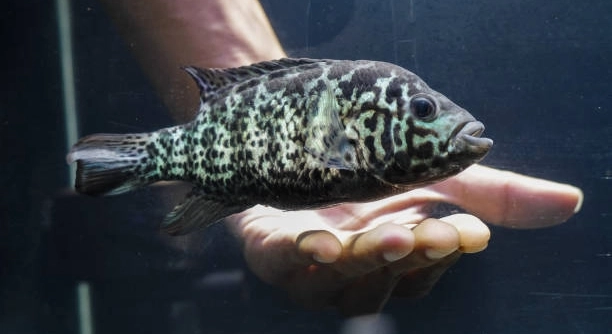
Jack Dempsey fish are lively and colorful, making them a popular choice for home aquariums. They need the right environment to stay healthy, and temperature plays a key role in their daily activity and comfort.
The optimal water temperature for Jack Dempsey fish ranges from 75°F to 82°F (24°C to 28°C). Maintaining this range supports their metabolism, immune system, and overall well-being, ensuring proper growth and minimizing stress-related health issues in captivity.
Maintaining the right temperature is just one part of keeping your Jack Dempsey fish healthy. Other care details work together to create a stable and comfortable home for these vibrant fish.
Understanding Jack Dempsey Fish Temperature Needs
Jack Dempsey fish are sensitive to changes in water temperature, and keeping it stable is crucial. Sudden drops or rises can stress them, making them more prone to disease. These fish are naturally found in warm waters, so replicating that environment is important. I noticed that even small temperature swings affect their behavior, making them less active or hiding more than usual. Using a reliable aquarium heater and thermometer helps maintain consistent warmth. Avoid placing the tank near windows or vents where temperature can fluctuate. A steady range of 75°F to 82°F keeps them healthy and active, allowing proper digestion and immune function. Monitoring temperature daily and adjusting as needed prevents long-term health problems. While it may seem minor, temperature directly impacts feeding habits, color vibrancy, and breeding behaviors. Creating a stable, warm environment makes caring for Jack Dempsey fish much easier and more rewarding.
Maintaining a consistent temperature helps your fish stay active and stress-free. Small fluctuations can create noticeable changes in their behavior.
Stable water temperature allows Jack Dempsey fish to swim freely, feed regularly, and interact normally. When water is too cold or too hot, they may become sluggish, refuse food, or show signs of stress. Consistency in temperature supports natural behavior patterns, encouraging better overall health. Observing their reactions over time helps fine-tune conditions, ensuring the tank remains comfortable. Regular checks with a thermometer and adjustments to heaters or placement prevent problems before they become serious. This small step can improve their lifespan, energy, and appearance, making it easier to enjoy their vibrant personality and natural activity in your aquarium.
How to Monitor and Adjust Water Temperature
Using a thermometer is the first step to keeping track of your tank’s temperature. Regular checks give peace of mind and prevent sudden stress.
Heaters with adjustable settings work well for Jack Dempsey fish. I use a heater with a built-in thermostat to maintain the proper temperature range. Positioning it where water flows evenly helps prevent hot or cold spots. Avoid cheap heaters that can malfunction or provide uneven heat. For larger tanks, consider multiple heaters for balance. Sudden temperature shifts can be harmful, so adjust gradually if needed. In addition to heaters, room temperature and lighting affect water warmth. Nighttime drops may require additional heat, while strong sunlight can overheat the tank. Monitoring consistently and making small, careful adjustments ensures the fish remain comfortable. Proper equipment, regular observation, and attention to environmental factors make temperature management simple and effective. Keeping water stable encourages active swimming, healthy appetite, and vibrant coloration, which enhances the enjoyment of caring for Jack Dempsey fish.
Effects of Incorrect Water Temperature
Water that is too cold slows Jack Dempsey fish metabolism, making them less active and more prone to illness. High temperatures increase stress and reduce oxygen levels, affecting their overall health and behavior.
Prolonged exposure to temperatures outside the 75°F to 82°F range can lead to serious health problems. Cold water can make them lethargic, reduce appetite, and weaken their immune system, making infections more likely. Hot water, on the other hand, speeds up metabolism too much, increasing oxygen demand and stress. I have seen fish in warmer water become restless and aggressive, while colder conditions often leave them hiding and refusing food. Monitoring and adjusting water temperature consistently prevents these issues and keeps fish comfortable.
Temperature fluctuations can also affect breeding and coloration. Jack Dempsey fish may lose vibrancy when water is too cold, and excessive warmth can disrupt natural behaviors. Regular checks with a thermometer and careful heater adjustments maintain balance. Small changes over time matter, and consistent temperature helps fish thrive, stay active, and display their natural beauty.
Choosing the Right Equipment
A reliable aquarium heater with a thermostat ensures stable water temperature. I prefer models with precise control to avoid sudden shifts.
Selecting the proper heater depends on tank size and fish quantity. Small tanks require lower wattage heaters, while larger tanks benefit from more powerful units or multiple heaters for even warmth. I place the heater near water flow to distribute heat evenly. Combining this with a thermometer allows constant monitoring and quick adjustments. Quality heaters reduce the risk of malfunction, and some have automatic shut-off features for safety. Maintaining consistent warmth supports activity, feeding, and overall health.
In addition to heaters, room placement affects stability. Avoid direct sunlight, drafty areas, or near air conditioning vents. These factors can create hot or cold spots, causing stress. Using a reliable thermometer and monitoring regularly ensures the environment remains optimal. I also adjust heaters slowly if temperature changes are needed to prevent shock. Proper equipment, careful placement, and daily observation work together to maintain a comfortable habitat. Jack Dempsey fish thrive with stable conditions, showing vibrant colors, active behavior, and reduced disease risk.
Maintaining Stable Water Temperature
Sudden temperature changes stress Jack Dempsey fish and affect their behavior. I make sure the tank stays within 75°F to 82°F to keep them active and healthy.
Using a reliable thermometer and checking it daily helps catch any shifts early. I adjust heaters gradually to avoid shocking the fish.
Seasonal Temperature Adjustments
Room temperature fluctuations during different seasons can impact water warmth. In winter, I increase heater settings slightly, while in summer, I monitor for overheating caused by sunlight or warm indoor air. Gradual adjustments prevent stress and maintain consistent conditions for the fish.
Common Temperature Mistakes
Many mistakes come from relying only on room temperature. I have seen fish suffer when heaters are too weak, thermostats are inaccurate, or water warms too quickly. Regular monitoring and proper equipment prevent these errors and support long-term health.
Using Thermometers Effectively
Digital or stick thermometers give reliable readings. I place them at different points in the tank to ensure even temperature throughout.
FAQ
What is the best water temperature for Jack Dempsey fish?
The ideal range is 75°F to 82°F (24°C to 28°C). Keeping water within this range ensures proper metabolism, immune function, and normal activity. I have noticed that fish outside this range become sluggish in cold water or overly restless in warmer water. Consistency matters more than hitting an exact number.
Can Jack Dempsey fish tolerate lower temperatures?
They can survive slightly cooler water for short periods, but prolonged exposure below 75°F weakens their immune system. I once saw a tank drop to 72°F, and the fish stopped eating and hid almost constantly. Even small dips over time can cause long-term health issues.
What happens if the water is too warm?
Temperatures above 82°F can increase stress, reduce oxygen levels, and make the fish more aggressive. I have observed restless swimming and decreased appetite in warmer water. Gradually cooling the tank with careful adjustments and aeration helps restore normal behavior.
How do I keep water temperature stable?
Using a reliable heater with a thermostat and a thermometer is key. I place heaters near water flow to distribute heat evenly and check readings daily. Avoid tanks near vents, windows, or direct sunlight, which can cause sudden shifts. Stability prevents stress and illness.
Do I need different heaters for large tanks?
Yes, larger tanks may require multiple heaters or higher wattage units to maintain even warmth. I split heaters across the tank to avoid hot or cold spots. Uneven heating can make fish hide in certain areas and affect feeding.
How often should I check the water temperature?
Daily checks are best. I keep a thermometer in a visible spot and record readings if needed. Sudden drops or rises can happen quickly, especially in rooms with fluctuating temperatures. Regular monitoring lets you adjust before fish experience stress.
Can Jack Dempsey fish survive without a heater?
They might survive in very warm climates, but in most indoor tanks, a heater is essential. I have tried unheated tanks in mild rooms, and the fish showed less activity and slower growth. Heaters ensure consistent, safe temperatures.
How do seasonal changes affect tank temperature?
Winter can drop room temperature, requiring slight increases in heater settings. Summer heat may overheat the water, especially in tanks near sunlight. I monitor temperature more closely during seasonal shifts and adjust slowly to avoid shocking the fish.
Is it okay to change the water temperature quickly?
No, sudden changes can shock Jack Dempsey fish. I always adjust temperature gradually, usually no more than 1°F per hour. Rapid changes can lead to hiding, loss of appetite, or even illness. Patience keeps fish healthy and comfortable.
Do water filters affect temperature?
Filters themselves don’t heat or cool water, but they improve circulation, which distributes warmth evenly. I make sure water flows past heaters and around the tank to prevent hot or cold spots. Good circulation supports consistent temperature and oxygenation.
Can I use a thermometer alone without a heater?
A thermometer only measures temperature; it doesn’t control it. I always pair a thermometer with a reliable heater. Monitoring without heating is useful only in tanks naturally maintaining 75°F to 82°F, which is rare indoors.
What signs show my Jack Dempsey is stressed by temperature?
Lethargy, hiding, loss of appetite, and unusual aggression are common signs. I once observed fish refusing food after a night of cooler temperatures. Quick temperature adjustments and stable monitoring usually resolve these behaviors.
Are digital thermometers better than stick thermometers?
Digital thermometers provide faster, more precise readings, while stick thermometers are slower but still effective. I use both to double-check readings, ensuring accuracy. This helps catch fluctuations early and maintain optimal conditions.
How does water temperature affect coloration?
Jack Dempsey fish show duller colors in water that is too cold or stressed from temperature swings. I noticed their natural vibrancy improves when water remains consistent in the ideal range. Stable warmth supports bright, healthy coloring naturally.
Can breeding be affected by water temperature?
Yes, breeding is sensitive to water temperature. I’ve seen fish less likely to spawn in cooler or overly warm conditions. Maintaining 78°F to 80°F encourages normal breeding behavior while keeping fish healthy. Stable, slightly warmer water helps with egg development and fry survival.
Do I need to adjust temperature when adding new fish?
New fish may come from different conditions, so gradual acclimation is key. I float the bag in the tank and slowly mix tank water over an hour. Sudden temperature changes can stress both new and existing fish.
Is it okay to rely on room temperature alone?
Room temperature alone is rarely sufficient, especially in climates with fluctuations. I’ve tried relying on natural warmth, and fish activity dropped significantly. Heaters and thermometers are a safer way to maintain optimal and consistent conditions.
How do I prevent temperature-related illness?
Consistent temperature, gradual adjustments, proper heater placement, and daily monitoring reduce the risk of illness. I also ensure good water quality and oxygenation. Stable warmth supports metabolism, immune function, and natural behavior, keeping Jack Dempsey fish healthy over time.
What is the easiest way to maintain ideal temperature long-term?
Using a high-quality heater with an accurate thermostat, placing the tank properly, and checking the thermometer daily works best. I combine this with slow adjustments during seasonal changes. This method keeps the tank stable, reduces stress, and promotes vibrant, active fish.
Can temperature changes affect feeding habits?
Yes, fish eat less in colder water and may become aggressive in warmer water. I have seen appetite return once the temperature stabilized. Consistent warmth encourages regular feeding and proper digestion, which is essential for growth and overall health.
Are there any tools to automate temperature control?
Advanced heaters with built-in thermostats maintain set temperatures automatically. I use one that shuts off when reaching the desired warmth. This reduces daily adjustments and helps prevent mistakes, ensuring long-term stability for the fish.
How important is water circulation with temperature control?
Even water circulation helps distribute heat evenly and prevents hot or cold spots. I rely on filters and proper placement to maintain consistent conditions, which improves fish activity, feeding, and comfort. Proper circulation complements heaters for a stable tank environment.
Can sudden lighting changes affect water temperature?
Yes, strong sunlight or intense aquarium lights can raise water temperature. I noticed tanks near windows heat up during summer. I adjust heaters and monitor carefully to avoid overheating and stress. Light placement matters alongside heaters and thermometers.
How long does it take for water to stabilize after adjustment?
It depends on tank size and heater power. I usually allow several hours to overnight for water to reach the target range safely. Gradual changes prevent shock and help fish acclimate naturally.
Are small tanks harder to maintain temperature in?
Yes, small volumes of water fluctuate faster. I check small tanks more frequently and use heaters designed for smaller tanks. Quick temperature changes can stress fish, so stability is more challenging but manageable with careful monitoring.
Do I need to adjust temperature for nighttime?
Nighttime drops can affect water, especially in unheated rooms. I slightly increase heater settings if necessary. Consistent temperature through day and night supports healthy metabolism and reduces stress. Gradual adjustments prevent shocking the fish.
How do I combine temperature and water changes safely?
I match the new water temperature to the tank and add it slowly. I’ve seen fish react poorly when cold water enters suddenly. Careful, gradual changes maintain stability and avoid stress or illness.
Can temperature affect aggression among Jack Dempsey fish?
Yes, warmer water can make them more territorial and aggressive. I maintain mid-range temperatures to reduce fighting and encourage calmer behavior. Balanced conditions make group housing easier and safer.
Is aeration important when adjusting temperature?
Yes, warmer water holds less oxygen, so aeration helps prevent stress. I use air stones or filter flow to maintain oxygen levels, especially during temperature increases. Proper aeration supports activity, feeding, and overall health.
How often should I replace or check heaters?
Regular checks are important to ensure functionality. I test heaters monthly and replace any showing inconsistent readings. Reliable equipment prevents sudden temperature changes and maintains a healthy environment.
Do Jack Dempsey fish prefer gradual seasonal changes?
Yes, slow seasonal adjustments prevent stress. I modify heater settings gradually during winter or summer. Sudden changes can affect appetite, activity, and immunity. Consistency ensures fish stay healthy year-round.
Can adding more fish affect water temperature?
Adding more fish slightly increases water heat from activity, but the effect is minimal in most tanks. I monitor temperature after introducing new fish to ensure it remains within the safe range. Proper monitoring prevents unnoticed fluctuations.
Does tank size affect temperature stability?
Larger tanks are more stable but harder to heat evenly. Smaller tanks fluctuate quickly. I adjust heater wattage and placement according to size, ensuring even warmth and a safe environment for Jack Dempsey fish.
Can improper temperature affect growth?
Yes, colder water slows growth and warmer water stresses metabolism. I maintain consistent warmth to support normal growth rates. Temperature directly influences feeding, digestion, and overall development.
How long can Jack Dempsey fish tolerate slight deviations?
Short-term deviations of a few degrees are usually tolerated, but prolonged exposure causes stress. I monitor daily and correct any fluctuations promptly to prevent health issues. Gradual, consistent conditions are better than brief extremes.
Are there signs of recovery after temperature correction?
Yes, fish become more active, resume feeding, and regain color. I noticed behavior improving within a day of stabilizing temperature. Recovery shows the importance of maintaining consistent warmth and preventing stress.
Does water chemistry interact with temperature?
Yes, temperature affects oxygen levels and chemical reactions in the tank. I keep pH, ammonia, and nitrate levels stable alongside temperature to prevent compounded stress. Balanced water chemistry works with warmth to ensure healthy fish.
Can I use multiple heaters for safety?
Yes, I often use two smaller heaters in larger tanks. If one fails, the other maintains warmth, reducing stress. Multiple heaters also help distribute heat evenly and prevent hot or cold spots.
How important is observation for temperature-related issues?
Daily observation of behavior, appetite, and swimming patterns helps identify problems early. I notice changes quickly, which allows me to adjust heaters or placement before stress affects health. Early intervention is key.
What is the easiest way to acclimate new fish to my tank’s temperature?
Float the bag in the tank and slowly mix tank water over an hour. Gradual acclimation prevents shock, ensures comfort, and reduces risk of illness from sudden temperature changes.
Can heaters fail unexpectedly?
Yes, malfunctions happen. I test heaters regularly and keep a backup ready. Unexpected failure can drop water temperature quickly, stressing Jack Dempsey fish. Monitoring with a thermometer mitigates risk.
Are there temperature ranges for different life stages?
Juveniles and adults thrive in the same 75°F to 82°F range. I avoid extremes for young fish, as they are more sensitive to stress. Stable temperature supports proper growth, feeding, and immune function.
How do I balance temperature and lighting?
I avoid direct sunlight and strong lights that raise water temperature. I check readings regularly and adjust heaters if lighting affects warmth. Balance prevents stress and maintains stable, comfortable conditions.
Can poor insulation affect temperature stability?
Yes, tanks near drafty windows or walls lose heat quickly. I use insulated backings or adjust heaters to compensate. Proper placement reduces sudden fluctuations and keeps Jack Dempsey fish healthy.
Is gradual cooling better than sudden?
Always. I reduce temperature slowly, no more than 1°F per hour. Sudden cooling shocks fish, affecting appetite, activity, and immunity. Gradual adjustments are safer and more effective for long-term health.
How do I handle temperature during power outages?
I use backup heaters, battery-operated heaters, or insulated covers to maintain warmth. Short outages are manageable, but prolonged drops require monitoring and gradual restoration to prevent stress. Being prepared keeps fish safe.
Can aquarium covers affect temperature?
Yes, they reduce evaporation and heat loss. I notice tanks with covered tops maintain more stable temperatures, especially in cooler rooms. Covers are simple but effective in temperature management.
Are there tools to alert me to temperature changes?
Yes, some digital thermometers have alarms for temperature deviations. I use one in my tank to receive alerts if water moves outside 75°F to 82°F. Quick notification prevents prolonged stress and potential health problems.
Does feeding schedule interact with temperature?
Yes, fish eat more actively in optimal warmth. I noticed appetite drops when water is too cold or too warm. Keeping temperature stable supports regular feeding and proper digestion.
Can temperature swings trigger disease?
Yes, stress from swings weakens immunity. I maintain consistent warmth and monitor water quality to prevent illness. Stable temperature helps fish resist infections naturally.
Is it better to slightly overheat or underheat the tank?
Neither. I maintain mid-range temperatures within 75°F to 82°F. Slight overheating or underheating increases stress, affects appetite, and can trigger aggression or lethargy. Consistency is safer.
How do I combine aeration with temperature control?
I use air stones or filter flow to maintain oxygen levels, especially in warmer water. Proper aeration complements heaters and ensures active, healthy fish.
Can decorations affect heat distribution?
Yes, large rocks or ornaments near heaters can create hot spots. I place heaters where water flows freely and avoid blocking circulation. Even distribution prevents stress and maintains stable conditions.
Are live plants affected by temperature?
Yes, most aquatic plants thrive within the same 75°F to 82°F range. Stable water temperature keeps plants healthy, which benefits water quality and provides a natural environment for Jack Dempsey fish.
Does water movement help maintain even temperature?
Yes, circulation prevents hot or cold areas. I rely on filters and careful placement to distribute heat evenly. Stable flow supports fish comfort and overall tank balance.
How do I correct temperature after noticing fish stress?
I check the thermometer, adjust heaters gradually, and ensure circulation is even. Observing fish behavior guides fine-tuning. Gradual correction reduces stress and restores normal activity.
Are all heaters suitable for Jack Dempsey tanks?
No, I choose heaters rated for the tank size and with accurate thermostats. Cheap or undersized heaters can fail or create uneven warmth, stressing fish. Proper equipment ensures stable conditions.
Can temperature affect aggression between male and female fish?
Yes, warmer water may increase territorial behavior. I maintain mid-range temperatures to reduce fights and support calmer interactions. Balanced conditions help pair bonding and reduce stress.
Is it safe to leave heaters on when away?
Yes, reliable heaters with thermostats can run continuously. I ensure backup power or alarms in case of failure. Continuous warmth prevents sudden drops that stress Jack Dempsey fish.
Do temperature swings affect juvenile fish differently?
Yes, juveniles are more sensitive. I monitor smaller fish closely and maintain stable mid-range temperatures to support proper growth and survival. Sudden changes can stunt development or cause illness.
How does water depth affect temperature stability?
Deeper tanks are slower to change temperature, while shallow tanks fluctuate quickly. I adjust heater wattage and placement accordingly. Stable depth-based management prevents stress and ensures consistent conditions.
Can I use temperature control for breeding success?
Yes, slightly warmer water within the optimal range encourages spawning. I maintain stable temperature and monitor fish behavior to support egg laying and fry survival. Stability improves reproductive outcomes.
Are metal or glass tanks affected differently by temperature?
Metal tanks lose heat faster, glass tanks hold warmth longer. I adjust heaters and placement based on tank material. Knowing how your tank conducts heat helps maintain steady conditions.
Can tank location indoors affect temperature management?
Yes, rooms with drafts, air conditioning, or heating vents cause fluctuations. I place the tank in a stable area and monitor temperature closely. Proper placement reduces daily adjustments and stress for the fish.
Do heaters with timers work well?
Timers only turn heaters on or off; thermostats are essential. I use heaters with built-in thermostats and rely on timers only for lighting. This ensures consistent temperature without sudden changes.
How long should I wait after adjusting temperature before feeding?
I usually wait an hour to let water stabilize. Fish are less likely to eat immediately after changes, and gradual acclimation prevents stress. Stable feeding supports digestion and growth.
Can adding cold water during changes harm fish?
Yes, sudden cold water shocks them. I match water temperature and add it slowly. Gradual mixing prevents stress, ensures comfort, and maintains stability.
Are battery-operated heaters effective for emergencies?
Yes, they can maintain warmth temporarily during power outages. I keep one as a backup to prevent sudden drops that could stress or harm fish.
Do Jack Dempsey fish show visible stress from minor temperature changes?
Yes, even small deviations can affect swimming, appetite, and hiding behavior. I observe daily and adjust heaters gradually to keep them comfortable and healthy.
Can temperature affect water chemistry indirectly?
Yes, warmer water holds less oxygen, and chemical reactions may accelerate. I monitor pH, ammonia, and nitrate levels along with temperature. Stable warmth and chemistry support healthy fish.
Are heaters with alarms worth it?
Yes, I use one that alerts if water exceeds or drops below set ranges. Early warnings prevent prolonged stress and health issues, giving peace of mind.
Does frequent maintenance affect temperature?
Yes, adding cooler water during changes can alter temperature. I adjust slowly and monitor with a thermometer to maintain stability and prevent shock.
Can temperature swings cause long-term behavioral changes?
Yes, repeated stress from fluctuations can make fish hide, eat less, or become aggressive. I maintain stable conditions to encourage normal behavior and reduce stress over time.
Is it better to slightly underheat or slightly overheat at night?
I aim for mid-range consistency. Small deviations either way increase stress. Gradual, consistent temperature is safer than extremes.
Can heaters affect electrical safety in the tank?
Yes, I ensure heaters are properly rated, plugged safely, and checked regularly. Faulty equipment can cause failure or hazards, which also affects water temperature and fish health.
How do I balance feeding, water changes, and temperature control?
I monitor temperature first, adjust slowly, then feed. Water changes are done with matched-temperature water. Coordinating these steps reduces stress and maintains consistent conditions for Jack Dempsey fish.
Can aquarium lids prevent heat loss?
Yes, they reduce evaporation and help maintain warmth, especially in cooler rooms. I always cover my tanks to keep temperature stable and prevent sudden drops.
How do I recover fish after temperature-related stress?
Gradually restoring optimal temperature, maintaining water quality, and observing behavior allows recovery. I noticed activity and appetite return within a day when conditions stabilize.
Are there natural signs of proper temperature?
Yes, fish are active, feed regularly, show
Final Thoughts
Jack Dempsey fish are beautiful and active, but they need the right conditions to thrive. One of the most important factors is water temperature. Keeping the water between 75°F and 82°F creates a stable environment that supports their metabolism, immune system, and natural behavior. I have noticed that even small fluctuations can make them hide, eat less, or act unusually. By monitoring temperature daily and using a reliable heater and thermometer, you can prevent stress and help your fish stay healthy. Consistency matters more than exact numbers, and small adjustments over time are much safer than sudden changes.
Temperature also affects more than just daily activity. It influences their feeding, growth, color, and even breeding behavior. When the water is too cold, fish become sluggish and less interested in food. Too warm, and they may swim restlessly or show signs of stress. I have seen how proper temperature makes a noticeable difference in their vibrancy and behavior. Stable warmth allows them to swim naturally, interact with tankmates, and maintain bright, healthy colors. It also supports their overall well-being, reducing the risk of disease and making them more resilient. Proper temperature management is a key part of responsible fishkeeping, and it makes caring for Jack Dempsey fish much easier.
Maintaining ideal water temperature requires attention and the right equipment, but it is not complicated. Using a heater with an accurate thermostat, checking with a thermometer, and adjusting gradually during seasonal changes can create a safe and comfortable environment. I also find that proper tank placement, avoiding drafts, vents, and direct sunlight, helps keep temperature stable. Circulation from filters ensures even distribution of heat, while aeration supports oxygen levels in warmer water. Paying attention to these details ensures that Jack Dempsey fish remain active, healthy, and colorful. By focusing on stable water conditions, you create a tank where the fish can thrive naturally, and you can enjoy their personality and beauty for years.

Hello,
If you enjoy the content that we create, please consider saying a "Thank You!" by leaving a tip.
Every little bit helps us continue crafting quality advice that supports the health, happiness, and well-being of pets around the world, for pets of all shapes, sizes, and species.
We really appreciate the kindness and support that you show us!