
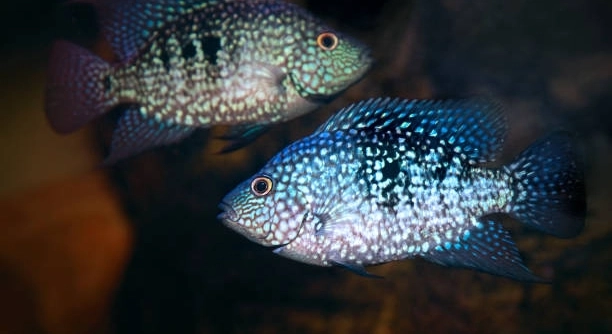
Do you ever wonder about forming a closer bond with your Jack Dempsey fish while feeding them? Many fish owners enjoy hand-feeding, seeing it as a way to connect and observe their fish up close in their tank environment.
Hand-feeding Jack Dempsey fish can be safe if proper precautions are taken. Ensuring your fish is calm, maintaining consistent feeding routines, and avoiding sudden movements reduces the risk of accidental bites while promoting trust between the fish and owner.
Learning the right approach can make feeding time both safe and enjoyable. We will explore the steps and tips to make hand-feeding effective for your fish.
Understanding Jack Dempsey Behavior
Jack Dempsey fish are naturally territorial and can show aggression, especially during feeding. They recognize movement and may react quickly if they feel threatened. Observing their behavior over time helps you anticipate reactions. Some fish are more tolerant of human interaction, while others prefer keeping distance. Slow, consistent movements when approaching the tank can help them feel secure. Feeding at regular times allows the fish to expect your presence and associate your hand with food rather than danger. Tank setup also matters; hiding spots and open swimming areas reduce stress and make hand-feeding easier. Over time, many Jack Dempseys become less reactive and more willing to accept food from your hand. Patience and understanding are key, as forcing interaction too quickly can lead to stress or defensive behavior.
Hand-feeding requires careful attention to the fish’s body language. Calm fish are more likely to accept food safely.
By observing their reactions, you can adjust your approach. Some owners use small pinchers or feeding sticks initially. Gradually, the fish may recognize your hand as non-threatening, but it takes days or weeks. Overfeeding should be avoided, as it can increase aggression and health issues. Consistency and patience are essential to develop a safe hand-feeding routine that benefits both you and the fish. Regular tank maintenance and water quality also impact their behavior, making them more receptive to interaction.
Safety Tips for Hand-Feeding
Start by offering food from a distance before moving closer to your hand.
Keep hands clean and free of strong scents. Avoid sudden movements that could startle the fish. Wear thin gloves if needed to reduce risk. Ensure the fish is not stressed or sick, as this increases the chance of bites. Always feed in calm, quiet conditions. Never force interaction; let the fish approach you. Small, soft foods are ideal to prevent aggressive snatching. Monitor the fish for signs of irritation or fatigue.
Establishing a safe routine involves understanding your fish’s habits and limits. Begin with short feeding sessions and increase duration gradually. Use consistent hand positions to allow the fish to predict where food will come from. Avoid tapping the glass or making loud noises, which can trigger defensive behavior. Provide adequate space and cover in the tank to reduce territorial tension. Watch for warning signs like flaring gills or rapid darting. If these appear, pause hand-feeding until the fish relaxes. Maintaining water quality, proper diet, and stress-free conditions ensures the fish stays healthy and more receptive. Over time, predictable routines help the fish associate your hand with positive experiences, reducing anxiety and aggression during feeding.
Preparing Your Hands for Feeding
Wash your hands thoroughly to remove soap residues and scents. Avoid wearing lotions or perfumes, as these can irritate the fish.
Clean hands reduce the risk of harming your fish. Oils or chemicals on skin can affect water quality and make the fish wary. Approach the tank slowly to let the fish adjust. Small, consistent movements prevent startling them. Some owners gently rinse hands in tank water to help the fish recognize your presence. Timing feeding sessions when the fish are calm increases safety. Hand-feeding becomes easier when your hands are predictable and non-threatening, which helps the fish associate them with food rather than danger. Consistency and patience are key.
Keeping your hands prepared also prevents accidental bites. Dry or slippery hands can cause food to fall awkwardly, triggering fast reactions. Using small pieces of food helps the fish take bites gently. Watching their behavior during feeding allows adjustments in hand positioning. Over time, predictable movements and proper hand preparation help the fish feel secure, making feeding safer and more controlled.
Choosing the Right Food
Use soft, easily digestible foods that your fish can grab gently from your hand. Avoid hard pellets that may cause aggressive snatching.
Small portions prevent competition and reduce the risk of bites. Frozen or live foods often work best, as they move naturally and encourage controlled feeding. Avoid overfeeding, which can increase aggression. Observe how your fish reacts to each type of food and adjust accordingly. Offering food in small amounts helps build trust and keeps the feeding experience safe for both you and the fish.
Rotating different types of soft foods keeps your Jack Dempsey interested and prevents dietary boredom. Slowly introducing new foods allows the fish to adapt without stress. Feeding in small, measured portions ensures the fish eats properly without creating territorial disputes in the tank. Live foods such as worms or brine shrimp encourage natural hunting behavior, making hand-feeding more engaging but controlled. Frozen foods can be slightly softened to reduce snapping and allow gentle bites. Maintaining variety and moderation promotes both safety and healthy nutrition, enhancing the hand-feeding experience consistently.
Observing Your Fish’s Mood
Watch your Jack Dempsey closely before feeding. Signs like flared gills or rapid movements indicate stress.
Feeding during calm moments reduces the risk of bites. Aggressive or restless behavior means it’s better to wait. Timing and patience are essential for safe hand-feeding.
Gradual Hand Introduction
Place your hand slowly in the tank without food. Let the fish swim around and get used to your presence. Consistency helps the fish recognize your hand as non-threatening. Repeating this process daily encourages trust and prepares the fish for actual feeding sessions. Patience is key to avoid stress or sudden reactions.
Avoiding Common Mistakes
Never force your hand into the tank. Quick movements can startle the fish and increase aggression.
Keeping sessions short and calm ensures a safe, positive experience for both you and your Jack Dempsey.
FAQ
Is it normal for my Jack Dempsey to nip at my fingers?
Yes, gentle nipping can happen, especially when the fish mistakes your fingers for food. Usually, it is exploratory rather than aggressive. Calm, slow movements during feeding reduce nipping, and using small, soft foods helps the fish take bites more gently. Observing your fish’s body language can prevent more serious bites.
How often should I hand-feed my Jack Dempsey?
Hand-feeding should be limited to once a day or a few times a week. Overfeeding can cause aggression and health issues. Regular feeding from bowls or automatic feeders maintains proper nutrition. Hand-feeding should supplement normal feeding routines rather than replace them entirely. Consistency in timing helps the fish recognize your presence safely.
Can hand-feeding stress my fish?
Yes, forcing interaction or approaching too quickly can stress your Jack Dempsey. Stress shows through darting movements, gill flaring, or hiding. Short, calm sessions minimize stress, allowing the fish to associate your hand with food rather than threat. Gradually increase interaction over several days or weeks for best results.
Do I need to wear gloves when hand-feeding?
Gloves are optional but can reduce the risk of accidental bites or scratches. Thin, clean gloves help prevent oils or residues on your hands from affecting water quality. Many owners prefer bare hands for better control, but gloves can be helpful for nervous fish or beginners.
What foods are safest for hand-feeding?
Soft foods like bloodworms, brine shrimp, or finely crushed pellets work best. Avoid large or hard pellets, which can trigger aggressive snatching. Offering small pieces encourages gentle bites and reduces accidents. Rotating foods prevents boredom and supports proper nutrition while keeping feeding safe.
How do I know if my fish is ready for hand-feeding?
A calm, curious Jack Dempsey that follows your hand without darting is ready. Fish that remain tense or hide need more observation. Patience is important; rushing can lead to stress or defensive behavior. Gradual exposure helps build trust and ensures safer hand-feeding.
Can hand-feeding make my fish aggressive?
If done incorrectly, yes. Overfeeding, sudden movements, or inconsistent routines may increase aggression. Safe hand-feeding emphasizes calm, predictable sessions and appropriate portions. Gradual trust-building reduces aggressive tendencies while letting the fish enjoy interaction safely.
How long does it take for a Jack Dempsey to accept hand-feeding?
It varies by individual fish. Some accept hand-feeding in days, while others take weeks. Patience and consistency are key. Daily, short sessions, combined with calm behavior and soft food, gradually teach the fish that your hand is a safe source of food.
Is it safe to hand-feed multiple fish at once?
It can be tricky. Jack Dempseys are territorial, so multiple fish may compete for food and become aggressive. If attempting hand-feeding with several fish, offer food in separate areas and observe reactions closely. Single-fish sessions are often safer and more controlled.
What precautions should I take during hand-feeding?
Always approach slowly, use clean hands, offer soft food, and stop if the fish shows stress signs. Ensure your tank has hiding spots to reduce tension. Avoid forcing interaction and limit session duration. Observing your fish’s reactions and adjusting your approach keeps hand-feeding safe and enjoyable.
Can hand-feeding improve my bond with the fish?
Yes, when done calmly and consistently, hand-feeding helps the fish associate you with food rather than fear. Trust develops over time through careful observation and gentle interaction. Safe hand-feeding can enhance connection while keeping the fish healthy and stress-free.
What should I do if my fish bites too hard?
Stop feeding immediately and give the fish space. Avoid sudden movements, as this can escalate stress. Review your hand-feeding technique: use smaller food pieces, slow hand movements, and calm timing. Reintroduce feeding gradually after the fish has relaxed to prevent repeated bites.
Are there signs that hand-feeding is unsafe for my fish?
Yes, persistent hiding, darting, gill flaring, or refusal to eat indicate stress. Stop hand-feeding if these behaviors occur. Ensure water quality, tank setup, and diet are proper. Resume interaction only when the fish shows calm, relaxed behavior and readiness to feed safely.
Can juveniles be hand-fed like adults?
Juvenile Jack Dempseys can be hand-fed, but they are often more skittish. Start with very small food portions and slow movements. Juveniles usually require shorter sessions. Gradual exposure and observation are essential to avoid stress and encourage safe feeding habits as they grow.
How do I make hand-feeding a positive experience?
Keep sessions calm, predictable, and brief. Use soft, small food, and watch the fish’s body language. Avoid forcing interaction or sudden movements. Over time, consistent routines and gentle feeding help the fish feel secure and confident, making hand-feeding enjoyable for both the fish and yourself.
Is hand-feeding necessary for a healthy Jack Dempsey?
No, it is not required. Hand-feeding is mainly for interaction and bonding. Proper diet, tank maintenance, and water quality ensure health. Hand-feeding is an optional supplement, not a replacement for normal feeding routines, but it can enhance your connection when done safely.
Can hand-feeding prevent aggression in the tank?
It can help if done correctly. Predictable, calm sessions teach the fish to trust your presence. However, territorial aggression may still occur. Safe hand-feeding encourages gentle bites during feeding times but does not completely remove natural territorial behavior in Jack Dempseys.
What mistakes do beginners commonly make?
Rushing interactions, using large food pieces, sudden hand movements, or feeding during high-stress times are common errors. Overfeeding and ignoring warning signs like flared gills increase the risk of bites. Learning to observe, be patient, and adjust methods is crucial for safe hand-feeding.
How do I gradually increase hand-feeding confidence?
Start with short, calm sessions. Use soft, small food, and allow the fish to approach your hand at its own pace. Gradually extend feeding duration and reduce distance. Consistency and patience encourage trust, making hand-feeding safer and more enjoyable over time.
Are there alternatives to direct hand-feeding?
Yes, feeding sticks or tweezers allow controlled placement of food while keeping your hand at a safe distance. This is helpful for nervous fish or beginners. It encourages interaction without risking bites and helps the fish get used to feeding from a source outside a bowl.
Can hand-feeding help identify health issues?
Yes, it allows close observation of eating behavior, bite strength, and responsiveness. Changes in appetite, hesitance, or unusual aggression can indicate illness or stress. Regular, calm hand-feeding sessions provide an opportunity to monitor your Jack Dempsey’s health closely.
How do I stop a fish from biting too aggressively?
Offer smaller, soft food pieces and avoid sudden movements. Reduce session length and allow the fish to approach at its own pace. Reinforce calm behavior with consistent feeding routines. Over time, these strategies can reduce aggressive nipping during hand-feeding.
Is hand-feeding safe for all tank setups?
It is safer in tanks with open swimming space and hiding spots. Crowded or poorly structured tanks increase territorial stress and risk of bites. Adequate space, clean water, and proper layout make hand-feeding safer and more controlled for Jack Dempseys.
How long should a hand-feeding session last?
Short sessions of one to three minutes are ideal. Longer sessions can increase stress, overfeeding, or aggression. Keeping sessions brief allows the fish to remain calm and attentive while reinforcing positive behavior during feeding.
Can hand-feeding be combined with other feeding methods?
Yes, hand-feeding is a supplement. Use regular feeding routines like automatic feeders or daily bowl feedings for proper nutrition. Hand-feeding is an interactive addition, not a replacement, allowing you to bond without compromising diet or health.
What if my Jack Dempsey refuses to take food from my hand?
Don’t force it. Begin with indirect feeding using tools or placing food near your hand. Gradually decrease distance over time. Patience is essential. Some fish may never hand-feed consistently, and that is normal. Respecting their comfort ensures stress-free interactions.
How does tank environment affect hand-feeding?
Clean water, proper lighting, and adequate hiding spaces influence willingness to hand-feed. Stressful or poorly maintained tanks make fish more defensive. A calm, well-structured environment encourages safer interactions and more predictable behavior during feeding sessions.
Are all Jack Dempseys suitable for hand-feeding?
Individual temperament varies. Some are naturally more tolerant, while others are skittish or highly territorial. Observe your fish before attempting hand-feeding and adjust your approach. Not all will accept food directly from your hand, and that is perfectly normal.
How can I prevent overfeeding during hand-feeding?
Use small, controlled portions and limit hand-feeding to once a day or a few times per week. Count pieces or measure amounts to avoid excessive feeding. Combine with regular diet routines to maintain health without encouraging aggressive competition.
Can hand-feeding improve feeding response in shy fish?
Yes, gradual exposure and calm feeding can increase confidence in timid fish. Allowing them to approach your hand at their pace teaches trust and encourages them to eat more reliably during feeding sessions, improving overall feeding response.
What safety measures protect both me and the fish?
Clean hands, small soft food, slow movements, calm environment, and short sessions are key. Avoid forcing interaction or feeding in stressful conditions. Monitoring behavior and adjusting technique reduces bites and stress while ensuring safe hand-feeding for both parties.
Is hand-feeding stressful for me as an owner?
It can be at first, especially if bites occur. Starting slowly, using soft food, and understanding fish behavior reduces stress. Confidence grows with experience, making hand-feeding a manageable and rewarding part of fish care.
How do I maintain consistency in hand-feeding?
Feed at the same time of day, use similar hand placement, and follow the same routine. Consistency helps the fish predict interactions, reducing anxiety and creating a safer, more reliable hand-feeding experience over time.
Does tank size impact hand-feeding safety?
Yes, larger tanks give fish space to move away, reducing territorial aggression and stress. Smaller tanks can increase competition and defensive behavior, making hand-feeding riskier. Proper tank size is important for both fish comfort and safe interaction.
Can hand-feeding be done with other fish species in the same tank?
It is possible, but observe interactions closely. Aggressive or territorial species may compete or target each other during feeding. Consider the temperament of all tank mates and offer separate feeding zones if needed to maintain safety and reduce stress.
How do I know if my fish trusts me enough for hand-feeding?
Fish that approach your hand calmly, take food gently, and show relaxed swimming behavior demonstrate trust. Sudden darting, hiding, or flaring indicates they are not ready. Trust builds slowly with consistent, gentle interactions.
What mistakes should I avoid when hand-feeding?
Avoid sudden movements, overfeeding, forcing interaction, using hard food, and ignoring stress signs. Rushing the process increases risk of bites and stress. Observing behavior and adjusting technique ensures safer, more positive hand-feeding experiences.
How can I make hand-feeding more predictable for my fish?
Feed at consistent times, use the same hand movements, and offer similar food types. Predictable routines help the fish associate feeding with calm, safe experiences, reducing defensive reactions and promoting gentle bites.
Is it normal for fish to retreat after hand-feeding?
Yes, retreating is natural. Fish may need space to feel secure after taking food. Allowing them to return to normal swimming areas prevents stress and reinforces positive feeding behavior over time.
Can hand-feeding help detect changes in behavior?
Yes, observing feeding responses allows you to notice changes in appetite, aggression, or activity levels. These signs can indicate health or environmental issues, making hand-feeding a useful tool for monitoring fish well-being.
How do I transition from tools to bare-hand feeding?
Start with feeding sticks or tweezers close to your hand, then gradually reduce distance. Allow the fish to adjust to your hand slowly. Patience and short sessions ensure a smooth, safe transition from tools to direct hand-feeding.
Are there health risks to the fish from hand-feeding?
If hands are dirty or contain chemicals, water quality can be affected, leading to stress or illness. Using clean hands and soft foods minimizes risk, ensuring feeding is safe without compromising fish health.
Can hand-feeding help with selective eating habits?
Yes, offering appealing, soft food by hand can encourage picky eaters to eat. Gradually introducing variety during hand-feeding supports balanced nutrition while keeping the fish engaged and safe during feeding sessions.
How do I know if my fish is stressed during hand-feeding?
Signs include rapid swimming, hiding, gill flaring, or refusing food. Stop feeding immediately and allow the fish to relax. Reintroduce hand-feeding only when calm behavior resumes. Observing these signals helps prevent injury or prolonged stress.
How often should I observe hand-feeding sessions?
Daily, short observations are sufficient. Monitoring behavior allows adjustments in technique and ensures the fish is comfortable and safe. Consistent observation supports trust-building and identifies any early signs of stress or aggression.
Is hand-feeding safe for pregnant or breeding Jack Dempseys?
Special care is needed. Pregnant or breeding fish may become more territorial. Limit hand-feeding to calm, brief sessions, and ensure plenty of hiding spots. Monitor behavior closely to prevent stress or aggressive incidents during feeding.
What is the best position for my hand during feeding?
Keep your hand steady and horizontal near the water surface. Avoid sudden vertical or lateral movements. A predictable position allows the fish to approach confidently and take food gently without startling them.
Can hand-feeding affect water quality?
Yes, leftover food or oils from hands can impact water quality. Use small portions, remove uneaten food promptly, and rinse hands to maintain a healthy environment for the fish. Regular water changes complement safe hand-feeding practices.
How do I adjust hand-feeding for multiple tankmates?
Feed one fish at a time if aggression occurs. Use separate feeding zones or tools to reduce competition. Observe interactions closely to ensure safety. Gradual, controlled exposure prevents conflict and maintains calm feeding behavior.
Are there long-term benefits to hand-feeding?
Yes, when done safely, it encourages trust, improves observation of health, and provides enrichment for the fish. Gradual, consistent hand-feeding helps maintain calm behavior, reduces defensive reactions, and strengthens interaction over time.
How do I know when to stop a session?
Stop if the fish shows stress, aggression, or has eaten enough. Sessions longer than a few minutes can increase risk. Short, calm sessions ensure a positive experience and maintain safe interaction practices.
Can hand-feeding replace traditional feeding methods?
No, it should supplement, not replace, regular feeding. Proper diet, portion control, and feeding frequency are essential for health. Hand-feeding adds interaction and enrichment without compromising nutrition or water quality.
What is the ideal environment for hand-feeding?
Calm surroundings, clean water, sufficient swimming space, and hiding spots reduce stress. Quiet conditions and proper lighting help fish feel secure, making hand-feeding safer and more controlled.
Is hand-feeding worth the effort?
Yes, for patient owners, it builds trust and allows close observation of behavior and health. When done carefully, hand-feeding can be a safe, rewarding part of fish care.
Can hand-feeding prevent over-aggression during regular feeding?
Partially. Predictable, calm sessions teach the fish that food does not need to be grabbed aggressively. Territorial instincts remain, but hand-feeding can reduce sudden snatching during normal feeding times.
How do I start if my fish is very shy?
Begin with food near your hand, slowly decreasing distance. Use soft, small pieces and allow the fish to approach on its own. Gradually build trust with short, calm sessions to avoid stress and encourage hand-feeding behavior.
Can hand-feeding improve overall tank harmony?
Yes, careful, consistent feeding reduces sudden food competition and helps fish recognize predictable routines. While it cannot eliminate territorial behavior entirely, it can support calmer interactions during feeding times.
Are there signs that hand-feeding is working well?
The fish takes food gently, approaches your hand calmly, and shows relaxed swimming behavior. Minimal stress signs indicate the method is successful. Regular observation confirms that hand-feeding remains safe and enjoyable.
Should I change hand-feeding techniques over time?
Adjust only if the fish’s behavior changes. Most fish respond well to consistent routines. Minor tweaks, like food type or hand placement, can improve safety and comfort, but sudden changes may stress the fish.
Can hand-feeding be used to monitor growth?
Yes, observing bite strength, size, and eating speed during hand-feeding provides insight into growth and health. Noticing changes early allows adjustments in diet or tank care to support healthy development.
How do I handle mistakes during hand-feeding?
Pause the session if the fish becomes stressed or bites hard. Review your technique, reduce food size, and resume gradually. Learning from mistakes ensures safer and more effective hand-feeding over time.
Is hand-feeding safe for very young fish?
With extra care, yes. Use tiny food pieces and short sessions. Very young fish are more skittish, so patience and gradual exposure are essential. Avoid forcing interaction to prevent stress or injury.
Can hand-feeding reduce fear of humans?
Yes, repeated calm exposure helps Jack Dempseys recognize your hand as a non-threatening presence. Over time, fish become less reactive, approaching for food with minimal fear, creating a safer and more interactive experience.
How do I prevent sudden aggressive behavior?
Use slow movements, small food portions, and calm sessions. Stop immediately if the fish shows stress or aggression. Gradual trust-building reduces the chance of sudden biting incidents during hand-feeding.
Can hand-feeding be done with aggressive tankmates?
Only with caution. Aggressive species may attack or compete. Separate feeding areas or tools reduce conflict. Close observation ensures safety and prevents injury. Hand-feeding is safest in tanks with compatible, calm fish.
How do I make the fish feel safe during feeding?
Provide hiding spots, avoid sudden movements, and keep hands predictable. Calm, consistent routines let the fish anticipate food safely. A stress-free environment encourages gentle, confident feeding behavior.
Does hand-feeding help with selective aggression toward certain tankmates?
Yes, controlled feeding reduces competition and may lessen aggression during regular feeding. Predictable hand-feeding sessions teach the fish that food is available calmly, reducing defensive snatching toward other fish.
**
Hand-feeding Jack Dempsey fish can be a safe and rewarding experience when approached carefully and patiently. These fish are naturally territorial and reactive, so understanding their behavior is the first step in creating a positive feeding environment. Observing how your fish reacts to your hand, your movements, and different types of food is essential. Over time, fish that are approached calmly and consistently can learn to associate your presence with safety and nourishment. This process requires patience and careful attention to detail, but it often results in fish that are less skittish and more responsive during feeding sessions.
Proper preparation is key to safe hand-feeding. Clean hands, free of oils, lotions, or fragrances, reduce the risk of harming the fish or affecting water quality. Choosing the right type of food also plays an important role. Soft, easily manageable foods encourage gentle bites and reduce the chance of accidental nips. Small, controlled portions help prevent competition or overfeeding, which can increase stress and aggressive behavior. Gradually introducing your hand into the tank, allowing the fish to approach at their own pace, supports trust-building and ensures that feeding sessions remain calm and predictable. Consistency in timing, hand placement, and technique reinforces safe behavior and allows the fish to feel secure.
Even with careful planning and practice, hand-feeding may not suit every Jack Dempsey. Some fish remain shy or defensive and may never take food directly from your hand. That is normal and does not mean hand-feeding has failed. The goal is not only to feed but to encourage a safe, low-stress interaction that benefits the fish’s overall comfort and well-being. Watching your fish closely, respecting their boundaries, and adjusting your approach when needed ensures the process remains beneficial. With the right balance of patience, observation, and technique, hand-feeding can become a manageable, safe, and enjoyable activity, helping you better understand and care for your Jack Dempsey while supporting their natural behavior and health.

Hello,
If you enjoy the content that we create, please consider saying a "Thank You!" by leaving a tip.
Every little bit helps us continue crafting quality advice that supports the health, happiness, and well-being of pets around the world, for pets of all shapes, sizes, and species.
We really appreciate the kindness and support that you show us!