
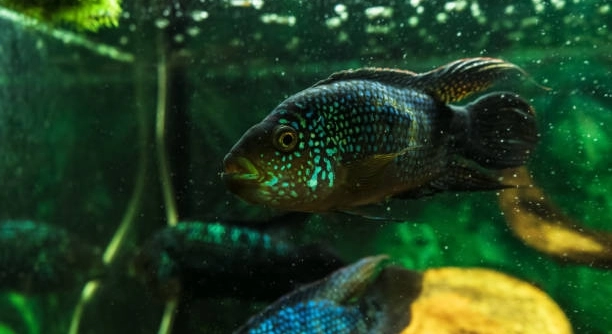
Jack Dempsey fish are known for their vibrant colors and active nature, often making them a lively addition to home aquariums. Their behavior can be surprising, especially when they suddenly leap out of the water.
Jumping in Jack Dempsey fish is primarily caused by stress, poor water conditions, sudden changes in their environment, or instinctual behavior. These factors trigger their natural survival mechanisms, prompting them to leap unexpectedly from the tank.
Observing these jumps can reveal a lot about their habitat needs and overall well-being, offering insight into proper aquarium care.
Reasons Jack Dempsey Fish Jump
Jack Dempsey fish jump for several reasons, most of which are related to their environment or natural instincts. Poor water quality is a major factor, as sudden changes in temperature, pH, or ammonia levels can make them uncomfortable. Stress from overcrowding or aggressive tank mates may also trigger leaping behavior. These fish are naturally territorial and can become anxious if they feel threatened. Even sudden noises or vibrations near the tank can startle them. Some jumping is instinctual, a survival mechanism inherited from their natural habitat where escaping predators or moving between water bodies was necessary. Observing your tank conditions and daily behavior can help identify why your fish might leap. Simple adjustments like improving water filtration, maintaining stable conditions, and reducing stress can significantly lower the frequency of jumps, keeping your Jack Dempsey calmer and safer within the aquarium.
Monitoring water regularly and making small adjustments keeps the fish healthy and reduces jumping incidents.
Proper tank setup, including hiding spots and adequate space, is essential. Jack Dempsey fish need room to swim freely, and their environment should mimic natural conditions as closely as possible. Providing plants, rocks, or caves gives them security, reducing stress-induced jumps. It’s also important to maintain stable lighting and avoid sudden disturbances. Even feeding routines can affect behavior; consistent schedules help them feel secure. Overfeeding or leaving uneaten food can worsen water quality, indirectly causing more jumps. By paying attention to these details, you create a balanced habitat that supports their natural instincts without prompting frequent leaps, ensuring the fish thrive safely.
How to Prevent Jumping
Ensuring the tank has a secure lid is the first step to preventing escapes.
Preventing Jack Dempsey fish from jumping involves maintaining optimal tank conditions and minimizing stress. Stable water parameters, including temperature, pH, and cleanliness, are critical. Avoid overcrowding and aggressive tank mates, as territorial disputes can provoke leaping. Provide hiding spots and open swimming areas to allow freedom without risk. Regular feeding routines reduce anxiety, and controlling external disturbances like loud noises or vibrations can keep them calm. A properly fitted lid prevents accidents, ensuring safety even if they attempt to jump. Monitoring fish behavior daily allows quick action if stress or water issues arise. Over time, these measures create a secure, comfortable environment that encourages natural activity without unnecessary jumping. This approach not only protects the fish but also preserves the tank ecosystem, making maintenance easier and the aquarium more enjoyable.
Common Triggers for Jumping
Sudden changes in water temperature or quality often prompt Jack Dempsey fish to jump. They react instinctively to discomfort or stress, using leaping as a natural escape mechanism to avoid perceived danger.
Environmental disturbances such as loud noises, vibrations, or sudden movements near the tank can startle them. Aggressive tank mates or overcrowding also contribute to jumping, as these fish feel threatened in confined spaces. Inadequate hiding spots or lack of plants and decorations can increase anxiety, leaving them with no sense of security. Even inconsistent feeding schedules may trigger stress-related leaps. Observing these triggers carefully can help identify specific causes for each fish.
Overfeeding and leftover food can also worsen water quality, indirectly causing more jumping. Ammonia and nitrate spikes irritate the fish, leading to sudden leaps. Consistent water testing and regular cleaning routines are key. Providing enough space, hiding spots, and a calm environment reduces stress and encourages normal swimming behavior.
Preventive Measures
A secure tank lid is essential to keep Jack Dempsey fish safe.
Regular water maintenance, including testing and partial changes, prevents sudden shifts that provoke jumping. Adequate filtration and temperature control maintain stability. Minimizing external disturbances like vibrations or sudden lighting changes helps keep them calm. Overcrowding and aggressive tank mates should be avoided, as territorial disputes increase stress. Incorporating plants, rocks, and caves offers hiding spaces, giving them confidence and reducing anxious behavior. Consistent feeding routines and avoiding overfeeding prevent water deterioration, lowering the likelihood of jumps. Observing daily behavior allows early detection of stress or environmental issues.
Proper tank design ensures space for swimming while providing shelter, balancing activity and security. Monitoring water parameters and maintaining cleanliness over time creates a stable environment. Gradual adjustments to conditions help the fish adapt without stress, preventing sudden leaps. Combining a secure lid with these environmental controls effectively reduces jumping incidents. A thoughtfully arranged habitat supports natural behavior and overall health. Consistent care and attention make Jack Dempsey fish more relaxed, promoting safer, calmer activity within the tank.
Tank Setup Considerations
Jack Dempsey fish need a spacious tank to reduce stress and prevent jumping. Adequate swimming room and a balanced environment make them feel secure and confident.
Providing hiding spots with rocks, plants, and caves helps them establish territory. A well-arranged tank lowers anxiety and keeps their behavior calm.
Feeding and Water Quality
Overfeeding or leaving uneaten food can quickly degrade water quality, causing stress and increased jumping. Regular water testing for ammonia, nitrite, and nitrate is essential. Partial water changes maintain stability, and consistent feeding routines prevent sudden spikes in waste. Clean tanks reduce stress and keep fish calmer.
Handling During Maintenance
Minimizing sudden movements or splashes during tank cleaning reduces jumping risk. Gentle handling helps the fish feel safe.
FAQ
Why does my Jack Dempsey fish jump more at night?
Nighttime jumping often occurs because Jack Dempsey fish are more sensitive to sudden changes in light or movement. If the tank light turns off abruptly or there are vibrations near the aquarium, they may leap instinctively. Ensuring a gradual dimming of lights or a cover can reduce nighttime jumps.
Can stress from tank mates cause jumping?
Yes, Jack Dempsey fish are territorial and may feel threatened by aggressive or overly active tank mates. Conflicts can lead to sudden leaps as they try to escape confrontation. Providing enough space and hiding spots helps reduce these stress-induced jumps.
Does water quality directly affect jumping?
Poor water quality is one of the most common triggers for jumping. High ammonia, nitrite, or nitrate levels irritate the fish, causing discomfort. Sudden changes in pH or temperature can also provoke leaping. Regular water testing and partial changes maintain stability and calm the fish.
Is jumping a sign of illness?
Jumping can sometimes indicate health issues, but it is not always a disease symptom. Fish suffering from parasites, infections, or internal discomfort may become more restless and prone to leaping. Observing other signs like loss of appetite, unusual swimming, or discoloration can help determine if illness is a factor.
How can I prevent my Jack Dempsey from jumping out of the tank?
A secure tank lid is essential, combined with stable water conditions and minimal stressors. Proper tank size, hiding spots, consistent feeding, and careful handling during maintenance reduce jumping. Limiting loud noises, vibrations, and sudden lighting changes also keeps the fish calm and secure.
Can feeding routines affect jumping behavior?
Inconsistent feeding schedules or overfeeding can cause anxiety or water deterioration. Uneaten food increases waste and changes water parameters, making fish uncomfortable. Sticking to regular feeding times and removing leftovers helps maintain water quality and reduces jumping tendencies.
Do Jack Dempsey fish jump instinctively?
Yes, leaping is partly an instinctual behavior. In their natural habitat, jumping could help them escape predators or move between water areas. While in captivity this instinct is triggered by stress or discomfort, providing a secure and well-maintained environment reduces unnecessary jumps.
Will adding plants and decorations reduce jumping?
Adding plants, rocks, and caves creates hiding spaces and territorial markers, which lower stress and help the fish feel secure. A well-structured tank gives Jack Dempsey fish confidence to swim freely without feeling the need to leap out of the water.
Is it normal for young Jack Dempsey fish to jump more?
Juvenile Jack Dempsey fish tend to be more active and skittish, which can result in more frequent jumping. Their smaller size and higher energy levels make them more sensitive to environmental changes. As they grow and adjust to the tank, jumping often decreases.
How important is tank size in preventing jumping?
Tank size is critical. Small or overcrowded tanks increase stress and territorial disputes, prompting leaping. A larger tank with open swimming areas and adequate hiding spots allows Jack Dempsey fish to feel secure and reduces the likelihood of jumps.
Can sudden changes in lighting cause jumps?
Yes, abrupt changes in lighting, such as switching the tank light on or off, can startle Jack Dempsey fish. Gradual transitions or dimmers help them adjust safely. Consistent lighting schedules also reduce stress and make them less prone to jumping.
Do vibrations or nearby movement affect jumping?
Vibrations from footsteps, tapping on the tank, or moving furniture can trigger leaping. Jack Dempsey fish are highly sensitive to sudden environmental disturbances. Minimizing external movements and placing the tank in a stable location helps keep them calm.
Are there long-term solutions for frequent jumpers?
Long-term prevention requires a combination of secure lids, stable water conditions, appropriate tank size, and stress reduction. Monitoring behavior, maintaining cleanliness, and providing consistent care gradually reduces frequent jumping and improves overall health and comfort.
Can stress from handling during maintenance cause jumping?
Yes, rough or sudden handling during cleaning or rearranging the tank can startle them. Gentle movements, slow water changes, and avoiding splashes help minimize stress and prevent unexpected jumps. Regular, careful maintenance builds trust in their environment.
Do Jack Dempsey fish jump when spawning?
Spawning activity can increase jumping as males become more territorial and aggressive. Providing separate breeding areas or additional hiding spots reduces conflict and helps keep both males and females calmer during this period.
How often should I test water to prevent jumping?
Testing water at least once a week is recommended. Checking parameters such as pH, ammonia, nitrite, and nitrate helps maintain stability. Immediate corrections prevent stress, which reduces the frequency of jumping and supports overall fish health.
Can diet influence jumping behavior?
Yes, a poor or inconsistent diet can make Jack Dempsey fish restless. Balanced feeding supports health and stability, reducing anxiety-related jumps. Avoid overfeeding and provide varied nutrition to maintain calm behavior and overall well-being.
Is it normal for adult Jack Dempsey fish to still jump occasionally?
Yes, even adult Jack Dempsey fish may jump occasionally. Mature fish are generally calmer, but instinctual behavior or brief stressors can still trigger leaping. Maintaining optimal conditions keeps it minimal and prevents injury or escapes.
What signs indicate my fish is jumping due to stress versus instinct?
Stress-related jumps are often frequent, sudden, and associated with environmental issues or aggressive tank mates. Instinctual jumps are usually occasional and linked to natural activity. Monitoring patterns helps distinguish the cause and adjust care accordingly.
Do tank decorations need to be rearranged to prevent jumping?
Rearranging decorations can reduce stress if it improves hiding spots or swimming areas. Sudden changes should be gradual, as abrupt rearrangements may temporarily increase anxiety and jumping behavior until fish adjust.
How long does it take for Jack Dempsey fish to adapt to a new tank?
Adaptation usually takes a few weeks. During this time, they may jump more due to unfamiliarity or stress. Providing stable conditions, hiding spots, and consistent routines accelerates comfort and reduces jumping incidents.
Can tank mates calm Jack Dempsey fish and reduce jumps?
Compatible, non-aggressive tank mates can reduce stress by creating a more peaceful environment. Avoid overcrowding or overly active species, as conflicts increase jumping. Careful selection promotes stability and lowers leaping behavior.
Does water temperature play a role in jumping?
Yes, sudden temperature changes cause discomfort and stress. Jack Dempsey fish prefer stable, moderate temperatures. Gradual adjustments and proper heaters or coolers help prevent jumping and maintain comfort.
Are there behavioral signs to watch for that indicate potential jumps?
Restlessness, rapid swimming near the surface, or constant exploration of tank edges often precede jumps. Recognizing these behaviors allows preventive measures like checking water quality or reducing disturbances.
How can I safely catch a jumping Jack Dempsey fish?
Use a soft, wet net and move slowly to avoid further stress. Ensuring a secure lid and calm environment before attempting handling reduces the chance of injury to both fish and keeper.
Do Jack Dempsey fish jump more during certain seasons?
Seasonal changes can affect water temperature and light cycles, indirectly increasing stress. Maintaining stable conditions throughout the year reduces jumps regardless of seasonal variations.
Can stress from overcrowding be reversed to reduce jumping?
Yes, reducing tank population, providing more space, and adding hiding spots lowers stress. Fish gradually become calmer and less likely to leap once territorial disputes and overcrowding pressures are resolved.
What is the safest tank lid option for jumpers?
A tight-fitting, heavy lid that prevents gaps is ideal. Glass or acrylic covers with small ventilation holes keep Jack Dempsey fish safely contained while allowing proper airflow. Secure lids are essential to prevent accidents.
How important is tank location in preventing jumping?
Placing the tank in a quiet, stable area away from high traffic or vibrations reduces stress. A consistent environment helps the fish feel secure, lowering the likelihood of sudden leaps or accidents.
Can stress from water flow or currents cause jumping?
Strong or sudden water currents may disorient Jack Dempsey fish, prompting jumps. Moderate flow with stable filtration reduces stress and supports natural swimming without triggering leaping behavior.
Do Jack Dempsey fish recognize danger and jump instinctively?
Yes, leaping can be instinctual in response to perceived threats. Even in a secure tank, sudden stimuli like shadows, noise, or movement may trigger this natural escape reflex.
How can I tell if jumping is dangerous for my fish?
Frequent collisions with the tank lid, injuries, or repeated attempts to escape indicate unsafe conditions. Adjusting water quality, tank layout, and stressors can prevent harm and keep fish healthy.
Is it normal for multiple Jack Dempsey fish to jump together?
Yes, social behavior or collective stress can trigger simultaneous jumps. Overcrowding, aggressive interactions, or sudden disturbances often cause this group response. Proper tank setup and spacing help prevent coordinated jumping incidents.
Can breeding behavior increase jumping frequency?
Yes, territorial disputes and heightened activity during breeding can lead to more frequent leaps. Providing separate areas or additional hiding spaces reduces stress and protects both adults and fry.
Does the presence of reflections or glass affect jumping?
Reflections or seeing their own image may startle some Jack Dempsey fish. Minimizing external reflections or using background coverings can help reduce stress-related jumps.
Are young fish more prone to jumping than adults?
Juveniles are generally more skittish and active, making them more prone to jumping. Adult fish tend to settle as they grow, though occasional leaps still occur from stress or environmental changes.
How do I know if a jump was due to instinct versus stress?
Instinctive jumps are occasional and brief, while stress-induced jumps are frequent, erratic, and often follow environmental changes or aggression. Monitoring patterns helps identify the cause.
Can changing tank mates reduce stress-related jumping?
Yes, replacing aggressive or incompatible species with calm, compatible tank mates reduces tension. A peaceful environment lowers stress-induced leaping and improves overall tank harmony.
Do Jack Dempsey fish jump more when alone?
Some individuals may feel more vulnerable when alone, causing occasional jumps, while others prefer solitude. Observing behavior helps determine if company or solo conditions are better for reducing stress.
Can adding floating plants reduce jumping?
Floating plants provide shade and visual barriers, giving Jack Dempsey fish a sense of security. This reduces anxiety and the likelihood of sudden leaps, supporting calmer behavior.
How do I adjust tank lighting to reduce jumping?
Gradual transitions in lighting, consistent schedules, and avoiding sudden bright or flickering lights minimize stress. Proper lighting creates a stable environment that lowers the risk of jumping incidents.
Is jumping more common in newly introduced fish?
Yes, new fish often jump as they adapt to unfamiliar surroundings. Providing stable conditions, hiding spots, and careful monitoring helps them settle safely without frequent leaps.
Can water chemistry adjustments reduce jumping?
Maintaining stable pH, hardness, and temperature minimizes discomfort that triggers leaping. Gradual adjustments and regular testing ensure the fish remain comfortable and calm.
Do Jack Dempsey fish jump more when threatened by predators in captivity?
Visible threats, shadows, or sudden movements can trigger instinctual jumps. While predators aren’t present in home tanks, perceived danger from disturbances can still cause this reaction.
How can I tell if jumping behavior is improving?
Fewer jumps over time, calmer swimming, and reduced restlessness indicate that environmental adjustments and stress reduction are working effectively to prevent leaping.
Does water depth influence jumping frequency?
Shallow tanks may increase jumps as fish feel confined, while deeper tanks allow more swimming space and reduce stress. Adequate depth combined with proper environment lowers jumping risk.
Are there signs of permanent damage from frequent jumping?
Repeated impacts against tank lids or walls can cause fin damage, bruising, or stress. Monitoring the fish for physical harm ensures early intervention and safer conditions.
Can a consistent routine reduce jumping over time?
Yes, Jack Dempsey fish thrive on stability. Consistent feeding, lighting, and environmental conditions gradually reduce stress-induced leaps and encourage calmer, more predictable behavior.
Is it necessary to separate aggressive fish to prevent jumping?
Separating or providing barriers for aggressive tank mates prevents fights and reduces stress. This lowers the chances of leaping and protects both territorial and subordinate fish.
Do seasonal changes in temperature or light affect jumping?
Seasonal fluctuations may influence water conditions or stress levels, indirectly causing more jumps. Maintaining consistent temperature, lighting, and water quality prevents seasonal spikes in jumping behavior.
Can poor filtration contribute to jumping?
Yes, inadequate filtration can worsen water quality, causing stress that triggers leaping. Efficient filtration maintains clean, stable water, reducing environmental discomfort and preventing unnecessary jumps.
Do Jack Dempsey fish react differently to jumping stimuli based on age?
Younger fish are more reactive and prone to jumps, while adults are calmer. Understanding age-related behavior helps adjust tank conditions and reduce stress-related leaping across life stages.
Can overcrowding lead to long-term behavioral changes?
Yes, persistent overcrowding increases stress, aggression, and jumping frequency. Long-term exposure may create habitual anxiety. Reducing population density and providing hiding spaces restores normal behavior and lowers jumping incidents.
How do I safely acclimate new Jack Dempsey fish?
Gradual acclimation to temperature, pH, and tank conditions reduces stress and minimizes initial jumping. Floating bags, slow water mixing, and careful monitoring ensure a safe transition.
Are there specific triggers I should watch for daily?
Frequent restlessness, rapid swimming near tank edges, or aggressive interactions often precede jumps. Monitoring these behaviors allows early intervention and preventive adjustments to reduce stress.
Can adding a background to the tank reduce jumping?
A solid background reduces reflections and external visual stimuli, lowering stress. Jack Dempsey fish feel more secure, which decreases the likelihood of instinctive or stress-induced jumps.
How important is water hardness in preventing jumping?
Stable water hardness supports comfort and reduces stress. Sudden changes can irritate fish and provoke leaping. Regular testing and gradual adjustments help maintain stability and calm behavior.
Do Jack Dempsey fish jump more when breeding conditions are present?
Heightened territoriality and aggression during breeding may increase leaping. Providing separate breeding areas or additional hiding spaces helps manage stress and keeps both adults and fry safe.
Can adjusting tank temperature gradually prevent jumping?
Yes, sudden temperature shifts provoke stress-related jumps. Gradual adjustments and stable heaters or coolers maintain comfort, reducing the frequency of leaping incidents.
Is it normal for older fish to jump occasionally?
Yes, occasional jumps are normal even in mature fish. Stressors, environmental changes, or instinctual responses can trigger brief leaps. Maintaining stable conditions minimizes risks.
Do Jack Dempsey fish recognize routine disruptions and react by jumping?
Yes, unexpected changes like altered feeding times or maintenance can trigger stress. Maintaining consistent routines reduces jumps and helps fish feel secure in their environment.
How does oxygen level affect jumping behavior?
Low oxygen levels can stress fish, prompting sudden jumps. Proper aeration, filtration, and avoiding overstocking ensure adequate oxygen and reduce the likelihood of leaping behavior.
Are there signs that jumping has caused injury?
Damaged fins, bruising, or unusual swimming indicate potential injury from leaping. Observing fish after jumps allows prompt care and adjustments to prevent further harm.
Can partial water changes alone reduce jumping?
Yes, regular partial changes stabilize water parameters, remove waste, and maintain comfort. Combined with stress reduction and secure tank conditions, this effectively lowers jumping frequency.
Do Jack Dempsey fish learn to jump less over time?
With consistent care, secure environments, and reduced stressors, they adapt and jump less. Repeated exposure to stable conditions builds confidence and decreases unnecessary leaping.
Can adjusting pH prevent jumping?
Maintaining stable pH within the recommended range prevents discomfort. Sudden shifts irritate the fish and trigger jumping, while gradual adjustments support calm and safe behavior.
How can I monitor progress in reducing jumping?
Tracking frequency, behavior patterns, and response to environmental changes shows improvement. Fewer leaps, calmer swimming, and reduced restlessness indicate successful adjustments and a healthier, more comfortable tank environment.
Is jumping behavior the same in every Jack Dempsey fish?
No, individual temperament, age, and prior experiences affect jumping tendencies. Observing each fish’s behavior helps tailor care to reduce stress and prevent leaping.
Can adding more hiding spaces reduce group jumping incidents?
Yes, providing additional shelters and plants lowers collective stress, reduces territorial disputes, and prevents multiple fish from jumping simultaneously.
Do Jack Dempsey fish ever jump out of boredom?
Lack of stimulation or environmental enrichment may lead to exploratory jumps. Proper tank layout, hiding spots, and regular observation keep them active and reduce unnecessary leaping.
Can using a tank cover with ventilation holes prevent injury while allowing airflow?
Yes, a secure cover with ventilation prevents escapes while maintaining proper oxygen levels. This ensures safety and comfort without restricting natural behavior.
Are some Jack Dempsey fish more prone to jumping due to genetics?
Individual temperament and genetics can influence activity levels and stress responses. Some fish may naturally be more skittish and prone to leaping, requiring extra environmental management.
How does sudden loud noise affect jumping?
Unexpected loud noises startle Jack Dempsey fish, causing abrupt leaps. Minimizing noise around the tank helps maintain calm and reduces stress-induced jumping.
Can floating or dense plants reduce visual stress triggers?
Yes, they provide shade and barriers, reducing visual stimuli and anxiety. This helps fish feel secure and decreases the likelihood of jumping due to perceived threats.
Do Jack Dempsey fish respond to reflections differently?
Some fish may perceive reflections as rivals or threats, prompting jumps. Reducing reflective surfaces or using a background minimizes stress and unnecessary leaping behavior.
Can stress from frequent handling increase jumping?
Yes, repeated or rough handling can make fish anxious. Gentle, minimal handling supports calm behavior and lowers the risk of stress-induced jumps.
Are there signs that jumping behavior is decreasing?
Fewer jumps, calmer swimming, and less surface exploration indicate improvement. Monitoring these changes confirms that environmental adjustments are effective.
Does water hardness stability affect jumping frequency?
Yes, stable hardness prevents irritation and stress. Sudden changes can trigger leaping, while consistent levels support comfort and reduce jumping behavior.
Is jumping sometimes unavoidable due to instinct?
Yes, occasional jumps are natural instincts. While stress can be minimized, some leaping may still occur even in ideal tank conditions.
How can I tell if a jump caused permanent harm?
Monitor fins, scales, and swimming patterns. Persistent injuries, bruising, or abnormal movements indicate that a jump caused damage and require corrective care.
Can seasonal water changes help reduce jumping?
Gradual, consistent
Final Thoughts
Jack Dempsey fish are energetic and instinctive swimmers, and jumping is a natural behavior for them. While it can be startling to witness, understanding the reasons behind their leaps helps keep them safe and reduces unnecessary stress. Many jumping incidents are linked to environmental factors such as water quality, tank size, and stress from tank mates. Maintaining stable water parameters, including temperature, pH, and cleanliness, is crucial. Even small fluctuations can make these fish uncomfortable, prompting sudden jumps. Overcrowding, aggressive tank mates, or a lack of hiding spots can also increase stress and make them more prone to leaping. By observing behavior carefully and making gradual adjustments, you can identify the triggers and create a calm, secure environment.
Proper tank setup plays a key role in preventing jumping. Providing adequate swimming space and well-placed decorations like plants, rocks, and caves allows Jack Dempsey fish to establish territory and feel safe. Open areas for swimming combined with hiding spots reduce anxiety and help them stay relaxed. A secure lid is essential to prevent accidents, especially for active jumpers. Consistent feeding routines and careful handling during maintenance further support a stable environment. Sudden disturbances, like loud noises, vibrations, or abrupt lighting changes, can startle them and trigger leaping. Observing their daily patterns allows for early intervention, such as adjusting tank layout or improving water conditions, which ultimately reduces jumping and promotes healthier behavior.
Even with all precautions, some jumping is instinctual and unavoidable. These fish may leap occasionally as a natural response to perceived threats or during heightened activity periods. Understanding this instinct helps manage expectations while maintaining a safe environment. Patience and consistent care are key. Monitoring water quality, providing adequate space, and minimizing stressors over time allow Jack Dempsey fish to adjust comfortably to their surroundings. Creating a balanced habitat supports both their physical health and mental well-being. While jumping can be a challenge, it also reflects their lively and alert nature. By combining careful observation with proactive tank management, you ensure that these fish remain active, safe, and thriving in their aquarium environment.

Hello,
If you enjoy the content that we create, please consider saying a "Thank You!" by leaving a tip.
Every little bit helps us continue crafting quality advice that supports the health, happiness, and well-being of pets around the world, for pets of all shapes, sizes, and species.
We really appreciate the kindness and support that you show us!