
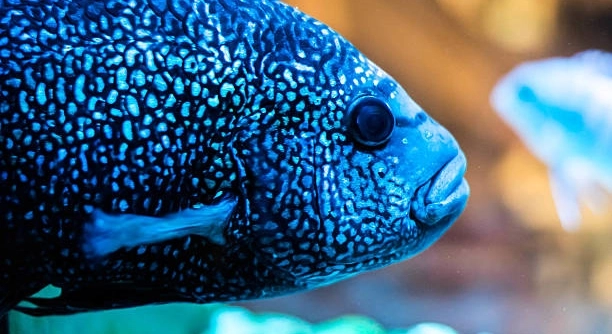
Jack Dempsey fish are known for their vibrant colors and active nature. After a water change, they may act differently, often seeking shelter or staying near decorations. This behavior can be surprising to any fish owner.
Jack Dempsey fish often hide after a water change due to stress from sudden environmental changes. The alteration in water parameters, including temperature and chemical balance, can trigger instinctive hiding behavior as a coping mechanism for perceived threats.
Understanding why your fish reacts this way will help you maintain a stable and comfortable environment for them in the future. Proper care ensures their health and reduces unnecessary stress.
Why Jack Dempsey Hides After Water Changes
Jack Dempsey fish are sensitive to changes in their environment. When water is replaced, even partially, they can sense shifts in temperature, pH, and chemical composition. These sudden changes make them feel unsafe, prompting them to hide among rocks, plants, or decorations. Hiding is a natural stress response rather than a sign of illness. Some fish may remain hidden for hours, while others adjust more quickly. Lighting changes or movement near the tank can also reinforce this behavior. Regular observation helps you understand their patterns. Providing consistent water conditions and gradual adjustments reduces stress and encourages your fish to explore the tank more confidently. Over time, consistent care builds a stable environment where hiding decreases.
Stress-related hiding can also occur if the fish has been recently introduced or moved. Ensuring stable water quality is essential.
Maintaining a proper water change routine involves testing water parameters before and after each change. Gradual acclimation is key, such as replacing only a small percentage at a time. Using a thermometer, pH test kits, and water conditioners helps prevent sudden shocks. Fish may hide even when changes are carefully managed, but minimizing abrupt differences encourages normal behavior. Observing the tank during changes and maintaining a consistent schedule improves overall fish health and reduces hiding tendencies.
How to Encourage Your Fish to Be More Active
Providing plenty of hiding spots in the tank is necessary for their comfort.
Gradual exposure to open areas helps Jack Dempsey fish become more confident. Start with partial water changes and ensure decorations offer both cover and open spaces. Feeding routines influence activity levels, as fish tend to explore more during feeding times. Proper lighting, not too bright, supports natural behavior without causing stress. Social interactions also matter; some fish may respond differently if housed alone versus with compatible tank mates. Avoid sudden loud noises or rapid movements around the tank, as these can trigger hiding. Over time, consistent and calm handling will encourage your fish to explore and display natural behaviors more often, creating a balanced and lively tank environment that benefits both the fish and your experience as a caretaker.
Adjusting Water Parameters Slowly
Sudden changes in water temperature or chemistry can stress Jack Dempsey fish. Adjusting parameters gradually helps them feel secure. Testing water before and after a change ensures conditions remain stable and reduces hiding behavior.
To adjust water parameters, replace only 10-20% of the tank water at a time. Use a thermometer to monitor temperature and test kits for pH, ammonia, nitrite, and nitrate levels. Adding treated water slowly over several hours allows fish to acclimate. Avoid large water replacements, as abrupt shifts can trigger stress responses, including hiding. Consistent monitoring helps maintain a comfortable environment.
Gradual adjustments also prevent long-term health issues. Jack Dempsey fish are sensitive to fluctuations, so small changes minimize stress and keep their immune system strong. Observing their behavior after each adjustment helps identify patterns and ensures they are adapting well. Over time, steady water management encourages active exploration and reduces prolonged hiding. Consistency is key to maintaining their well-being and keeping the tank environment stable.
Tank Environment and Hiding Behavior
A tank with hiding spots allows Jack Dempsey fish to feel safe. Rocks, plants, and decorations give shelter and reduce stress.
Providing varied hiding spots helps fish regulate comfort levels. If they feel threatened, they can retreat and return when secure. Open swimming areas are equally important, allowing exercise and natural behaviors. The combination of cover and space supports healthy activity levels. Observing where your fish prefers to hide can guide placement of decorations to optimize comfort.
Environmental enrichment also stimulates mental and physical activity. Rearranging decorations occasionally prevents boredom and encourages exploration. Proper lighting, substrate, and water flow influence comfort and reduce hiding tendencies. Tank layout should balance open areas and hiding spaces. Feeding locations can also guide activity patterns, ensuring fish venture out regularly. Maintaining a clean environment, consistent temperature, and chemical balance supports their overall health. Well-planned tank environments create predictable conditions that reduce stress and encourage normal behavior.
Feeding and Activity Levels
Feeding routines directly affect Jack Dempsey fish activity. Offering food at consistent times encourages them to leave hiding spots.
Overfeeding can make them lethargic and hide more. Small, measured portions improve energy and exploration, helping them adjust after water changes.
Observing Behavior Patterns
Regular observation helps identify stress triggers. Note when your fish hides, swims actively, or interacts with the environment. Patterns reveal how they respond to water changes, feeding schedules, and tank rearrangements. This information allows you to adjust care practices effectively, reducing hiding and promoting comfort.
Using Plants and Decorations
Plants and decorations provide security and reduce stress. Proper placement allows retreat spaces while maintaining open swimming areas. This balance keeps Jack Dempsey fish active and comfortable, encouraging natural behavior.
FAQ
Why does my Jack Dempsey hide after every water change?
Hiding is a natural stress response. Water changes alter temperature, pH, and chemical balance, which can make your fish feel unsafe. Even partial changes can trigger this behavior. They hide to feel secure until they adjust to the new conditions.
How long will my Jack Dempsey stay hidden?
The duration varies depending on the fish’s temperament and how gradual the water change was. Some fish adjust within an hour, while others may hide for several hours or even a day. Observing their behavior helps determine if adjustments are needed to reduce stress.
Can hiding indicate illness?
Hiding alone is not necessarily a sign of illness. However, if it is accompanied by other symptoms such as loss of appetite, rapid breathing, or faded coloration, health issues may be present. Regular monitoring of behavior and water quality helps differentiate stress from sickness.
How can I make water changes less stressful?
Replace water gradually, around 10-20% at a time, and ensure temperature and pH match the tank. Use water conditioners to neutralize chemicals, and avoid sudden additions. Consistent schedules and slow adjustments reduce stress and help your fish feel secure.
Do Jack Dempsey fish need hiding spots?
Yes. Rocks, plants, and decorations offer shelter and reduce stress. Hiding spots are important for comfort, especially after changes in the tank. A well-structured environment balances open swimming space and cover, encouraging natural activity.
Will my Jack Dempsey eventually stop hiding?
With consistent water care, proper tank setup, and a predictable routine, many Jack Dempsey fish gradually reduce hiding. They may still retreat occasionally, but regular observation and careful maintenance help them feel secure and active more often.
Should I rearrange decorations to encourage exploration?
Occasional rearrangement can stimulate activity and mental engagement. Move decorations slowly to prevent additional stress. Maintaining a mix of open areas and secure hiding spots helps your fish explore safely while feeling protected.
Does feeding affect hiding behavior?
Feeding at consistent times encourages fish to leave hiding spots. Overfeeding can reduce activity and increase hiding. Small portions spread throughout the day improve energy levels and make your fish more likely to interact with the tank environment.
Can water temperature shocks cause long-term hiding?
Yes. Sudden temperature changes can cause prolonged stress, leading to repeated hiding. Using a thermometer and slowly adjusting water temperature prevents shocks. Gradual changes keep fish comfortable and maintain their normal activity patterns.
Are certain Jack Dempsey fish more prone to hiding?
Individual temperament varies. Some fish are naturally more cautious or sensitive to environmental changes. Younger or newly introduced fish tend to hide more until they acclimate. Observing your fish and adjusting care accordingly helps them adapt.
How do I know if hiding is normal or a problem?
Normal hiding occurs after changes or when they need security. Problematic hiding is prolonged or paired with poor appetite, abnormal swimming, or color changes. Monitoring behavior and maintaining stable water conditions helps distinguish normal stress responses from potential health issues.
Can tank mates influence hiding?
Yes. Aggressive or overly active tank mates can make Jack Dempsey fish hide more. Choosing compatible species and ensuring enough space reduces stress and encourages natural activity levels. Proper tank layout also helps them feel safe.
Does lighting affect hiding behavior?
Bright lights can trigger hiding, while dim or natural lighting encourages comfort. Adjusting light levels gradually and providing shaded areas can reduce stress and make your fish more active throughout the day.
Is it necessary to check water chemistry frequently?
Regular testing is essential. Monitoring pH, ammonia, nitrite, and nitrate levels ensures stable conditions and prevents stress-induced hiding. Consistent water quality is one of the most effective ways to keep Jack Dempsey fish comfortable and active.
Can I train my fish to be less shy?
Yes. Gentle, consistent handling, feeding routines, and a stable environment gradually build confidence. Avoid sudden movements or loud noises. Over time, fish learn that the tank is safe and may reduce hiding while exploring more openly.
Are some tank setups better for Jack Dempsey activity?
A balanced setup with hiding spots, open swimming areas, proper lighting, and stable water conditions promotes activity. Overcrowded or poorly arranged tanks increase hiding and stress. Observing fish behavior helps optimize tank layout for their comfort.
How often should I perform water changes to minimize hiding?
Smaller, frequent water changes are better than infrequent large changes. Replacing 10-20% weekly helps maintain stable conditions and reduces stress. Consistency makes fish feel secure and minimizes hiding behavior over time.
Does hiding behavior change with age?
Yes. Younger or newly introduced fish tend to hide more. As Jack Dempsey fish grow and acclimate to their tank, they often become bolder. However, environmental changes can still trigger hiding at any age.
Can adding plants reduce hiding?
Yes. Live or artificial plants provide natural cover and security. Strategically placed plants allow retreat while maintaining open swimming areas. This encourages exploration and reduces stress, helping your fish feel more confident after water changes.
How do I handle a fish that hides too much?
Maintain stable water parameters, provide sufficient hiding spots, ensure proper feeding routines, and minimize sudden disturbances. Observing their behavior and adjusting care gradually encourages activity and reduces prolonged hiding. Consistency is key to helping Jack Dempsey fish feel secure.
Will hiding affect their health?
Temporary hiding does not harm health if water quality and nutrition are adequate. Prolonged hiding combined with poor water conditions or lack of food can impact growth, immunity, and overall well-being. Proper care ensures hiding remains a natural stress response rather than a health risk.
Final Thoughts
Jack Dempsey fish are naturally sensitive to changes in their environment. After a water change, hiding is a common and normal response. They rely on familiar surroundings to feel safe, and sudden changes in water temperature, chemistry, or even lighting can make them retreat. Providing them with adequate hiding spots, such as plants, rocks, or decorations, gives them a sense of security. This behavior is not necessarily a sign of illness but rather a way for them to cope with temporary stress. Observing how your fish reacts after each water change can help you understand their needs and adjust care routines accordingly. Consistency in water changes, feeding schedules, and tank maintenance is essential to keeping your fish comfortable and healthy.
Maintaining stable water conditions is key to reducing hiding behavior. Gradual water changes, using only a portion of the tank water at a time, allow the fish to acclimate without feeling threatened. Testing water for pH, ammonia, nitrites, and nitrates ensures that levels remain safe, while using a thermometer helps keep temperature consistent. Even small shifts in water chemistry can cause stress, so careful monitoring is important. Over time, Jack Dempsey fish become more confident when the environment is predictable and consistent. Providing both cover and open swimming spaces in the tank encourages exploration while still offering security. Proper feeding routines also support activity levels, as fish are more likely to leave hiding spots when they know food is coming at a regular time.
Patience is important when caring for Jack Dempsey fish. Some may hide for a short period after water changes, while others take longer to adjust. By observing behavior, adjusting the environment, and maintaining steady care routines, you can reduce stress and encourage normal activity. Hiding is a natural part of how these fish cope with perceived threats, and it does not usually indicate a problem if other health indicators are normal. Regular monitoring, proper tank setup, and consistent water management create an environment where Jack Dempsey fish feel secure. Over time, they are likely to explore more, interact with their surroundings, and show their natural colors and behavior. Focusing on stability, comfort, and gradual adjustments ensures that your fish can thrive and maintain good health in their aquatic home.

Hello,
If you enjoy the content that we create, please consider saying a "Thank You!" by leaving a tip.
Every little bit helps us continue crafting quality advice that supports the health, happiness, and well-being of pets around the world, for pets of all shapes, sizes, and species.
We really appreciate the kindness and support that you show us!