
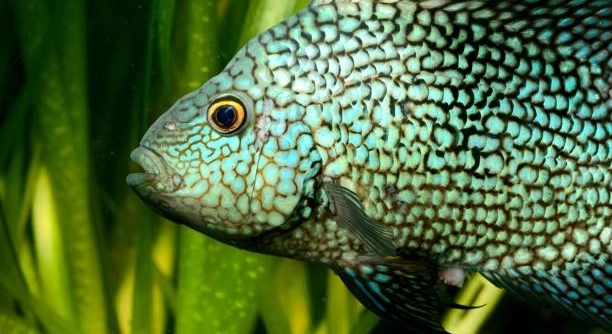
Jack Dempsey fish are known for their striking colors and lively personalities, making them a popular choice for freshwater aquariums. Many aquarists enjoy observing their behaviors and interactions with other fish in community tanks.
Jack Dempsey fish can recognize their tankmates to a certain extent. They use visual cues, territorial behaviors, and social hierarchies to identify familiar fish, distinguish between companions and intruders, and adapt their interactions within the aquarium environment.
Observing how these fish interact can reveal patterns in behavior and social structure, providing valuable insight for maintaining a healthy tank.
How Jack Dempsey Fish Identify Tankmates
Jack Dempsey fish rely heavily on sight to identify other fish in their tank. They notice differences in size, color, and movement, which helps them distinguish between familiar tankmates and newcomers. Territorial instincts also play a key role; fish they see often are treated differently than unfamiliar ones. Social hierarchy matters too. Dominant fish assert control over certain areas, while subordinate fish learn to keep their distance. Over time, repeated interactions allow these fish to remember which tankmates are non-threatening and which may challenge them. This recognition reduces unnecessary aggression and helps maintain balance in the tank. Environmental factors like tank size, hiding spots, and decorations can also influence how effectively Jack Dempsey fish recognize and interact with other fish. Fish in larger tanks with more hiding spaces often show more selective recognition because they encounter fewer interactions overall, whereas smaller tanks promote constant visual contact, reinforcing recognition patterns and social behaviors over time.
Familiar tankmates are generally treated with less aggression, showing that recognition is not just instinctive but influenced by repeated experiences and environment.
Regular observation of their behavior can reveal preferences and patterns in interactions. Some fish may tolerate certain tankmates better, while others assert dominance frequently. Consistent feeding times and stable tank conditions further reinforce recognition, allowing these fish to develop predictable behaviors toward their companions. Watching these interactions helps in arranging compatible fish combinations and adjusting territorial spaces. Over time, the ability of Jack Dempsey fish to distinguish between familiar and unfamiliar tankmates becomes clear. They respond more calmly to known fish, but remain alert around newcomers, ensuring both safety and a balanced social environment. Understanding these behaviors supports healthier tank dynamics, reduces stress, and promotes natural social interactions. Tank owners benefit by maintaining harmony, preventing injury, and fostering a more peaceful aquarium experience for everyone involved.
Signs of Tankmate Recognition
Jack Dempsey fish show recognition through consistent behaviors and reduced aggression toward familiar companions.
They may swim together without conflict, share feeding areas, and use subtle body language to communicate. Recognized tankmates are often approached calmly, while new fish trigger displays of territoriality. Observation of these signs allows careful monitoring of tank dynamics. Over time, these fish create stable relationships, adjusting behavior to accommodate the hierarchy and interactions of their community.
When first introducing new tankmates, Jack Dempsey fish may appear restless or chase the newcomers to assert territory. Over days or weeks, their behavior often shifts as recognition develops. Subtle cues like fin displays, posture, and movement patterns indicate whether a fish is accepted into the social structure. Familiar fish are usually greeted with less aggression and more tolerance, reducing stress for all fish in the tank. Feeding times further reinforce recognition, as fish learn who competes for food and who poses no threat. Environmental consistency, such as stable water conditions and adequate hiding spaces, supports this recognition process. Tank size also matters; smaller tanks force more frequent encounters, accelerating recognition, while larger tanks allow selective interactions. Monitoring these behaviors helps ensure the tank remains balanced and harmonious, and adjusting introductions carefully prevents prolonged conflicts. Over time, the ability of Jack Dempsey fish to remember and differentiate tankmates becomes a reliable factor in maintaining peaceful coexistence.
Factors Affecting Recognition
Tank size impacts how often Jack Dempsey fish see their tankmates. Smaller tanks increase encounters, strengthening recognition, while larger tanks allow selective interactions. Decorations and hiding spots also affect how fish perceive one another, giving space for dominance or retreat.
Lighting and water clarity influence visual recognition. Clear water and good lighting make colors and movement patterns easier to see, helping fish distinguish between companions and newcomers. Temperature and water quality also affect activity levels, indirectly impacting how often fish interact. Fish in stable, well-maintained environments develop stronger recognition patterns compared to those in fluctuating conditions. These factors together shape social behavior.
Previous experiences with other fish also play a role. Fish accustomed to stable tankmates are calmer and more predictable. Stress or sudden changes can disrupt recognition, causing increased aggression or fear. Tankmates that share similar activity levels and sizes tend to coexist more peacefully. By observing these patterns, adjustments can be made to maintain harmony and reduce conflict within the aquarium.
Behavioral Indicators of Recognition
Jack Dempsey fish often approach familiar tankmates calmly and swim nearby without aggressive displays. They may share space during feeding without confrontation.
Body language is key in identifying recognition. Subtle fin movements, posture, and swimming patterns signal comfort with known tankmates. Aggressive displays usually decrease over time as fish recognize companions. Eye contact, slow approaches, and coordinated swimming often indicate acceptance. In contrast, new or unfamiliar fish trigger chasing or flaring, signaling territoriality. Observing these behaviors closely helps in managing interactions, ensuring stress-free coexistence and supporting a balanced social environment within the tank.
Social Hierarchy and Recognition
Dominant Jack Dempsey fish establish territories that help them identify other tankmates. Subordinate fish learn to respect these areas and adjust their behavior accordingly. Recognition often reduces unnecessary conflict within the tank, promoting a stable social environment.
Interactions among fish reinforce hierarchy. Repeated encounters allow fish to remember which tankmates are dominant or submissive. Over time, this recognition helps maintain order, reduces stress, and ensures that food and space are shared without constant aggression.
Impact of Tank Environment
Tank decorations and hiding spots influence recognition. Fish in tanks with more visual barriers may take longer to identify companions. Open spaces encourage regular encounters, strengthening recognition and familiarity.
Feeding Behavior and Recognition
Jack Dempsey fish recognize tankmates during feeding times. Familiar fish are approached calmly, while newcomers trigger cautious or aggressive responses. Regular feeding routines help fish differentiate between companions and strangers, reinforcing social bonds.
Stress and Its Effects
High stress levels can disrupt recognition among Jack Dempsey fish. Environmental changes, overcrowding, or aggressive newcomers may increase anxiety, causing fish to misidentify tankmates and react aggressively or defensively.
FAQ
Can Jack Dempsey fish remember their tankmates for a long time?
Yes, Jack Dempsey fish can remember familiar tankmates over weeks or even months. Repeated interactions help reinforce recognition. Fish that see each other regularly are less likely to display aggression, while infrequent encounters with the same tankmates can slow recognition and increase stress.
How do they show they recognize a tankmate?
They display calm swimming patterns, maintain proximity without aggression, and share space during feeding. Fin movements, posture, and subtle body language indicate familiarity. Reduced chasing or flaring at known tankmates is a clear sign that recognition has developed.
Do tank decorations affect recognition?
Yes, decorations and hiding spots can slow recognition. Visual barriers reduce direct encounters, meaning fish may take longer to identify familiar companions. Open areas encourage frequent interaction, helping fish reinforce recognition patterns.
Does tank size matter?
Tank size significantly impacts recognition. Smaller tanks force more frequent encounters, accelerating familiarity and hierarchy establishment. Larger tanks provide more space, allowing selective interactions, which can slow recognition but reduce stress and conflict.
How does feeding affect recognition?
Feeding routines reinforce social recognition. Fish learn which tankmates are calm and which compete aggressively. Familiar companions are approached calmly during feeding, while new fish may trigger chasing or territorial behavior until recognition develops.
Can stress affect recognition?
Yes, stress disrupts recognition. Environmental changes, overcrowding, sudden introductions of new fish, or poor water conditions can increase anxiety. Stressed fish may misidentify companions, become aggressive, or withdraw, interfering with established social structures.
Are there signs of confusion between tankmates?
Confusion is shown through unexpected aggression or fear responses toward familiar fish. Fish may chase or retreat unpredictably, flare fins without reason, or act restless. This often occurs after changes in the environment or the introduction of new fish.
Do they recognize tankmates by sight only?
Primarily, they rely on sight, including color, size, and movement patterns. However, other senses like smell and vibration may play minor roles, helping them differentiate familiar companions from strangers, especially in low-visibility conditions.
How long does it take for recognition to develop?
Recognition develops over days to weeks. Frequent interactions, stable environmental conditions, and consistent feeding routines speed up the process. Fish that encounter each other irregularly or live in highly decorated tanks may take longer to establish familiarity.
Can recognition reduce aggression in a community tank?
Yes, recognition helps reduce aggression. Fish learn who is dominant, who is submissive, and which tankmates pose no threat. This understanding maintains social balance, reduces stress, and promotes peaceful coexistence among tank residents.
Do younger Jack Dempsey fish recognize tankmates differently?
Younger fish may take longer to recognize others as they are still learning social hierarchy. Aggression may be more frequent until recognition and comfort levels develop with familiar companions. Providing stable conditions helps younger fish establish recognition faster.
Is recognition affected by the number of tankmates?
Yes, the number of tankmates affects recognition. More fish create complex social dynamics, requiring repeated interactions to establish familiarity. Fewer fish allow for clearer hierarchy and quicker recognition, while overcrowded tanks may increase stress and slow recognition patterns.
Can changes in water quality impact recognition?
Poor water quality increases stress, which can interfere with social behavior and recognition. Fish may misidentify companions, become aggressive, or hide excessively. Maintaining stable, clean water supports both health and the ability to recognize tankmates accurately.
Are some tankmates easier to recognize than others?
Fish with distinct colors, sizes, or movement patterns are easier to recognize. Similar-looking or highly active fish may require more time to differentiate, especially in tanks with complex decorations or low visibility. Clear visual cues help recognition develop faster.
Does age or experience influence recognition?
Yes, older or more experienced fish tend to recognize tankmates faster. They have learned social cues and territorial behaviors, making it easier to identify familiar companions and respond appropriately, reducing unnecessary conflict in the tank.
Can recognition be retrained if a fish forgets its tankmates?
To some extent, yes. Repeated safe interactions, consistent feeding, and a stable environment can help fish reestablish recognition. Patience is necessary, especially if stress or environmental changes caused the lapse in familiarity.
Does tank lighting influence recognition?
Lighting affects visual recognition. Well-lit tanks make colors and movement patterns easier to see, reinforcing familiarity. Poor lighting can slow recognition, as fish rely heavily on sight to distinguish between companions and newcomers.
Do Jack Dempsey fish prefer certain tankmates?
They tend to tolerate fish of similar size and temperament. Aggressive or overly active tankmates may slow recognition or increase stress. Compatible companions foster calmer interactions, helping fish establish recognition more efficiently.
Can recognition affect breeding behavior?
Yes, recognizing a tankmate can influence breeding. Fish that identify partners as familiar and non-threatening are more likely to engage in mating behaviors. Recognition reduces stress, promoting healthier interactions during spawning periods.
Is recognition permanent?
Recognition is not always permanent. Environmental changes, new tankmates, or stress can disrupt memory of familiar companions. Regular interactions in stable conditions help maintain recognition, but disruptions may require fish to readjust and reestablish familiarity.
Jack Dempsey fish are fascinating creatures, especially when it comes to their social behaviors. Their ability to recognize tankmates shows how complex and adaptive their interactions can be. Over time, fish in a stable environment learn who is familiar, which reduces unnecessary aggression and promotes a more peaceful tank. This recognition relies on repeated interactions, visual cues, and understanding of social hierarchies. When fish are introduced to a tank, they may initially be territorial or cautious, but consistent exposure to the same companions allows them to remember and respond appropriately. Fish that are seen regularly are approached calmly, while newcomers trigger caution or displays of dominance. These patterns are natural and help maintain balance in a shared environment. Observing these behaviors gives valuable insight into the social structure of Jack Dempsey fish, helping to create a healthier and more harmonious aquarium.
The environment plays a crucial role in recognition. Tank size, decorations, hiding spots, and water quality all influence how fish identify and interact with one another. In smaller tanks, frequent encounters allow fish to learn each other’s presence more quickly, strengthening recognition and establishing a clearer hierarchy. Larger tanks, while offering more space, may slow this process because fish can avoid each other, delaying repeated interactions. Decorations and hiding spots provide refuge and reduce conflict, but they can also limit visibility, meaning fish may take longer to recognize companions. Water quality, lighting, and temperature affect activity levels, indirectly impacting social behavior. Stressful conditions or sudden changes in the tank can disrupt recognition, causing fish to misidentify familiar companions or react aggressively. Maintaining stable conditions supports memory and recognition, ensuring that interactions remain consistent and predictable. Feeding routines also help reinforce familiarity, as fish learn to share space and food with known companions while remaining cautious around newcomers.
Understanding recognition in Jack Dempsey fish is important for anyone keeping them in a community tank. Recognition affects aggression levels, feeding behavior, and overall tank harmony. Fish that identify their tankmates accurately are calmer, less stressed, and better able to coexist peacefully. Observing how fish behave during daily interactions can guide adjustments to tank setup, such as adding hiding spots or rearranging decorations to reduce conflict. Introducing new fish gradually and maintaining consistent feeding routines supports recognition and smooth integration into the existing hierarchy. Experienced fish can serve as guides, helping younger or new fish learn social cues more quickly. Over time, a well-maintained tank with compatible companions allows Jack Dempsey fish to establish stable relationships and predictable behaviors. By paying attention to their social patterns, tank owners can foster a healthier environment, reduce stress, and promote natural interactions that benefit all fish in the aquarium. Recognition is not just a fascinating behavior; it is a key factor in ensuring long-term tank stability and well-being.

Hello,
If you enjoy the content that we create, please consider saying a "Thank You!" by leaving a tip.
Every little bit helps us continue crafting quality advice that supports the health, happiness, and well-being of pets around the world, for pets of all shapes, sizes, and species.
We really appreciate the kindness and support that you show us!