
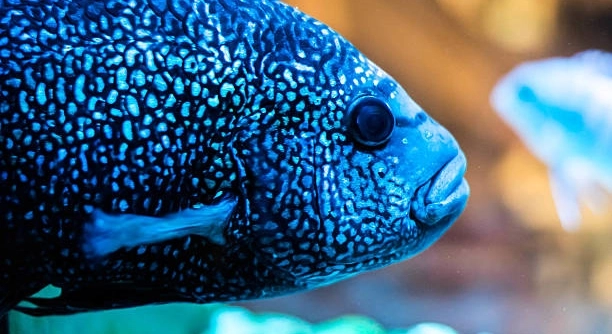
Jack Dempsey fish are popular in home aquariums for their striking appearance and lively behavior. Many fishkeepers spend hours observing them, noticing their reactions to movements and sounds around the tank. Their behavior can seem very attentive.
Jack Dempsey fish have the ability to detect vibrations and low-frequency sounds in water. While they do not hear in the same way humans do, their lateral line system allows them to respond to noises and movements nearby effectively.
Learning how these fish perceive their environment can improve tank care and interaction, ensuring a healthier, more engaging habitat for your aquatic pets.
How Jack Dempsey Fish Perceive Sound
Jack Dempsey fish rely mainly on their lateral line system to sense vibrations in water. This system consists of small, sensitive canals along their sides that detect movement and pressure changes. They respond to nearby disturbances, including splashes, tank decorations moving, or people tapping the glass. Unlike humans, these fish do not have external ears, but their inner ear helps detect low-frequency sounds. This allows them to react quickly to potential threats or food sources. Observing these reactions can be fascinating. When you move around the tank or feed them, they may swim closer, flare their fins, or show signs of alertness. Some fish may even respond differently based on how loud or sudden the sound is. Understanding these patterns can help you create a calmer, less stressful environment, preventing unnecessary aggression or fear. Their perception is subtle but very effective for survival and communication in their aquatic habitat.
Jack Dempsey fish can sense both vibrations and pressure changes, giving them an awareness of nearby activity.
Recognizing how these fish detect their surroundings helps you interpret their behavior better. By paying attention to movement and noise near the tank, you can anticipate their reactions and provide more suitable care. For instance, sudden loud sounds may cause stress, while gentle feeding routines and steady water movement can encourage natural behaviors. Their response to sound is an essential part of their sensory experience, and learning to observe it gives you a closer connection with their habits and needs.
Tips for Interacting with Jack Dempsey Fish
It is important to move gently around the tank to avoid startling them.
When interacting with Jack Dempsey fish, consider the types of sounds and movements they experience daily. Sudden banging or loud noises can make them retreat or become aggressive. Feeding times and gentle tapping on the tank glass can encourage them to approach, showing curiosity rather than fear. Their sensitivity to vibrations also means that careful water changes and minimal disturbance of decorations are important. Over time, you will notice how they react differently to various activities. Some may become more confident and swim toward you during feeding, while others stay cautious near the tank edges. Observing these subtle differences allows you to tailor their environment for comfort and stimulation, reducing stress and promoting healthy behavior. Consistent routines and calm interactions help the fish feel secure, ensuring they display natural colors, movements, and feeding patterns. Being mindful of their sensory abilities leads to a more balanced and harmonious aquarium environment for these striking fish.
Common Misconceptions About Jack Dempsey Hearing
Many people assume Jack Dempsey fish can hear like humans, but this is not true. Their responses to sounds are actually reactions to vibrations and water movement. Misunderstanding this can lead to unnecessary worry about their behavior or health.
The lateral line system is often mistaken for hearing, but it works differently. It allows Jack Dempsey fish to detect subtle changes in water pressure and vibrations caused by movement nearby. This system helps them avoid predators, locate food, and interact with other fish. Unlike human ears, it does not interpret distinct sounds or pitches. Observing their reactions to tapping or movement in the tank reveals sensitivity rather than traditional hearing. They rely on these cues for survival and interaction within their environment.
Some hobbyists also think these fish ignore sounds altogether, but they are alert and reactive. Their responses may seem inconsistent because vibration intensity and water conditions affect perception. Loud noises may startle them, while gentle movements can trigger curiosity. Recognizing the difference between hearing and sensing vibrations allows better care. Tank placement, feeding routines, and minimal disturbance can enhance their comfort. Understanding these subtle responses also helps prevent stress-related health problems. With patience, owners can notice patterns in behavior tied directly to the vibrations they detect, improving interaction and overall well-being.
Enhancing Interaction Without Stressing the Fish
Frequent tapping or sudden movements near the tank can make Jack Dempsey fish anxious.
Gentle and predictable routines help Jack Dempsey fish feel secure and respond positively. Feeding at regular times, maintaining consistent water conditions, and minimizing sudden noise allow them to explore their environment without stress. Observation becomes easier when fish are calm, helping you understand natural behaviors and preferences. Gradually introducing new objects or changes in the tank encourages curiosity instead of fear. This approach also helps reduce aggression toward tank mates. Consistency and patience are key to maintaining a healthy, engaging aquarium.
The tank environment has a major influence on how Jack Dempsey fish perceive vibrations. Smooth water flow, proper filtration, and careful placement of decorations prevent unnecessary stress. Vibrations caused by equipment or frequent handling should be minimized to avoid startling them. Interactions, such as hand feeding or moving near the tank, should be slow and predictable. Monitoring their behavior allows recognition of signs of discomfort or agitation. Over time, these fish learn routines and respond more confidently to gentle activities. By creating a calm, stable environment and understanding their sensory abilities, owners can encourage natural behaviors while reducing stress, promoting both health and engagement.
How Vibrations Affect Behavior
Jack Dempsey fish are highly responsive to vibrations in their tank. Sudden movements or taps on the glass can trigger alertness or defensive behavior. Observing these reactions helps understand how sensitive they are to their surroundings.
Even minor vibrations, like water flow changes or nearby footsteps, can influence their mood. They may become more cautious, retreating behind decorations or hiding in corners. Recognizing these responses allows you to adjust the environment to reduce stress. A stable, calm tank promotes natural behavior and prevents unnecessary aggression among tank mates.
Feeding and Sound Sensitivity
During feeding, Jack Dempsey fish react quickly to vibrations caused by sinking food or tapping near the tank. Their lateral line system detects these movements, guiding them toward the source. Feeding routines that consider this sensitivity encourage more natural, confident behavior.
Tank Placement Considerations
Placing the tank in a low-traffic area reduces constant vibrations and noise. This helps Jack Dempsey fish feel secure and less stressed. Consistent, calm surroundings improve their overall health and behavior.
FAQ
Can Jack Dempsey fish actually hear sounds like humans?
Jack Dempsey fish do not hear sounds the way humans do. Instead, they detect vibrations and low-frequency movements in the water using their lateral line system. This system allows them to respond to nearby activity, including people moving around the tank or water disturbances, without relying on ears.
Why does my Jack Dempsey react to tapping on the tank?
Tapping creates vibrations that travel through the water. The fish sense these vibrations and may become alert, swim toward the source, or retreat. Their reactions are not due to hearing the tap, but rather detecting the pressure change caused by the movement.
Do all Jack Dempsey fish react the same way to vibrations?
No, individual fish vary in sensitivity. Some may be bold and investigate vibrations, while others are shy and hide. Personality, past experiences, and tank conditions all affect how they respond to different disturbances.
Can loud household noises stress my Jack Dempsey fish?
Yes, strong vibrations from loud music, vacuuming, or slamming doors can stress the fish. Even though they don’t hear like humans, the vibrations travel through walls, floors, and the tank water, causing anxiety. Reducing exposure to constant noise helps maintain a calmer environment.
Will my Jack Dempsey fish stop reacting to vibrations over time?
Some habituation may occur if the vibrations are consistent and harmless, like regular feeding routines. However, sudden or unpredictable movements will still trigger a response. Habituation doesn’t mean they gain hearing abilities—it simply reduces unnecessary stress from repeated non-threatening stimuli.
How can I use their sensitivity to vibrations to encourage feeding?
Gentle tapping or creating small water movements can draw their attention to food. They respond to these cues by swimming toward the source. Feeding techniques that use their lateral line awareness encourage more natural and active feeding behavior.
Do tank decorations affect how they detect vibrations?
Yes, decorations and plants can either amplify or absorb vibrations. Hard, solid objects can transmit vibrations quickly, while soft plants may dampen them. Observing how your fish respond around different structures helps optimize tank layout for comfort and safety.
Is it harmful to place the tank near high-traffic areas?
Constant vibrations from foot traffic or frequent movement near the tank can increase stress over time. Jack Dempsey fish prefer calmer surroundings. Positioning the tank in a quiet, stable location helps them feel secure and exhibit natural behaviors.
Do Jack Dempsey fish communicate through vibrations?
Yes, to some extent. They can sense movements of other fish and respond to them. This helps establish territory, avoid conflicts, or coordinate during feeding. Their lateral line system provides a subtle form of communication within the tank.
How can I tell if my fish is stressed by vibrations?
Signs include hiding more than usual, flaring fins, rapid swimming, or aggression toward tank mates. Consistent stress can affect appetite and overall health. Adjusting the environment, such as minimizing sudden movements and providing hiding spots, helps reduce stress and improve their well-being.
Can I train my Jack Dempsey fish to respond to specific cues?
Yes, repeated and consistent signals, like tapping or gentle water movements, can teach them to associate cues with feeding or attention. They won’t “hear” you, but their lateral line system allows them to learn patterns linked to predictable vibrations.
Do water conditions impact how they sense vibrations?
Absolutely. Water density, temperature, and flow can influence vibration transmission. Calm, stable water conditions improve their ability to detect subtle movements. Sudden changes in water flow or temperature can mask vibrations or cause additional stress.
Are juvenile Jack Dempsey fish more sensitive than adults?
Juveniles often react more strongly to vibrations, possibly due to higher vulnerability in the wild. Adults may appear more confident but still rely heavily on vibrations for awareness. Providing a safe environment with minimal sudden disturbances supports both age groups.
Can other fish in the tank affect their response to vibrations?
Yes, other fish moving quickly or displaying aggressive behavior create vibrations the Jack Dempsey detects. These interactions can influence stress levels, feeding behavior, and territorial displays. Monitoring tank dynamics ensures balanced interactions and reduces unnecessary stress.
What is the best way to reduce unnecessary stress from vibrations?
Maintain consistent feeding and care routines, minimize tapping or sudden movements near the tank, use stable decorations, and place the tank in a low-traffic area. Observing their behavior regularly allows you to identify triggers and adjust the environment for comfort.
How do they react differently to feeding versus threatening vibrations?
Feeding-related vibrations usually trigger excitement and approach behavior. Threatening or sudden vibrations may cause hiding, flaring, or rapid swimming. Understanding these responses helps distinguish normal behavior from signs of stress and allows better management of tank conditions.
Does tank size influence vibration sensitivity?
Yes, smaller tanks can amplify vibrations, making fish more reactive. Larger tanks may disperse vibrations more evenly, reducing stress. Balancing tank size with appropriate décor and careful placement helps regulate how vibrations affect behavior.
Can I use vibrations to encourage exercise?
Yes, gentle movement or water disturbances can motivate swimming and exploration. Controlled stimulation encourages activity without causing stress, supporting muscle development, health, and overall well-being in Jack Dempsey fish.
Are there signs that a fish is ignoring vibrations entirely?
Complete non-response is rare. If a fish consistently ignores vibrations, it may be sick or stressed. Monitoring other behaviors like appetite, color, and swimming patterns can help identify underlying issues requiring attention.
Do Jack Dempsey fish rely more on sight or vibrations?
Both senses are important, but vibrations play a crucial role in detecting nearby movement or danger. Sight helps with identifying food or tank mates, while the lateral line system provides early warning and orientation within their environment.
Final Thoughts
Jack Dempsey fish are fascinating creatures that rely on their senses in unique ways. Unlike humans, they do not hear through ears but detect vibrations and changes in water pressure. This ability allows them to respond to nearby movement, whether it is food falling into the tank, other fish swimming, or people moving around. Observing their reactions can be very rewarding because it shows how sensitive they are to their environment. Understanding this can help fishkeepers provide a calmer and safer space, reducing unnecessary stress. Simple actions, like avoiding tapping on the glass or making sudden movements near the tank, can make a big difference in how comfortable they feel.
Providing a proper environment is essential for Jack Dempsey fish to thrive. Tank placement, decorations, and water flow all affect how vibrations travel through the water. For example, a tank in a low-traffic area with stable decorations and gentle water movement can create a peaceful setting. Plants, rocks, and hiding spots not only give them security but also influence how they perceive vibrations. Care routines should be consistent, including feeding at regular times, performing smooth water changes, and minimizing sudden disturbances. When these fish feel safe, they display natural behaviors, including exploring the tank, interacting with other fish, and responding confidently to food cues. Awareness of their sensitivity to vibrations allows for better management of their environment, keeping both their health and behavior in balance.
Learning about how Jack Dempsey fish sense their surroundings helps build a stronger connection with them. Watching their reactions to movements and subtle water changes can be informative and enjoyable. Fishkeepers who pay attention to these details often notice patterns in behavior that indicate comfort, curiosity, or stress. Over time, creating a stable, predictable environment supports their well-being and encourages natural activity. This knowledge also helps prevent misunderstandings, such as assuming a lack of response means illness when it may just be related to vibration perception. By considering their unique sensory abilities, you can provide a safe, engaging, and healthy habitat where Jack Dempsey fish can thrive. This makes caring for them easier and more rewarding, showing that attention to small details in their environment truly matters.

Hello,
If you enjoy the content that we create, please consider saying a "Thank You!" by leaving a tip.
Every little bit helps us continue crafting quality advice that supports the health, happiness, and well-being of pets around the world, for pets of all shapes, sizes, and species.
We really appreciate the kindness and support that you show us!