
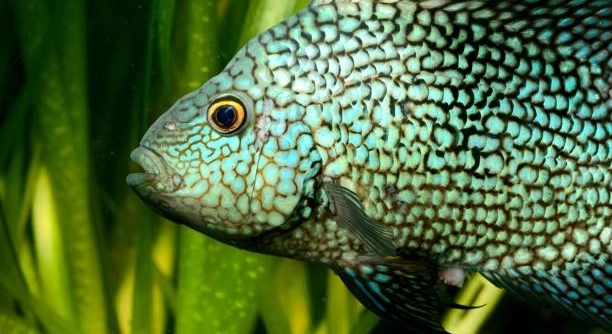
Jack Dempsey fish are popular in home aquariums because of their vibrant colors and bold personalities. These fish are hardy, but certain environmental and care factors can create stress that affects their health and behavior.
Jack Dempsey fish experience stress from sudden water changes, improper tank size, aggressive tank mates, fluctuating temperatures, poor water quality, inadequate hiding spaces, and inconsistent feeding routines. Each of these factors can negatively impact their well-being and lifespan if not managed.
Learning to recognize and reduce these stressors is essential for maintaining a healthy and lively aquarium environment for your Jack Dempsey fish.
Sudden Water Changes
Jack Dempsey fish are very sensitive to abrupt changes in their water environment. Rapid water changes can shock their system, affecting their gill function and overall behavior. Even small fluctuations in pH or temperature can make them hide, stop eating, or become aggressive. It is important to monitor water parameters carefully and make gradual adjustments when needed. Regular testing helps prevent unexpected problems. Using a water conditioner and matching temperature during changes reduces stress. Over time, consistent and gentle water maintenance builds a stable environment that supports healthy growth. Avoid cleaning the tank too aggressively or replacing too much water at once, as sudden shifts can cause long-term harm. Observing your fish during and after changes helps you understand their tolerance levels. Keeping the tank stable ensures your Jack Dempsey feels secure, comfortable, and less prone to illness caused by environmental stressors. Patience and careful planning make a significant difference in their health.
Gradual water adjustments prevent shock and maintain a stable environment for Jack Dempsey fish. Sudden changes can quickly disrupt their well-being and behavior.
Proper water management supports their immune system, reduces aggression, and encourages natural activity. Regular, small changes are safer than large, abrupt ones.
Aggressive Tank Mates
Jack Dempsey fish can become stressed when housed with overly aggressive or incompatible species. Territorial disputes and constant chasing can lead to injuries or loss of appetite. Choosing compatible tank mates minimizes stress and creates a calmer tank environment. Avoid overcrowding and provide plenty of hiding spaces.
Aggressive tank mates can dominate the aquarium, leaving Jack Dempsey fish constantly stressed and withdrawn.
Monitoring interactions is crucial, as even seemingly peaceful fish may trigger tension. Rearranging decorations or adding barriers can reduce confrontations. Selecting fish of similar size and temperament helps maintain harmony. Overcrowding increases competition for food and space, intensifying stress. Providing hiding spots like caves and plants allows Jack Dempsey fish to retreat when threatened. Regular observation ensures any signs of bullying or unusual behavior are addressed promptly. Adjusting the tank environment or separating aggressive individuals can restore balance. By carefully planning tank composition, you can protect your Jack Dempsey’s health and maintain a stable, calm aquatic environment where all species coexist without unnecessary conflict.
Fluctuating Temperatures
Sudden changes in water temperature can stress Jack Dempsey fish. These fish thrive in stable, warm conditions. Rapid drops or spikes can make them lethargic, reduce appetite, and weaken their immune system, increasing the risk of disease. Consistent heating and monitoring are essential.
Using a reliable aquarium heater with a thermostat helps maintain steady water temperature. Even a few degrees difference can cause noticeable stress, making the fish hide or act aggressively. Placing the tank away from direct sunlight or drafts prevents temperature swings. Checking the thermometer daily ensures conditions remain optimal. Small, gradual adjustments are safer than abrupt changes, allowing the fish to adapt naturally. Keeping water temperature consistent supports their metabolism, behavior, and overall health. In combination with proper filtration and water quality, a stable temperature reduces stress-related illnesses.
Jack Dempsey fish show calmer behavior when the water remains steady. Gradual adjustments, careful monitoring, and proper equipment protect their health, allowing them to thrive in the aquarium.
Poor Water Quality
Dirty or improperly maintained water causes stress in Jack Dempsey fish. High levels of ammonia, nitrites, or nitrates affect gills and overall health, making them more susceptible to illness. Regular testing and partial water changes are essential.
Consistently clean water supports strong immune systems and natural activity.
Neglecting water quality leads to cloudy water, foul odors, and visible algae growth, all signs of a stressed environment. Using a high-quality filtration system and performing weekly partial water changes reduces harmful chemicals and keeps the tank stable. Testing pH, ammonia, nitrites, and nitrates ensures safe levels. Avoid overfeeding, which contributes to waste accumulation. Removing uneaten food promptly prevents toxins from building up. Plants and decorations also trap debris, so cleaning them occasionally helps maintain water quality. Stable water conditions reduce stress, enhance coloration, and promote healthy behavior. By combining filtration, regular testing, and maintenance, Jack Dempsey fish remain active, healthy, and less prone to stress-related problems.
Inadequate Hiding Spaces
Jack Dempsey fish need places to retreat. Without rocks, caves, or plants, they feel exposed and stressed. Providing shelter helps them feel secure and reduces aggressive behavior toward tank mates.
Lack of hiding spots can make fish constantly defensive. Simple decorations and natural structures offer safety, improving their overall well-being.
Overfeeding
Overfeeding Jack Dempsey fish can lead to poor water quality and obesity. Excess food decomposes, raising ammonia levels and stressing the fish. Feeding small, measured portions once or twice daily keeps them healthy and prevents waste buildup in the tank.
Inconsistent Feeding Routines
Jack Dempsey fish thrive on predictable feeding schedules. Skipping meals or feeding at irregular times can cause stress and irritability. Consistent daily routines ensure proper nutrition, maintain energy levels, and support overall health. Predictability in feeding makes them more active, reduces aggression, and promotes natural behavior in the tank.
Loud Noises
Jack Dempsey fish are sensitive to vibrations and loud sounds. Tank placement near constant noise or sudden disturbances can startle them. Minimizing noise helps maintain calm behavior and reduces stress-related health issues.
FAQ
What is the best tank size for Jack Dempsey fish?
Jack Dempsey fish need plenty of space to swim and establish territory. A tank of at least 55 gallons for a single adult is recommended. Larger tanks reduce stress, prevent aggression, and allow room for decorations and hiding spots. Overcrowding can lead to fighting and health problems.
How often should I perform water changes?
Partial water changes should be done weekly, replacing about 20–30% of the tank water. This keeps ammonia, nitrite, and nitrate levels low. Using conditioned, temperature-matched water ensures minimal stress. Consistent maintenance helps Jack Dempsey fish stay healthy and active, supporting their immune system.
Which tank mates are suitable?
Choose tank mates that are similar in size and temperament. Avoid small or overly aggressive fish. Species like Silver Dollars, larger Catfish, or other medium to large cichlids can work. Always monitor interactions and provide hiding spaces to reduce territorial disputes and stress.
What water temperature is ideal?
Jack Dempsey fish thrive in temperatures between 75°F and 82°F. Sudden changes outside this range can cause stress and illness. A reliable heater with a thermostat helps maintain stability. Avoid placing the tank near drafts, air conditioners, or direct sunlight.
How do I know if my fish is stressed?
Signs of stress include hiding, rapid gill movement, loss of appetite, faded colors, and unusual aggression. Observing behavior daily can help catch early signs. Addressing water quality, tank mates, and environmental factors usually resolves stress-related issues.
What should I feed Jack Dempsey fish?
Provide a balanced diet including high-quality pellets, occasional frozen or live foods, and vegetables. Avoid overfeeding, as leftover food can degrade water quality. Feed small amounts once or twice daily, removing uneaten food promptly. Proper nutrition supports growth, coloration, and overall health.
Can Jack Dempsey fish live alone?
Yes, they can live alone comfortably, which often reduces stress from territorial disputes. However, they still need a spacious tank, hiding spots, and regular interaction with their environment to stay healthy and active.
How important are hiding spots?
Hiding spots are essential for reducing stress and aggression. Rocks, caves, and plants allow Jack Dempsey fish to retreat when threatened or during rest periods. A tank with no cover can make them defensive and increase the risk of injuries.
How often should I test water parameters?
Testing water at least once a week is ideal. Key parameters include pH, ammonia, nitrite, and nitrate levels. Monitoring ensures a stable environment and helps catch potential problems before they affect your fish’s health.
What are common causes of stress besides water quality?
Stress can also come from loud noises, sudden movements near the tank, aggressive tank mates, temperature fluctuations, and inconsistent feeding schedules. Addressing these factors ensures Jack Dempsey fish remain healthy, active, and display natural behavior.
Can stress affect their coloration?
Yes, stressed Jack Dempsey fish often show faded or dull colors. Stable water conditions, proper nutrition, and a calm tank environment help maintain their vibrant hues and overall appearance.
How can I reduce aggression in the tank?
Provide plenty of hiding spots, ensure adequate space, and avoid overcrowding. Choosing compatible tank mates and maintaining consistent routines also minimizes stress and aggressive behavior. Observation and timely adjustments are key to keeping a peaceful tank environment.
Is it safe to add new fish with Jack Dempsey?
New fish can be added if they are of similar size and temperament. Introduce them slowly, rearranging decorations to reduce territorial dominance. Quarantining new fish before adding them prevents disease spread and reduces stress on the existing population.
How long do Jack Dempsey fish usually live?
With proper care, they can live 8–10 years or longer. Stable water conditions, a balanced diet, and a stress-free environment are critical for longevity and maintaining overall health. Regular maintenance ensures they reach their full potential lifespan.
Can sudden movements near the tank stress them?
Yes, Jack Dempsey fish are sensitive to motion and vibrations. Sudden taps, loud noises, or frequent disturbances can make them hide or act aggressively. Placing the tank in a low-traffic area reduces unnecessary stress and promotes calm behavior.
How do I handle illness caused by stress?
Treat the underlying cause first, such as poor water quality or aggression. Medications may be used for specific diseases, but addressing environmental stressors is essential. Quarantine affected fish if necessary, and maintain clean, stable water conditions to prevent further illness.
What role does tank decoration play in stress reduction?
Decorations provide hiding spaces, reduce territorial disputes, and allow fish to explore safely. Rocks, caves, and plants give them control over their environment, which lowers stress and encourages natural behavior. Properly arranged decor balances security with open swimming areas.
How can I tell if my feeding schedule is appropriate?
Fish should eagerly eat the provided food within a few minutes. Uneaten food or constant begging may indicate overfeeding or inconsistent routines. A regular schedule with measured portions keeps Jack Dempsey fish healthy and reduces water contamination.
Are Jack Dempsey fish suitable for beginners?
They are moderately challenging. While hardy, they require careful attention to water quality, tank size, and compatible tank mates. Beginners can succeed with commitment to proper maintenance, monitoring stress signs, and creating a stable, enriched environment.
What is the most common mistake new owners make?
New owners often overfeed, overcrowd the tank, or introduce aggressive tank mates. Ignoring water quality or temperature fluctuations also causes stress. Consistent maintenance, careful planning, and observation prevent most common problems and ensure healthy, active fish.
How do I maintain long-term health for Jack Dempsey fish?
Regular water testing, a balanced diet, stable temperature, adequate tank space, hiding spots, and monitoring behavior are essential. Preventing stress and addressing environmental issues promptly ensures longevity, vibrant coloration, and natural behavior in your Jack Dempsey fish.
Jack Dempsey fish are beautiful and lively pets, but they require careful attention to their environment. Maintaining stable water quality, temperature, and pH levels is essential for their health. Sudden changes can stress them, affecting their appetite, behavior, and overall well-being. Providing a properly sized tank with enough swimming space is just as important. A cramped or overcrowded tank increases territorial disputes and can lead to injuries. Observing their behavior daily helps identify early signs of stress, allowing you to address problems before they escalate. Small, consistent efforts in tank maintenance create a stable and secure home, which reduces stress and promotes long-term health.
In addition to environmental care, Jack Dempsey fish need proper nutrition. Overfeeding can pollute the water and lead to obesity, while underfeeding can weaken their immune system. A balanced diet that includes high-quality pellets, occasional live or frozen foods, and vegetables supports their growth, coloration, and energy levels. Feeding on a consistent schedule also helps reduce stress, as the fish can predict when to eat and remain active throughout the day. Providing hiding spaces such as caves, plants, or decorations gives them a sense of security. These areas allow them to retreat during times of stress or aggression, reducing tension within the tank. Thoughtful tank arrangement, combined with proper feeding, creates a comfortable and natural environment that encourages healthy behavior.
Finally, understanding Jack Dempsey fish behavior and needs is key to keeping them healthy. Aggression, hiding, or color fading often signal stress caused by environmental factors, incompatible tank mates, or poor care routines. Addressing these issues promptly prevents illness and improves quality of life. Regular maintenance, careful selection of tank mates, and monitoring of feeding and water conditions are all part of responsible ownership. By paying attention to these details, you create an aquarium where Jack Dempsey fish can thrive. A stable, clean, and enriched environment allows them to display natural behaviors, remain active, and develop their vibrant coloration over time. With patience and consistency, caring for Jack Dempsey fish can be a rewarding experience, giving you healthy, lively, and stress-free pets.

Hello,
If you enjoy the content that we create, please consider saying a "Thank You!" by leaving a tip.
Every little bit helps us continue crafting quality advice that supports the health, happiness, and well-being of pets around the world, for pets of all shapes, sizes, and species.
We really appreciate the kindness and support that you show us!