
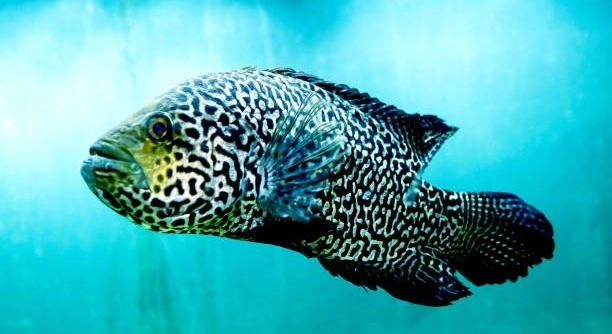
Jack Dempsey fish are popular among aquarium enthusiasts for their striking colors and lively personalities. Caring for them involves understanding their preferences, especially regarding the substrate in their tank. The choice of gravel or sand can affect their comfort.
Research indicates that Jack Dempsey fish prefer sand over gravel. Sand provides a softer surface for digging, reduces the risk of injury to their delicate mouths, and better supports natural behaviors, contributing to overall health and well-being.
Choosing the right substrate can make a noticeable difference in their activity and happiness. Learning these details ensures a healthier and more vibrant aquarium environment.
Why Sand Feels Right for Jack Dempsey Fish
Sand creates a soft and natural environment that Jack Dempsey fish seem to enjoy. They often sift through it, searching for small bits of food or just exploring. Gravel can be harder and sharp, which may hurt their mouths when they dig. Sand also allows them to exhibit natural behaviors, such as rearranging the substrate or making small pits. Over time, this can reduce stress and encourage active movement. A sand substrate helps maintain cleaner water since uneaten food tends to stay on top and can be removed easily. It also prevents debris from getting trapped in sharp gravel edges, reducing bacterial growth. The texture of sand is gentle on their fins and bellies, making it ideal for both juvenile and adult fish. Choosing sand over gravel is a simple change that can greatly improve their comfort and overall well-being.
Sand is safer for digging and encourages natural behaviors, improving both comfort and tank cleanliness for Jack Dempsey fish.
Using sand requires some attention to maintenance. Regular gentle siphoning can prevent detritus buildup, and rinsing sand before adding it to the tank removes dust. Avoid compacting it too tightly, as this can reduce water flow and cause anaerobic pockets, which may harm the fish. Combining sand with occasional decor like rocks or driftwood creates hiding spots without restricting digging. Monitoring water parameters is still important because sand alone doesn’t control ammonia or nitrate levels. Over time, sand will settle evenly, creating a smooth, natural-looking base that mimics their natural habitat. The fish will likely spend more time near the bottom, exploring and sifting through the substrate. Observing their behavior can indicate whether the sand is suitable, as active digging and comfortable movement are positive signs. Proper care of sand can provide a healthy, stimulating environment that supports growth, coloration, and activity.
Gravel: Why It’s Less Ideal
Gravel may seem easier to manage, but it poses risks for Jack Dempsey fish. Small stones can injure their mouths during digging or feeding.
The uneven texture makes it harder for them to sift through food or explore safely. Debris can settle between pieces, increasing cleaning needs and the chance of bacterial buildup. Gravel also doesn’t allow them to exhibit natural digging behaviors comfortably, which can lead to frustration or reduced activity. Fish may avoid certain areas of the tank if they feel exposed or uncomfortable. While some hobbyists prefer gravel for aesthetic reasons, it requires careful monitoring to maintain a healthy environment. Over time, sharp or large gravel pieces can damage delicate fins, leading to stress or illness. Replacing gravel with sand, or using a mix with smooth, rounded stones, can provide both visual appeal and safety. Making thoughtful substrate choices is key to maintaining a vibrant, healthy Jack Dempsey fish habitat.
Maintaining a Clean Sand Substrate
Regular siphoning is essential to keep sand clean. Uneaten food and waste can accumulate on the surface, so gentle cleaning helps maintain water quality and prevents harmful buildup.
Proper maintenance of sand involves careful attention to both cleaning and aeration. Avoid stirring too deeply, which can release trapped debris and cloud the water. Using a siphon with a gentle flow ensures waste is removed without disturbing the fish. Periodically checking for compacted areas helps prevent anaerobic pockets that could harm the tank environment. Sand benefits from routine rinsing during water changes, which keeps particles suspended and easy to remove. Over time, consistent care creates a stable, safe substrate that supports the fish’s health and natural behaviors. Observing the fish while cleaning ensures they remain comfortable and stress-free.
Sand should not be overly compacted, as this limits water flow. Layering it with small decorative stones can add stability while still allowing the fish to dig naturally. Proper aeration and occasional rearrangement prevent stagnant zones. Maintaining the substrate enhances overall tank hygiene and creates a more natural environment that encourages active, healthy behavior in Jack Dempsey fish. Regular monitoring and consistent cleaning routines ensure both comfort and long-term water quality.
Feeding and Behavior Considerations
Sand influences how Jack Dempsey fish interact with their environment. They often sift and dig, which affects feeding patterns and activity levels.
Feeding on a sand substrate allows uneaten food to remain visible, making it easier to remove and monitor intake. The soft texture reduces stress while digging and encourages natural behaviors, such as uncovering hidden treats or exploring small pits. Over time, fish tend to become more active and confident, reflecting improved comfort in their habitat. Sand also supports healthier fin and mouth conditions, as there is less risk of abrasion or injury compared to gravel. Behavioral observation can guide adjustments in feeding routines, ensuring both nutrition and engagement. The combination of sand and proper feeding practices creates a balanced, stimulating environment.
Consistent observation is key to understanding how substrate affects behavior. Adjusting feeding strategies to match the fish’s digging patterns helps prevent waste accumulation. Monitoring their interactions with sand can indicate if the substrate is meeting their needs. Properly timed feedings and careful portion control ensure the fish remain active, healthy, and stress-free. Choosing sand encourages natural instincts while maintaining a cleaner, more manageable tank environment that benefits both fish and caretaker.
Sand Depth and Placement
A sand layer of two to three inches works best for Jack Dempsey fish. It allows them to dig and sift naturally without compacting too tightly or causing stagnant zones.
Placing sand evenly across the tank provides a smooth surface for activity. Uneven layers can lead to debris accumulation or unstable digging spots, which may stress the fish.
Mixing Sand with Decorations
Combining sand with rocks or driftwood creates hiding spots while preserving natural digging areas. Fish can explore without risk of injury from hard surfaces, and it adds visual interest. Sand around decorations should be gently layered to prevent compacted areas and support water flow.
Observing Fish Interactions
Watching how Jack Dempsey fish interact with sand helps determine comfort levels. Active digging, sifting, and even playful movements indicate they are thriving in the substrate.
Avoiding Common Mistakes
Overcompacting sand or adding sharp gravel can harm mouths and fins. Smooth sand prevents injuries and supports healthy behavior.
FAQ
Do Jack Dempsey fish prefer sand or gravel?
Jack Dempsey fish show a clear preference for sand over gravel. Sand allows them to dig and sift safely without harming their mouths or fins. Gravel can be sharp or uneven, which may cause injuries and discourage natural behaviors. A sand substrate supports comfort, activity, and overall health.
How deep should sand be for Jack Dempsey fish?
A sand layer of two to three inches is ideal. This depth provides enough material for digging and sifting without compacting too tightly. Shallow sand may limit natural behaviors, while very deep layers can create anaerobic spots that reduce water quality. Even placement is important to maintain a stable surface.
Can Jack Dempsey fish dig safely in sand?
Yes, sand is gentle enough to support digging and sifting behaviors. Observing them dig is normal and indicates comfort. They often create small pits or move sand around while searching for food. Proper maintenance ensures sand doesn’t compact or trap debris, keeping it safe for continuous activity.
Do I need to clean sand differently than gravel?
Cleaning sand requires gentle siphoning to remove waste without disturbing the fish. Avoid stirring deeply, which can cloud water. Rinsing sand during water changes helps remove fine particles. Gravel traps debris in crevices, making sand easier to maintain for active fish like Jack Dempsey. Regular observation helps identify problem areas.
Will sand affect water quality?
Sand itself does not negatively affect water quality if properly maintained. Uneaten food and waste should be siphoned regularly. Overcompacted sand can create anaerobic pockets, which may release harmful gases. With routine care, sand maintains a stable environment that supports healthy fish behavior and cleaner water.
Can I mix sand and gravel for Jack Dempsey fish?
Yes, but it’s important to use smooth, rounded gravel if mixing. Sharp or large pieces can injure the fish. A mix can provide visual variety, but the majority should remain sand to allow safe digging. Decorations like driftwood or rocks can be added without covering the sand layer completely.
Do Jack Dempsey fish need hiding spots in sand tanks?
Yes, sand works best when paired with rocks, driftwood, or plants to create secure areas. Hiding spots reduce stress, encourage natural exploration, and provide a retreat during aggressive interactions. Make sure decorations are stable and do not trap sand in a way that could block water flow.
How do I prevent sand from compacting?
Avoid pressing sand too firmly or layering it too thickly. Occasional gentle stirring during siphoning keeps it loose. Over time, natural movement from fish will prevent compaction. Even placement and monitoring of high-activity areas ensure consistent texture, supporting both comfort and healthy behavior.
Will sand improve Jack Dempsey behavior?
Yes, sand encourages natural behaviors like digging, sifting, and exploring. Fish become more active, confident, and less stressed when their environment mimics their natural habitat. Observing these behaviors helps confirm that the substrate meets their needs and contributes to overall well-being.
Is sand better for young or adult Jack Dempsey fish?
Sand benefits both juveniles and adults. Young fish are less likely to injure themselves compared to gravel, and adults can fully engage in digging and sifting behaviors. Maintaining consistent sand quality supports growth, reduces stress, and encourages active, healthy movement throughout life.
How often should sand be replaced?
Sand does not need frequent replacement if properly maintained. Occasional rinsing during water changes and regular siphoning are usually sufficient. Replace sand only if it becomes compacted, contaminated, or develops strong odors. Consistent care ensures longevity and a safe, natural environment.
Can Jack Dempsey fish eat sand accidentally?
Yes, they may ingest small amounts while sifting. Sand is generally safe in small quantities, as it passes through their digestive system without harm. Avoid fine, dusty sand that may cause irritation, and maintain water cleanliness to reduce the risk of ingestion-related issues.
Does substrate choice affect tank aesthetics?
Sand creates a smooth, natural look that enhances the tank’s appearance while supporting fish health. Mixing with safe decorations adds visual interest without compromising safety. Gravel may look appealing but requires careful selection to prevent injury and maintain a safe environment.
How do I transition from gravel to sand?
Remove most of the gravel and gently add sand in layers. Rinse thoroughly before adding water to reduce cloudiness. Introduce fish gradually if possible, monitoring behavior for stress. Proper layering and observation help ensure a smooth transition and continued healthy behavior.
Are there any special tools needed for sand maintenance?
A gentle siphon and a fine mesh net are sufficient for routine cleaning. Avoid using strong vacuums that disturb fish or sand. Occasional rearrangement of decorations and monitoring of compacted areas help maintain a safe, clean environment. Consistency in maintenance ensures long-term comfort and cleanliness.
Can sand help prevent diseases in Jack Dempsey fish?
Yes, a clean sand substrate reduces trapped debris that could harbor harmful bacteria or parasites. Gentle cleaning and avoiding compacted areas prevent anaerobic pockets. Maintaining healthy water parameters with regular siphoning and observation supports disease prevention and promotes overall vitality.
Is fine or coarse sand better?
Fine sand is preferable because it is soft on the fish’s mouth and allows easy digging. Coarse sand may be rough and uncomfortable, reducing natural behaviors. Proper rinsing before use ensures dust is removed, keeping water clear and the fish healthy.
Do plants grow better in sand for Jack Dempsey tanks?
Certain plants can grow in sand if anchored properly, though sand alone may not provide nutrients. Rooted plants may require additional substrate or fertilizers. Sand supports natural digging while allowing fish to move freely without harming plants or creating unsafe conditions.
Can sand affect filtration?
Sand settles differently than gravel and may require careful positioning of filters to avoid disturbance. Using gentle flow prevents sand from clogging intakes while maintaining water circulation. Proper placement ensures both clean water and a stable substrate for the fish.
How long does it take for sand to settle in a new tank?
Sand typically settles within a few days after adding water. Rinsing before placement reduces dust and prevents cloudiness. Once settled, the surface is smooth, allowing fish to begin normal digging and sifting behavior safely. Observation during this period ensures stability and comfort.
Is sand suitable for all Jack Dempsey tank setups?
Sand is ideal for most setups but should be paired with adequate space, hiding spots, and proper water flow. Tanks with very high activity or strong currents may require monitoring to prevent sand displacement. Overall, sand supports health, behavior, and a natural environment.
How does sand affect tank cleaning routines?
Sand requires gentle cleaning with a siphon to remove debris. Unlike gravel, there are no gaps for waste to hide, making it easier to manage. Regular care keeps the substrate safe, maintains water clarity, and allows fish to engage in natural behaviors without stress.
Can sand be reused if switching tanks?
Yes, sand can be rinsed and sterilized before reuse. Removing debris and baking or boiling it ensures safety for new fish. Reusing sand saves costs while maintaining a substrate that supports natural behavior and comfort. Proper preparation is essential to prevent contamination or health issues.
Do Jack Dempsey fish bury objects in sand?
Yes, they sometimes bury food, small decorations, or substrate while digging. This behavior is normal and reflects natural instincts. Sand makes this activity safe and stress-free, while gravel or sharp substrates can discourage or injure them during these natural movements.
How does sand affect feeding habits?
Sand allows uneaten food to remain visible on the surface, making removal easier and reducing waste. Fish can sift through the substrate naturally while feeding, which encourages activity and supports healthy digestion. Proper feeding practices combined with sand maintain both nutrition and engagement.
Are there alternatives to sand that are safe?
Some smooth, rounded substrates mimic sand and can be safe, but they must be soft enough for digging. Avoid sharp gravel or rough materials. Alternatives may require additional cleaning or monitoring, while sand remains the simplest, safest choice for Jack Dempsey fish.
Does sand influence tank temperature or chemistry?
Sand has minimal effect on temperature but can slightly influence pH depending on composition. Washed, inert sand is safe for most setups. Regular water testing ensures stable chemistry while providing a substrate that supports health and natural behavior.
Can multiple Jack Dempsey fish share a sand substrate?
Yes, multiple fish can share sand, but it’s important to monitor digging and territorial behavior. Proper depth and even placement prevent stress or competition for safe areas. Sand accommodates several fish while supporting natural activity and reducing the risk of injury.
Is colored sand safe for Jack Dempsey fish?
Natural-colored sand is safest, as dyes in some colored sand may leach chemicals. If using colored sand, ensure it is aquarium-safe and thoroughly rinsed. Observing fish behavior after introduction confirms compatibility and avoids health risks.
How does sand affect aquarium aesthetics?
Sand creates a smooth, natural look that complements fish colors and tank decorations. It allows clear visibility of fish behaviors and enhances tank design without compromising safety. Proper care maintains both appearance and health, making it a practical choice.
Can sand cause cloudy water initially?
Yes, dust from sand can cloud water when first added. Rinsing before placement and allowing it to settle prevents long-term cloudiness. Gentle siphoning during the first few days helps clarify water while keeping fish comfortable.
What is the best sand type for Jack Dempsey fish?
Fine, smooth, washed sand is ideal. It supports digging, prevents injuries, and keeps water clear. Avoid powdered or rough sand that may irritate the fish or cloud water excessively. Proper selection enhances comfort, behavior, and tank maintenance.
How do I monitor sand for safety over time?
Observe fish behavior and inspect the surface for compaction or debris buildup. Gentle stirring and siphoning during water changes prevent anaerobic pockets. Maintaining even, clean sand ensures long-term safety, supports natural behaviors, and promotes overall fish health.
Can sand help reduce aggression in Jack Dempsey tanks?
Indirectly, yes. Sand allows fish to establish territories by digging and creating pits, reducing conflicts over space. Comfortable substrate supports normal activity and hiding behaviors, which can minimize stress-related aggression. Proper tank layout combined with sand promotes a balanced environment.
Does sand affect the longevity of aquarium equipment?
Sand is generally safe for filters and heaters if properly maintained. Avoid stirring too vigorously or allowing sand to clog intakes. Consistent care ensures equipment functions effectively while providing a stable, comfortable substrate for the fish.
How long does sand last in a tank?
With proper care, sand can last many years. Routine cleaning, observation, and occasional rinsing maintain its safety and appearance. Unlike gravel, it does not need frequent replacement, making it a durable and practical choice for Jack Dempsey tanks.
Can sand support live plants for hiding spots?
Yes, sand can support anchored plants if supplemented with root tabs or nutrient-rich substrate beneath. Plants provide shelter, reduce stress, and enhance aesthetics while sand remains safe for digging and natural behaviors. Careful selection ensures both fish and plants thrive.
Do Jack Dempsey fish rearrange sand?
Yes, digging and moving sand is common. This behavior indicates comfort and natural instincts. Sand provides a safe, soft substrate for this activity, unlike gravel, which may discourage movement or cause injuries. Observation confirms substrate suitability.
How do I prevent anaerobic pockets in sand?
Regular gentle stirring and siphoning prevent compaction. Avoid layering too thickly or overdecorating, which can trap debris. Consistent observation and maintenance keep sand healthy, safe, and supportive of natural behaviors in Jack Dempsey fish.
Is it safe to combine sand with other substrates long-term?
Yes, as long as other materials are smooth and non-abrasive. The majority should remain sand to ensure safe digging and natural behaviors. Proper placement and monitoring prevent injury and maintain water quality.
Can sand help with breeding Jack Dempsey fish?
Yes, sand provides a suitable surface for digging and preparing nesting areas. Gentle substrate supports natural breeding behaviors, reducing stress and promoting successful egg laying and care. Observation ensures conditions remain safe.
Does sand affect lighting or reflections in the tank?
Sand can brighten the tank by reflecting light softly, enhancing fish colors. Unlike gravel, it creates a uniform surface, reducing harsh reflections and providing a more natural, visually appealing environment. Proper care maintains clarity and aesthetics.
Can I use aquarium-safe additives with sand?
Yes, but they should not compact or alter sand texture. Additives can help plant growth or water chemistry, but care must be taken to maintain safe digging areas. Observation ensures compatibility with fish behavior.
How do I introduce sand to an established tank?
Remove debris and layer sand gently over the bottom. Rinse thoroughly, add water slowly, and monitor fish for stress. Gradual introduction prevents disruption, maintains water clarity, and allows fish to adjust safely.
Does sand help maintain natural coloration in Jack Dempsey fish?
Yes, soft sand supports natural behaviors and reduces stress, which can enhance coloration. Comfortable fish that dig and explore freely tend to display healthier, more vibrant colors over time.
Can sand trap uneaten food effectively?
Sand keeps food visible on the surface, making it easy to remove during cleaning. It does not trap debris in gaps like gravel, reducing bacterial growth and maintaining water quality while supporting feeding behaviors.
How often should sand be stirred?
Gentle stirring during siphoning every water change prevents compaction. Avoid excessive disruption to maintain comfort and water clarity. Regular maintenance ensures a stable, safe substrate for Jack Dempsey fish.
Is sand compatible with all tank filters?
Yes, most filters work with sand if intake flow is gentle. Avoid strong suction that can disturb substrate. Proper placement ensures effective filtration while maintaining a safe environment for the fish.
Can sand cause pH changes?
Inert, washed sand has minimal effect on pH. Monitor water regularly, as other factors like decorations or water source influence chemistry more. Proper selection and testing ensure stability.
Do Jack Dempsey fish show preferences within a sand substrate?
Yes, they may favor softer or slightly deeper areas for digging and sifting. Observation helps identify preferred zones, allowing adjustments in layout for comfort and natural behavior.
Can sand reduce aggression in multi-fish tanks?
Sand supports territory creation through digging, which can reduce disputes. It allows fish to mark spaces and express natural instincts, lowering stress and aggressive encounters. Proper layout enhances this effect.
Is it necessary to quarantine sand before use?
Rinsing thoroughly is usually sufficient. Boiling or baking is optional but can sterilize and remove dust. Clean sand ensures a safe, healthy substrate before introducing fish.
How do I maintain aesthetics with sand over time?
Regular siphoning, rinsing, and gentle stirring keep the surface smooth. Combining with safe decorations adds visual interest without disrupting natural behaviors. Proper care maintains both appearance and functionality.
Can sand support natural territorial behavior?
Yes, digging and pit creation allow Jack Dempsey fish to establish personal spaces. This reduces stress and supports healthy interactions among multiple fish in the same tank.
Are there risks of sand erosion?
High currents or heavy water flow can move sand. Even placement, proper filtration, and gentle water changes minimize erosion while maintaining a safe environment.
Does sand help juvenile fish develop natural skills?
Yes, young Jack Dempsey fish learn digging and sifting early. Sand provides a safe, soft surface to practice these behaviors without injury, supporting long-term health and activity.
Can sand trap toxins?
Sand can trap debris if not cleaned regularly, but proper maintenance prevents toxin buildup. Gentle siphoning and routine observation keep the substrate safe for fish and water quality stable.
How do I prevent sand from getting too compacted in high-traffic areas?
Gently redistribute sand during siphoning and monitor digging zones. Over time, fish movement naturally prevents compaction. Avoid heavy decorations or over-layering, which can reduce substrate safety.
Is natural or synthetic sand better?
Natural, washed sand is safest and supports healthy behavior. Synthetic alternatives must be aquarium-safe and soft. Choosing proper sand ensures safety, comfort, and long-term substrate stability.
Can sand reduce stress in Jack Dempsey fish?
Yes, sand encourages natural digging, sifting, and exploration. Comfortable substrate reduces stress, supports activity, and promotes overall well-being. Observation confirms suitability.
How does sand impact filtration cleaning frequency?
Sand may slightly increase surface debris visibility, prompting more frequent siphoning. Filters generally function normally, but gentle maintenance prevents clogging while keeping the substrate clean.
Are there health risks with sand if not maintained?
Neglected sand can compact or trap waste, creating harmful anaerobic pockets. Regular siphoning and monitoring prevent bacterial buildup and support fish health and safe behaviors.
Does sand affect oxygen levels in the tank?
Properly maintained sand does not significantly impact oxygen. Compacted or thick layers may reduce water flow locally, so occasional gentle stirring ensures adequate circulation.
Can sand be used with other cichlid species?
Yes, many cichlids prefer sand. Monitor interactions, as some species dig more aggressively. Sand supports natural behaviors and safe tank conditions for various fish.
How do I check sand for debris buildup?
Gently run fingers or a siphon across the surface. Visible detritus or darkened areas indicate cleaning is needed. Regular observation ensures safety and comfort.
Does sand affect feeding efficiency?
Sand allows Jack Dempsey fish to sift naturally while searching for food, enhancing engagement. Uneaten particles remain visible for removal, maintaining clean water and supporting proper nutrition.
Can sand reduce fin damage?
Yes, soft sand is gentler than gravel. Fish can dig and explore without sharp edges causing tears or abrasions, supporting healthy fins and overall activity.
Is sand compatible with aquarium heaters?
Yes, sand does not interfere with heaters if placed properly. Ensure it does not cover heating elements in a way that reduces water circulation. Proper layout maintains safe, even temperature.
How do I prevent anaerobic zones in deep sand layers?
Keep sand no deeper than three inches and maintain gentle stirring during cleaning. Avoid tight compaction or over-layering, which can trap waste and reduce water flow. Proper monitoring prevents unsafe pockets.
Does sand affect water clarity over time?
With rinsing and regular siphoning, sand maintains clear water. Cloudiness usually occurs only during initial placement or disturbance, resolving quickly with proper care.
Can sand be used in planted tanks with Jack Dempsey fish?
Yes, with root tabs or nutrient layers, plants can thrive while fish dig safely. Sand supports both plant stability and fish comfort, creating a balanced habitat.
How do I introduce Jack Dempsey fish to a sand tank?
Add sand first, rinse, and fill water gradually. Monitor fish behavior for comfort and allow them to explore naturally. Proper introduction ensures minimal stress and safe adjustment.
**Are there long-term benefits
Jack Dempsey fish are striking and active cichlids that benefit greatly from a well-considered tank environment. The substrate plays a central role in their comfort, behavior, and overall health. Sand has proven to be the most suitable choice for these fish, as it allows them to engage in natural digging and sifting behaviors without risking injury. Unlike gravel, which can be sharp or uneven, sand provides a smooth and soft surface that is gentle on their mouths and fins. Over time, fish living on sand tend to display more active, confident, and exploratory behavior. This substrate also contributes to a cleaner tank environment, since debris tends to remain on the surface where it can be removed easily during regular siphoning. Observing the fish interacting with sand gives a good indication of their comfort and helps guide maintenance practices, ensuring the tank remains safe and healthy. For anyone keeping Jack Dempsey fish, choosing sand as a primary substrate is a straightforward way to support both their natural instincts and long-term well-being.
Maintaining sand in a tank requires a bit of attention, but the benefits outweigh the effort. Regular gentle siphoning removes uneaten food and waste without disturbing the fish or clouding the water. It is important to avoid compacting sand too tightly, as this can create anaerobic pockets that may negatively affect water quality and fish health. Layering the sand evenly and pairing it with stable decorations such as rocks, driftwood, or anchored plants provides hiding spaces and visual interest while still allowing the fish to dig freely. Monitoring the tank for compacted areas or debris accumulation ensures a safe and stimulating environment. Over time, the fish will naturally interact with the substrate, redistributing sand and keeping it in a usable state. These practices not only support the physical health of the fish but also promote natural behaviors that are essential for their mental stimulation and stress reduction.
Choosing the right substrate also has long-term advantages for tank management and aesthetics. Sand maintains a smooth, natural look that highlights the vibrant colors of Jack Dempsey fish, while also providing a stable foundation for plants or decorative elements. Proper care and maintenance of the sand contribute to a healthier tank environment, making routine cleaning easier and more efficient. Fish are more likely to thrive when their natural behaviors are supported, which in turn reduces stress and the risk of aggression or illness. In addition, sand’s ability to show uneaten food or debris on the surface allows for more precise maintenance, improving water quality and supporting the overall health of the tank. By understanding the needs of Jack Dempsey fish and providing an appropriate substrate, keepers can create an environment that balances practicality, aesthetics, and the well-being of their fish, ensuring a long-lasting and enjoyable aquarium experience.

Hello,
If you enjoy the content that we create, please consider saying a "Thank You!" by leaving a tip.
Every little bit helps us continue crafting quality advice that supports the health, happiness, and well-being of pets around the world, for pets of all shapes, sizes, and species.
We really appreciate the kindness and support that you show us!