
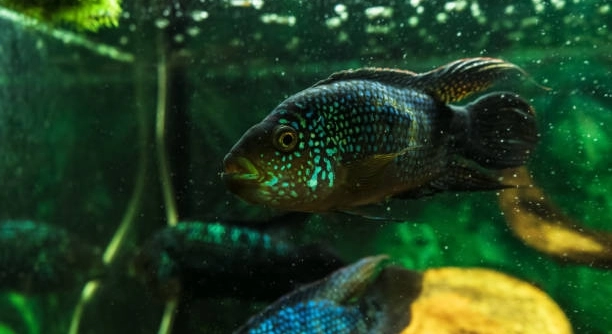
Jack Dempsey fish are known for their striking colors and lively personalities. Many aquarists enjoy keeping them, but sometimes these fish may refuse to eat, leaving owners concerned about their health and well-being.
Jack Dempsey fish may stop eating due to stress, poor water quality, improper diet, disease, aggressive tank mates, sudden environmental changes, or inadequate hiding spots. Addressing these factors promptly is essential to maintain their health and feeding habits.
Understanding these common reasons will help ensure your Jack Dempsey remains healthy and active in its tank environment.
Stress in the Tank
Stress is one of the main reasons Jack Dempsey fish may refuse food. Changes in their environment, such as moving the tank or rearranging decorations, can make them uneasy. Overcrowding or aggressive tank mates also increase stress, affecting their appetite. Even subtle changes in lighting or water flow can cause anxiety. Stress weakens their immune system, making them more prone to illness and reducing interest in feeding. Observing your fish closely for signs of hiding, rapid gill movement, or erratic swimming can help identify stress early. Reducing disturbances, providing hiding spots, and keeping a consistent routine helps them feel safe. Gradually adjusting water temperature and minimizing sudden changes also support a calm environment. A peaceful tank encourages Jack Dempsey fish to feed normally, maintain bright coloration, and remain active.
Managing stress improves appetite and overall health. Calm surroundings and stable conditions are essential to maintain regular feeding behavior.
Proper tank setup includes plants, rocks, and shelters where the fish can retreat. Avoid sudden changes in water parameters and limit handling. Small adjustments over time help them acclimate. Feeding in the same area and at the same time creates a predictable routine, encouraging them to eat. Stress reduction is key to preventing long-term feeding issues and promoting vitality.
Poor Water Quality
Dirty or unbalanced water can make Jack Dempsey fish stop eating. High ammonia or nitrite levels, incorrect pH, or fluctuating temperatures can upset their system, leading to refusal of food.
Maintaining clean, stable water is critical. Regular testing and partial water changes prevent toxins from accumulating and support healthy feeding habits.
Water quality issues can stress fish and trigger disease, which further decreases appetite. Filtration should be adequate for the tank size, and substrate should be cleaned to remove debris. Consistent monitoring of temperature, pH, and hardness ensures the environment stays comfortable. Even minor changes can affect feeding, so gradual adjustments are best. A clean tank encourages active, confident fish willing to eat. Using a reliable water conditioner and performing weekly partial changes helps remove harmful compounds. Proper water management supports digestion and prevents nutrient loss. A well-maintained tank enhances coloration, energy, and interest in food, making feeding predictable and enjoyable for your Jack Dempsey fish.
Improper Diet
Jack Dempsey fish may refuse food if their diet is not varied or suitable. Feeding only flakes or pellets can lead to boredom or nutritional gaps, reducing interest in eating.
A balanced diet including high-quality pellets, frozen or live foods like bloodworms, brine shrimp, and occasional vegetables keeps them healthy. Rotating food types helps prevent selective feeding and ensures they get the nutrients needed for growth and strong immunity. Overfeeding can also be a problem, causing bloating or discomfort, which may make them skip meals. Observing how they respond to different foods allows you to adjust portions and variety, keeping their appetite steady and encouraging consistent feeding habits.
Introducing new foods slowly prevents digestive upset. Offering small portions multiple times a day mimics natural feeding behavior. Proper nutrition directly impacts energy levels, coloration, and willingness to feed. Feeding responsibly supports long-term health and keeps Jack Dempsey fish active and thriving in their tank environment.
Aggressive Tank Mates
Jack Dempsey fish may stop eating if other fish in the tank are aggressive. Constant chasing or bullying can make them hide and avoid food, impacting their overall health.
Separating aggressive species or providing more hiding spaces reduces stress and encourages normal feeding. Careful selection of compatible tank mates helps maintain a peaceful environment, allowing Jack Dempsey fish to feel secure and eat without fear.
Observing interactions is important. Even moderately aggressive fish can intimidate Jack Dempsey, causing skipped meals or food guarding behavior. Adding plants, rocks, or caves gives them safe zones to retreat and eat calmly. Providing multiple feeding spots helps reduce competition and ensures every fish gets nutrition. Monitoring aggression patterns and adjusting tank composition or layout can prevent long-term feeding issues. Creating a calm environment with clear territories and minimal confrontations supports appetite and overall well-being, ensuring your fish remain healthy and active in the tank.
Sudden Environmental Changes
Jack Dempsey fish may refuse food after sudden changes in their environment. Moving the tank, rearranging decorations, or changing water parameters quickly can unsettle them and affect appetite.
Gradual adjustments help them adapt. Slowly changing water temperature, pH, or lighting allows the fish to feel safe and encourages normal feeding behavior.
Disease or Parasites
Illness and parasites often cause a loss of appetite in Jack Dempsey fish. Symptoms such as lethargy, clamped fins, or spots on the body indicate health problems that require attention. Treating infections early improves recovery and restores feeding habits.
Inadequate Hiding Spots
Jack Dempsey fish may avoid food if they do not have enough hiding places. Feeling exposed can cause stress and reduce interest in eating.
Providing caves, plants, or rock formations allows them to retreat, feel secure, and feed comfortably without worry.
FAQ
Why is my Jack Dempsey fish not eating even though everything seems fine?
Sometimes Jack Dempsey fish stop eating despite appearing healthy. Stress, minor water fluctuations, or subtle changes in tank environment can reduce appetite. Even if water parameters are stable, overcrowding or overly bright lighting can make them uneasy. Observing their behavior and providing hiding spots often helps restore normal feeding.
How long can Jack Dempsey fish go without eating?
Jack Dempsey fish are resilient and can survive a short period without food, typically up to a week. However, prolonged fasting weakens their immune system and makes them more susceptible to disease. Monitoring their activity and health during this time is important. Offering small, frequent meals can encourage them to start eating again.
Can feeding live food help picky Jack Dempsey fish?
Yes, live food such as bloodworms, brine shrimp, or small feeder fish can stimulate appetite. It mimics natural hunting behavior and can entice fish that are refusing prepared foods. Introduce live food gradually and ensure it is disease-free to avoid infections or parasites.
Will water temperature affect feeding habits?
Absolutely. Jack Dempsey fish prefer water between 75–82°F (24–28°C). Temperatures outside this range can slow metabolism, reduce energy, and cause loss of appetite. Maintaining a stable temperature with a reliable heater and thermometer helps keep feeding consistent and supports digestion and overall health.
Could tank mates be the reason my fish is not eating?
Aggressive or overly active tank mates can intimidate Jack Dempsey fish, causing them to hide and skip meals. Providing hiding spots, separating aggressive fish, or choosing compatible species reduces stress and encourages normal feeding behavior. Feeding in multiple areas of the tank also ensures they get enough food.
How do I know if my Jack Dempsey fish is sick?
Signs of illness include clamped fins, pale coloration, lethargy, labored breathing, or spots and lesions on the body. Loss of appetite is often one of the first indicators. Early detection and treatment of disease or parasites increase the chances of recovery. Quarantining new fish can prevent the spread of illness.
Can stress from handling affect appetite?
Yes, frequent handling or moving the fish can cause stress, leading to food refusal. Minimizing disturbances, keeping a stable routine, and only handling when necessary helps them feel secure and improves feeding habits. Using nets carefully or avoiding unnecessary transfers reduces stress.
Is overfeeding a problem for Jack Dempsey fish?
Overfeeding can cause bloating, constipation, or digestive discomfort, leading to refusal of food. Offering small, controlled portions and feeding once or twice a day according to size and age prevents these issues. Observing their response to each meal helps adjust feeding amounts properly.
Can changing the type of food help?
Yes, rotating between pellets, frozen food, and live food keeps Jack Dempsey interested in eating. Monotonous diets can lead to picky behavior. Introduce new foods gradually to avoid digestive upset and ensure proper nutrition. Consistency in feeding times also encourages regular eating.
What role does tank cleanliness play in feeding?
Dirty or poorly maintained tanks create stress and may discourage eating. Ammonia, nitrite, or nitrate buildup can harm the fish’s health and reduce appetite. Regular water changes, proper filtration, and substrate cleaning help maintain a safe, comfortable environment that encourages feeding and overall well-being.
How can I encourage a hesitant Jack Dempsey to eat?
Offering live or frozen foods, reducing tank disturbances, providing hiding spots, and maintaining optimal water conditions can entice feeding. Gradual adjustments, consistent schedules, and observing behavior help identify specific reasons for refusal. Patience and careful monitoring usually restore normal eating patterns.
Is it normal for Jack Dempsey fish to eat less at times?
Yes, occasional reduced appetite can occur during stress, breeding, or minor environmental changes. Temporary changes are normal, but persistent refusal over several days should be addressed. Keeping track of feeding patterns and water quality helps identify problems early.
Do Jack Dempsey fish prefer feeding at certain times?
They are more active and likely to eat during early morning or late afternoon when lighting is softer. Feeding at consistent times each day helps establish routine, reduces stress, and encourages regular intake, especially in shy or hesitant individuals.
Can supplements improve appetite?
Adding vitamins or mineral supplements to their diet can help, especially if they have been on a restricted or monotonous diet. Supplements support health, boost immunity, and sometimes stimulate appetite, but they should complement a balanced diet rather than replace natural food sources.
How do I handle persistent refusal to eat?
Persistent refusal requires a systematic approach: check water quality, remove aggressive tank mates, provide hiding spaces, vary diet, and monitor for disease. Consulting a professional or aquatic veterinarian may be necessary if these steps do not restore feeding. Patience and careful observation are essential for recovery.
Jack Dempsey fish are vibrant and captivating, but like any pet, they require attention and care to thrive. Feeding issues can be stressful, yet they often point to underlying factors in the tank environment or routine. Understanding these causes is essential for maintaining healthy fish. Factors such as stress, poor water quality, improper diet, aggressive tank mates, sudden environmental changes, disease, and inadequate hiding spots all influence whether a Jack Dempsey will eat. Observing behavior carefully and making adjustments when needed can prevent long-term problems and keep your fish active and healthy. Each fish is unique, so paying attention to their habits and responses to different foods, tank setups, or conditions helps identify specific needs. Addressing issues early is the best way to avoid prolonged health problems.
Maintaining a stable, clean, and comfortable environment is one of the most effective ways to encourage normal feeding behavior. Regular water testing and partial water changes ensure that ammonia, nitrites, and nitrates remain at safe levels. Using a reliable filtration system and keeping the tank free from excessive waste reduces stress and supports digestive health. Providing proper hiding spots and decorations allows the fish to feel secure, especially in tanks with more than one species. Feeding a varied diet with high-quality pellets, frozen foods, and occasional live foods prevents nutritional deficiencies and keeps the fish interested in eating. Small, frequent meals often work better than one large feeding, as they mimic natural foraging behavior. These steps create a stable routine that the fish can adapt to, making feeding less stressful and more predictable.
Monitoring Jack Dempsey fish closely for signs of illness or unusual behavior is crucial. Clamped fins, lethargy, pale coloration, or visible spots can indicate health issues that affect appetite. Prompt treatment of disease or parasites can restore feeding and overall well-being. Additionally, considering tank compatibility and minimizing aggression from other fish reduces stress-related refusal of food. Sometimes even minor changes, like adjusting lighting or adding shelters, can make a noticeable difference in willingness to eat. Patience, consistency, and careful observation are key to supporting your Jack Dempsey’s health. By focusing on water quality, diet variety, environmental stability, and minimizing stress, you can encourage normal feeding habits and ensure that these fish remain vibrant, active, and healthy in your care.

Hello,
If you enjoy the content that we create, please consider saying a "Thank You!" by leaving a tip.
Every little bit helps us continue crafting quality advice that supports the health, happiness, and well-being of pets around the world, for pets of all shapes, sizes, and species.
We really appreciate the kindness and support that you show us!