
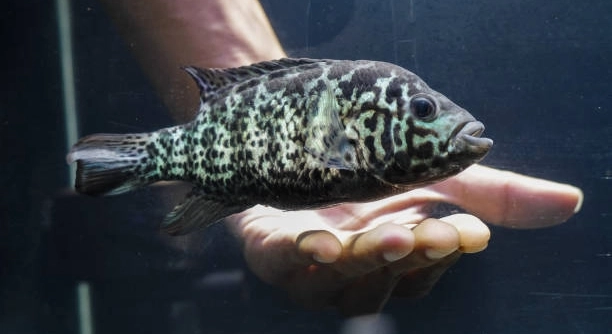
Jack Dempsey fish are a popular choice for many home aquariums due to their striking colors and lively behavior. Caring for them requires attention, especially when it comes to distinguishing males from females. Proper identification can improve tank harmony.
Male Jack Dempsey fish are generally larger, more colorful, and display brighter iridescent spots, while females are smaller, duller, and have rounder bodies. Observing fin shape, body size, and coloration provides a reliable method for sex differentiation in these fish.
Knowing the differences between males and females can help you manage breeding and tank dynamics more effectively. Careful observation ensures a healthier and more balanced environment for your fish.
Physical Differences Between Male and Female Jack Dempsey Fish
Male Jack Dempsey fish usually have a more elongated body and larger size than females. Their colors are brighter, often showing deep blues, greens, and purples that shimmer under light. Females are smaller and rounder, with muted shades of brown or gray. Fins are another key difference. Males have longer, pointed dorsal and anal fins, while females’ fins are shorter and more rounded. The shape of the mouth can also give a hint, as males tend to have broader jaws. Observing behavior can help too, because males are more territorial and display dominance with flaring fins. When comparing several fish at once, size, color, and fin shape together make identifying gender much easier. Regular observation is helpful, especially in tanks where males and females interact. These subtle differences become clearer as the fish grow, making adult fish easier to distinguish than juveniles.
Males are larger and show brighter colors, while females are smaller and less colorful. Fin shapes also differ noticeably.
Understanding physical differences is important for tank management. Properly separating males and females when necessary prevents fights and stress. When breeding is planned, identifying the sexes ensures compatibility and increases success rates. Even for non-breeding setups, recognizing males and females allows for better monitoring of behavior, as males can become aggressive toward one another. Observing your fish over time helps you notice patterns in size growth, fin development, and color changes. Lighting and tank conditions can affect visibility, so checking under consistent conditions improves accuracy. Using multiple traits, rather than a single characteristic, gives a clearer picture of gender. Keeping notes on each fish can also help if you plan to add new individuals. Overall, knowing these differences supports a healthier, more balanced aquarium where fish can thrive without unnecessary stress or conflicts.
Behavioral Traits to Observe
Male Jack Dempseys are more likely to stake out a territory in the tank.
Aggressive and territorial behavior is one of the easiest ways to identify a male. They often flare their fins and chase other fish, especially other males, to assert dominance. Females are calmer, moving around without establishing strict boundaries. During breeding periods, males may build nests and guard eggs, while females focus on laying them and retreat afterward. Observing feeding habits can help too, as males may eat more aggressively to maintain strength. Over time, you can notice patterns: males patrol specific areas, respond quickly to intrusions, and display brighter colors when active. Females are less likely to show these behaviors and may hide when males display aggression. Watching interactions for several days gives a reliable sense of each fish’s gender. Recognizing these behavioral traits can prevent misunderstandings, such as mistaking a dominant female for a male. It also allows for better tank planning, like arranging decorations and hiding spots that reduce stress and aggression.
Color and Pattern Differences
Males usually have brighter, more vibrant colors with iridescent blues and greens. Females show duller, muted shades. Spots on males are larger and more pronounced. Color intensity often increases with age and health, while females retain a more consistent, subtle palette throughout their life.
The coloration of Jack Dempsey fish is a reliable indicator of gender. Males develop deeper, more striking blues and greens, particularly along the body and fins. Females display softer browns and grays, making them less eye-catching in comparison. Spot patterns also differ, with males showing larger, more scattered iridescent spots across their bodies. Environmental factors like lighting, diet, and tank conditions influence how vibrant these colors appear. A healthy male in proper conditions will display its full palette, while females remain relatively consistent. Observing these differences over time helps in distinguishing the sexes accurately.
Spot size and placement add another layer of distinction. Males’ spots are usually brighter and extend along fins, while females’ spots are smaller and less noticeable. This difference is especially clear when the fish are in breeding condition. Lighting conditions in the tank affect how easily these colors and spots can be seen. Brighter, consistent lighting allows for clearer observation, while dim or uneven light may obscure subtle differences. Feeding a varied, high-quality diet can also enhance color in males, making identification easier. By combining spot observation with body shape and behavior, determining gender becomes more reliable. Regularly checking these traits helps track changes as fish mature.
Size and Growth Patterns
Males grow larger and faster, often reaching lengths of 10–12 inches, while females usually stay smaller, around 8–10 inches.
Growth patterns between males and females are noticeable by mid-adulthood. Males tend to develop a longer, more robust body, while females are rounder and shorter. These differences are consistent even when both sexes are raised in the same tank. Nutrition and tank size can influence overall size, but males typically outpace females. Observing growth over several months makes gender distinction easier, particularly when combined with color and fin characteristics.
Tank layout and space affect growth rates as well. Males need more territory, so providing enough room reduces stress and allows full development. Females may stay slightly smaller if living with aggressive males, but their body shape remains rounder. Monitoring growth patterns helps prevent overcrowding and ensures proper care. Adjusting feeding schedules and providing varied nutrition supports healthy development in both sexes. Watching size differences alongside behavior and coloration gives a complete picture of gender, making it easier to manage breeding or tank dynamics effectively.
Fin Shape Differences
Males have longer, pointed dorsal and anal fins that extend past the tail when fully grown. Females’ fins are shorter, more rounded, and less dramatic in appearance.
The fins of males are more elaborate and often used in displays to show dominance or attract females. Females’ fins remain simple, supporting swimming without signaling aggression or mating readiness.
Breeding Behavior
Males build nests and guard eggs aggressively, while females focus on laying eggs and retreat afterward. During breeding, males become more colorful and territorial, often chasing away other fish. Observing these behaviors clearly shows which fish are male, as females remain calmer and less confrontational throughout the process.
Juvenile Differences
Young Jack Dempseys are harder to sex. Males gradually show brighter colors and pointed fins, while females remain rounder and duller. Observation over time is key for accurate identification.
FAQ
How can I tell a male Jack Dempsey from a female when they are young?
Juvenile Jack Dempsey fish are difficult to sex because males and females look very similar at first. Males gradually develop brighter colors, larger size, and pointed dorsal and anal fins as they grow. Females remain smaller, rounder, and maintain muted colors. Observing their behavior over time, such as early territorial displays, can also help identify males. Keeping notes on growth patterns and changes in coloration makes distinguishing them easier as they mature. Patience is key, as reliable identification usually occurs when the fish are at least several months old.
Do males always show brighter colors than females?
In most cases, yes. Male Jack Dempseys display more vibrant blues, greens, and iridescent spots, especially when healthy and in proper tank conditions. Females usually remain muted in browns or grays. Lighting and diet influence color intensity, so a well-lit tank and high-quality food can enhance a male’s appearance. Females may slightly brighten when breeding, but they never match the intensity of males’ colors. Observing color alongside fin shape and size provides the most accurate gender identification.
Are there behavior differences besides breeding?
Yes. Males are generally more aggressive and territorial, even outside breeding periods. They patrol their area, chase other fish, and flare fins to assert dominance. Females are calmer, avoid conflicts, and move around the tank without claiming territory. Watching interactions over several days helps confirm gender. Aggression can also be influenced by tank size and other inhabitants, so males may show more or less dominance depending on their environment.
Do fin shapes always indicate gender?
Fin shape is a reliable indicator in adult fish. Males have longer, pointed dorsal and anal fins, which they often use to display during confrontations or courtship. Females have shorter, rounded fins that support normal swimming but are less elaborate. In juveniles, fin differences are subtle and may not be noticeable until they grow. Combining fin observation with color, body shape, and behavior improves accuracy.
Can diet affect the appearance of males and females?
Yes. A nutritious, varied diet enhances the vibrancy of a male’s colors, making spotting iridescent blues and greens easier. Poor nutrition can dull colors, making males appear closer to females. Females may also show subtle color changes with diet, but the difference is less pronounced. Feeding high-quality pellets, live or frozen food, and occasional vegetables supports growth and coloration in both sexes. Consistent feeding and monitoring help maintain healthy fish and improve gender identification.
Is tank size important for identifying males and females?
Tank size affects behavior and growth. Males in cramped tanks may become stressed, suppressing coloration and fin development, making them harder to distinguish. Larger tanks allow males to patrol territory and display natural behavior, making gender differences more obvious. Females remain less affected but can be influenced by male aggression. Providing adequate space ensures accurate observation, healthy growth, and reduced stress, supporting easier identification of males and females.
Can multiple males coexist in one tank?
Males are territorial, so multiple males often fight unless the tank is large with plenty of hiding spots. Observing aggression helps identify dominant males, while submissive males may appear smaller or less colorful. Separating males or providing adequate space and decorations reduces conflicts and stress. Females coexist more peacefully, but careful monitoring is necessary when mixing sexes to prevent breeding issues or injuries.
How long does it take to reliably identify gender?
It usually takes several months. Juveniles are hard to sex, and accurate identification becomes easier as males grow larger, show brighter colors, and develop pointed fins. Females remain smaller and rounder with muted colors. Behavior, such as early territorial displays in males, can provide clues before physical differences are fully apparent. Observing multiple traits over time ensures more reliable results.
Do breeding behaviors always show the same traits?
Most males build nests and guard eggs aggressively, while females focus on laying eggs and retreat afterward. However, tank conditions and other fish can influence behaviors. Males may display less if stressed, while females may hide more. Observing fish over time under consistent conditions gives the clearest indication of typical breeding behaviors and confirms gender.
Are there quick ways to tell gender without waiting for growth?
Quick methods are limited for juveniles. The most reliable techniques involve observing body shape, fin length, coloration, and behavior over time. Using multiple indicators together improves accuracy. Patience is necessary because misidentifying young fish can lead to breeding or aggression problems later. Tracking growth and changes regularly is the best approach.
Can environmental factors change gender traits?
Traits like color, size, and behavior are influenced by environment. Lighting, tank size, diet, and stress affect how prominent a male’s colors or territorial behaviors appear. Females are less affected but may hide or grow slower in poor conditions. Providing stable, healthy conditions allows natural traits to develop, making gender identification easier.
Is it necessary to separate males and females?
Not always, but in smaller tanks or when breeding is not intended, separating males can reduce aggression. In larger tanks, careful arrangement of hiding spots and decorations helps maintain harmony. Recognizing males’ dominance tendencies and females’ calmer behavior allows for better tank planning and prevents stress-related health problems.
How do I track gender differences over time?
Observing regularly, taking notes on size, color, fin shape, and behavior, helps track differences. Photographs under consistent lighting can also provide visual records. Tracking over several months allows you to notice gradual changes and confirm gender accurately, especially for juveniles. This method ensures that decisions about breeding, tank layout, or fish management are well-informed.
Can I trust a single trait to identify gender?
No. Relying on a single characteristic, such as color or size, can be misleading. The most accurate identification combines multiple traits: color intensity, fin shape, body size, and behavior. Observing these together over time provides a reliable assessment of gender, reducing mistakes in management and breeding.
Final Thoughts
Identifying male and female Jack Dempsey fish can take patience, but it is an important part of caring for them properly. Observing differences in color, size, fin shape, and behavior helps ensure that your tank remains balanced and stress-free. Males are larger, more colorful, and display pointed fins, while females are smaller, rounder, and less vivid. These traits become more noticeable as the fish grow, making adults easier to identify than juveniles. Paying attention to these details allows you to understand each fish’s role in the tank, whether for breeding or general aquarium management. Over time, the small observations, like a flare of fins or the way a fish patrols its territory, become very useful.
Behavior is just as important as physical traits. Males often display territorial tendencies, flaring their fins and chasing other fish, while females are calmer and less aggressive. During breeding, males build nests and guard eggs, while females focus on laying eggs and retreat afterward. Watching these patterns helps you know which fish are male and female without relying solely on appearance. Even outside of breeding, these behaviors indicate the natural differences between genders and help you manage interactions in the tank. Providing enough space, hiding spots, and proper nutrition ensures that all fish can grow healthily and show their natural traits. Observing over time and noting changes in behavior, coloration, and size creates a clear picture of each fish’s gender and helps prevent stress-related conflicts.
Consistency in tank care makes identifying gender easier. Proper lighting, tank size, and diet enhance the colors and growth of males, making their differences more obvious. Females may stay duller in color, but they benefit from the same conditions, maintaining health and longevity. Patience is essential, as juveniles may take months to show clear traits. Tracking traits like body shape, fin development, and spot patterns over time allows for accurate identification. By combining observations of physical traits and behaviors, you can reliably distinguish males from females. Understanding these differences not only supports breeding efforts but also promotes a calmer, healthier aquarium where all fish thrive. Careful attention and steady observation make managing Jack Dempsey fish simpler and more rewarding for anyone keeping them.

Hello,
If you enjoy the content that we create, please consider saying a "Thank You!" by leaving a tip.
Every little bit helps us continue crafting quality advice that supports the health, happiness, and well-being of pets around the world, for pets of all shapes, sizes, and species.
We really appreciate the kindness and support that you show us!