
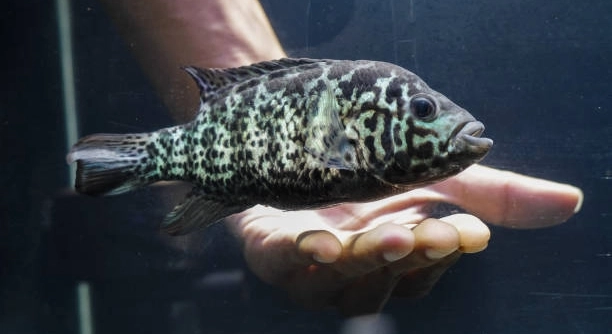
Keeping Jack Dempsey fish in a home aquarium can be both exciting and challenging. These vibrant cichlids are known for their bold colors and lively personalities, but their aggressive tendencies can create stress for other tank inhabitants.
To reduce aggression in Jack Dempsey fish, it is important to maintain proper tank size, provide adequate hiding spots, control feeding routines, minimize sudden environmental changes, avoid overcrowding, monitor water conditions, and understand individual temperaments to promote a calmer, stable environment.
Following these practical measures will help create a more peaceful aquarium while maintaining the health and vibrant nature of your Jack Dempsey fish.
Create Enough Space in the Tank
Jack Dempsey fish need ample space to swim freely and reduce territorial behavior. A crowded tank can increase stress, leading to frequent chasing and nipping. Providing at least a 55-gallon tank for a single adult or larger for multiple fish helps them establish territories without constant conflict. Large open swimming areas combined with designated hiding spots allow each fish to feel secure and reduce the need to assert dominance. Plants, rocks, and driftwood can help create natural boundaries that give each fish a sense of its own space. This setup encourages calmer interactions and makes the tank easier to maintain.
A roomy tank also supports better water circulation and filtration, contributing to healthier fish.
The extra space not only reduces aggression but also promotes healthier growth and more natural behavior patterns. Observing them in a properly sized environment reveals their colors and movements more vividly, creating a more visually pleasing and less stressful aquarium experience.
Add Hiding Spots and Decorations
Providing hiding spots helps Jack Dempsey fish feel secure and lowers aggression.
Caves, plants, and rocks give fish places to retreat, reducing stress and confrontations. Multiple hiding areas prevent dominant fish from controlling all spaces, allowing less aggressive individuals to feel safe and calm. Consistent placement of decorations also helps fish learn the layout, minimizing sudden territorial disputes.
Hiding spots and decorations serve more than a decorative purpose; they are crucial for the social balance of your tank. Jack Dempseys can be territorial, but with enough retreats, aggression is less frequent. Placing multiple caves and thick plants around the tank allows fish to escape tension and reduces chasing. Driftwood and rocks create natural barriers that encourage fish to explore without constant conflict. Consistent lighting and gentle water flow complement these additions by promoting stable behavior. By combining adequate hiding places with thoughtful tank layout, you create a structured environment that reduces stress, supports health, and encourages more peaceful interactions among your Jack Dempsey fish.
Maintain a Consistent Feeding Schedule
Feeding Jack Dempsey fish at regular times helps reduce aggression caused by competition for food. Overfeeding or irregular schedules can trigger stress and fights, while a predictable routine creates calmer behavior.
Consistent feeding ensures all fish receive adequate nutrition and prevents dominant individuals from monopolizing food. Providing a mix of pellets, live, and frozen foods meets their dietary needs and supports healthy growth. Small, frequent meals are better than one large feeding, as this reduces excitement and tension around feeding times. Observing their eating habits helps identify any health or behavioral issues early.
A steady feeding routine also reinforces a sense of stability in the tank. Fish recognize regular patterns, which lowers stress and helps them interact more peacefully. It allows less aggressive fish to feed without constant harassment and gives dominant fish a structured way to assert themselves without escalating fights. Over time, calmer feeding periods improve the overall mood and balance within the aquarium.
Monitor Water Quality Regularly
Clean water is essential for reducing stress and aggression in Jack Dempsey fish.
Regular testing for pH, ammonia, nitrite, and nitrate levels prevents environmental stress that can trigger attacks. Maintaining stable temperature and soft water conditions also supports calmer behavior. Frequent partial water changes keep toxins low and oxygen levels high.
Proper filtration and careful monitoring prevent sudden changes in water parameters that often provoke aggressive behavior. Jack Dempseys are sensitive to fluctuations, and even small shifts in chemistry or temperature can cause heightened territorial instincts. Using reliable water testing kits allows you to track conditions and adjust as needed. Adding aeration and gentle flow ensures oxygen-rich water, which supports health and reduces stress. Consistency is key, as abrupt adjustments in lighting, temperature, or filtration can upset established territories and increase aggression. Regular maintenance keeps both the fish and the tank environment stable, promoting harmony.
Avoid Overcrowding
Too many fish in the tank can increase stress and aggression among Jack Dempsey fish. Crowding limits swimming space and forces frequent confrontations, making it harder for each fish to establish a territory.
Providing enough space per fish allows calmer behavior. Less competition reduces fights and keeps the tank peaceful.
Separate Aggressive Individuals
If a Jack Dempsey fish shows extreme aggression, isolating it temporarily can prevent injury. Using a separate tank or divider helps manage tensions and allows calmer fish to thrive without constant harassment.
Maintain Stable Lighting
Consistent lighting reduces sudden stress and helps Jack Dempsey fish feel secure. Sudden changes can trigger aggressive displays, while stable light schedules support calmer interactions and healthier behavior in the tank.
Introduce Tank Mates Carefully
Adding new fish should be done gradually. Choosing compatible species and monitoring interactions prevents unnecessary aggression and ensures a balanced community.
FAQ
How can I tell if my Jack Dempsey fish is too aggressive?
Aggression in Jack Dempsey fish is often shown by chasing, nipping, or flaring fins at other tank inhabitants. Dominant behavior may include guarding specific areas or decorations. Observing feeding times can also reveal aggression, as more dominant fish may monopolize food, leaving others stressed or hungry.
What tank size is best for a Jack Dempsey?
A single adult Jack Dempsey should have at least a 55-gallon tank. If you plan to keep multiple fish, a 75- to 100-gallon tank is ideal. Extra space allows territories to form naturally and reduces conflict. Open swimming areas combined with hiding spots create a calmer environment for all fish.
Which decorations help reduce aggression?
Caves, rocks, and dense plants provide retreat areas and break line-of-sight between fish. Multiple hiding spots prevent one fish from dominating the entire tank, giving less aggressive individuals safe spaces. Driftwood or tall plants also help create natural boundaries, making the aquarium feel structured and secure.
How often should I feed my Jack Dempsey fish?
Feeding small amounts two to three times a day is better than one large meal. This approach minimizes competition for food and prevents stress. A balanced diet of pellets, frozen, and live food supports health, reduces frustration, and helps calm dominant fish. Monitoring feeding habits ensures all fish are eating properly.
Can water conditions affect aggression?
Yes. Poor water quality can increase stress, leading to more aggressive behavior. Regular testing for pH, ammonia, nitrite, and nitrate levels is important. Maintaining stable temperature and gentle water flow helps fish feel secure. Partial water changes and proper filtration support a healthy, calm environment.
Should I introduce new fish carefully?
Always introduce new fish gradually. Using a quarantine tank or divider reduces the risk of immediate aggression. Choosing compatible tank mates and monitoring interactions during the first days prevents injury and stress. Avoid overcrowding, as this often worsens aggression.
Is it normal for Jack Dempsey fish to flare fins?
Yes, flaring fins is a natural display of dominance. Occasional displays are normal, but frequent, prolonged flaring, chasing, or nipping may indicate stress or aggression. Providing hiding spots and space helps reduce excessive displays.
Can Jack Dempsey aggression be completely eliminated?
Aggression cannot be fully removed due to their territorial nature. However, proper tank size, stable conditions, hiding spaces, careful feeding, and compatible tank mates significantly reduce the frequency and severity of conflicts. Consistent observation and management are key.
How do I separate aggressive individuals without stressing them?
Use a temporary divider or separate tank with similar water conditions. Avoid sudden changes and provide hiding areas. Allow the aggressive fish to calm down before reintegration. Gradual reintroduction reduces stress for both the isolated fish and the remaining tank inhabitants.
What long-term benefits come from reducing aggression?
Lower aggression improves overall tank harmony, reduces injuries, and supports healthier growth. Calmer fish eat better, display natural colors, and interact more normally. Maintaining a peaceful environment makes tank maintenance easier and enhances the visual appeal of your aquarium.
How important is consistency in tank maintenance?
Very important. Consistent feeding schedules, water testing, and decoration placement create a stable environment. Sudden changes in water chemistry, lighting, or layout can trigger aggression. A predictable routine supports calm, healthy fish and minimizes conflicts over territory and resources.
Can stress from aggression affect health?
Yes, stressed fish are more prone to disease, poor growth, and weakened immune systems. Reducing aggression through space, hiding spots, feeding, and stable conditions directly supports physical and behavioral health. Observing your fish regularly helps catch problems early and maintain overall well-being.
How do I know which tank mates are compatible?
Choose species of similar size and temperament. Avoid small, passive fish that may be bullied. Monitor interactions during the first week and ensure there are enough hiding spaces for all fish. Gradual introductions and observation help establish a balanced, less aggressive community.
Can aggression be managed without removing fish?
Yes. Adjusting tank size, adding hiding spots, maintaining water quality, controlling feeding routines, and monitoring behavior can manage aggression effectively. Careful planning and observation are key to keeping Jack Dempsey fish calmer without resorting to permanent separation.
Final Thoughts
Managing aggression in Jack Dempsey fish requires patience and careful attention to their environment. These fish are naturally territorial, and expecting them to be completely calm is unrealistic. Instead, the goal is to reduce unnecessary fighting and create a stable environment where each fish can establish its own space. Providing a properly sized tank with open swimming areas, combined with multiple hiding spots and natural decorations, is one of the most effective ways to prevent constant aggression. Rocks, caves, and dense plants allow less dominant fish to retreat, while still letting dominant fish feel secure. A thoughtful tank layout reduces stress and gives all fish the opportunity to interact more peacefully. Observing how your fish use these spaces can also provide valuable insight into their behavior patterns and individual temperaments, helping you make further adjustments as needed.
Consistency plays a major role in keeping Jack Dempsey fish calmer. Regular feeding schedules, stable water conditions, and predictable lighting all contribute to a sense of security in the tank. Sudden changes in temperature, pH, or water flow can quickly trigger aggressive displays, even in otherwise calm fish. Using reliable water testing kits and maintaining proper filtration ensures a healthy environment. Feeding multiple small meals instead of one large portion reduces competition for food and prevents dominant fish from stressing others. Additionally, introducing new tank mates gradually, with careful observation, prevents immediate conflict. Gradual adjustments and ongoing monitoring allow you to maintain a harmonious balance, keeping aggression under control while supporting the health and natural behavior of all fish in the tank.
It is important to remember that reducing aggression is an ongoing process. Even with all the right measures, Jack Dempsey fish will still display territorial behaviors, such as chasing or fin flaring, from time to time. What matters is creating conditions that minimize frequent or severe aggression, allowing the fish to thrive and interact more naturally. By combining adequate tank space, proper hiding spots, careful feeding routines, stable water conditions, and thoughtful selection of tank mates, you can create a calmer and healthier aquarium environment. Over time, these efforts result in a more visually appealing tank and happier, less stressed fish. Observing and adjusting as needed ensures that your Jack Dempsey fish remain active, colorful, and balanced, making the aquarium experience both enjoyable and manageable.

Hello,
If you enjoy the content that we create, please consider saying a "Thank You!" by leaving a tip.
Every little bit helps us continue crafting quality advice that supports the health, happiness, and well-being of pets around the world, for pets of all shapes, sizes, and species.
We really appreciate the kindness and support that you show us!