
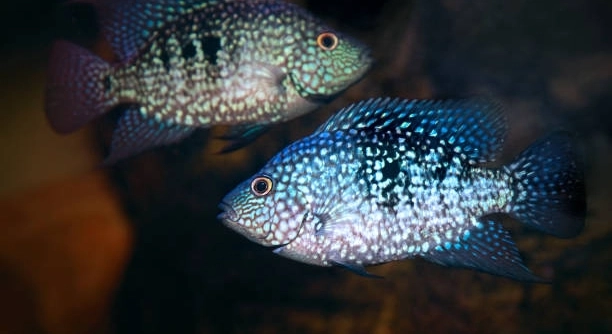
Jack Dempsey fish are popular aquarium pets, known for their striking colors and lively behavior. Caring for them requires attention to their well-being, as stress can affect their health and overall lifespan in subtle ways.
Stress in Jack Dempsey fish can manifest through changes in appetite, erratic swimming, faded coloration, hiding, rapid gill movement, aggression, or lethargy. Recognizing these warning signs early allows for timely intervention and helps maintain optimal fish health.
Monitoring your fish’s behavior and environment closely can prevent serious health issues. Learning to spot these signs ensures a happier and healthier Jack Dempsey in your aquarium.
Changes in Appetite
When a Jack Dempsey fish is stressed, one of the first signs you might notice is a change in appetite. They may refuse food entirely or eat significantly less than usual. In some cases, they might overeat, which can also indicate stress. Appetite changes can happen gradually, making them easy to overlook at first. Environmental changes such as new tankmates, water temperature shifts, or poor water quality can trigger these feeding issues. Even minor alterations in the tank setup, like decorations or lighting adjustments, may cause temporary stress affecting eating habits. Observing your fish during feeding times is key. If you see consistent refusal to eat or abnormal consumption patterns, it’s important to investigate the tank conditions and health of the fish. Addressing these factors promptly can prevent long-term health problems and help your Jack Dempsey regain normal feeding behavior.
Monitoring feeding habits closely helps detect stress early and supports healthier behavior in your fish.
Stress-induced appetite changes can lead to malnutrition or digestive problems. By keeping water conditions stable and maintaining a consistent feeding schedule, you reduce the risk. Introducing new tankmates gradually and providing hiding spots allows the fish to feel secure. If appetite issues persist, testing for disease or parasites is recommended. A balanced diet with varied foods also strengthens their resilience. Consistent observation of behavior alongside water parameters ensures stressors are minimized, allowing the fish to thrive in its environment.
Erratic Swimming Patterns
Erratic swimming is a clear sign of stress in Jack Dempsey fish. Sudden darting, circling, or staying near the water surface may indicate discomfort or illness.
Such abnormal movements often occur when water conditions are suboptimal, such as fluctuating temperature, high ammonia, or low oxygen. Stress from tankmates can also provoke constant chasing or hiding. Observing swimming patterns over time helps identify persistent problems. Sometimes, a stressed fish will bump into tank decorations or appear disoriented. Introducing enrichment like plants or hiding spots can encourage calmer behavior. Correcting water parameters immediately is crucial for recovery.
Persistent erratic swimming may indicate deeper health issues or environmental imbalances. Ensuring stable water temperature, proper filtration, and minimal sudden disturbances reduces stress levels. Behavioral observation, combined with careful maintenance, allows early intervention and prevents escalation of health problems. By paying attention to subtle changes in swimming, you can improve the overall well-being of your Jack Dempsey and maintain a stable, healthy tank environment.
Faded Coloration
Faded or dull colors in Jack Dempsey fish often indicate stress. Healthy fish display vibrant blues, greens, and golds, while stressed fish lose brightness. This change can happen gradually and signals environmental or health issues that need attention immediately.
Water quality is a major factor affecting coloration. High ammonia, nitrite spikes, or improper pH levels can stress the fish and dull their colors. Overcrowding or aggressive tankmates can also lead to fading. Providing hiding spots, reducing sudden disturbances, and maintaining a consistent feeding schedule supports recovery. Diet plays a role too; nutrient-rich foods help restore natural pigmentation and overall health. Stress-induced color loss is reversible if the underlying causes are addressed promptly.
Temperature fluctuations or rapid changes in lighting can also impact color. Ensuring a stable environment and monitoring fish behavior daily helps detect early signs of stress. Consistent care, proper filtration, and adequate tank space allow Jack Dempsey fish to regain their vivid appearance. Avoid introducing new fish abruptly and maintain a calm tank environment to prevent recurring color fading.
Excessive Hiding
Jack Dempsey fish that hide excessively are usually stressed or uncomfortable. Prolonged hiding can indicate fear, illness, or poor tank conditions that require immediate attention.
Stress from aggressive tankmates, sudden environmental changes, or inadequate shelter often causes this behavior. Without sufficient hiding spaces, fish may remain in corners, avoiding movement and interaction. Over time, this can affect appetite and overall health. Providing caves, plants, or decorations encourages secure areas for the fish to retreat when needed. Regularly checking water quality and keeping a consistent routine reduces stress. Observing the fish’s interactions with the environment helps identify triggers for hiding behavior.
When hiding becomes persistent, it can signal more serious issues such as infection or parasites. Early detection through careful observation allows corrective actions like adjusting water parameters or isolating the fish if necessary. Proper nutrition and tank enrichment improve confidence and reduce fear-based behavior. Maintaining a balanced ecosystem with compatible tankmates ensures the fish can feel secure without constant hiding. Stress management is key to restoring normal activity and supporting long-term health.
Rapid Gill Movement
Rapid gill movement in Jack Dempsey fish is often a stress response. It can indicate low oxygen levels, poor water quality, or illness. Observing this behavior early allows for timely intervention before more serious problems develop.
Ensure proper aeration and maintain clean, filtered water. Frequent testing of ammonia, nitrites, and oxygen levels is important. Stressful conditions like overcrowding or sudden temperature changes can also trigger rapid gill movement. Adjusting these factors helps the fish breathe normally and reduces long-term health risks.
Increased Aggression
Stress can make Jack Dempsey fish unusually aggressive toward tankmates or even their reflection. They may chase, nip, or display flaring behavior more often than usual.
Aggression is commonly caused by overcrowding, lack of hiding spaces, or sudden changes in the tank environment. When stressed, the fish perceives its surroundings as a threat and becomes defensive. Proper tank management, including adequate space, compatible tankmates, and structured hiding spots, reduces conflict. Monitoring behavior allows early detection and intervention. Consistent care, calm handling, and stable water conditions help the fish regain normal temperament and minimize harm to other tank inhabitants.
Lethargy
Lethargy in Jack Dempsey fish indicates stress or illness. Slow movement, resting at the bottom, or lack of response to stimuli are common signs.
FAQ
What causes stress in Jack Dempsey fish?
Stress in Jack Dempsey fish is usually caused by poor water quality, overcrowding, aggressive tankmates, sudden temperature changes, or frequent disturbances in their environment. Even minor changes, like rearranging decorations or altering lighting, can trigger stress responses. Maintaining stable water parameters, a calm environment, and sufficient hiding spots helps minimize stress.
How can I tell if my Jack Dempsey is stressed?
Signs of stress include changes in appetite, faded coloration, hiding excessively, erratic swimming, rapid gill movement, aggression, or lethargy. Observing these behaviors consistently can indicate stress before it leads to illness. Early detection allows for timely intervention to restore the fish’s health and comfort.
Can stress affect my fish’s health?
Yes, prolonged stress weakens the immune system, making the fish more susceptible to diseases and infections. It can also lead to stunted growth, reduced coloration, and long-term behavioral issues. Addressing stress quickly is crucial to prevent permanent damage.
What should I do if my fish shows faded colors?
Check water quality and ensure stable parameters, including temperature, pH, and ammonia levels. Provide a balanced diet rich in nutrients to restore pigmentation. Adding hiding spots and reducing disturbances in the tank will also help the fish regain its natural colors.
Why is my Jack Dempsey hiding so much?
Excessive hiding usually indicates fear, stress, or discomfort. Aggressive tankmates, lack of shelter, or poor water conditions are common causes. Providing caves, plants, and calm surroundings encourages the fish to feel safe and reduces stress-related hiding behavior.
How do I reduce aggression in a stressed Jack Dempsey?
Aggression can be reduced by ensuring adequate space, compatible tankmates, and sufficient hiding spots. Avoid sudden changes in the tank and maintain stable water conditions. Observing behavior closely helps identify triggers, allowing adjustments to prevent fights or injury.
What role does diet play in stress management?
A balanced, nutrient-rich diet strengthens the immune system and supports recovery from stress. High-quality pellets, occasional live or frozen foods, and variety in feeding promote health and resilience, helping the fish cope with environmental challenges.
Can temperature changes really stress my fish?
Yes, sudden or frequent temperature fluctuations can cause stress. Jack Dempsey fish thrive in stable temperatures. Using a reliable heater and monitoring water temperature daily prevents stress-related behaviors such as erratic swimming or hiding.
How often should I test water parameters?
Testing water at least once a week is recommended. Monitoring ammonia, nitrite, nitrate, pH, and oxygen levels helps detect issues early. Correcting imbalances quickly prevents stress and maintains the fish’s overall health.
Is it normal for Jack Dempsey fish to be aggressive occasionally?
Some aggression is natural, especially during feeding or territorial defense. However, constant or extreme aggression often indicates stress. Reducing stress factors and ensuring proper tank management helps maintain normal, manageable behavior patterns.
What if my fish remains lethargic?
Persistent lethargy can signal prolonged stress, illness, or poor water conditions. Check all environmental factors, ensure a nutritious diet, and observe for other symptoms. If lethargy continues despite improvements, consulting a specialist or testing for disease may be necessary.
Can tankmates cause stress in Jack Dempsey fish?
Yes, aggressive or incompatible tankmates can provoke stress. Territorial disputes, chasing, or constant interaction with incompatible fish leads to fear and hiding. Choosing compatible species and providing sufficient space and shelter reduces stress-related conflicts.
How can I prevent stress in my Jack Dempsey?
Maintain clean water, stable temperature, and proper pH levels. Avoid overcrowding, provide hiding spots, feed a balanced diet, and minimize sudden changes in the tank. Regular observation and careful management create a calm, safe environment that prevents stress before it develops.
How quickly can a stressed fish recover?
Recovery depends on the severity of stress and underlying causes. Minor stress can improve within days with proper care, while long-term stress may take weeks. Consistency in water quality, environment, diet, and minimizing disturbances accelerates recovery and restores normal behavior.
Are there signs that stress is becoming dangerous?
Yes, if stress is prolonged, fish may show persistent lethargy, loss of appetite, rapid gill movement, severe color fading, or repeated aggressive behavior. These signs require immediate action to prevent illness or permanent damage.
Final Thoughts
Caring for Jack Dempsey fish requires careful attention to their behavior and environment. These fish are sensitive to changes in water quality, temperature, and tank setup, making them prone to stress if their needs are not consistently met. Observing daily behaviors, such as appetite, swimming patterns, and interactions with tankmates, helps identify stress before it becomes a serious problem. By paying close attention to subtle signs like fading colors, hiding, or rapid gill movement, you can take corrective measures quickly. Maintaining a stable and clean tank is essential, as even minor fluctuations in ammonia, nitrites, or pH can impact their health. Regular monitoring, coupled with a proper feeding routine, ensures the fish remain active, vibrant, and healthy.
Providing a supportive environment for Jack Dempsey fish involves both practical and behavioral considerations. Adequate tank size and compatible tankmates reduce conflict and territorial stress, while sufficient hiding spots allow the fish to feel safe and secure. Introducing changes slowly, whether adding new fish or altering decorations, prevents sudden stress responses. Diet also plays a significant role in stress management. A balanced, nutrient-rich diet strengthens the immune system, restores coloration, and promotes normal behavior. Over time, consistent care builds resilience in the fish, reducing the likelihood of recurring stress-related issues. Observing their body language and habits daily allows you to notice even minor deviations, helping maintain a stable, comfortable environment for long-term health.
Understanding the warning signs of stress and addressing them promptly can significantly improve the well-being of Jack Dempsey fish. Prolonged stress affects not only their behavior but also their physical health, making them more susceptible to disease. Taking steps such as maintaining water quality, providing hiding spaces, monitoring interactions, and ensuring a proper diet can prevent most stress-related problems. Recovery from stress is possible if the causes are identified and corrected early, but prevention is always better than treatment. By staying attentive and consistent in care, you support a thriving aquatic environment where Jack Dempsey fish can display their natural beauty, activity, and personality without the negative effects of stress.

Hello,
If you enjoy the content that we create, please consider saying a "Thank You!" by leaving a tip.
Every little bit helps us continue crafting quality advice that supports the health, happiness, and well-being of pets around the world, for pets of all shapes, sizes, and species.
We really appreciate the kindness and support that you show us!