
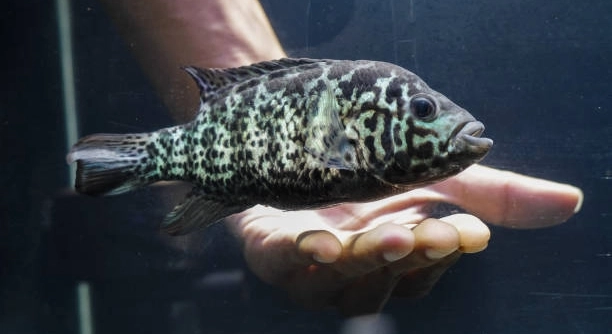
Jack Dempsey fish are colorful and active freshwater fish often kept in home aquariums. Many owners spend hours observing them, noticing their behaviors and reactions to different people around their tanks. Their alert movements can be quite engaging.
Studies suggest that Jack Dempsey fish can recognize individual humans. These fish use visual cues and memory to distinguish between familiar and unfamiliar people, showing calmer behavior toward known owners and more defensive actions toward strangers.
Learning how these fish respond can improve interactions and care. Observing their behavior reveals subtle ways they communicate comfort and recognition.
How Jack Dempsey Fish Recognize Humans
Jack Dempsey fish rely mainly on sight to identify people around their tank. They notice shapes, movements, and even facial features to tell one person from another. Over time, they remember who regularly feeds them and interacts with them gently. A fish that sees the same person daily will often become calmer and swim closer, while unfamiliar people can trigger defensive behavior. Their memory allows them to distinguish between owners and strangers for weeks at a time. These fish also respond to consistent feeding patterns. When you approach the tank at usual feeding times, they may anticipate food and swim excitedly. Even subtle cues like hand placement or shadows can make a difference in how they react. While their recognition is not the same as mammals, it is clear that Jack Dempsey fish are capable of forming a visual memory of individuals. This makes them more interactive and responsive than many expect in home aquariums.
Visual cues and routine play a major role in recognition for Jack Dempsey fish.
Understanding these visual habits helps improve daily interactions. Observing their reactions closely can reduce stress and build trust. Feeding, lighting, and movements near the tank influence how they perceive people. Over time, recognizing patterns in your behavior allows the fish to feel more secure. Calmer fish are often healthier and more active, showing natural behaviors that can be missed in less attentive care.
Signs Your Fish Recognizes You
Jack Dempsey fish show distinct behaviors when they recognize someone.
They often swim closer to the glass, follow your movements, and may even display less aggressive gestures compared to interactions with strangers. Over time, these behaviors become consistent. Fish that are familiar with their owner will respond quickly during feeding times and may even seem to anticipate interaction. Recognizing you reduces stress and allows them to explore their environment more confidently. They may linger near areas where you usually stand or perform feeding routines. Tracking these signs helps you understand your fish better and ensures a calmer, healthier aquarium environment. Consistent observation and gentle handling reinforce these behaviors. By noting the differences between reactions to familiar and unfamiliar people, you can see clear patterns of recognition. This knowledge allows for better care and more enjoyable interaction with your Jack Dempsey fish, showing that even fish can form bonds based on familiarity and routine.
How to Encourage Recognition
Consistency is key when interacting with Jack Dempsey fish. Regular feeding times and calm movements near the tank help them remember you. Avoid sudden gestures that may startle them, and stick to a predictable routine to build trust gradually over time.
Maintaining a consistent environment helps reinforce recognition. Jack Dempsey fish notice patterns, including who feeds them and when. By approaching the tank at similar times each day, they begin to associate your presence with positive experiences. Calm and deliberate movements reduce stress and make interactions smoother. Over weeks, they learn to distinguish you from strangers, responding with curiosity rather than aggression. Observing their behavior closely shows which actions make them comfortable, and small changes in routine can influence how quickly they adapt.
Positive reinforcement through feeding and gentle attention encourages familiarity. When Jack Dempsey fish receive food or attention in a calm manner, they start connecting these experiences with specific people. Over time, this strengthens recognition and creates a predictable interaction pattern. Consistent behavior helps them feel secure, allowing natural personalities to emerge. Fish that trust their caretakers often display more playful or exploratory behavior in the tank. Avoiding sudden or threatening movements ensures that these responses remain positive. Slowly, the fish begin to anticipate interactions and respond selectively, showing clear signs of recognition.
Factors That Affect Recognition
Age and size influence recognition in Jack Dempsey fish. Younger fish are more reactive and curious, while older fish may take longer to form memories.
Environmental stability also plays a role. Sudden changes in lighting, water temperature, or tank layout can confuse them and reduce their ability to identify individuals. Noise and vibrations outside the tank may distract them or trigger defensive behaviors, making recognition less reliable. Fish that are stressed or sick often fail to respond consistently, regardless of prior familiarity. By keeping conditions stable and predictable, you support their ability to remember and respond to you. Gradual exposure and careful handling strengthen recognition, while erratic or rough treatment can erase learned responses. Tank size matters too—smaller spaces make interactions easier, while larger tanks require more patience and repeated cues. Overall, the combination of age, environment, and consistent care determines how effectively Jack Dempsey fish recognize humans.
Training Your Jack Dempsey Fish
Using gentle and consistent routines helps your Jack Dempsey fish learn to recognize you. Feeding at the same time daily and moving slowly near the tank reinforces familiarity. Avoid sudden gestures that may startle them.
Offering treats occasionally can encourage positive associations. When they receive food calmly from you, they begin linking your presence with rewards, making recognition stronger over time.
Visual Cues That Matter
Jack Dempsey fish pay close attention to shapes, colors, and movements. Bright clothing or sudden hand motions can trigger defensive behavior, while subtle, steady gestures are more easily recognized. Fish learn to connect specific visual cues with safety and routine, helping them differentiate between familiar and unfamiliar people.
Common Misunderstandings
Not all reactions indicate recognition. Swimming near the glass or moving quickly may sometimes be curiosity or territorial behavior, not familiarity.
The Role of Feeding Patterns
Regular feeding schedules strengthen recognition. Fish begin to anticipate when and who will provide food. Consistency teaches them that certain people are safe and predictable, encouraging calmer interactions and reducing stress. Over time, this forms a reliable routine of recognition that improves overall tank behavior.
FAQ
Can Jack Dempsey fish recognize me if I rarely feed them?
Recognition is tied more to repeated interactions than feeding alone. Even if you don’t feed them often, approaching the tank consistently with calm movements helps them remember you. Food reinforces recognition, but visual familiarity and routine exposure are equally important. Fish can distinguish people who handle the tank gently and regularly from strangers.
How long does it take for a Jack Dempsey fish to recognize someone?
The time varies depending on the fish’s age, temperament, and environment. Young, curious fish may start responding within a week or two, while older or more defensive fish might take several weeks. Consistency and calm handling speed up recognition, while sudden movements or environmental changes can delay it.
Will they recognize everyone in the house?
Not necessarily. Jack Dempsey fish recognize individuals based on repeated exposure and consistent behavior. People who rarely approach the tank or interact with them may remain “unfamiliar.” Recognition is selective and depends on patterns the fish can learn and remember.
Do they remember me after I’ve been away for a while?
Yes, studies suggest that Jack Dempsey fish have a memory span that allows them to recognize familiar people even after weeks of absence. However, long gaps without interaction may require a short period for the fish to reestablish comfort and familiarity. Positive reinforcement through calm presence and feeding helps restore recognition quickly.
Can aggressive behavior mean they recognize me?
Not always. Jack Dempsey fish are naturally territorial, so some aggressive gestures may be linked to territory protection rather than recognition. Calm swimming, reduced aggression, and approaching the glass gently are better indicators of familiarity. Over time, a fish that knows you will show more predictable and relaxed behavior.
Do tank size and environment affect recognition?
Yes. Smaller, stable tanks make it easier for fish to notice and remember you. Large or heavily decorated tanks can limit sight lines, and frequent changes in water conditions, lighting, or décor may confuse them. Maintaining consistency in the environment supports recognition and reduces stress-related behaviors.
How can I strengthen my fish’s recognition?
Consistency is key. Approach the tank at similar times daily, move slowly, and use gentle gestures. Feeding routines help reinforce positive associations, but even without food, regular, calm interactions build trust. Avoid sudden movements or changes in the tank, as these can undo progress.
Do they recognize me visually or by smell?
Primarily visually. Jack Dempsey fish notice shapes, colors, and movements to differentiate people. While smell may play a minor role, studies indicate that visual cues and patterns are the main methods they use to identify familiar individuals. Recognizable clothing or repeated gestures can make recognition easier.
Can multiple people train the fish to recognize them?
Yes, but it depends on consistency. Each person needs to approach the tank gently and regularly. Fish can remember multiple individuals, responding differently based on prior interactions. Inconsistent handling or erratic behavior from one person may confuse the fish and slow the recognition process.
Will recognition improve the fish’s behavior overall?
Yes. Familiarity reduces stress and defensive behavior, making the fish calmer and more interactive. Recognized individuals can observe natural behaviors, encourage exploration, and maintain a healthier environment. Predictable interactions contribute to the fish’s well-being and create a more engaging aquarium experience.
Can a stressed fish still recognize me?
Stress can interfere with recognition. If the fish is sick, overstocked, or experiencing poor water quality, responses may be inconsistent. Once conditions improve and calm routines resume, recognition usually returns. Monitoring tank health and providing a stable environment supports reliable recognition.
Is recognition permanent?
Recognition can be long-lasting but requires reinforcement. Extended absence or significant environmental changes may temporarily reduce recognition. Reintroducing calm, consistent interactions quickly restores familiarity and comfort, showing that memory in Jack Dempsey fish is resilient but benefits from regular engagement.
Do they show affection when they recognize someone?
Affection is subtle. They don’t display emotions like mammals, but signs of comfort include swimming near the glass, following your movements, or reduced defensive behavior. These responses indicate recognition and trust rather than emotional attachment. Regular, gentle interactions encourage these behaviors to appear more often.
Can I test if my fish recognizes me?
Yes. Approach the tank calmly and observe reactions. A fish that recognizes you will show calmer swimming patterns, reduced aggression, or anticipation of feeding. Compare responses to unfamiliar people to notice clear differences. Patience and consistency are essential when testing recognition, as sudden actions may create misleading results.
Are there differences between male and female Jack Dempsey fish in recognition?
There may be slight behavioral differences. Males tend to be more territorial, which can make recognition less obvious initially. Females may show curiosity sooner. Regardless of sex, consistent interaction, feeding patterns, and calm presence improve recognition for both male and female fish.
How does age affect recognition?
Younger fish are often more curious and quicker to respond to new stimuli, while older fish may take longer to recognize people but retain memory for extended periods. Both young and mature fish benefit from repeated exposure, predictable routines, and calm handling to strengthen recognition over time.
Can recognition reduce aggressive behavior in community tanks?
Yes. Familiarity with humans reduces stress, which can indirectly lessen aggression toward tank mates. Recognized individuals provide a sense of predictability, helping the fish feel safer. However, aggression between fish is also influenced by space, hierarchy, and territory, so recognition alone may not solve all conflicts.
What signs indicate that recognition is established?
Calm swimming near the glass, following your movements without flaring, and anticipation of feeding are strong signs. Predictable behavior toward you, reduced hiding, and consistent reactions to gestures indicate that the fish recognizes and responds positively to your presence.
How long can recognition last without reinforcement?
Memory can persist for several weeks, though prolonged absence may reduce responsiveness. Reintroducing calm interaction and routine quickly restores familiarity. Recognition is resilient but benefits from occasional reinforcement through feeding, gentle gestures, and consistent daily presence to maintain comfort and predictability.
Does water clarity affect recognition?
Yes. Clear water allows fish to see details and movements more easily. Murky or dirty water can limit visual cues, making recognition harder. Keeping the tank clean ensures that the fish can observe familiar patterns and people, reinforcing memory and reducing stress.
Can I use recognition for training purposes?
Yes. Using predictable cues like hand movements or feeding patterns encourages the fish to associate specific actions with positive outcomes. Over time, the fish can respond reliably to signals, making recognition a helpful tool in shaping behavior and interaction routines.
Do Jack Dempsey fish recognize other fish the same way?
Recognition of other fish is mostly based on territory, hierarchy, and movement rather than individual memory. While they may remember familiar tank mates in terms of aggression or dominance, human recognition is distinct, relying on visual cues and repeated interactions rather than social hierarchy.
How can I tell if recognition is fading?
Signs include increased defensive behavior, reluctance to approach the glass, or ignoring feeding cues. Environmental changes, stress, or absence may cause recognition to weaken. Reestablishing calm routines and consistent exposure usually restores familiarity quickly.
Can recognition be influenced by stress or illness?
Yes. Stressful conditions like poor water quality, overcrowding, or illness reduce responsiveness. Fish may behave defensively or erratically, making recognition appear lost. Addressing these issues and returning to stable routines helps the fish remember familiar people and regain predictable behavior.
Do they recognize me by voice?
Jack Dempsey fish do not rely on hearing like mammals. Recognition is primarily visual. Vibrations or movements near the tank may be noticed, but spoken words are unlikely to influence their recognition. Calm gestures and consistent presence are more effective for building familiarity.
Is recognition stronger if I feed them by hand?
Hand feeding can strengthen recognition because it creates a direct association between you and positive experiences. Slow, gentle feeding helps them connect your presence with safety and rewards. Over time, this reinforces familiarity and encourages calmer, more predictable interactions near the tank.
Are some Jack Dempsey fish better at recognizing humans than others?
Yes. Individual temperament, age, and prior experiences affect recognition. Curious and less aggressive fish tend to respond faster, while more defensive or territorial fish take longer to form memories. Consistent handling and routine interaction improve recognition for all fish, regardless of personality differences.
Do they remember me after moving the tank?
Moving a tank can disrupt recognition temporarily due to environmental changes. Fish may need time to adjust and reestablish comfort. Consistent interactions and maintaining familiar cues like feeding routines and calm gestures help restore recognition quickly.
How do I maintain recognition long-term?
Consistency in approach, feeding, and environment is key. Regular, gentle interactions reinforce memory, while abrupt changes or neglect can weaken it. Monitoring behavior and responding calmly ensures that the fish continues to recognize familiar individuals over months or even years.
Can recognition reduce fear of humans?
Yes. Familiarity with calm, predictable people reduces stress responses and defensive behaviors. Over time, recognized individuals become a source of predictability rather than a threat, allowing the fish to explore, feed, and swim with confidence near the tank.
Do they recognize objects associated with humans?
Yes, objects like feeding tools, nets, or decorations can become associated with humans. Fish may react differently to these objects based on prior experiences. Consistent handling ensures that objects do not trigger fear, helping recognition remain focused on people rather than incidental items.
Does recognition improve their overall health?
Indirectly, yes. Reduced stress and predictable interactions improve appetite, swimming activity, and general behavior. Fish that feel secure are less prone to illness and display more natural behaviors. Maintaining calm routines and recognition contributes to a healthier, more stable tank environment.
Can multiple tanks affect recognition?
Yes. Moving fish between tanks can reset recognition due to environmental changes. Returning them to consistent routines and gentle interactions in the new tank helps restore familiarity and positive responses to people. Stability and repetition are key.
Are there signs of recognition I might miss?
Subtle signs include reduced fin flaring, slow approach toward the glass, or lingering near areas where you usually stand. Calm observation and repeated interaction reveal these behaviors. Patience is essential, as small changes indicate recognition even when overt responses are not obvious.
Does recognition vary by time of day?
Yes. Fish may respond differently based on feeding schedules, lighting, or activity levels. Early or consistent times strengthen recognition, while irregular patterns may cause inconsistent responses. Matching your interaction with their active periods helps maintain familiarity and reduces stress.
How can I encourage multiple fish to recognize me?
Use consistent feeding times, calm movements, and gentle attention for each fish. Repetition and positive reinforcement help them learn to associate you with safe and predictable interactions. Gradually, recognition spreads across the group, with each fish responding based on prior experiences.
Can they recognize you after months of no interaction?
Yes, recognition can persist for weeks or months, especially in stable environments. Positive reinforcement through calm interaction and routine reestablishes familiarity quickly, showing that memory in Jack Dempsey fish is resilient but benefits from occasional reinforcement.
Do they ever forget recognition completely?
Rarely, unless there is prolonged absence, stress, or environmental disruption. Most fish retain memory over months. Returning to calm, consistent routines restores recognition if responses seem diminished. Memory is strong but needs reinforcement to remain consistent.
How can I make recognition last?
Regular, gentle interactions, stable environmental conditions, and predictable routines strengthen memory. Feeding cues, calm gestures, and consistent daily presence help maintain long-term recognition, ensuring that your Jack Dempsey fish remains familiar and comfortable with you.
Can tank mates affect recognition?
Yes. Aggressive or dominant tank mates can stress the fish, reducing responsiveness to humans. Maintaining compatible fish and providing space helps the fish focus on familiar humans rather than constant vigilance toward other fish.
Do recognition cues differ between individual fish?
Yes. Each fish may respond differently based on personality, prior experiences, and temperament. Observing individual reactions and adjusting interaction patterns helps ensure recognition develops for each fish, with personalized routines strengthening familiarity.
Can recognition reduce hiding behavior?
Yes. Familiarity with consistent, calm individuals encourages fish to explore and remain visible. Reduced stress and predictable interaction reduce hiding and allow natural swimming and feeding behaviors to be expressed openly.
Are there signs that recognition is improving over time?
Signs include calm swimming near the glass, following movements, reduced defensive displays, and anticipation of feeding. Consistency and patience reveal progress, even if changes are subtle at first. Gradual improvement indicates that recognition is strengthening.
Does recognition work the same for all Jack Dempsey fish?
No. Individual temperament, age, sex, and prior experiences create differences in how quickly and strongly they recognize humans. Patience, consistency, and calm interaction help all fish develop recognition, though timelines and behaviors vary.
Can stress override recognition temporarily?
Yes. Poor water conditions, overcrowding, or illness may make a previously familiar fish behave defensively or inconsistently. Returning to calm routines and stable conditions restores recognition quickly.
Can recognition be trained intentionally?
Yes. Using consistent gestures, predictable feeding, and calm presence reinforces memory. Gradual exposure, repetition, and positive association create a reliable pattern of recognition.
Do they react differently to men and women?
Not significantly. Recognition depends on consistency, calmness, and repeated exposure rather than the person’s gender. Predictable presence and gentle interaction matter most.
Is recognition stronger if I speak near the tank?
Not likely. Jack Dempsey fish rely on visual cues rather than sound. Movements, gestures, and repeated exposure are far more effective for recognition.
How does recognition influence tank interactions?
Recognized individuals reduce stress, which can improve swimming patterns and social behavior. Fish that feel secure are calmer and explore more confidently, which benefits overall tank dynamics.
Can recognition lead to interactive play?
Yes. While subtle, familiar fish may follow hand movements, swim toward you, or anticipate feeding. These behaviors indicate recognition and curiosity rather than affection, creating interactive moments during daily care.
Does lighting affect recognition?
Yes. Proper lighting ensures visual cues are clear. Dim or inconsistent lighting can limit sight, making recognition harder. Stable illumination helps fish observe familiar individuals and respond appropriately.
Are there specific behaviors that indicate recognition versus curiosity?
Calm approach, reduced aggression, and anticipation of feeding suggest recognition. Rapid swimming or flaring may indicate curiosity or territoriality rather than familiarity. Observing consistent patterns over time helps distinguish recognition from other behaviors.
Can recognition be reestablished after a negative interaction?
Yes. Calm handling, consistent routines, and positive reinforcement help rebuild trust. Fish are capable of relearning familiarity when previous experiences caused stress or defensive behavior.
Does recognition vary by feeding method?
Yes. Hand feeding or using consistent tools strengthens recognition. Inconsistent feeding or sudden movements may confuse the fish and reduce responsiveness. Gradual, predictable routines are most effective.
How important is daily interaction for recognition?
Daily interaction ensures recognition remains strong. Even brief, calm sessions reinforce familiarity, reduce stress, and help the fish associate specific individuals with safety and routine.
Can tank layout changes affect recognition?
Yes. Rearranging decorations or moving equipment can disorient fish temporarily. Maintaining familiar visual cues helps recognition persist and prevents stress-related responses.
Does recognition affect mating or breeding behavior?
Indirectly. Recognized individuals reduce stress, which can create a more stable environment, potentially supporting natural breeding behavior. Stress reduction is key for health and reproductive success.
Do fish recognize people through the glass differently than in water?
Recognition occurs visually through the glass. They respond to shapes, movements, and patterns rather than physical presence in the water. Consistency in visual cues ensures reliable recognition.
Can recognition help reduce tank aggression?
Yes. Familiarity with humans reduces stress, which can lower aggression toward tank mates. Predictable interactions provide reassurance, contributing to calmer group dynamics.
How can I tell if recognition is fully established?
Calm, consistent responses, reduced defensive behaviors, and anticipation of feeding indicate strong recognition. Fish approach predictably, interact calmly near the glass, and respond differently to strangers.
Do changes in water temperature affect recognition?
Sudden temperature shifts can stress fish and temporarily reduce responsiveness. Maintaining stable water conditions ensures recognition remains effective and predictable behaviors continue.
Can recognition help in medical care?
Yes. Fish that recognize their caretaker are calmer during observation, feeding, or tank maintenance. Predictable presence reduces stress and allows easier monitoring of health and behavior.
Does recognition fade over seasons or months?
It can weaken with prolonged absence or environmental changes, but consistent routines quickly restore familiarity. Memory is resilient but benefits from reinforcement.
Can recognition improve socialization with other fish?
Indirectly. Reduced stress from familiar humans encourages calmer swimming and exploration, which can positively affect interactions with tank mates.
Is recognition limited to humans?
Recognition is strongest with humans because of repeated visual cues and interactions. Fish may recognize objects, feeding tools, or patterns, but human recognition is distinct due to repeated, intentional interaction.
Can recognition lead to predictable feeding behavior?
Yes. Recognized individuals often trigger anticipatory responses, such as swimming near the glass or moving toward feeding areas. Predictable behavior reinforces memory and improves daily interaction.
Are there age limits for learning recognition?
While younger fish may learn faster, adult Jack Dempsey fish can also develop strong recognition. Consistent exposure and calm handling support memory at any age.
Do they respond differently to familiar versus unfamiliar people during feeding?
Yes. Recognized individuals usually trigger calmer, more predictable behaviors and faster approach, while unfamiliar people may cause hesitation or defensive actions.
How can I measure recognition reliably?
Observe repeated patterns of calm approach, reduced aggression, following movements, and anticipation of feeding. Compare reactions to familiar and unfamiliar individuals to identify consistent recognition.
Can recognition affect lifespan?
Indirectly. Reduced stress and predictable interactions promote overall health, which can support longer, healthier lives. Consistency, calm handling, and stable environments improve well-being.
Do fish show preferences for certain people?
Yes. Fish often respond more to individuals who approach calmly, feed consistently, and maintain routines. Personality, gestures, and reliability influence their recognition and response.
Can recognition improve acclimation to new tanks?
Yes. Familiar human presence helps reduce stress during relocation. Calm interaction and consistent routines encourage comfort and quicker adjustment.
Does recognition depend on prior experiences with humans?
Yes. Fish with positive exposure to humans are more likely to recognize and respond calmly. Negative experiences may require patience and rebuilding trust.
Can recognition help during cleaning or maintenance?
Yes. Fish that recognize the caretaker are calmer, making tasks easier. Predictable, gentle movements reduce stress during necessary tank work.
Do Jack Dempsey fish recognize their owners more than casual visitors?
Yes. Regular interaction, calm presence, and consistent feeding routines make owners more recognizable than occasional visitors, who may trigger curiosity or defensive behavior.
**
Jack Dempsey fish are more than just visually striking aquarium residents; they are capable of remembering and recognizing the people who care for them. This recognition develops through repeated, calm interactions and consistent routines, such as feeding at regular times or moving slowly near the tank. Even without food, their memory allows them to identify individuals based on visual cues, such as shapes, movements, and patterns. Over time, the fish begin to respond differently to familiar people compared to strangers, showing calmer behavior, reduced aggression, and anticipation of interaction. This ability to recognize humans highlights the intelligence and adaptability of Jack Dempsey fish, demonstrating that they are more interactive and aware than many aquarium owners might initially assume. Observing these reactions can make daily care more rewarding, as the fish’s responses provide clear feedback about their comfort and sense of security in their environment.
Recognition in Jack Dempsey fish is influenced by several factors, including age, temperament, and environmental stability. Younger fish tend to be more curious and may form associations with humans faster, while older or more territorial fish may take longer to develop recognition. The tank environment also plays an important role; sudden changes in lighting, water conditions, or layout can disrupt familiar patterns and temporarily confuse the fish. Stress from overcrowding, illness, or poor water quality can also reduce their responsiveness, making recognition less obvious. However, when these factors are carefully managed, recognition can be maintained over weeks or months, and even after a period of absence, fish are capable of reestablishing familiarity with calm and consistent exposure. By understanding these factors, caretakers can create conditions that encourage strong recognition while promoting overall health and well-being.
Building and maintaining recognition in Jack Dempsey fish requires patience and attention to routine. Calm, predictable interactions, consistent feeding schedules, and gentle handling help reinforce memory and foster a sense of security in the fish. Hand feeding, slow movements, and repeated visual cues are all effective ways to strengthen recognition over time. This relationship benefits both the fish and the caretaker: the fish becomes less stressed and more interactive, while the caretaker gains a better understanding of natural behaviors, temperament, and individual personality traits. Recognition also supports healthier feeding habits, reduces defensive or aggressive behavior, and encourages exploration of the tank. While Jack Dempsey fish do not form emotional bonds in the same way mammals do, their ability to recognize humans and respond positively to familiar routines is a clear indication of intelligence and adaptability. Paying attention to these behaviors not only improves daily care but also enriches the overall aquarium experience, creating an environment where the fish feels secure, comfortable, and responsive to the people around it.
Word count: 418

Hello,
If you enjoy the content that we create, please consider saying a "Thank You!" by leaving a tip.
Every little bit helps us continue crafting quality advice that supports the health, happiness, and well-being of pets around the world, for pets of all shapes, sizes, and species.
We really appreciate the kindness and support that you show us!