
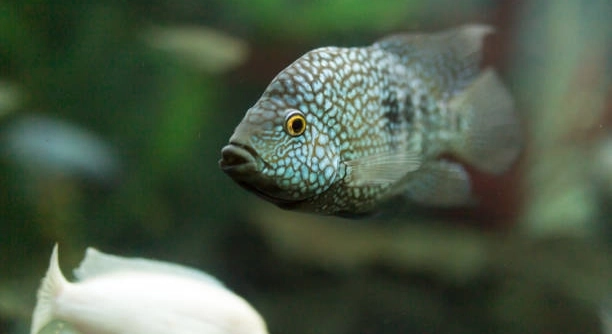
Jack Dempseys are striking fish that bring energy and color to any tank. They are known for their bold personality and active swimming, making them both fascinating and challenging for aquarists to manage.
Finding compatible tankmates for Jack Dempseys requires careful selection. Only certain species can coexist peacefully due to the cichlid’s territorial and aggressive tendencies. Choosing the right companions ensures a balanced, stress-free environment that supports healthy growth and behavior.
Knowing which fish work well can save time and stress. This guide highlights options that are practical and safe for community setups.
Understanding Jack Dempsey Behavior
Jack Dempseys are strong, territorial cichlids that demand respect in any tank. They often stake out a corner or hideout and defend it aggressively. Their bold colors and patterns make them highly visible, which can intimidate smaller or less assertive fish. While they are intelligent and can recognize other tankmates, their natural instincts make them prone to chasing or nipping at newcomers. Juveniles are slightly more tolerant, but adult Jack Dempseys rarely allow smaller species to linger near their chosen area. Tank size plays a key role in managing aggression. A larger tank with plenty of hiding spaces can reduce confrontations. Rocks, caves, and plants create boundaries that help other fish coexist without constant stress. Even with careful planning, some fish may not adapt. Observing their behavior regularly and making adjustments, such as rearranging decorations or temporarily separating fish, ensures a safer, more harmonious environment for all inhabitants.
Aggression can be managed by choosing tankmates of similar size and temperament. Avoid slow-moving or tiny species that may provoke stress.
It is important to note that Jack Dempseys thrive in stable conditions. Consistent water temperature, pH, and clean water are crucial to reducing aggression. When tankmates are introduced gradually, with multiple hiding spots, conflicts can be minimized. Using neutral territories during introductions helps prevent immediate territorial disputes. Proper feeding schedules also reduce competition, as well-fed fish are less likely to chase others. Monitoring fish interactions daily allows early detection of tension, giving aquarists the chance to intervene before injuries occur.
Best Compatible Tankmates
Certain cichlids and larger fish can coexist with Jack Dempseys if introduced correctly. Peaceful, fast-moving fish are generally safer choices than slow, shy species.
Examples of suitable tankmates include Convict Cichlids, Firemouth Cichlids, Silver Dollars, and larger Catfish species. Convict Cichlids have similar territorial instincts and can hold their own, reducing chances of harassment. Firemouths display assertive behavior but usually maintain a separate space, which helps prevent constant skirmishes. Silver Dollars are schooling fish that swim in groups and occupy the upper water column, avoiding conflict with the Jack Dempsey near the bottom. Larger Catfish, such as Plecos, remain mostly nocturnal and unobtrusive, minimizing interactions during the day. Proper tank size and decor are essential to make these pairings work. Providing multiple hiding spaces and visual barriers prevents territorial disputes. Gradual introductions and careful observation help ensure all species adapt. By understanding each fish’s behavior and needs, you can create a balanced, visually appealing tank where Jack Dempseys and compatible species coexist safely.
Choosing Peaceful Tankmates
Peaceful, fast-moving fish reduce conflicts in a Jack Dempsey tank. Species that occupy different water levels or have strong schooling instincts are usually safer companions.
Schooling fish like Silver Dollars or Hatchetfish work well because they stay in groups and rarely challenge the cichlid. Their constant movement distracts the Jack Dempsey, keeping aggression lower. Fast swimmers can escape if the cichlid becomes territorial, preventing injuries. Small fish that hide too much or are very slow are at higher risk and are best avoided. Grouping similar species together ensures harmony and reduces stress across the tank.
Non-aggressive bottom dwellers such as certain Catfish or Plecos can coexist because they occupy areas the Jack Dempsey rarely patrols. These fish provide cleaning benefits and remain largely unnoticed. Proper tank layout, with plenty of hiding spots and visual barriers, helps maintain peace. Regular observation ensures the Jack Dempsey does not single out tankmates, allowing a balanced environment where all species thrive.
Avoiding Aggression Triggers
Overcrowding or limited hiding spaces often spark fights in a Jack Dempsey tank. Clear boundaries and territorial zones prevent most conflicts.
Decorating the tank with rocks, caves, and plants creates separate areas that reduce visual stress and territorial disputes. Aggression often spikes when new fish are added too quickly, so introductions must be gradual. Monitoring feeding areas is also important, as competition for food can provoke chasing or nipping. Ensuring all fish have access to food and space allows the tank to function smoothly. Observing interactions early allows for minor adjustments before serious injuries occur, maintaining a stable and healthy environment for every species.
Tank Size Considerations
A larger tank helps reduce territorial disputes among Jack Dempseys. More space allows each fish to establish its own area and reduces stress.
Minimum tank size should be at least 55 gallons for a single adult Jack Dempsey. Adding tankmates requires even more space, ideally 75 gallons or larger, to maintain harmony and allow swimming room.
Feeding Strategies
Feeding multiple spots in the tank prevents competition. Jack Dempseys are aggressive during mealtime, so spreading food helps all fish eat safely without constant chasing.
Suitable Decorations
Rocks, caves, and plants create hiding spots and visual barriers. They help separate territories and reduce aggression, supporting a more peaceful tank environment.
Monitoring Behavior
Regular observation is essential. Watching interactions allows quick intervention if conflicts arise, helping ensure all tankmates remain safe and stress-free.
FAQ
What fish can live with Jack Dempseys?
Jack Dempseys can live with other medium to large cichlids like Firemouths or Convicts. Fast-moving schooling fish like Silver Dollars and some Catfish species also work well. The key is choosing species that are large enough to avoid being bullied and occupy different areas of the tank.
Can small fish live with Jack Dempseys?
Small, slow, or shy fish usually do not do well with Jack Dempseys. Their natural aggression makes them likely to chase or injure smaller tankmates. If you want to add smaller fish, they must be quick swimmers, able to escape, and occupy a different level in the tank than the Jack Dempsey.
How many tankmates can I keep with one Jack Dempsey?
The number depends on tank size and species choice. A 55-gallon tank can handle one Jack Dempsey and two to three compatible species if space is well-decorated. Larger tanks allow more companions, but careful monitoring is necessary to prevent territorial disputes.
Do Jack Dempseys get along with other cichlids?
Yes, but only certain types. Other robust cichlids like Convict Cichlids or Firemouths can coexist if each fish has enough space and hiding spots. Avoid very aggressive or very passive cichlids, as both extremes can trigger stress and fights.
How do I introduce new fish to a Jack Dempsey tank?
Introduce new fish slowly. Use a neutral area or separate container initially so the Jack Dempsey doesn’t feel its territory is threatened. Gradually allow interaction under supervision, and rearrange decorations to minimize disputes during the introduction period.
Do Jack Dempseys fight over food?
Yes, they can become aggressive during feeding. Distribute food across multiple spots to reduce competition. Ensure all fish have access, especially bottom dwellers and smaller species, to prevent stress and potential injuries.
Can Jack Dempseys live with bottom-dwelling fish?
Yes, certain bottom dwellers like Plecos or larger Catfish are compatible. They remain mostly unnoticed by the Jack Dempsey, occupy different areas of the tank, and contribute to cleaning leftover food, making coexistence smoother.
What tank size is required for Jack Dempseys and tankmates?
A single adult Jack Dempsey needs at least a 55-gallon tank. Adding tankmates increases space requirements. A 75-gallon tank is ideal for a small community, with enough swimming room and hiding spots to minimize aggression and stress.
How can I tell if my Jack Dempsey is stressed?
Signs include constant chasing, hiding, faded colors, or refusal to eat. Stress often comes from overcrowding, incompatible tankmates, or poor water conditions. Regular monitoring and tank adjustments can prevent long-term problems.
Do Jack Dempseys require special water conditions?
Yes, they prefer slightly hard, neutral to slightly alkaline water with temperatures between 75–82°F. Stable water parameters reduce aggression and help maintain the health of both the Jack Dempsey and its tankmates.
Can I keep more than one Jack Dempsey?
Yes, but only in larger tanks and with careful planning. They are territorial, so multiple hiding spots, caves, and decorations are essential. Even with precautions, minor disputes may occur, especially during breeding periods.
What are signs of a good tankmate?
A good tankmate is large enough to avoid harassment, occupies a different area of the tank, is fast or schooling, and can tolerate occasional territorial displays without stress. Observation is key to confirming compatibility over time.
How often should I monitor interactions?
Daily checks are recommended. Early intervention can prevent injuries. Watch for chasing, nipping, or stress behavior, and adjust decorations, feeding, or tankmate arrangement if problems arise.
Can Jack Dempseys live with aggressive fish?
Pairing with other aggressive species is risky. Fights can lead to injuries or chronic stress. Only robust cichlids with similar size and temperament are recommended, and careful observation is essential.
What should I do if conflicts occur?
Separate aggressive fish immediately or rearrange the tank to create new territories. Providing extra hiding spots and monitoring behavior for several days usually resolves tension. Reintroduction should be gradual and controlled to prevent further disputes.
Is it safe to keep schooling fish with Jack Dempseys?
Yes, schooling fish like Silver Dollars are ideal. They occupy upper water levels and move in groups, which reduces direct conflict. Their constant movement also distracts the Jack Dempsey, minimizing territorial stress and creating a more balanced tank environment.
How do decorations help reduce fights?
Rocks, caves, and plants divide space, giving fish personal areas. Visual barriers reduce territorial aggression and stress, especially during feeding or introductions. Well-planned decorations allow coexistence by giving each species control over a section of the tank.
Can Jack Dempseys live with live plants?
Yes, but they may uproot delicate plants while digging. Hardy plants or anchored decorations work best. Live plants also provide hiding spots, reduce stress, and enhance water quality, supporting both the cichlid and its tankmates.
How important is tank maintenance for harmony?
Consistent water changes, filtration, and monitoring are essential. Clean, stable conditions reduce stress and aggression. Proper maintenance ensures all fish, including Jack Dempseys and their tankmates, remain healthy, active, and less prone to conflict.
Final Thoughts
Jack Dempseys are striking and powerful fish that bring life and color to a tank, but keeping them with other fish requires careful planning. Their natural territorial instincts make them aggressive toward smaller or less confident tankmates. Successfully pairing them with other species depends on tank size, layout, and the behavior of the chosen companions. Large tanks with plenty of swimming space and well-thought-out hiding spots are essential to prevent constant conflict. Rocks, caves, and plants help divide the tank into territories, giving each fish a personal area. Without these, even compatible species can become stressed or injured. Understanding the Jack Dempsey’s personality is key. They are intelligent, curious, and active, and they quickly learn the layout of their environment. Observing their behavior helps aquarists spot tension early and make adjustments before conflicts escalate. Gradual introductions of new tankmates, along with careful monitoring, are essential steps to create a peaceful environment.
Choosing the right tankmates for Jack Dempseys means considering size, temperament, and swimming habits. Medium to large cichlids, fast-moving schooling fish, and bottom-dwelling species that occupy different areas of the tank are the safest options. Small, slow, or timid fish are generally poor choices because they cannot defend themselves or escape quickly. Feeding routines should also be managed to prevent competition, as Jack Dempseys can become aggressive around food. Multiple feeding spots reduce stress and allow all fish to eat safely. Keeping water conditions stable and consistent further reduces aggression. Slightly hard, neutral to slightly alkaline water at temperatures between 75–82°F suits Jack Dempseys and many of their compatible tankmates. Proper maintenance, including regular water changes and monitoring for signs of stress, keeps all species healthy and minimizes potential conflicts. Overcrowding should be avoided, as it increases aggression and reduces the space for territorial boundaries.
A harmonious tank with Jack Dempseys is achievable with careful planning and observation. While they are aggressive, providing the right environment and choosing compatible species allows for a balanced community tank. Regular monitoring ensures that minor disputes do not turn into serious injuries, and gradual adjustments help maintain peace. Decorations, hiding spots, and a thoughtful tank layout are just as important as choosing the right companions. Over time, the tank becomes more predictable, and the Jack Dempsey settles into its routine. With patience and attention, it is possible to enjoy the vibrant colors and energetic behavior of Jack Dempseys while maintaining a safe and healthy environment for all tankmates. Proper care, feeding, and water management make coexistence easier, resulting in a visually appealing and active tank that supports the wellbeing of every fish.

Hello,
If you enjoy the content that we create, please consider saying a "Thank You!" by leaving a tip.
Every little bit helps us continue crafting quality advice that supports the health, happiness, and well-being of pets around the world, for pets of all shapes, sizes, and species.
We really appreciate the kindness and support that you show us!