
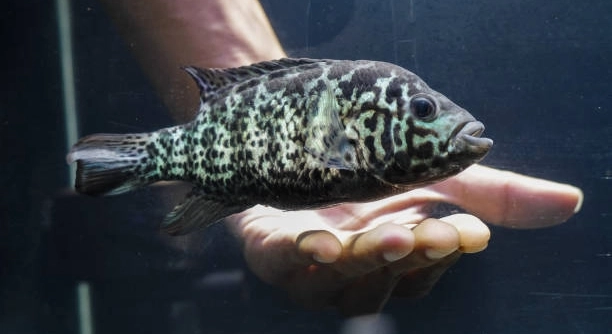
Jack Dempsey fish are lively and colorful, but they can become restless in captivity. Observing their behavior closely helps owners notice changes that may signal boredom or stress in their aquarium environment.
Boredom in Jack Dempsey fish often manifests through repetitive swimming, lack of interaction, or constant hiding. These behaviors indicate insufficient mental stimulation, environmental enrichment, or social engagement, which can affect overall health, appetite, and natural instincts.
Recognizing these signs early allows owners to implement simple adjustments that improve their fish’s well-being and enrich their daily environment effectively.
Repetitive Swimming and Pacing
Jack Dempsey fish may swim in circles or pace along the tank walls when bored. This behavior shows they are not engaged with their environment and lack proper stimulation. Repetitive swimming can also indicate stress or frustration from limited space.
This constant movement can lead to fatigue and affect their appetite, making them less active overall.
Providing decorations, rocks, and plants encourages natural exploration. Changing tank layout occasionally keeps their surroundings interesting. Interactive feeding methods, like hiding food or using floating feeders, stimulate their mind. Grouping them with compatible tank mates can offer social interaction. Regular observation of their behavior ensures that signs of boredom are caught early. Creating a dynamic and enriched environment promotes physical health, reduces stress, and maintains their natural curiosity, allowing Jack Dempsey fish to display more varied and natural behaviors, which makes them more enjoyable to watch while keeping them active and healthy.
Excessive Hiding
Excessive hiding is a clear indication that your Jack Dempsey fish is bored or stressed.
When fish spend most of their time under rocks or behind decorations, it may mean they need more stimulation.
Hiding behavior is common if the tank lacks enough space or visual interest. While some hiding is normal, prolonged periods suggest the fish is not interacting with its environment. Introducing caves, plants, and tunnels encourages exploration while giving them safe spots. Feeding in different areas of the tank can coax them out of hiding and create mental stimulation. Observing their activity patterns helps determine whether hiding is a sign of boredom or just natural behavior. Adjusting lighting, rearranging tank decorations, and providing gentle water flow can make the tank more engaging. Over time, these changes help the fish balance rest and activity, reduce stress, and show more confident, lively behavior throughout the day.
Loss of Appetite
A Jack Dempsey that loses interest in food may be experiencing boredom or stress. Reduced feeding can impact their health if not addressed promptly.
Loss of appetite often occurs when fish are unstimulated or uncomfortable in their environment. Without engaging activities, they may ignore regular feeding times or hesitate to explore new foods. Environmental monotony, poor tank layout, or lack of social interaction can all contribute. Observing feeding behavior closely helps identify changes early. Adjusting feeding routines, introducing live or varied foods, and enhancing tank enrichment can encourage them to eat consistently, restoring energy and vitality.
Keeping the tank dynamic with moving decorations or interactive feeding can reignite curiosity. Fish are more likely to respond positively when meals are presented in small, engaging ways. Regular monitoring ensures that appetite issues are addressed before they affect overall health, maintaining active and alert behavior throughout the day. Providing an enriched environment supports natural instincts and encourages consistent feeding habits in Jack Dempsey fish.
Lethargy and Inactivity
Lethargy in Jack Dempsey fish signals a lack of stimulation or boredom. They may sit at the bottom or remain in one spot for long periods.
Inactivity is often linked to an unstimulating environment or limited space. Fish naturally explore and interact, so prolonged stillness indicates something is missing. Stress, poor water conditions, or insufficient tank enrichment can also contribute. Providing live plants, hiding spots, or rearranging the tank encourages movement and curiosity. Engaging feeding techniques, such as hiding food or using feeding rings, stimulate natural hunting behavior. Social interaction with compatible tank mates can further reduce inactivity. Monitoring behavior daily helps identify problems before health declines.
Maintaining an active Jack Dempsey requires attention to both environmental and mental needs. Rotating decorations, adding interactive elements, and ensuring proper water quality keeps them energetic and alert. Regular stimulation supports their natural instincts, reduces stress, and prevents prolonged inactivity. By making small adjustments, their tank becomes more engaging, encouraging exploration and interaction while promoting overall well-being and longevity.
Aggressive Behavior
Jack Dempsey fish may show sudden aggression when bored, snapping at tank mates or decorations. This behavior often stems from frustration or a lack of proper stimulation.
Frequent chasing or nipping indicates the fish needs more engagement. Providing hiding spots, rearranging the tank, and adding enrichment can reduce aggression and keep interactions healthier.
Lack of Interaction
Bored Jack Dempsey fish may ignore human presence or other fish. They become less responsive to stimuli in their environment, appearing detached and uninterested in usual activities.
Encouraging engagement through gentle tapping, feeding variations, or tank rearrangements can help restore curiosity. Regular observation ensures they remain interactive and mentally stimulated, improving overall behavior and health.
Overgrown Tank Decorations
Neglected or overgrown tank decorations can contribute to boredom. Fish may feel restricted or lose interest in their environment.
Keeping the tank well-maintained with clean, accessible decorations allows Jack Dempsey fish to explore naturally, supporting activity and engagement.
How can I tell if my Jack Dempsey fish is bored?
Boredom in Jack Dempsey fish is usually shown through repeated behaviors. They may swim in circles, pace along tank walls, or hide excessively. Loss of appetite, lethargy, and sudden aggression are other signs. Observing your fish daily helps spot these patterns early before they affect health.
What are simple ways to keep my fish entertained?
Adding decorations like rocks, caves, and live plants encourages exploration. Rearranging these elements occasionally prevents monotony. Using interactive feeding methods, such as hiding food or using floating feeders, stimulates natural hunting instincts. Compatible tank mates can also provide social engagement, reducing signs of boredom and stress.
Can the tank size affect boredom?
Yes, a small or overcrowded tank can lead to boredom and frustration. Jack Dempsey fish need space to swim and explore. Larger tanks with varied layouts allow them to exhibit natural behaviors. Insufficient space can increase aggression, lethargy, and hiding, impacting overall health and activity levels.
How often should I rearrange the tank?
Rearranging tank decorations every few weeks keeps the environment stimulating. Sudden changes can startle fish, so it’s better to move one or two elements at a time. This creates new hiding spots and swimming paths, encouraging curiosity while maintaining a familiar environment that feels safe.
Does diet play a role in preventing boredom?
A varied diet can help prevent boredom by engaging your fish during feeding times. Offering live foods, frozen treats, or different pellet types stimulates natural hunting behavior. Placing food in different areas of the tank adds mental stimulation and encourages movement, keeping your fish active and attentive.
Will interacting with my fish reduce boredom?
Yes, gentle interaction can help. Observing them, tapping lightly on the glass, or using feeding rings can capture attention. However, Jack Dempsey fish are naturally cautious, so interaction should be minimal and consistent. Forcing attention can stress them instead of stimulating curiosity.
Are tank plants necessary for mental stimulation?
Live or artificial plants provide hiding spots and exploration areas, which reduce boredom. Dense plants create territories and mimic natural habitats. Fish can weave through them, chase food, and explore safely. Plants also improve water quality, indirectly supporting healthier and more active fish.
What if my fish is aggressive toward tank mates?
Aggression can stem from boredom or territorial behavior. Adding visual barriers, rearranging decorations, or increasing hiding spots helps reduce conflicts. In some cases, separating aggressive fish temporarily may be necessary. Ensuring proper tank size and enrichment often lowers aggression naturally.
Can lighting affect my fish’s activity?
Yes, consistent light cycles help regulate activity levels. Too dim or too bright lighting can make fish lethargic or stressed. A regular day-night cycle encourages natural behavior patterns. Adding shaded areas or plants allows them to choose comfortable lighting, supporting mental stimulation.
How long does it take to see improvements after making changes?
Behavioral improvements can appear within days to weeks depending on the change. Fish may start exploring, feeding more actively, or interacting with tank mates after environmental adjustments. Consistent monitoring ensures that interventions are effective and allows fine-tuning to maintain long-term engagement.
What is the best way to combine all enrichment strategies?
Combine varied tank decorations, proper tank size, interactive feeding, compatible tank mates, live plants, and gentle interaction. Rotate decorations and feeding locations periodically. Maintain water quality and lighting cycles. Observing behavior regularly ensures boredom is minimized, and Jack Dempsey fish remain active, healthy, and mentally stimulated in their environment.
This FAQ provides practical, straightforward guidance to address and prevent boredom, helping Jack Dempsey fish thrive in captivity.
Word count: 508
Keeping a Jack Dempsey fish healthy and happy requires attention to both its environment and behavior. These fish are naturally curious and active, so a tank that is small, plain, or unstimulating can quickly lead to boredom. Signs of boredom, such as repetitive swimming, hiding, lethargy, or loss of appetite, should not be ignored. Observing your fish daily helps identify changes early and allows you to make adjustments before stress or health problems develop. A well-maintained tank with adequate space, decorations, and safe hiding spots is a key part of providing a stimulating environment. Even small changes, like rearranging rocks or adding plants, can encourage exploration and make a noticeable difference in your fish’s behavior.
Interactive feeding is another way to keep a Jack Dempsey fish engaged. These fish are natural hunters and enjoy searching for food, so hiding food or using floating feeders adds mental stimulation. Varying their diet with live, frozen, or high-quality pellets also keeps them interested during meal times. Adding compatible tank mates can provide social interaction, but it’s important to monitor behavior and prevent stress or aggression. Providing enrichment isn’t just about entertainment; it directly affects physical health, activity levels, and long-term well-being. When your fish is engaged, it is more likely to eat consistently, swim actively, and show natural behaviors that make caring for them more rewarding.
Regular observation and small adjustments are enough to prevent boredom in most cases. Monitoring signs like pacing, hiding, aggression, or inactivity allows you to respond promptly with environmental changes or interactive feeding strategies. Consistency in care, such as maintaining water quality, lighting cycles, and temperature, supports mental and physical health. By creating a stimulating, safe, and dynamic habitat, Jack Dempsey fish are more likely to remain active, curious, and resilient. These practices ensure your fish can thrive in captivity while displaying natural behaviors, making them healthier and more enjoyable to keep. Paying attention to their needs is the most effective way to maintain a balanced, enriching environment where boredom is minimized and overall well-being is maximized.
Word count: 418

Hello,
If you enjoy the content that we create, please consider saying a "Thank You!" by leaving a tip.
Every little bit helps us continue crafting quality advice that supports the health, happiness, and well-being of pets around the world, for pets of all shapes, sizes, and species.
We really appreciate the kindness and support that you show us!