
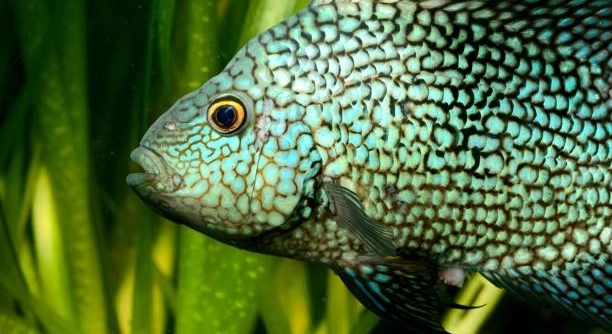
Have you ever considered adding a Jack Dempsey fish to your aquarium but want clear expectations first, especially about care, behavior, and space needs, this article outlines essential points for responsible ownership before making decisions.
The primary considerations before acquiring a Jack Dempsey fish include its aggressive temperament, substantial tank size requirements, specific water parameters, limited compatibility, protein rich diet, long lifespan, and the long term commitment required to maintain stable conditions consistently over time.
Understanding these essentials helps prevent common mistakes and supports a healthier aquarium environment, setting the foundation for informed choices ahead.
Tank Size and Daily Care Requirements
Jack Dempsey fish are known for bold behavior and strong personalities, which affects every part of their care. They require large aquariums because confined spaces increase stress and aggression. A single adult should have ample swimming room, sturdy décor, and hiding spots. Water stability matters greatly, including warm temperatures, steady filtration, and regular testing. Sudden changes often lead to illness. Their strength also means loose plants and decorations may be uprooted or damaged. I learned early that planning the tank layout first prevents constant adjustments later. These fish thrive when their environment feels secure and consistent. Ignoring their needs often results in territorial disputes, damaged fins, and poor overall health. Proper preparation supports calmer behavior and makes long term care far more manageable for both the fish and the owner. Consistency also saves time, money, and frustration while creating a healthier daily routine that feels more controlled overall long term.
Despite their reputation, Jack Dempsey fish can show predictable patterns when housed correctly. Clear boundaries, consistent feeding schedules, and minimal tank disruptions reduce conflict. I noticed calmer behavior once I stopped rearranging decorations and focused on routine maintenance instead. Stability encourages confidence and reduces unnecessary stress responses over time significantly.
Tank mates require careful selection because this species defends territory strongly. Peaceful or slow moving fish usually suffer. Larger, assertive species sometimes coexist, but success varies widely. Separate breeding pairs when possible, as spawning increases aggression. Feeding also plays a role in behavior. A protein focused diet supports growth and color but must remain controlled. Overfeeding quickly degrades water quality. I keep portions small and consistent to avoid waste. Observation is essential. Subtle changes in posture or color often signal stress before visible problems appear. Regular logs help track patterns and guide timely adjustments without overreacting to isolated incidents later.
Lifespan and Long Term Responsibility
Jack Dempsey fish can live many years with proper care, making them a serious commitment. Tank upgrades, equipment replacement, and ongoing maintenance should be expected. I planned ahead to avoid rushed decisions later, which reduced stress and unexpected expenses significantly. Planning ahead protects stability and avoids shortcuts that create problems.
Understanding this species before purchase helps set realistic expectations. They are not decorative background fish. Interaction, observation, and routine upkeep are required. Water testing, partial changes, and equipment checks become regular habits. Skipping them leads to rapid decline. Space limitations are another concern. Juveniles grow quickly, and cramped tanks cause behavioral issues. I prefer choosing a final tank size early rather than upgrading repeatedly. This approach saves money and reduces disruption. Handling aggression also requires patience. Barriers, visual breaks, and proper stocking reduce tension. Removing a fish may still become necessary. Accepting this possibility matters. A quiet environment supports better behavior, as excessive noise or movement increases stress. Lighting should remain moderate and consistent. Feeding at the same times daily builds predictability. Over time, patterns become easy to read. This makes care feel structured instead of reactive. Responsible ownership comes from preparation, consistency, and respect for the fish natural tendencies. This mindset reduces impulse purchases and prevents mismatched setups. When expectations align with reality, frustration drops. The fish responds with steadier behavior and stronger coloration. Clear planning also helps owners stay committed during challenging periods, making long term care more sustainable and rewarding overall for consistent, ethical aquarium keeping practices.
Aggression and Tank Mate Compatibility
Jack Dempsey fish display strong territorial behavior that intensifies as they mature. Aggression increases during feeding and breeding periods, making shared tanks risky. Confined spaces worsen dominance issues. Providing clear boundaries and visual breaks helps reduce constant conflict and limits injuries between tank occupants over time significantly overall stability improves.
Choosing tank mates requires realism rather than optimism. Smaller or passive species are often chased, stressed, or injured. Even similarly sized fish may clash without warning. I found success only after prioritizing temperament over appearance. Robust cichlids sometimes coexist, but constant monitoring is necessary. Overstocking increases tension quickly. Each fish must establish territory without overlap. Rearranging décor temporarily reduces aggression, but it is not a permanent solution. Separate tanks remain the safest option for long term harmony. Expect adjustments, and be prepared to remove individuals when behavior escalates unexpectedly to prevent stress buildup and repeated injuries over periods of time.
Introducing new fish into an established tank should be done cautiously. Quarantine reduces disease spread and allows observation of behavior. Sudden introductions often trigger attacks. Dim lighting during release lowers immediate tension. Feeding beforehand can also distract dominant fish. I avoid adding multiple newcomers at once, as this overwhelms existing hierarchies. Long term success depends on patience and willingness to intervene early. Nets, dividers, and backup tanks are essential tools. Ignoring early warning signs usually leads to irreversible damage and unnecessary losses that affect tank stability and increase stress levels for all fish involved long term without recovery options available.
Diet and Feeding Practices
Jack Dempsey fish require a protein focused diet to support growth and coloration. Pellets formulated for cichlids provide a reliable base. Frozen and live foods add variety but should remain controlled. Overfeeding leads to waste buildup and poor water quality. I stick to measured portions and consistent schedules to maintain balance while reducing digestive strain and aggressive competition during feeding times across the tank environment daily routines remain predictable and manageable long term overall health.
Feeding frequency matters as much as food choice. Two small meals daily prevent overeating and reduce waste. Skipping days occasionally helps digestion. I avoid mixing too many food types in one feeding, which can cause selective eating. Observing responses helps adjust portions accurately. Uneaten food should be removed quickly to protect water parameters. Supplements are rarely needed when quality foods are used. Juveniles require slightly higher protein, while adults benefit from moderation. Feeding becomes a tool for monitoring health. Changes in appetite often signal stress or environmental imbalance before visible symptoms appear allowing early adjustments to temperature, filtration, or stocking density without delay and preventing prolonged decline in overall tank stability and fish condition over time with consistent observation habits in place long term care.
Water Parameters and Stability
Jack Dempsey fish require stable, warm water with consistent filtration to remain healthy. Temperature swings and poor maintenance cause stress quickly. I test water weekly and perform scheduled changes. This routine keeps ammonia low, supports immune strength, and prevents sudden behavioral shifts that often signal declining conditions within aquariums today.
pH levels should remain slightly acidic to neutral, and hardness must stay moderate. Sudden adjustments often do more harm than gradual correction. I avoid chemical fixes unless necessary. Consistency matters more than perfection, and stable readings help fish adapt without constant physiological stress over time in enclosed tank systems long.
Breeding Behavior and Territorial Changes
Breeding triggers dramatic changes in Jack Dempsey behavior and tank dynamics. Pairs become highly protective and will defend eggs aggressively. During this period, shared tanks often fail. I noticed increased chasing, digging, and fin damage almost immediately. Separating pairs prevents losses and reduces stress. Flat stones and sheltered areas encourage spawning, but they also intensify defense responses. Fry require dedicated space and frequent feeding. Many owners underestimate how quickly conditions escalate. Planning separate tanks before breeding begins avoids rushed decisions. Awareness of these shifts helps maintain control and protects both adults and developing fry throughout the process safely long term.
Cost and Equipment Commitment
Equipment costs extend beyond the initial setup. Strong filtration, heaters, backup supplies, and larger tanks add up quickly. I learned to budget for replacements and upgrades early. This prevents compromises later and ensures stable care without cutting corners when issues arise unexpectedly during long term aquarium ownership periods overall stability.
FAQ
How aggressive are Jack Dempsey fish?
Jack Dempsey fish are highly territorial, especially as they mature. Aggression increases during feeding and breeding. I noticed even minor disturbances can trigger chasing or fin nipping. Providing hiding spots, visual barriers, and enough space helps reduce conflicts. Monitoring behavior daily allows early intervention before injuries occur.
Can Jack Dempsey fish live with other fish?
Compatibility is limited. Smaller, slow-moving, or passive fish are often stressed or attacked. I’ve found success only with similarly sized, robust species, and even then monitoring is required. Overcrowding increases aggression quickly. Separate tanks for incompatible fish are the safest long-term solution.
What tank size do Jack Dempsey fish need?
Adults need at least a 55-gallon tank, preferably larger for multiple fish. Juveniles grow quickly, and cramped conditions lead to stress and aggression. I always plan for a final tank size from the start. Proper space helps establish territories and reduces conflict.
What water conditions do they require?
They thrive in warm water between 74–80°F with stable filtration. pH should remain slightly acidic to neutral, and hardness moderate. Sudden changes stress the fish. I test water weekly and perform partial changes to maintain balance and prevent illness.
What should I feed them?
A protein-rich diet supports growth and coloration. High-quality cichlid pellets form the base, with occasional frozen or live foods. Overfeeding can harm water quality. I feed small, consistent portions twice daily and remove uneaten food promptly to avoid decay and maintain water parameters.
How often should I clean the tank?
Regular partial water changes are essential. I perform 20–25% changes weekly, checking ammonia, nitrites, and nitrates. Over-cleaning can remove beneficial bacteria, while under-cleaning increases toxins. Consistency maintains stable conditions, preventing stress and disease over time.
Do Jack Dempsey fish breed easily in home aquariums?
Breeding occurs if conditions are optimal. Pairs become extremely territorial, and aggression spikes. I always prepare separate tanks for breeding to protect fry and adults. Flat stones and sheltered areas encourage egg-laying, but constant observation is required to prevent injury and maintain water quality.
How long do Jack Dempsey fish live?
With proper care, they can live 8–10 years or more. Regular maintenance, stable water conditions, and proper nutrition are key. I’ve seen individuals thrive beyond a decade when routine care is consistent and potential stressors are minimized.
Are there signs of illness I should watch for?
Common issues include lethargy, loss of appetite, faded coloration, or fin damage. I pay attention to subtle behavior changes, as these often appear before visible symptoms. Early action, such as water checks or treatment, prevents minor issues from becoming serious problems.
Do they require special equipment?
Yes. Strong filtration, heaters, and backup supplies are necessary. I keep nets, dividers, and test kits readily available. Planning for equipment replacement early avoids compromise later, ensuring a stable environment for long-term care and reducing stress on both fish and owner.
Can I keep more than one Jack Dempsey in the same tank?
Multiple adults are risky without sufficient space and territory divisions. Aggression can escalate quickly, leading to injury. I only attempt cohabitation with careful monitoring, visual barriers, and large tanks. Juveniles may be housed together temporarily, but aggression grows as they mature.
Is it difficult to maintain their tank long-term?
Maintaining a Jack Dempsey tank requires consistent effort. Water testing, partial changes, monitoring aggression, and regular feeding are ongoing tasks. I learned that patience and routine make care manageable. Ignoring any aspect often leads to rapid health decline and unstable tank conditions over time.
Do they need hiding places?
Yes, hiding spots reduce stress and aggression. Rocks, caves, and dense decorations allow fish to retreat when feeling threatened. I noticed calmer behavior and fewer injuries after arranging shelters strategically. Visual barriers also help establish territories and improve overall tank harmony.
Are Jack Dempsey fish sensitive to noise or movement?
Yes, sudden movements or vibrations increase stress and aggression. I keep the tank in a quiet, stable area. Over time, consistent surroundings reduce erratic behavior and promote calmer interactions with other fish, especially during feeding and territorial displays.
Can I feed them live insects?
Live foods are suitable but must be controlled. I use them occasionally to add variety and enhance natural hunting behavior. Overfeeding live foods can disrupt water quality, so balance with high-quality pellets is important. Observing intake ensures no leftover food pollutes the tank.
Do they damage plants or decorations?
Jack Dempsey fish are strong and dig frequently. Live plants are often uprooted, and lightweight décor may be moved. I use hardy plants and secure decorations to prevent damage. Rearranging intentionally can reduce conflicts temporarily but is not a permanent solution.
Is breeding necessary for proper growth or health?
Breeding is not required. Fish grow and thrive without spawning. I focus on proper nutrition, water quality, and adequate space. Breeding should only be attempted if the environment allows separate tanks and protection for fry and adults to prevent stress or injury during territorial displays.
How do I know if my tank is too small?
Signs include constant chasing, fin damage, or increased stress behaviors. I noticed aggression drops significantly when fish have enough swimming space. Overcrowding makes territorial disputes inevitable. Planning for a larger tank from the beginning avoids frustration, injuries, and ongoing behavioral problems that stress both fish and owner.
Can Jack Dempsey fish tolerate other cichlids?
Compatibility varies. Some robust cichlids coexist, but careful monitoring is required. I avoid mixing species without observing temperament first. Aggression can escalate quickly, and territorial disputes are common. Separate tanks remain the safest approach when keeping multiple cichlid species to prevent unnecessary injuries and stress long term.
Do they require special lighting?
Moderate, consistent lighting is sufficient. Extreme brightness can increase stress and aggression, while darkness affects behavior and appetite. I maintain a regular light schedule to mimic natural patterns, supporting normal activity levels, feeding, and overall well-being without triggering territorial disputes or health issues over time.
What is the best way to introduce a new Jack Dempsey to an established tank?
Quarantine new fish to monitor health and reduce disease risk. Introduce slowly with dividers to allow visual acclimation first. I found dim lighting and pre-feeding calm the existing fish. Gradual introduction reduces immediate aggression, helping both new and established fish adjust safely without unnecessary conflict.
Are Jack Dempsey fish hardy for beginners?
They are moderately hardy but require experience with water stability and aggression management. I wouldn’t recommend them for complete beginners. Consistent care, monitoring behavior, and understanding their needs are essential. Impulsive decisions or inadequate preparation often result in poor health and tank instability over time.
Do they need supplements or vitamins?
High-quality cichlid foods typically provide sufficient nutrition. I rarely add supplements unless fish show signs of deficiency. Balanced feeding, variety in protein sources, and stable conditions usually maintain optimal health. Over-supplementing can create water issues or dietary imbalance, so moderation is key for long-term care.
Is it difficult to clean a Jack Dempsey tank?
Cleaning requires patience because of their size and strength. I perform partial water changes, monitor water chemistry, and avoid sudden disruptions. Strong filtration reduces maintenance frequency, but daily observation is necessary. Consistency keeps stress low, ensures water quality, and supports stable behavior in the long term.
How often should I monitor their behavior?
Daily observation is best. I watch for aggression, appetite changes, and signs of stress or illness. Subtle changes often appear before visible symptoms. Keeping a log helps track patterns and informs adjustments, preventing long-term issues and maintaining overall tank harmony efficiently over time.
Are Jack Dempsey fish suitable for planted tanks?
They can uproot plants due to digging habits. I choose hardy, secured plants or artificial decorations. Dense planting can reduce aggression but does not eliminate territorial behavior. Planning for their natural digging instincts helps prevent frustration and damage to the tank while providing retreats and visual boundaries for calmer interactions over time.
Do they interact with humans?
Jack Dempsey fish recognize owners and may respond to presence, especially during feeding. I noticed subtle behaviors like following movement or waiting near the surface. While not interactive like some species, this recognition adds satisfaction to ownership without requiring excessive handling, which can stress the fish and damage fins over time.
Are there seasonal or environmental factors that affect them?
Temperature fluctuations, water chemistry changes, and lighting shifts affect behavior and health. I maintain steady conditions year-round to prevent stress. Even minor disturbances can increase aggression or reduce appetite. Long-term stability ensures stronger coloration, calmer behavior, and predictable feeding patterns, minimizing risks from environmental variations in the tank consistently.
How do I prevent fin damage?
Providing enough space, hiding spots, and monitoring aggression helps. I noticed fin nipping often occurs during feeding or territorial disputes. Using barriers and ensuring compatible tank mates reduces incidents. Clean water and proper nutrition also support fin strength, allowing recovery if minor damage occurs without long-term negative effects.
Can they tolerate changes in diet?
They adapt gradually but sudden changes can cause stress or digestive issues. I introduce new foods slowly, mixing with familiar items. Observing acceptance and digestion prevents problems. Balanced feeding supports growth, coloration, and overall health, ensuring changes do not negatively affect water quality, appetite, or behavior over extended periods in the tank consistently.
Do Jack Dempsey fish need supplemental hiding structures as they age?
Yes, as they grow more territorial, extra hiding spots reduce aggression and stress. I added caves and visual barriers over time, which significantly lowered conflict. Adults especially benefit from retreats. This adjustment supports calmer interactions, protects fins, and promotes overall tank harmony without requiring constant intervention from the owner long term.
What is the most common mistake new owners make?
Underestimating aggression, tank size, and maintenance needs is frequent. I’ve seen new owners overstock tanks or ignore water stability. This leads to stress, illness, and damage to decorations or fish. Planning, consistent routines, and realistic expectations prevent these issues, ensuring long-term success and healthier fish overall.
Can Jack Dempsey fish recognize each other?
Yes, they establish hierarchies and recognize tank mates. I observed specific behaviors indicating territory acknowledgment and memory of past conflicts. This recognition helps reduce unnecessary fighting once hierarchies are set, but careful observation is still required to maintain balance and prevent injuries over time in a shared tank environment.
Are they suitable for display aquariums?
They are visually striking with vibrant coloration and active movement. I keep them in well-maintained tanks with adequate space and décor. Their aggression and territorial nature require careful planning. When properly housed, they remain attractive and healthy, but display tanks must accommodate behavioral needs as much as aesthetics to maintain long-term stability and visual appeal consistently over time.
Keeping a Jack Dempsey fish is a serious responsibility that requires careful planning and consistent care. These fish are not ideal for small tanks or casual aquarium owners. Their aggression, territorial nature, and strong personalities mean they need plenty of space, proper hiding spots, and visual barriers to feel secure. I learned early that providing a tank large enough for swimming and territory establishment reduces stress and prevents repeated conflicts. Beyond space, water stability is critical. Regular testing for ammonia, nitrites, and nitrates, along with consistent partial water changes, helps maintain a healthy environment. Sudden changes in temperature, pH, or hardness can cause illness or increased aggression. Observing the fish daily and adjusting care when needed ensures a safer and more predictable environment, which benefits both the fish and the tank ecosystem. Planning for these aspects ahead of time prevents problems later and makes ownership more manageable over the long term.
Feeding and nutrition play an equally important role in keeping a Jack Dempsey healthy. A diet high in protein, including quality cichlid pellets, frozen, or occasional live foods, supports growth and coloration. Overfeeding can quickly degrade water quality, so measuring portions and maintaining a consistent feeding schedule is essential. I found that feeding twice daily with controlled amounts prevents aggressive competition during meals and keeps the fish in optimal condition. Supplements are rarely needed if the diet is balanced, but observing the fish for signs of deficiency or unusual behavior allows early intervention. Additionally, tank mates must be chosen carefully to avoid constant fighting and stress. Even robust species can struggle if space or hiding areas are insufficient. Introducing new fish slowly, using dividers, and monitoring interactions over time helps prevent injuries and keeps the tank stable.
Owning a Jack Dempsey is a long-term commitment, sometimes lasting up to a decade or more with proper care. Equipment, tank maintenance, feeding, and behavioral monitoring are ongoing responsibilities. I’ve learned that patience, observation, and consistency are key to reducing stress for both the fish and the owner. Providing a stable environment, sufficient space, hiding places, and a proper diet ensures the fish thrive, display vibrant colors, and behave predictably. While they are strong, bold, and sometimes aggressive, their intelligence and personality make them rewarding to keep when their needs are met. Long-term success is less about convenience and more about preparation, commitment, and careful observation. By understanding their requirements and respecting their natural behavior, a Jack Dempsey can become a healthy and visually striking addition to a home aquarium while maintaining balance and harmony in the tank for years to come.

Hello,
If you enjoy the content that we create, please consider saying a "Thank You!" by leaving a tip.
Every little bit helps us continue crafting quality advice that supports the health, happiness, and well-being of pets around the world, for pets of all shapes, sizes, and species.
We really appreciate the kindness and support that you show us!