
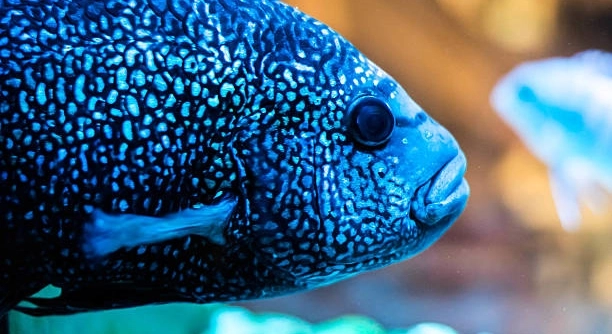
Many Jack Dempsey owners notice their fish spending long periods tucked away behind rocks or decor. This behavior can feel concerning, especially when the fish was once active and visible during feeding and tank observation.
The primary reason a Jack Dempsey fish hides is stress caused by environmental or social factors. Poor water conditions, aggressive tank mates, sudden changes, illness, or lack of shelter can trigger avoidance behavior as a natural response to discomfort states.
By recognizing these causes early, it becomes easier to restore comfort, confidence, and healthy activity within your aquarium environment again.
Poor Water Conditions Cause Stress
Water quality plays a major role in how safe a Jack Dempsey feels inside the tank. When ammonia, nitrites, or nitrates rise, the fish often retreats to protect itself. Inconsistent temperatures, weak filtration, and skipped water changes add constant pressure. Over time, this stress reduces confidence and activity. I have noticed that hiding increases quickly when maintenance slips, even slightly. Cloudy water or strong odors are also warning signs. Jack Dempseys are hardy, but they still rely on stable conditions to feel secure. Without balance, their instinct is to stay hidden where movement is limited and light exposure is low. This behavior is not random. It is a clear reaction to discomfort that builds slowly and worsens if ignored for too long. Consistent testing and routine care help prevent this pattern and support calm behavior throughout the day and night for sensitive fish like this species in captivity settings alone.
Stable water parameters give Jack Dempseys confidence to explore openly. Clean water supports healthy gills, digestion, and energy levels. When these needs are met, hiding decreases naturally. Regular testing, steady temperatures, and proper filtration create an environment where stress responses fade and normal behavior returns over time with consistency applied.
Even small changes can impact how secure your fish feels. Missed water changes, overfeeding, or overcrowding slowly shift conditions. I learned that keeping a simple schedule makes a noticeable difference. Weekly partial water changes and rinsing filter media help maintain balance. Feeding measured portions reduces waste buildup. It also helps to avoid sudden temperature swings during maintenance. When the tank remains predictable, Jack Dempseys spend less time hiding and more time displaying natural movement, color, and interaction within their space. This steady routine supports long term comfort and visible confidence for fish kept in home aquariums daily setups with care.
Tank Mates and Territory Issues
Aggression and territory stress often cause hiding in Jack Dempseys. These fish establish dominance and require personal space. When housed with incompatible tank mates, they withdraw to avoid conflict. Limited space, lack of visual barriers, or constant chasing quickly lead to defensive behavior and reduced activity inside shared aquarium environments.
Jack Dempseys are naturally assertive and prefer clearly defined territory. When placed with fast, aggressive, or nippy fish, hiding becomes a coping response. I have seen this happen when tank mates outgrow the space or feeding competition increases. Rearranging decor can temporarily reset boundaries, but long term solutions matter more. Providing caves, rocks, and breaks in line of sight helps reduce tension. Tank size also plays a large role. Crowded environments leave no room to retreat safely. Choosing tank mates with similar size and temperament lowers daily stress. Monitoring interactions during feeding is especially important. If chasing becomes routine, separation may be necessary. A calm social structure allows Jack Dempseys to feel secure enough to stay visible. When social pressure drops, confidence slowly returns and hiding behavior eases over time. Stress from social imbalance often develops gradually. Early signs include fin clamping and reduced appetite. Addressing issues sooner prevents long lasting habits. A peaceful setup encourages natural movement, stronger coloration, and consistent feeding responses. Taking time to observe daily behavior patterns helps guide better housing decisions and improves overall tank stability for long term success with this species in community or single species aquariums at home with careful planning applied.
Sudden Changes in the Tank Environment
Sudden changes often push a Jack Dempsey into hiding almost immediately. Large water changes, new decorations, bright lighting shifts, or moving the tank disrupt familiarity. When the environment changes too quickly, the fish responds by retreating until surroundings feel predictable again. This reaction is common in sensitive or adjusted fish.
Jack Dempseys rely heavily on routine to feel secure in captivity. When decorations are rearranged or equipment is replaced, landmarks disappear. I have noticed hiding increase after deep cleanings done too fast. Even beneficial changes can feel threatening without gradual transitions. Sudden shifts force the fish to reassess territory and safety. Bright lights added without adjustment also increase stress. Giving the tank time to settle allows confidence to rebuild. Small changes spaced out over days help reduce shock. Stability supports normal behavior and reduces prolonged hiding patterns that form when stress repeats often during regular care and maintenance routines consistently.
Gradual adjustments make a noticeable difference over time. Dim lights temporarily after changes to ease tension. Add or move decor in stages rather than all at once. I learned that leaving some familiar items untouched helps a lot. Maintain feeding times during changes to reinforce routine. Monitor behavior closely for several days. If hiding continues, pause further adjustments. Allowing recovery time helps the fish relearn safety. Predictable surroundings encourage exploration and reduce stress based withdrawal behaviors that develop when instability becomes frequent. This approach supports calmer behavior and prevents long term hiding habits from forming during routine tank management periods.
Illness or Physical Discomfort
Illness often causes Jack Dempseys to hide more than usual. Internal infections, parasites, or injuries reduce energy and confidence. When movement feels uncomfortable, hiding becomes a protective response. I have seen active fish disappear quickly once symptoms begin. Loss of appetite, faded color, or clamped fins often appear alongside hiding. These signs suggest the fish is conserving energy while dealing with physical stress and discomfort that limits normal behavior and daily activity levels inside aquariums.
Health related hiding should never be ignored. Jack Dempseys are resilient, but prolonged stress weakens immunity. I always check water parameters first, then observe breathing and swimming patterns. Scratching, rapid gill movement, or uneven swimming indicate deeper problems. Quarantining the fish may be necessary to reduce pressure. Early treatment improves recovery and reduces long term damage. Medications work best when symptoms are mild. Providing warm, stable water and minimal disturbance helps healing. A quiet tank with low lighting reduces strain. Addressing health concerns promptly prevents hiding from becoming permanent behavior tied to ongoing discomfort. I have found that observation twice daily helps catch subtle changes early. This habit supports faster responses and better outcomes overall for fish recovering in home tanks under attentive care routines.
Lack of Proper Hiding Spots
A lack of hiding spaces makes Jack Dempseys feel exposed and unsafe. Without caves, rocks, or plants, the fish has nowhere to retreat. Constant visibility increases stress, especially in bright tanks, leading the fish to hide behind equipment or remain motionless for long periods during daily aquarium life setups indoors.
Providing proper shelter encourages natural behavior and confidence. I noticed immediate improvement after adding caves and stacked rocks. Multiple hiding spots prevent competition and allow choice. Even simple decorations help break sight lines, reduce tension, and give the fish control over its space within the tank environment long term stability.
Lighting That Is Too Bright or Inconsistent
Improper lighting can make Jack Dempseys feel constantly threatened. Extremely bright lights with no dim areas increase exposure and stress. Fish kept under intense lighting often avoid open spaces. I found that reducing brightness and shortening light duration helped significantly. Floating plants and shaded areas create comfort zones. Lights left on too long disrupt rest cycles, causing fatigue and irritability. A consistent schedule supports balance. Soft, steady lighting encourages exploration without overwhelming the fish. Adjusting intensity rather than turning lights off entirely maintains rhythm while improving comfort and visibility throughout the tank for healthier daily behavior patterns and calmer presence.
Age and Developmental Changes
Age and maturity also influence hiding behavior in Jack Dempseys. Younger fish hide more as they grow and assess surroundings. Older fish may retreat during hormonal changes or breeding phases. This behavior often stabilizes with time, space, and consistent care routines applied within stable aquarium conditions long term balance achieved.
Why is my Jack Dempsey hiding all the time?
Jack Dempseys hide most often due to stress, which can come from water conditions, tank mates, lighting, or sudden changes in the environment. I have noticed that even small adjustments, like moving decorations or changing water too quickly, can make them retreat for hours or days. Stress triggers instinctive protective behavior, making them feel safer when unseen. Regular maintenance, proper tank setup, and stable surroundings usually reduce this behavior over time.
Can poor water quality cause hiding?
Yes, poor water quality is one of the main reasons Jack Dempseys hide. High ammonia, nitrite, or nitrate levels irritate gills and reduce comfort. I check water parameters weekly, and I’ve seen fish become noticeably more active after improving filtration and performing consistent partial water changes. Even minor fluctuations in temperature or pH can make them withdraw. Keeping water stable and clean creates an environment where hiding decreases and activity increases naturally.
Do tank mates affect hiding behavior?
Tank mates have a significant impact. Jack Dempseys are territorial and can feel threatened by fast, aggressive, or larger fish. I’ve observed that hiding decreases when the tank is rearranged to give them private spaces or when calmer companions are introduced. Providing rocks, plants, or caves helps reduce stress caused by competition or chasing. Crowded tanks leave no safe retreat, so giving each fish enough space encourages confidence and decreases prolonged hiding.
Could illness make my Jack Dempsey hide?
Absolutely. Hiding can be a response to discomfort from illness, parasites, or injury. I always watch for signs like clamped fins, faded colors, reduced appetite, or unusual swimming patterns. Sick fish conserve energy and retreat from perceived threats. Prompt attention, water checks, and sometimes quarantine or treatment can prevent serious health issues and restore normal behavior. A quiet, stable tank supports recovery.
Does lighting affect hiding habits?
Lighting can make a big difference. Bright lights or inconsistent schedules stress Jack Dempseys, making them seek shaded or hidden areas. I found that adding floating plants, dimmable lights, or shaded corners encourages exploration. Consistent light cycles maintain normal activity levels. Avoiding overly intense or constantly changing light reduces stress and helps fish feel more secure in their environment.
How do tank decorations help reduce hiding?
Decorations provide structure and security. Caves, rocks, and plants give Jack Dempseys places to retreat without being completely isolated. I noticed that multiple hiding spots lower stress levels and allow the fish to choose when and where to rest. Even small adjustments, like repositioning rocks or adding tall plants, help define territory and reduce anxiety, resulting in more visible and confident behavior.
Is hiding normal for all Jack Dempseys?
Yes, to a degree. Jack Dempseys naturally hide as part of their instinctive behavior, especially when young, stressed, or during breeding periods. I’ve observed that as they grow and feel secure in their environment, hiding becomes less frequent. Age, personality, tank setup, and social dynamics all influence how often hiding occurs. Consistent care and a stable environment support natural behavior while minimizing excessive withdrawal.
Can gradual environmental changes reduce hiding?
Gradual changes work best. I’ve learned that sudden rearrangements or water replacements trigger prolonged hiding. Introducing new decorations, adjusting lighting, or changing water slowly over several days reduces stress. Allowing the fish to acclimate to each adjustment helps them maintain confidence and explore the tank more freely. Predictable routines create a sense of safety that minimizes hiding.
Will hiding affect my Jack Dempsey’s health?
Extended hiding can indicate stress, which weakens immunity over time. I always monitor behavior closely; prolonged retreat paired with poor appetite or color loss suggests a problem. Addressing causes like water quality, tank mates, or illness early prevents long-term health issues. A balanced environment restores activity and supports proper growth and wellbeing.
How can I encourage my Jack Dempsey to come out more?
Creating comfort is key. I ensure hiding spots, maintain stable water parameters, reduce bright or sudden lighting, and monitor tank mates. Feeding at consistent times and limiting disturbances helps them associate the tank with safety. I’ve noticed that over weeks, these small steps lead to increased activity and more visible behavior, without forcing the fish into stressful exposure.
Jack Dempseys are naturally cautious and territorial fish, so hiding is often just a normal part of their behavior. They use retreating as a way to feel secure when they perceive threats or stress in their environment. This instinct helps them conserve energy and protect themselves from potential harm. In most cases, hiding is temporary and can be reduced by making gradual adjustments to the tank. Proper tank setup, stable water conditions, and compatible tank mates all play a major role in how comfortable your fish feels. Observing your Jack Dempsey’s routine and behavior can give you clues about what triggers its hiding, whether it is environmental, social, or health-related. Taking careful note of changes in activity, feeding habits, and coloration can help identify stress before it becomes serious. Even minor improvements, like adding a few hiding spots or adjusting lighting, can encourage more visible activity and reduce constant retreating over time.
Maintaining water quality is one of the simplest ways to reduce hiding. Jack Dempseys are sensitive to high ammonia, nitrite, or nitrate levels, and fluctuations in temperature or pH can also create stress. Regular water testing, partial water changes, and effective filtration ensure that the environment stays safe and predictable. These small but consistent actions support overall health, energy levels, and confidence. Tank decorations, like caves, plants, and rocks, provide essential shelter and help the fish define its territory. I have seen first-hand how adding multiple hiding spots allows Jack Dempseys to explore more confidently, even while keeping retreat options available. Stable lighting, gradual adjustments, and minimal disturbance during maintenance further reduce anxiety. Together, these steps create an environment where hiding becomes occasional rather than constant.
It is also important to consider health and social factors when assessing hiding behavior. Illness, parasites, or injuries can make even the most confident fish withdraw for longer periods. Early detection of symptoms like clamped fins, faded colors, or unusual swimming is essential for timely treatment. Tank mates and social hierarchy also impact comfort. Aggressive or fast-moving companions may increase hiding, while calm and compatible tank mates reduce stress. Consistent care, observation, and attention to environmental conditions help Jack Dempseys feel secure, improving their overall wellbeing. While hiding is a normal behavior, understanding the causes and making gradual, thoughtful adjustments will support a healthier, more active fish. Creating a stable, predictable, and enriched environment is the best way to ensure your Jack Dempsey thrives and displays natural behavior consistently.

Hello,
If you enjoy the content that we create, please consider saying a "Thank You!" by leaving a tip.
Every little bit helps us continue crafting quality advice that supports the health, happiness, and well-being of pets around the world, for pets of all shapes, sizes, and species.
We really appreciate the kindness and support that you show us!