
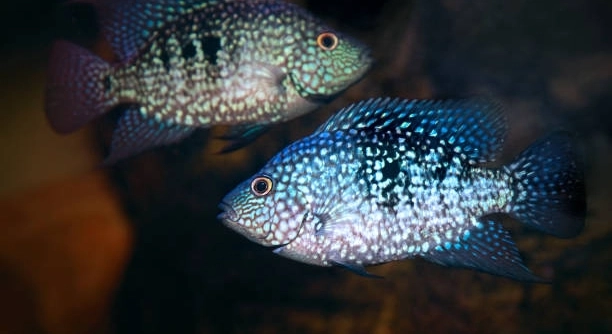
Jack Dempsey fish are known for their striking colors and lively personalities, making them a popular choice for freshwater aquariums. Many owners notice their fish grow steadily, but growth can vary depending on care and environment.
Jack Dempsey fish can reach sizes of 10 to 15 inches in captivity. Proper diet, tank size, and water conditions significantly influence their growth, and ensuring optimal parameters will help the fish reach its maximum potential safely and healthily.
Understanding how tank conditions, nutrition, and genetics affect growth will help you provide the best care. This information ensures your Jack Dempsey thrives and reaches a healthy size.
Understanding Jack Dempsey Growth Patterns
Jack Dempsey fish grow at different rates depending on several key factors. Age is the first consideration—young fish tend to grow faster, especially during the first year. Genetics also play a major role; some fish naturally reach larger sizes while others remain smaller. Tank size directly affects growth as well. A crowded tank limits movement and slows development. Water quality is equally important. Clean water with stable temperature and pH encourages healthy growth. Poor conditions can stunt development and cause stress. Feeding practices also influence size. A balanced diet rich in protein promotes muscle development and overall health. Overfeeding or inconsistent feeding can lead to slow growth or health problems. Environmental enrichment, like hiding spots and open swimming areas, helps fish exercise, which contributes to growth. Observing your fish regularly will help you notice changes in size and health, allowing adjustments to diet and tank conditions to support optimal growth.
Proper care and attention ensures your fish grows steadily. Monitoring water, tank size, and diet is essential.
Every Jack Dempsey develops uniquely. By understanding how these factors interact, you can create conditions that support consistent growth. Regular feeding, clean water, and a spacious tank all encourage healthy development. Observing behavioral cues like activity levels and appetite helps determine if growth is on track. For instance, lethargic fish may indicate stress or poor water quality. Providing protein-rich foods and occasional live feed supports muscle growth. Tank mates also influence development; aggressive companions can stress the fish and slow growth. Seasonal changes may have minor effects, so maintaining stable temperature is crucial. Growth may plateau after maturity, but continued proper care maintains health. Ultimately, attentive management of environment, nutrition, and social interactions ensures that your Jack Dempsey reaches its potential size safely while remaining active and vibrant in your aquarium.
Feeding Practices That Promote Growth
Consistent feeding is key to healthy growth. Jack Dempseys need a balanced diet with protein, vegetables, and occasional live foods. Overfeeding or skipping meals can harm development and health.
Providing variety is important. High-quality pellets or flakes supplemented with live or frozen foods encourage steady growth and vibrant colors. Feeding multiple small meals throughout the day prevents overeating and improves digestion. Vegetables like peas or spinach can be included occasionally for fiber and vitamins. Avoid low-quality food that lacks nutrients, as it can stunt growth and weaken immunity. Treats should be minimal and never replace a full meal. Monitoring how much your fish consumes helps prevent leftover food that can pollute the tank. Adjusting portion size as the fish grows ensures that nutrition meets their changing needs. A proper feeding schedule combined with clean water and tank maintenance ensures your Jack Dempsey reaches its maximum size while staying healthy, active, and visually striking. Consistency and attention make a noticeable difference in overall growth.
Tank Size and Environment
A larger tank allows Jack Dempsey fish to grow bigger and stay healthier. Crowded or small tanks limit movement and can stress the fish, slowing growth and affecting overall health.
Proper tank setup requires at least a 55-gallon tank for a single adult Jack Dempsey. The tank should have open swimming areas and hiding spots using rocks or plants. Filtration and regular water changes are crucial to maintain clean, stable water. Temperature should remain between 75–82°F, and pH around 6.5–7.5. Decorations should not overcrowd the tank but provide areas for retreat, as stress can reduce appetite and stunt growth. Monitoring water parameters consistently ensures the fish develops in optimal conditions.
Substrate and décor also influence activity and growth. Sand or fine gravel is ideal to prevent injury. Avoid sharp objects that can damage fins or scales. Proper lighting helps regulate behavior and feeding patterns. Regularly rearranging hiding spots encourages exploration and exercise, promoting healthy muscle development. Water flow should be moderate, not too strong, to allow comfortable swimming. By balancing space, structure, and cleanliness, your Jack Dempsey can grow efficiently while staying vibrant and active in the tank.
Genetics and Growth Potential
Genetics determine the maximum size your Jack Dempsey can reach. Some strains naturally grow larger, while others remain smaller despite ideal care.
Breeding history affects growth potential significantly. Fish from large, healthy parents tend to grow faster and achieve bigger sizes. Selective breeding can produce variations in size, color, and temperament. Even in optimal conditions, genetics set a natural limit for growth, so understanding lineage helps manage expectations. Genetics also influence body shape and aggression levels, impacting how the fish interacts with tank mates.
While environment and diet are crucial, genetic factors cannot be changed. Observing siblings or offspring from the same parents provides insight into typical growth patterns. Genetic diversity within the tank can prevent health issues and promote steady development. Understanding genetic limits allows you to provide realistic care goals and maintain a balanced, healthy aquarium. Combining attention to genetics with proper nutrition, tank setup, and water maintenance ensures the fish grows to its potential while remaining active and healthy.
Water Quality Essentials
Clean, stable water is critical for Jack Dempsey growth. Poor water conditions stress the fish and slow development, while consistent maintenance supports health and size.
Regular water changes, proper filtration, and monitoring pH, ammonia, and nitrate levels are necessary. Sudden fluctuations can stunt growth and increase disease risk.
Temperature and Lighting
Maintaining a stable temperature between 75–82°F helps metabolism and growth. Inconsistent temperatures can stress the fish, reducing appetite and slowing development. Proper lighting supports natural behavior and feeding patterns, enhancing overall health and activity levels, which contribute to steady growth over time.
Recognizing Growth Stages
Jack Dempseys grow rapidly in their first year. After reaching maturity, growth slows, but continued care ensures they remain healthy and active throughout their life.
FAQ
How fast do Jack Dempsey fish grow?
Growth rates vary depending on age, diet, tank size, and water quality. Young Jack Dempseys grow quickly during their first year, often reaching several inches in a few months. After their first year, growth slows as they approach maturity. Consistent care, proper feeding, and a spacious tank support steady development.
What is the maximum size a Jack Dempsey can reach?
In captivity, Jack Dempseys can grow between 10 and 15 inches, with some reaching slightly larger sizes under ideal conditions. Genetics set the natural limit, but proper tank size, water quality, and nutrition allow the fish to reach its full potential safely.
How does diet affect growth?
Protein-rich foods like pellets, frozen or live foods, and occasional vegetables promote muscle development and overall health. Overfeeding or irregular feeding can lead to slow growth, obesity, or poor health. Multiple small meals throughout the day are better than one large feeding. Treats should not replace regular meals.
Does tank size influence how big my fish will get?
Yes, tank size plays a major role. A small, crowded tank restricts movement, causes stress, and slows growth. Adult Jack Dempseys need at least a 55-gallon tank, with larger tanks providing more space for swimming and reducing territorial aggression. Open swimming areas and hiding spots contribute to overall well-being.
Can water quality impact growth?
Absolutely. Clean water with stable pH and temperature encourages healthy development. Ammonia, nitrites, and nitrates should remain at safe levels. Regular water changes and proper filtration prevent stress and disease, allowing the fish to grow efficiently. Fluctuations in temperature or chemical levels can stunt growth.
Do tank mates affect growth?
Yes, aggressive or overly dominant tank mates can stress Jack Dempseys, reducing appetite and slowing growth. Peaceful or similarly sized fish are better companions. Avoid overcrowding, as this increases stress, decreases swimming space, and can stunt development. Monitoring interactions helps maintain a healthy environment.
How can I tell if my fish is growing properly?
Regular observation helps. A healthy, growing Jack Dempsey will be active, eat consistently, and show steady increases in size. Lethargy, poor appetite, or abnormal swimming patterns may indicate stress, poor water quality, or inadequate nutrition. Measuring growth over time provides a clear picture.
Does genetics determine final size?
Genetics set the upper limit for growth. Fish from larger parents generally grow bigger, while smaller-strain fish may remain modest in size. While diet, tank conditions, and care influence growth, genetics ultimately define how large a Jack Dempsey can get. Understanding lineage helps set realistic expectations.
Can stress stunt growth?
Yes, stress is a major factor. Crowded tanks, poor water quality, aggressive tank mates, or frequent disturbances can slow metabolism and appetite. Minimizing stress with proper tank setup, hiding spaces, and consistent care ensures the fish grows at a healthy rate.
How often should I feed my Jack Dempsey?
Feeding two to three small meals per day is ideal for young fish. Adult fish may be fed once or twice daily, depending on size. Consistent feeding schedules prevent overeating, promote proper digestion, and support steady growth. Monitoring how much the fish consumes helps adjust portions appropriately.
Are there signs of stunted growth?
Stunted growth can appear as a smaller-than-expected size, thin body, faded coloration, or low activity levels. These signs often indicate poor water quality, inadequate nutrition, stress, or health issues. Identifying and correcting the underlying problem can improve growth if the fish is not fully mature.
Do seasonal changes affect growth?
Seasonal changes may influence metabolism slightly if temperature fluctuates. Maintaining consistent water temperature and stable conditions year-round minimizes stress and supports continuous growth. Avoid exposing the tank to direct sunlight or cold drafts, as these can affect water stability.
What is the best way to maximize growth?
Providing a spacious tank, clean water, stable temperature, a balanced protein-rich diet, and minimal stress ensures healthy growth. Attention to genetics, monitoring development, and maintaining proper tank conditions help Jack Dempseys reach their potential size while staying active and healthy.
Can adult Jack Dempseys continue to grow?
Yes, growth slows after reaching maturity but continues gradually. Maintaining optimal tank conditions and diet keeps the fish healthy and can allow slight size increases over time. Neglect or poor care may halt growth entirely or cause health issues.
How do hiding spots affect growth?
Hiding spots reduce stress and encourage natural behavior. Jack Dempseys that feel secure are more active, eat regularly, and develop better muscle tone. Rocks, plants, and decorations create territories that help minimize conflict and promote steady growth in the tank.
Is live food necessary for growth?
Live food is beneficial but not strictly necessary if a high-quality pellet or frozen diet is provided. Live or frozen foods enhance protein intake, stimulate natural hunting behavior, and contribute to muscle development, overall health, and vibrant coloration.
How long does it take for a Jack Dempsey to reach full size?
Most Jack Dempseys reach near-adult size within 12–18 months, depending on genetics, diet, and tank conditions. Growth continues slowly after that, with proper care allowing the fish to achieve maximum size over time without compromising health.
Can poor water quality permanently stunt growth?
Yes, prolonged exposure to poor water conditions can stunt development, weaken immunity, and cause deformities. Maintaining clean water and stable parameters is essential throughout the fish’s life to ensure optimal growth and long-term health.
What role does exercise play in growth?
Swimming and activity are important. A tank with enough space for movement encourages muscle development and overall health. Overcrowded or poorly arranged tanks limit exercise, which can slow growth and reduce vitality. Open areas and safe hiding spots create a balanced environment.
How do I measure growth accurately?
Use a ruler or measuring tape along the tank’s side. Measure from the tip of the snout to the end of the tail fin. Record measurements periodically to track growth trends. Consistent measurement helps identify slow growth or health issues early.
Are there health issues that affect growth?
Yes, parasites, infections, or injuries can reduce appetite, stress the fish, and slow development. Early detection, quarantine when needed, and proper treatment ensure the fish recovers and continues growing normally.
Does lighting affect growth?
Moderate, consistent lighting supports natural behavior, feeding patterns, and activity levels. While it doesn’t directly increase size, proper lighting encourages exercise, reduces stress, and helps maintain a healthy metabolism, contributing indirectly to growth.
What is the role of pH in growth?
Jack Dempseys thrive in slightly acidic to neutral water (pH 6.5–7.5). Extreme pH levels can cause stress, affect metabolism, and slow growth. Regular testing and adjustments keep the tank stable, supporting consistent development and long-term health.
How important is temperature stability?
Temperature fluctuations stress Jack Dempseys, reduce appetite, and slow growth. Maintaining a stable range of 75–82°F is crucial. Heaters, thermometers, and monitoring help keep conditions consistent, supporting metabolism, activity, and proper growth.
Can I encourage growth with supplements?
High-quality, protein-rich foods and occasional vitamins can support growth and coloration. Avoid over-supplementing, which can harm the fish or water quality. Focus on balanced nutrition and consistent feeding practices for the best results.
Does tank shape matter?
Yes, elongated tanks with open swimming space are better than tall, narrow tanks. Horizontal swimming room allows exercise, reduces stress, and encourages healthy growth. Vertical tanks may limit activity, leading to slower development.
What is the role of stress reduction in growth?
Minimizing stress from aggressive tank mates, poor water quality, or frequent disturbances ensures healthy appetite, regular activity, and steady growth. Creating a stable, calm environment is essential for reaching the fish’s maximum size potential.
Can growth slow temporarily?
Yes, during illness, water changes, or minor stress, growth may slow. Once conditions improve, growth typically resumes. Consistent care and attention prevent long-term stunting or health problems.
How do I know if my tank is too small?
Signs include limited swimming space, increased aggression, and slow growth. Measuring tank dimensions and providing at least 55 gallons for a single adult Jack Dempsey helps ensure adequate space for health and development.
Does social behavior affect growth?
Territorial disputes or aggressive interactions can reduce feeding, increase stress, and slow growth. Careful selection of tank mates and sufficient space help maintain a calm environment conducive to healthy development.
Is it normal for growth to vary among siblings?
Yes, even fish from the same parents can grow at different rates. Genetics, feeding behavior, and individual health all contribute. Variations are normal and do not necessarily indicate a problem if all fish remain active and healthy.
How can I prevent stunted growth?
Provide a spacious, clean tank, stable water conditions, balanced nutrition, and minimal stress. Monitoring health, feeding regularly, and addressing issues quickly ensures steady growth and a vibrant, healthy Jack Dempsey.
How important is consistency in care?
Consistency in feeding, water changes, and environmental conditions directly supports growth. Irregular care or frequent changes in tank setup can stress the fish, reduce appetite, and slow development. Reliable routines encourage steady, healthy growth.
Can growth be improved after stunting?
Partial improvement is possible if the underlying issues are corrected early. Clean water, proper nutrition, sufficient space, and stress reduction can help the fish recover and grow closer to its potential size. Long-term neglect may permanently limit growth.
Do Jack Dempseys grow differently in community tanks?
Yes, interactions with tank mates, competition for food, and stress levels can affect growth. A balanced community setup with compatible fish reduces aggression and ensures all fish have access to food and space for healthy development.
Are there signs of optimal growth?
Active behavior, consistent feeding, bright coloration, and gradual increases in size indicate proper growth. Healthy fish are alert, swim confidently, and display normal social behavior, signaling they are developing well in their environment.
What is the impact of water hardness on growth?
Moderate water hardness supports metabolic function and overall health. Extremely soft or hard water may stress the fish, reduce appetite, and slow growth. Maintaining stable hardness levels helps ensure proper development and vitality.
How often should I monitor growth?
Monthly measurements are sufficient for tracking development. Frequent observation of behavior, appetite, and activity provides additional insight into health and growth trends. Consistent monitoring helps catch issues early.
Can breeding affect growth?
Spawning can temporarily slow growth due to energy expenditure. Providing extra nutrition and maintaining water quality during and after breeding helps the fish recover and continue growing normally.
Does tank décor influence growth?
Yes, decorations provide hiding spots that reduce stress, encourage natural behaviors, and allow exploration. Proper arrangement promotes exercise, which supports muscle development and overall health. Avoid overcrowding to maintain swimming space.
Is there a difference between wild and captive growth?
Wild Jack Dempseys may grow larger due to varied diet and space, but captive fish can still reach healthy sizes with proper care. Captivity requires attention to tank size, diet, and water conditions to mimic natural growth conditions.
How long do Jack Dempseys live?
With proper care, they can live 8–10 years or longer. Maintaining water quality, proper diet, and stress-free conditions supports longevity and steady growth throughout life.
Can tank temperature be too warm for growth?
Yes, temperatures above 82°F increase metabolism and stress, which can harm health and slow growth over time. Stable, moderate temperatures are essential for optimal development.
Do Jack Dempseys need regular exercise for growth?
Yes, swimming and exploration build muscle and promote metabolism. A tank with enough space and moderate water flow encourages activity, contributing to healthy size and vitality.
Can tank vibrations or noise affect growth?
Frequent disturbances or vibrations stress the fish, reducing appetite and slowing growth. A calm, stable environment supports consistent development and overall health.
How important is monitoring water parameters?
Constant monitoring of pH, temperature, ammonia, nitrites, and nitrates prevents stress, disease, and stunted growth. Regular checks allow early corrections and maintain optimal conditions for steady development.
Can slow growth indicate illness?
Yes, lethargy, poor appetite, or abnormal behavior often accompany slow growth. Identifying and treating health issues quickly ensures recovery and continued development toward maximum size.
Do Jack Dempseys need seasonal changes to grow?
No, stable conditions year-round are better. Sudden seasonal fluctuations can stress the fish and slow growth, so maintaining consistent temperature, lighting, and water quality is ideal.
Is water movement important for growth?
Moderate flow encourages swimming and exercise, supporting muscle development and metabolism. Too strong or weak currents can stress the fish, affecting health and slowing growth.
Can tank overcrowding permanently stunt growth?
Yes, limited space increases stress, reduces swimming, and can lead to long-term stunting. Providing adequate tank size is essential for optimal development.
Do Jack Dempseys need hiding spots at all growth stages?
Yes, hiding spots reduce stress, encourage natural behavior, and support feeding, activity, and healthy growth at every stage of life.
Can overfeeding affect growth?
Overfeeding may cause obesity, poor water quality, and reduced health, which slows proper growth. Feeding controlled portions promotes steady, healthy development.
How does aggression affect growth?
High aggression increases stress and reduces feeding opportunities. Minimizing conflicts and providing space for territories supports healthy, consistent growth.
Are there signs of poor growth conditions?
Signs include faded colors, small size for age, low activity, and irregular appetite. Addressing water quality, diet, or stress promptly can restore healthy growth.
Do juvenile Jack Dempseys need different care than adults?
Yes, juveniles grow rapidly and need higher protein diets, frequent feeding, and smaller tank populations. Adult care focuses on maintaining size, health, and stable conditions.
Can growth be encouraged in older fish?
Limited growth is possible with improved care, nutrition, and stress reduction, but older fish grow more slowly than juveniles. Genetics still determine maximum potential size.
Is tank cleaning important for growth?
Regular cleaning prevents buildup of waste and harmful chemicals. Clean, stable water supports metabolism, appetite, and overall health, allowing steady growth.
Do Jack Dempseys grow differently in planted tanks?
Planted tanks provide hiding spots and reduce stress, encouraging natural behavior and healthy growth. However, plants should not overcrowd swimming areas. Proper balance supports both exercise and security.
How can I track growth effectively?
Measure the fish monthly from snout to tail fin and observe behavior, coloration, and appetite. Keeping records helps identify trends and address potential issues early.
Are there supplements that support growth?
Balanced, protein-rich diets with occasional vitamins can aid growth, but over-supplementing can harm water quality. Focus on consistent nutrition and quality feed for best results.
Does tank location affect growth?
Yes, tanks away from constant vibrations, drafts, or temperature fluctuations reduce stress. Stable placement contributes to steady growth and overall health.
Can tank lighting affect appetite and growth?
Moderate, consistent lighting encourages feeding, activity, and metabolism, indirectly supporting healthy growth and coloration. Avoid excessive light that stresses the fish.
Are there differences in male and female growth rates?
Males may grow slightly larger and develop more vibrant colors, but both sexes follow similar growth patterns if cared for properly. Sex differences are minor compared to genetics and environment.
Is growth faster in younger fish?
Yes, juveniles grow rapidly during the first year. Proper diet, tank size, and water quality during this stage are critical for reaching adult size. Growth slows as the fish matures.
How do I prevent stunted growth in new fish?
Acclimate carefully, provide proper tank size, clean water, balanced diet, and minimal stress. Monitoring behavior and health ensures they grow steadily from the start.
Do Jack Dempseys need vitamins for growth?
Occasional supplements can help if diet lacks nutrients, but a balanced pellet or live diet usually provides everything needed for steady growth. Over-supplementing should be avoided.
Can I encourage faster growth naturally?
Focus on optimal tank conditions, proper nutrition, and stress-free environment. Growth cannot be rushed beyond genetic limits, but consistent care ensures maximum potential is reached.
How often should I check water parameters for growth?
Weekly testing of pH, ammonia, nitrites, and nitrates is recommended. Consistent monitoring prevents stress, disease, and stunted growth, keeping conditions ideal for development.
Do Jack Dempseys need a varied diet for maximum growth?
Yes, a mix of high-quality pellets, frozen or live foods, and occasional vegetables ensures proper nutrition, supporting muscle development, coloration, and overall healthy growth.
Can tank disturbances slow growth?
Frequent tapping, movement, or noise stresses the fish, reducing appetite and activity. A calm environment promotes steady growth and healthy behavior.
What is the best approach to long-term growth?
Provide stable water conditions, proper diet, adequate space, and low stress. Regular monitoring and consistent care allow your Jack Dempsey to reach its genetic potential while staying healthy.
Does color intensity relate to growth?
Bright, vibrant coloration often indicates good health and proper nutrition, which correlate with steady growth. Dull colors may signal stress or inadequate care.
Can adult fish benefit from changes in diet?
Yes, maintaining high-quality, protein-rich foods supports continued health and slight growth in adults, even after initial maturity. Changes should be gradual to avoid stress.
Is tank enrichment important for growth?
Yes, rocks, plants, and open areas encourage exercise, exploration, and natural behavior. Active fish develop better muscle tone and maintain steady growth.
How do I balance growth and tank mates?
Select compatible fish of similar size, provide hiding spots, and maintain adequate space. Reducing stress ensures all fish have opportunities to feed and grow healthily.
Can a poor immune system affect growth?
Yes, illness or weakened immunity reduces appetite, activity, and overall growth. Proper diet, clean water, and stress reduction strengthen the immune system and support healthy development.
Are there differences in growth between captive-bred and wild-caught fish?
Captive-bred fish generally adapt well to tanks and grow steadily with proper care. Wild-caught fish may experience stress and slower initial growth but can thrive if conditions are optimized.
Does activity level indicate growth health?
Yes, active, alert fish with consistent feeding behavior are likely growing well. Lethargy or avoidance may indicate stress, poor water quality, or health issues affecting development
Jack Dempsey fish are fascinating and lively pets that can grow to impressive sizes with the right care. Their growth depends on several key factors, including genetics, diet, tank size, and water quality. Understanding these elements and paying attention to your fish’s needs can make a significant difference in how healthy and large your fish becomes. Providing a spacious tank allows for adequate swimming space, reduces stress, and encourages natural behavior. Clean water with stable temperature and proper pH helps prevent health issues that can slow growth. Nutrition also plays a crucial role. A diet rich in protein, supplemented occasionally with live or frozen foods, supports muscle development and overall health. By keeping these factors consistent, you create an environment where your Jack Dempsey can thrive and reach its potential size without unnecessary risks.
Monitoring your fish regularly is equally important. Observing feeding habits, activity levels, and coloration provides valuable insight into their health and growth. Active, alert fish that eat well are usually developing at a steady rate. Conversely, lethargy, loss of appetite, or faded coloration may indicate stress, poor water quality, or dietary deficiencies. Regular measurements of your fish’s size can help track progress and catch potential issues early. Tank mates and decorations also influence growth. Aggressive or overly dominant companions can stress Jack Dempseys and reduce their appetite, while well-placed hiding spots allow them to feel secure and encourage exploration. Balancing tank environment, nutrition, and social interactions ensures your fish grows consistently and remains active. Even small adjustments, such as rearranging decorations or improving water filtration, can have noticeable effects on health and growth.
It is important to remember that genetics set the natural limit for how large a Jack Dempsey can grow. While proper care can help your fish reach its maximum potential, some individuals will naturally remain smaller due to their lineage. Accepting this and focusing on providing consistent, high-quality care is key to maintaining long-term health. Growth may slow after the first year, but with attention to diet, water conditions, and stress reduction, your fish can continue developing gradually. Overall, a combination of proper nutrition, clean water, adequate space, and minimal stress creates the ideal conditions for a healthy and thriving Jack Dempsey. By following these practices, you ensure your fish not only reaches a good size but also remains vibrant, active, and strong throughout its life.

Hello,
If you enjoy the content that we create, please consider saying a "Thank You!" by leaving a tip.
Every little bit helps us continue crafting quality advice that supports the health, happiness, and well-being of pets around the world, for pets of all shapes, sizes, and species.
We really appreciate the kindness and support that you show us!