
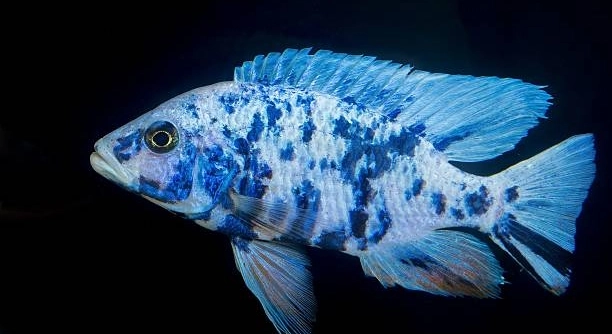
Many aquarium owners enjoy observing their convict cichlids swim around and interact with their environment. These fish are known for their bold behavior and active movements, making them interesting subjects for studying patterns in movement.
Convict cichlids can recognize and respond to movement patterns in their surroundings. Research indicates they use visual cues to detect motion, allowing them to distinguish between familiar and unfamiliar movements, which plays a role in territory defense and social interactions.
Understanding how these fish respond to movement can improve tank management and enrichment. Observing their reactions provides insight into their behavior and helps create a healthier environment.
How Convict Cichlids Track Movement
Convict cichlids have surprisingly sharp vision for detecting motion. In my experience watching them, even small movements near their tank catch their attention immediately. They follow swimming patterns of other fish, responding differently to fast or slow movements. This behavior is linked to both survival instincts and social interaction. When a new object enters their environment, they often circle it, testing its size and speed. Over time, they can learn which movements are harmless and which signal potential threats. Watching them adapt to repeated patterns is fascinating because it shows memory and learning in action. Even subtle changes, like a hand moving outside the glass or a reflection, trigger reactions. This makes them excellent candidates for studying visual learning in fish. Their reactions vary with age and experience, with younger fish being more reactive. Observing these behaviors teaches patience and a deeper appreciation for how these fish process information.
Convict cichlids respond more quickly to fast, repetitive movements than slow, irregular ones.
Tracking movement patterns is not just instinctual; it helps maintain social order and safety. Fish use it to identify intruders, follow mates, and anticipate changes. By recognizing repeated motion, they can react efficiently without wasting energy on harmless stimuli. Their attention to patterns also shows cognitive ability, demonstrating learning from previous encounters. This behavior influences how they interact with other tank mates. Watching them navigate these dynamics makes their behavior more predictable over time. Movement recognition affects feeding, aggression, and exploration, making it an essential part of their daily activity. It’s remarkable to see them adjust strategies based on what they observe.
Visual Cues and Learning
Convict cichlids rely heavily on visual information to make decisions and respond to their environment.
Repeated exposure to specific movements allows these fish to anticipate events and respond faster. They remember patterns associated with feeding or threats, adjusting behavior accordingly. For example, they may react aggressively to sudden fast-moving fish but ignore slower, familiar ones. This learning ability also extends to interactions within their own species, helping them establish dominance and territory. Tank setup, lighting, and object placement influence how effectively they can track movement, so adjusting these factors can enhance their comfort and reduce stress. Observing them over weeks shows noticeable changes in reaction times. They develop a preference for familiar patterns, which can be used to guide enrichment activities. Understanding this behavior can improve tank design and care, providing a stimulating environment that aligns with their natural instincts. These fish are not just reactive—they are attentive, adaptive, and capable of learning from consistent visual cues.
Movement and Feeding Behavior
Convict cichlids often react to movement when feeding. Fast motions usually grab their attention, making them swim toward the source. They associate repeated patterns with food, quickly recognizing familiar actions in the tank.
When food is introduced, these fish track its movement carefully. They adjust swimming speed and angle to intercept floating pellets or sinking flakes. Observing them, I notice how they anticipate the trajectory, sometimes reaching the food before it lands. Younger cichlids are more excitable, darting unpredictably, while older fish appear calculated, conserving energy for precise strikes. Repeated feeding routines strengthen this pattern recognition. Over time, they can even associate certain hand movements outside the tank with feeding, responding eagerly before any food enters the water. This behavior highlights their memory and adaptability, showing learning is a daily part of their lives in captivity.
Movement recognition also influences social feeding dynamics. Dominant fish often control access to food by reacting faster to movement, while submissive fish learn to follow patterns without causing conflict. This creates a balance that reduces chaos during feeding times. Their reactions are shaped by both instinct and repeated observation, demonstrating a mix of innate and learned behavior. Understanding these patterns helps in planning feeding schedules and tank arrangements for smoother interactions. Watching them adjust in real-time makes tank management more rewarding.
Interaction with Tank Mates
Convict cichlids watch and respond to other fish constantly, tracking their movements for social cues. They often mirror or avoid actions based on perceived threat or hierarchy.
Movement patterns dictate how these fish interact. Aggressive gestures, like quick dashes, signal dominance, prompting submissive fish to retreat or hide. Conversely, slow or gentle movements often reduce tension and encourage coexistence. I’ve observed pairs develop a rhythm, anticipating each other’s moves during territory disputes or courtship displays. Movement also influences schooling tendencies, as fish match speed and direction to maintain cohesion. Recognizing patterns helps them avoid collisions and conserve energy, especially in crowded tanks. Over time, these patterns become predictable, allowing fish to communicate subtly without constant conflict. This behavior underlines their reliance on visual cues for both safety and social structure.
Tracking movement patterns also supports environmental awareness. Fish notice subtle shifts in water currents, reflections, and object motion, which influence where they swim and how they react. They use these cues to navigate the tank, establish preferred zones, and avoid surprises. Socially, they learn the habits of specific tank mates, anticipating reactions during feeding or aggressive encounters. This learning reduces unnecessary conflict and helps maintain a balanced ecosystem within the tank. Their ability to observe, remember, and act on movement demonstrates a higher level of cognitive function than often assumed in small freshwater fish.
Response to Environmental Changes
Convict cichlids notice shifts in their environment quickly. New objects, rearranged decorations, or sudden movements outside the tank can trigger immediate reactions. Their responses range from cautious inspection to defensive posturing.
They adjust swimming patterns based on these changes. Fast or unfamiliar movements often make them retreat, while gradual or repeated motions become familiar. Over time, they learn to navigate these changes confidently.
Learning Through Observation
These fish learn by watching both tank mates and external activity. Observing repeated motions allows them to predict outcomes, such as food delivery or potential threats. I’ve seen them mimic movements or alter behavior after noticing consistent patterns, showing memory and adaptability. This observational learning improves efficiency and reduces stress.
Influence of Light and Shadows
Convict cichlids respond strongly to light and shadow movement. Shifts in lighting or reflections can catch their attention and alter swimming behavior.
How quickly do convict cichlids respond to movement?
Convict cichlids are quick to notice motion in their environment. Even small changes, like a shadow passing over the tank, can catch their attention instantly. In my experience, they react faster to sudden or repeated movements compared to slow or irregular ones. Younger fish often dart toward or away from movement unpredictably, while older, more experienced fish respond with calculated motions. This difference shows that experience and familiarity with their surroundings improve their reaction speed. Watching them, it’s clear they use movement as both a survival tool and a way to maintain social order. Recognizing patterns helps them conserve energy, as they do not overreact to harmless stimuli.
Do convict cichlids recognize individual fish by movement?
Yes, convict cichlids can distinguish tank mates based on swimming patterns and behavior. I’ve noticed that when a new fish is introduced, resident cichlids spend time observing it, responding differently than they would to familiar fish. They note speed, direction, and unique movements, which helps them determine hierarchy and potential threats. Over time, fish adjust their reactions according to previous encounters, avoiding unnecessary conflicts. Movement recognition is critical during courtship, territorial disputes, and group swimming. Dominant fish often control space by reacting quickly, while submissive fish learn to read and follow these patterns. Recognizing others by motion reduces stress and helps maintain balance within the tank, creating predictable interactions that keep the community stable.
How does movement affect feeding behavior?
Movement plays a huge role during feeding. Convict cichlids often respond immediately to the motion of food entering the tank. Fast-moving flakes or pellets attract attention quickly, and the fish adjust swimming angles to intercept the food. I’ve seen younger cichlids dart unpredictably, while older ones position themselves strategically. They also associate repeated movements, such as a hand dropping food, with feeding, reacting eagerly before anything enters the water. This learned behavior improves efficiency and reduces wasted energy. Tracking movement allows them to compete successfully for resources while minimizing unnecessary confrontations. Feeding times also reinforce memory and pattern recognition, strengthening their ability to predict outcomes based on visual cues.
Do convict cichlids learn from observing other fish?
Convict cichlids are keen observers. Watching other fish allows them to learn behaviors without direct trial and error. I’ve noticed that when one fish discovers a new food source, others quickly follow the movement, adjusting their own approach. They also observe aggressive or defensive responses and mimic strategies that work. Learning from others reduces risk, as fish can avoid conflict or wasted effort by following successful patterns. This observational learning applies to both feeding and social interactions, improving coordination and social stability in the tank. Movement recognition is essential for this process, as it lets them anticipate reactions and plan their own responses effectively.
Can changes in light or shadows influence convict cichlids?
Yes, lighting and shadow movement significantly impact behavior. Sudden changes, like a reflection or overhead light shifting, can trigger alertness or defensive posturing. I’ve noticed fish darting toward or away from shadow patterns, sometimes circling cautiously before resuming normal swimming. Over time, they adapt to repeated light changes, distinguishing harmless patterns from potential threats. Lighting also interacts with movement during feeding or social displays, making certain behaviors more noticeable. Understanding how light and shadows influence activity helps in arranging the tank and creating a stable, stress-free environment.
Do convict cichlids respond differently to fast versus slow movement?
They respond more sharply to fast, sudden movements. Quick motions often trigger alertness, aggression, or investigation, while slow, gradual movements are usually ignored or approached cautiously. I’ve seen them circle new objects slowly at first, then become bolder after repeated exposure. Their ability to differentiate speeds shows an innate survival mechanism, helping them prioritize potential threats over harmless activity. Faster movements often signify danger or intrusion, prompting immediate attention, while slower movements are easier to ignore until verified. This distinction helps maintain energy efficiency and reduces unnecessary stress.
How can recognizing movement patterns improve tank management?
Understanding movement recognition helps predict behavior, reduce stress, and manage feeding or aggression. By observing how cichlids respond to repeated patterns, I can adjust tank layout, feeding schedules, and light conditions. Predictable patterns make social interactions smoother, as dominant and submissive fish settle into routines. Recognizing their responses to movement also allows enrichment opportunities, like introducing objects gradually or creating spaces for exploration without causing panic. This awareness ensures healthier fish, less conflict, and a more harmonious tank overall. Tracking their reactions provides insight into individual personalities and social dynamics, making care easier and more rewarding.
Do convict cichlids remember past movement patterns?
Yes, memory plays a significant role. I’ve seen fish react to familiar hand movements or previous feeding routines, anticipating events before they happen. They can distinguish repeated patterns from random ones, showing cognitive learning. Memory of movement helps in territory defense, feeding efficiency, and social order. Fish recall which patterns signal threats, food, or mates, allowing smarter responses over time. This ability to remember and adapt emphasizes their learning capacity, highlighting that even small freshwater fish possess notable observational and cognitive skills. Their reactions become more predictable with experience, which helps maintain stability in the tank.
How does movement affect aggression and territory?
Movement often triggers territorial responses. Quick dashes, sudden approaches, or unusual swimming patterns signal intrusion, prompting defensive or aggressive behavior. I’ve noticed that dominant fish monitor motion constantly, using it to assert control over areas. Submissive fish learn to read these patterns and avoid conflict. Movement recognition is central to maintaining hierarchy, as it allows fish to predict threats and respond appropriately. Over time, consistent patterns reduce misunderstandings, while erratic behavior can increase tension. Recognizing how movement influences aggression helps in arranging territories and reducing stress, ensuring coexistence among tank mates.
Can observing movement patterns improve enrichment?
Yes, tracking how convict cichlids respond to motion helps design enrichment activities. I use toys, decorations, or food introductions to engage them, observing which movements excite or stimulate exploration. Gradual exposure to new patterns builds confidence, while interactive objects encourage natural behaviors like chasing or investigating. Enrichment based on movement keeps them active and mentally stimulated, reducing boredom or aggression. Watching their responses guides adjustments, ensuring activities match their attention and learning level. Understanding movement preferences allows more effective engagement, making their environment dynamic while respecting their natural instincts and behavior.
Convict cichlids are much more aware of their surroundings than they might seem at first glance. Watching them over time, it becomes clear that they pay close attention to movements in their tank, whether it is another fish, a decoration, or even a reflection from outside. This sensitivity is not random; it is a combination of instinct and learning. They react to sudden movements quickly, while repeated patterns, like a hand feeding them or a familiar swimming route of a tank mate, become easier to anticipate. Their ability to recognize motion helps them stay safe, maintain social order, and interact effectively with their environment. Over time, these fish develop a level of predictability, making it possible to understand their behavior more clearly and plan feeding, enrichment, or tank arrangements in a way that suits them.
Observing movement also reveals a lot about their social structure and learning capacity. Dominant and submissive behaviors are often tied to how quickly a fish reacts to motion. Dominant fish respond immediately, asserting control and marking their territory, while submissive fish learn to recognize these patterns and avoid unnecessary conflict. This ability to read movement influences courtship, feeding, and general interactions among tank mates. They learn from watching others, following successful patterns or mimicking behaviors to gain food or avoid aggression. This shows that convict cichlids are not simply reactive but are capable of memory, observation, and adaptation. Understanding this can make it easier to maintain harmony in a community tank, as their reactions can be anticipated and supported with thoughtful arrangements.
Movement recognition also plays a role in enrichment and daily care. By observing how they respond to different objects, lighting, or food introduction, it is possible to design activities that engage them and encourage natural behaviors. Sudden, unpredictable movements can cause stress, while consistent patterns or gentle stimuli keep them comfortable and confident. Watching how they explore new objects or interact with subtle changes in their environment provides insight into their preferences and learning style. Recognizing the importance of motion in their daily lives helps in planning feeding routines, arranging decorations, and introducing enrichment in ways that feel natural to them. Over time, attention to these details improves their health, reduces stress, and makes the tank a more harmonious space. In all, convict cichlids demonstrate a remarkable awareness of motion, showing learning, memory, and adaptability that are worth observing carefully.

Hello,
If you enjoy the content that we create, please consider saying a "Thank You!" by leaving a tip.
Every little bit helps us continue crafting quality advice that supports the health, happiness, and well-being of pets around the world, for pets of all shapes, sizes, and species.
We really appreciate the kindness and support that you show us!