
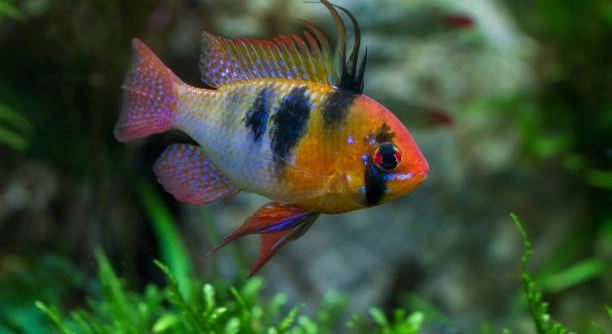
Observing your convict cichlid swimming rapidly and breathing heavily can be concerning. These fish are sensitive to changes in their environment, and even small shifts in water quality, temperature, or oxygen levels can affect their behavior noticeably.
Heavy breathing in convict cichlids is typically a response to stress, poor water quality, low oxygen, or illness. Monitoring water parameters, maintaining proper tank conditions, and observing for disease symptoms are essential steps to ensure their health and wellbeing.
Paying attention to these signs early can prevent serious health issues. Understanding the causes of heavy breathing will help you care for your convict cichlid confidently.
Common Causes of Heavy Breathing in Convict Cichlids
Convict cichlids may start breathing heavily due to several environmental factors. Poor water quality is one of the most frequent reasons. High ammonia, nitrite, or nitrate levels can irritate their gills, making it difficult to breathe. Temperature fluctuations can also stress the fish, as convict cichlids prefer stable, warm water. Low oxygen levels are another concern, especially in crowded tanks or poorly aerated environments. Overfeeding can indirectly cause heavy breathing by increasing waste and reducing water quality. Stress from aggressive tankmates or sudden changes in the tank setup can further trigger rapid breathing. Observing your fish daily helps identify these issues early, allowing you to adjust conditions before they escalate. Proper maintenance, including regular water changes, checking filter function, and monitoring temperature, ensures a healthier environment where convict cichlids can thrive and display normal behavior without signs of respiratory distress.
Heavy breathing may also indicate an infection. Bacterial or parasitic issues often worsen if left untreated.
Addressing water quality is the first step in preventing stress-related breathing problems. Maintaining stable conditions reduces the risk of illness and keeps convict cichlids active and healthy. Consistent feeding routines, regular testing of ammonia, nitrite, and nitrate levels, and observing gill movement can prevent many problems. Aggressive tankmates should be separated to avoid unnecessary stress. If heavy breathing persists despite proper care, consulting a fish health professional or using appropriate treatments may be necessary. Understanding these factors allows you to create a stable and safe environment for your fish. Regular observation ensures early detection of changes, helping you intervene quickly before small issues develop into serious health concerns. This proactive approach helps maintain the overall wellbeing of convict cichlids, keeping them lively and vibrant.
Monitoring and Adjusting Tank Conditions
Daily observation is key to preventing respiratory issues. Watch your fish for changes in breathing and movement.
Regular testing and adjustments can make a significant difference. Maintaining proper water temperature, oxygen levels, and cleanliness reduces stress and supports healthy gill function. Overcrowding should be avoided, as it can reduce oxygen and increase aggression. Feeding should be consistent but not excessive to prevent waste buildup, which impacts water quality. Aeration devices, such as air stones or properly functioning filters, can help maintain oxygen levels. Adjusting tank setup to reduce hiding spot competition also lowers stress. By monitoring these factors, heavy breathing can often be prevented or resolved quickly. Understanding your convict cichlid’s behavior and responses to its environment allows you to make small changes that have a big impact on overall health and longevity.
Identifying Stress in Convict Cichlids
Stress in convict cichlids often shows through changes in breathing, color, and activity levels. Heavy breathing, rapid gill movement, and hiding more than usual are common signs. Recognizing stress early allows for quick adjustments to their environment, improving overall health.
Stress can arise from multiple sources, including overcrowding, aggressive tankmates, or sudden changes in water conditions. Even minor shifts in temperature or lighting can trigger reactions. Overfeeding or poor diet can also contribute, as it affects water quality and energy levels. By monitoring tank dynamics and fish behavior, stress can often be reduced before it leads to illness or further complications.
Behavioral changes may also indicate discomfort. Convict cichlids may become lethargic, stop eating, or display unusual swimming patterns. These signs, combined with heavy breathing, signal the need for immediate attention. Adjusting tank conditions and ensuring proper nutrition helps reduce stress and restore normal behavior over time.
Water Quality and Its Impact
Water quality directly affects breathing and overall health. High ammonia, nitrite, or nitrate levels irritate gills, causing labored breathing and increased stress in convict cichlids.
Maintaining stable water parameters is essential. Regular testing of ammonia, nitrite, and nitrate levels ensures safe conditions. Partial water changes help remove toxins, while properly functioning filters maintain clarity and oxygenation. Temperature consistency is equally important, as fluctuations can weaken immune response and increase stress. Overcrowding should be avoided to maintain oxygen levels and reduce aggressive interactions. Observing fish daily helps catch subtle changes early, allowing prompt corrections that prevent long-term damage. Clean substrate, proper aeration, and controlled feeding all contribute to healthier water conditions, keeping convict cichlids active and breathing normally.
Illness and Infection
Bacterial and parasitic infections can make convict cichlids breathe heavily. Symptoms often include clamped fins, lethargy, and unusual swimming. Prompt identification is essential to prevent the condition from worsening.
Early treatment improves recovery. Medications or quarantine can help stop infections from spreading. Observing changes in behavior and appearance ensures timely intervention.
Temperature and Oxygen Levels
Water that is too cold or too warm affects metabolism and breathing. Convict cichlids need stable, warm water to remain healthy and active. Sudden temperature changes can stress them, increasing respiration rates and lowering immunity, which may trigger secondary health problems.
Feeding and Diet
Overfeeding can lead to poor water quality and digestive strain. Proper portions and a balanced diet help maintain normal breathing and energy levels. Consistent feeding schedules and avoiding excess waste reduce stress and support overall health in convict cichlids.
Tank Size and Space
Crowded tanks limit oxygen availability and increase stress. Ensuring enough space for swimming helps maintain healthy respiration and reduces aggression among tankmates.
FAQ
Why is my convict cichlid breathing heavily all the time?
Heavy breathing can be caused by poor water quality, low oxygen, stress, illness, or temperature fluctuations. Regular water testing, proper aeration, and stable tank conditions help reduce labored breathing. Observing other behaviors can indicate whether it’s environmental or health-related.
Can stress alone make convict cichlids breathe heavily?
Yes. Stress from overcrowding, aggressive tankmates, sudden water changes, or frequent disturbances can increase respiration rates. Reducing stress by providing hiding spaces, stable conditions, and calm handling helps the fish recover normal breathing patterns.
How do I know if water quality is affecting my fish?
Look for signs like heavy breathing, lethargy, faded colors, or gill irritation. Testing ammonia, nitrite, and nitrate levels is essential. Frequent partial water changes, proper filtration, and controlled feeding maintain safe water conditions and reduce stress.
Can temperature changes impact breathing?
Absolutely. Convict cichlids thrive in stable, warm water. Sudden temperature drops or spikes can slow metabolism or increase stress, making gills work harder. A consistent thermometer and careful adjustments prevent temperature-related breathing issues.
Is heavy breathing a sign of disease?
It can be. Bacterial or parasitic infections often cause labored breathing, clamped fins, and unusual swimming. Prompt treatment, medication if necessary, and quarantining sick fish prevent the condition from spreading. Early detection improves recovery chances.
How does overfeeding affect breathing?
Overfeeding increases waste, which can spike ammonia and nitrite levels, reducing oxygen and irritating gills. Providing measured portions, removing uneaten food, and maintaining a balanced diet helps prevent respiratory stress.
Do tank size and population density matter?
Yes. Overcrowded tanks reduce oxygen availability and increase competition, raising stress levels. Providing enough space for swimming and separating aggressive tankmates allows convict cichlids to breathe normally and reduces conflicts.
Can oxygen levels in the water be too low?
Low oxygen makes gills work harder, leading to rapid breathing. Proper aeration, filtration, and avoiding overstocking help maintain oxygen levels, ensuring healthy respiration. Surface agitation and air stones can also improve oxygen circulation.
How quickly should I act if I notice heavy breathing?
Immediate action is best. Check water parameters, temperature, tankmates, and diet. Observing other symptoms can help determine if treatment or adjustments are needed. Prompt intervention prevents minor issues from turning into serious health problems.
Can diet improve breathing issues?
A balanced diet supports metabolism and overall health, indirectly aiding respiration. Avoid overfeeding and provide high-quality food. Monitoring intake ensures your convict cichlid maintains energy without overloading the tank with waste.
Should I separate my fish if breathing remains heavy?
If heavy breathing is linked to illness or aggression, temporary separation is recommended. Quarantine tanks reduce stress, prevent disease spread, and allow close observation for effective treatment or environmental adjustments.
Can heavy breathing resolve on its own?
Sometimes minor environmental stressors improve naturally if water conditions stabilize. However, persistent labored breathing usually indicates a deeper issue. Monitoring behavior and making necessary adjustments ensures long-term health and prevents complications.
How often should I test water for optimal conditions?
Weekly testing is recommended for ammonia, nitrite, nitrate, and temperature. Frequent checks during water changes or after adding new fish help maintain a stable, healthy environment and prevent respiratory stress.
Are there visible signs that heavy breathing is serious?
Yes. Rapid gill movement, lethargy, clamped fins, color fading, or surface gasping often indicate serious issues. Prompt attention, proper testing, and treatment are crucial to prevent permanent damage or loss.
Can tank decorations affect breathing?
Crowded or poorly arranged decorations can reduce swimming space, create dead zones with low oxygen, and increase stress. Providing open swimming areas and proper hiding spots helps maintain normal respiration.
Does water hardness or pH affect breathing?
Significant deviations from the preferred range can stress convict cichlids, causing labored breathing. Regular testing and gradual adjustments help maintain stable pH and hardness levels suitable for their health.
How long does it take for breathing to return to normal?
Recovery depends on the cause. Environmental fixes often show improvement within hours to a day, while illness may take several days with treatment. Continuous observation ensures the fish returns to normal respiration safely.
Can I use medication to help breathing issues?
Only if heavy breathing is due to bacterial, fungal, or parasitic infections. Using medication unnecessarily can harm water quality and fish. Always confirm the cause before treatment and follow dosage instructions carefully.
What preventive measures keep convict cichlids breathing normally?
Maintain clean water, stable temperature, proper aeration, balanced feeding, sufficient space, and monitor tankmates. Regular observation allows early detection of problems, reducing the risk of stress, disease, or low oxygen affecting respiration.
Is heavy breathing more common in young or older fish?
Both ages can experience it, but young fish are more sensitive to poor water conditions and stress, while older fish may have weaker immune systems. Adjust care practices according to life stage to prevent breathing issues.
How important is tank maintenance in preventing heavy breathing?
Tank maintenance is crucial. Regular cleaning, water changes, filter checks, and monitoring conditions directly impact gill health and oxygen availability, ensuring convict cichlids breathe normally and remain healthy.
Can heavy breathing occur suddenly without warning?
Yes. Rapid changes in water quality, temperature, or tank stressors can trigger immediate labored breathing. Early detection through daily observation allows prompt corrective action, minimizing health risks.
Are some convict cichlids more prone to breathing problems?
Individual sensitivity varies. Fish with weaker immune systems, smaller size, or previous stress episodes may show heavier breathing more frequently. Providing stable conditions and attentive care helps reduce risk across all fish.
Does surface agitation help reduce heavy breathing?
Yes. Surface movement increases oxygen exchange, improving water oxygen levels. Using filters, air stones, or creating gentle currents ensures adequate oxygen, helping convict cichlids breathe normally and remain active.
What role does lighting play in breathing?
Bright or fluctuating lighting can stress convict cichlids, indirectly affecting respiration. Providing a consistent light cycle and adequate hiding areas reduces stress and supports normal gill function.
Can tankmates cause heavy breathing?
Aggressive or territorial tankmates increase stress, leading to labored breathing. Separating aggressive fish or providing sufficient space and hiding spots reduces conflict, allowing convict cichlids to maintain normal respiration.
How can I track improvement after making changes?
Observe gill movement, swimming behavior, color, and activity levels daily. Improvement is gradual. Keep notes on water parameters, feeding, and tank adjustments to identify which actions most effectively restore normal breathing.
What if heavy breathing persists despite all adjustments?
Persistent labored breathing may indicate an underlying illness or chronic stress. Consulting a fish health professional ensures accurate diagnosis and proper treatment, protecting your convict cichlid’s long-term health.
Are quarantine tanks necessary for new fish?
Quarantine prevents introducing disease that can cause breathing issues. Isolating new fish for observation and treatment before adding them to the main tank protects the health of all existing convict cichlids.
How does breeding affect breathing?
Breeding pairs may display heavier breathing due to increased activity, territorial behavior, and stress. Ensuring adequate space, hiding spots, and monitoring water quality helps support their health during this period.
Can oxygen supplements help?
Oxygen supplements or aeration devices temporarily improve oxygen availability. While useful for low oxygen events, long-term solutions like proper tank maintenance and aeration are essential for sustained healthy breathing.
Is it normal for convict cichlids to breathe faster after exercise?
Yes. Short bursts of activity, chasing food, or territorial displays naturally increase breathing. Normal respiration resumes once the fish rests, provided water conditions and health are optimal.
Can heavy breathing indicate aging?
Older convict cichlids may show slower metabolism or labored respiration due to natural decline in gill efficiency. Maintaining stable conditions and reducing stress supports healthy breathing in older fish.
How do I know when to seek professional help?
If heavy breathing continues despite proper care, shows signs of illness, or worsens, consulting an aquatic veterinarian or fish specialist is necessary. Early intervention can prevent serious health consequences and save the fish.
Can seasonal changes affect breathing?
Seasonal temperature shifts or changes in room lighting can influence water conditions, indirectly affecting breathing. Monitoring tank parameters and making gradual adjustments helps maintain stability.
How often should I observe my convict cichlids?
Daily observation is recommended. Even small changes in behavior, gill movement, or swimming patterns can indicate stress, illness, or environmental problems that may lead to heavy breathing.
Are heavy breathing episodes reversible?
Yes, if the cause is identified and addressed promptly. Environmental adjustments, proper diet, and treatment for infections allow convict cichlids to recover normal respiration. Early detection and consistent care are key to successful recovery.
Can breeding stress cause long-term breathing issues?
Occasionally. If breeding stress is prolonged or coupled with poor water quality, it can weaken the fish. Providing space, hiding spots, and stable conditions helps prevent lasting respiratory problems.
Does tank location affect breathing?
Yes. Placing the tank in areas with stable temperature, low vibration, and minimal disturbances reduces stress and supports normal respiration. Avoiding direct sunlight or drafts maintains consistent water conditions.
Are heavy breathing signs always visible?
Not always. Subtle changes in gill movement, activity, or behavior may precede obvious labored breathing. Close daily observation is essential for early intervention and maintaining fish health.
Can overstocking lead to permanent breathing issues?
Persistent overcrowding can weaken immune systems, lower oxygen levels, and increase stress, potentially causing long-term respiratory problems. Adequate space and proper stocking density prevent such issues.
Does filter maintenance impact breathing?
Yes. Clean, properly functioning filters maintain oxygen levels, remove waste, and stabilize water conditions. Neglecting filters can lead to poor water quality, irritate gills, and cause heavy breathing.
Are some medications harmful if misused?
Yes. Incorrect dosing or using medication without cause can damage gills, upset water chemistry, and worsen breathing issues. Always confirm the condition and follow instructions carefully.
How important is gradual water change?
Sudden changes can shock fish and trigger heavy breathing. Gradual water replacement maintains stability, reduces stress, and supports normal respiration. Proper acclimation techniques ensure safe environmental adjustments.
Can plants help with breathing?
Live plants improve oxygen levels and water quality, indirectly supporting normal breathing. They also provide hiding spots, reducing stress and allowing convict cichlids to rest comfortably.
Does pH fluctuation cause heavy breathing?
Yes. Sudden pH shifts stress the fish and irritate gills, leading to labored respiration. Regular testing and gradual adjustments help maintain a stable and safe environment.
Can I prevent heavy breathing entirely?
While not all causes are avoidable, proper tank care, monitoring, diet, and stress reduction greatly reduce the risk. Early observation and intervention help maintain healthy respiration consistently.
How long does it take to see improvement after water quality fixes?
Depending on severity, labored breathing may improve within hours to a day. Persistent problems require further investigation, monitoring, and possible treatment.
Does tank depth affect oxygen availability?
Deeper tanks can create zones with lower oxygen, especially near the bottom. Proper filtration, aeration, and circulation help maintain uniform oxygen levels and reduce heavy breathing.
Are heavy breathing episodes dangerous?
Prolonged labored breathing stresses the fish and can lead to secondary health problems. Prompt intervention and environmental adjustments reduce risks and support recovery.
Can I rely on visual cues alone?
Visual cues are important but not enough. Testing water quality, monitoring temperature, and observing behavior together give a complete picture of health and prevent breathing issues.
Is it normal for convict cichlids to breathe rapidly during feeding?
Short periods of faster breathing during active feeding are normal. Sustained heavy breathing after feeding may indicate stress, poor water quality, or other underlying issues.
Can lighting adjustments reduce heavy breathing?
Yes. Consistent light cycles reduce stress. Avoid sudden brightness or flickering, and provide shaded areas or hiding spots to help fish maintain calm respiration.
Do heavy breathing patterns differ between males and females?
Males may show slightly higher activity and territorial breathing during breeding, but persistent labored breathing in either sex indicates environmental or health issues needing attention.
How can I track long-term breathing health?
Maintain logs of gill movement, behavior, water parameters, feeding, and tank changes. This record helps identify patterns, detect early signs of problems, and evaluate the effectiveness of interventions.
Is quarantine necessary for sick fish showing heavy breathing?
Yes. Isolation prevents disease spread and allows focused treatment. Proper quarantine reduces stress for other tank residents and improves recovery chances.
Can heavy breathing indicate aging or weakened gills?
Older or previously stressed fish may show slower respiration or labored breathing. Maintaining water quality, nutrition, and low-stress environments supports healthy gill function even in aging convict cichlids.
Does tank decoration placement impact breathing?
Crowded or poorly arranged decorations can reduce swimming space, create low-oxygen zones, and increase stress. Open areas and hiding spots promote normal respiration and reduce conflicts.
Can seasonal temperature swings affect respiration?
Yes. Seasonal changes in room temperature can affect tank water. Gradual adjustments and monitoring prevent stress and help convict cichlids maintain stable breathing.
Are there signs of improvement I should watch for?
Reduced gill movement, normalized swimming, vibrant colors, and regular feeding indicate recovery. Continuous observation confirms that environmental adjustments or treatment are effective.
Does water hardness affect breathing?
Significant deviations from ideal hardness can stress fish and irritate gills. Testing and gradual adjustment to appropriate levels help maintain normal respiration.
Can heavy breathing recur after recovery?
Yes. If environmental or dietary issues are not corrected, or stressors persist, heavy breathing may return. Consistent care and monitoring are essential to prevent recurrence.
How important is daily observation for prevention?
Daily observation allows early detection of minor changes in breathing or behavior, enabling prompt intervention and preventing serious health problems.
Can heavy breathing indicate internal parasites?
Internal parasites can stress fish, cause lethargy, reduce oxygen uptake, and lead to labored breathing. Proper diagnosis and treatment are necessary to restore health.
Are short-term heavy breathing episodes normal?
Brief periods during activity, feeding, or mild stress can occur naturally. Persistent or prolonged labored breathing is a sign of environmental or health issues needing attention.
How can I make tank conditions more stable?
Regular testing, water changes, proper filtration, stable temperature, controlled feeding, and adequate space reduce stress, support oxygen levels, and maintain consistent conditions for healthy breathing.
Can tank position in the room influence respiration?
Yes. Avoid drafts, direct sunlight, or high traffic areas. A stable, quiet environment minimizes stress and supports normal breathing patterns.
Is professional consultation necessary for persistent issues?
When heavy breathing continues despite proper care, consulting a fish health specialist ensures accurate diagnosis and effective treatment, protecting your convict cichlid’s long-term health.
Does water flow affect breathing?
Proper water flow ensures oxygen distribution and prevents stagnant areas. Too strong a current can stress fish, while too weak may reduce oxygen, both affecting respiration.
Can heavy breathing be seasonal?
Indirectly. Seasonal temperature or lighting shifts can stress fish, impacting respiration. Monitoring and gradual adjustments maintain stability.
Are juvenile fish more sensitive to breathing issues?
Yes. Young convict cichlids are more affected by poor water quality, temperature changes, and overcrowding. Extra care and observation help prevent respiratory problems.
Can tank filtration affect breathing long-term?
Consistently functioning filters maintain water quality and oxygen levels. Poor maintenance can lead to gill irritation and labored breathing over time.
Does tank cleaning frequency matter?
Yes. Regular substrate cleaning and water changes prevent toxin buildup, reduce stress, and support normal breathing.
Can heavy breathing indicate lack of oxygen at the surface?
Yes. Fish may gasp at the surface when oxygen is low. Aeration, filtration, and circulation help maintain sufficient oxygen for normal respiration.
Is it normal for breathing to fluctuate slightly?
Minor fluctuations during activity or feeding are normal. Persistent or extreme changes indicate environmental stress or health issues needing attention.
Can overcrowding cause permanent breathing issues?
Chronic overcrowding stresses fish, reduces oxygen, and can lead to long-term gill damage. Proper stocking density prevents these problems.
How do I know if my fish is recovering?
Normal gill movement, regular swimming, appetite, and color restoration indicate recovery. Continuous observation confirms that interventions are effective.
Can heavy breathing be prevented entirely?
While not all causes are avoidable, stable water conditions, proper diet, stress reduction, and regular monitoring significantly reduce the risk of labored respiration.
Does tank maintenance frequency affect breathing?
Yes. Consistent cleaning, water changes, and filter upkeep maintain oxygen levels and water quality, preventing heavy breathing and promoting overall health.
Are heavy breathing episodes reversible?
Most are, if causes are addressed promptly. Environmental adjustments, proper feeding, and treatment for infections allow recovery of normal respiration.
Can tank temperature swings be mitigated easily?
Yes. Using a reliable heater, thermometer, and gradual adjustments prevents sudden stress on convict cichlids and supports stable breathing.
Does tank lighting impact oxygen levels?
Indirectly. Proper lighting supports plant growth, which can enhance oxygen levels. Consistent light cycles reduce stress, supporting normal respiration.
Are all heavy breathing signs obvious?
Not always. Subtle changes in gill movement or behavior may occur before severe labored breathing. Close observation ensures early detection and intervention.
Can water additives help?
Some additives stabilize pH, hardness, or oxygen levels, helping reduce stress. Use cautiously, following instructions, and only when necessary.
Can heavy breathing lead to death if ignored?
Yes. Persistent labored breathing stresses fish and can result in illness or death. Prompt action is critical for survival.
How can I track water quality effectively?
Use test kits for ammonia, nitrite, nitrate, pH, and hardness. Record readings to monitor trends and prevent conditions that trigger heavy breathing.
Can tank mates influence breathing after recovery?
Yes. Aggressive or territorial fish may trigger stress even after recovery. Proper spacing, hiding areas, and careful selection help maintain calm respiration.
Is aeration always necessary?
Adequate aeration supports oxygen levels, especially in crowded tanks. Air stones, filters, and surface agitation maintain healthy respiration.
Can water changes shock fish?
Sudden large water changes can cause stress and labored
Final Thoughts
Observing heavy breathing in your convict cichlid is never something to ignore. This behavior is often a clear sign that something in the tank is affecting the fish’s health or comfort. Water quality, temperature, oxygen levels, diet, and stress all play major roles in how your fish behaves. By paying close attention to these factors, you can address problems before they become serious. Regular monitoring of ammonia, nitrite, and nitrate levels, maintaining a stable temperature, and ensuring proper aeration are essential steps. Overfeeding or overcrowding can worsen water quality and reduce oxygen, which directly impacts gill function. Even small changes in the tank, like adding new decorations or moving plants, can increase stress, making breathing more difficult. Being proactive with maintenance and observation helps create a stable environment where your convict cichlid can thrive. When these conditions are consistently maintained, the fish are more likely to breathe normally and remain active, displaying natural behaviors.
Stress is another important factor to consider when addressing heavy breathing. Convict cichlids are territorial and can become easily stressed by aggressive tankmates, frequent disturbances, or sudden changes in their environment. Stress not only causes labored breathing but can also weaken the immune system, making the fish more susceptible to infections and disease. Providing sufficient space, hiding areas, and separating aggressive fish can reduce tension in the tank. Consistent feeding routines and avoiding overfeeding also help maintain stability. Observing behavioral changes such as lethargy, hiding, or unusual swimming patterns can provide clues about stress levels. By reducing these stressors, the fish can recover normal respiration and regain energy. Even if water conditions are ideal, stress alone can cause persistent heavy breathing, so it is important to consider both environmental and social factors within the tank.
Finally, illness should always be considered if heavy breathing persists despite proper care. Bacterial, parasitic, or fungal infections can irritate gills, reduce oxygen uptake, and cause rapid respiration. Quarantining sick fish and providing treatment as recommended can prevent the spread of disease to other tank inhabitants. Daily observation allows for early detection of subtle signs, which can make a significant difference in recovery. Combining good water quality, stable temperature, proper aeration, balanced diet, and low-stress conditions creates a supportive environment that promotes long-term health. Monitoring all aspects of tank life ensures that your convict cichlid can breathe easily, remain active, and enjoy a healthy, comfortable habitat. Careful attention to these details helps prevent recurring issues and maintains the wellbeing of your fish over time.

Hello,
If you enjoy the content that we create, please consider saying a "Thank You!" by leaving a tip.
Every little bit helps us continue crafting quality advice that supports the health, happiness, and well-being of pets around the world, for pets of all shapes, sizes, and species.
We really appreciate the kindness and support that you show us!