
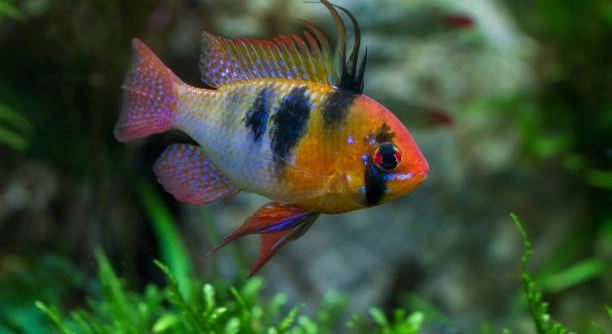
Feeding live food can feel natural for many pet owners, especially when caring for reptiles or fish, yet this practice carries risks that are often overlooked during daily routines and well meaning care decisions process.
Live food should be avoided during periods of illness, stress, injury, or improper housing because it can introduce parasites, cause physical harm, and promote aggressive feeding responses that interfere with recovery, nutritional balance, and long term animal welfare outcomes standards.
Understanding when live feeding is inappropriate helps protect your pet, improve husbandry practices, and support safer, responsible nutrition choices overall.
During Illness or Recovery
I have learned that feeding live food during illness or recovery often creates more stress than benefit for vulnerable animals. When a pet is unwell, its immune system is already compromised and energy should be reserved for healing rather than chasing prey. Live food can carry bacteria or parasites that a healthy animal might tolerate, but a sick one may not. There is also a risk of injury from bites or scratches, especially for reptiles that lack strength or coordination during recovery. In these moments, control and consistency matter more than stimulation. Pre killed or prepared foods allow accurate portioning, predictable nutrition, and easier monitoring of appetite changes. This approach supports medication schedules and reduces unnecessary movement. From personal experience, simplifying feeding routines during recovery helped me notice small improvements sooner and prevented setbacks caused by feeding related stress or unexpected infections that can slow progress and delay full recovery.
Ill animals require calm environments and predictable care routines. Removing live prey limits stimulation, reduces injury risk, and allows owners to focus on hydration, weight stability, and consistent nutrient intake during critical healing periods while supporting recovery goals without unnecessary complications or avoidable setbacks during treatment phases overall care plans.
When pets regain strength, live feeding can be reconsidered gradually and carefully. Until then, observation is essential. Appetite, waste output, and behavior changes provide clearer information when feeding is controlled. I found that removing live food temporarily made it easier to recognize genuine progress instead of short bursts of excitement. Recovery periods are not about enrichment, but stability. Choosing safer alternatives supports healing and builds a stronger foundation for future feeding choices once health has clearly returned and prevents unnecessary risks during sensitive stages where patience and consistency matter most for long term wellbeing and proper husbandry outcomes overall balance.
When Housing Conditions Are Improper
Live feeding should be avoided when enclosure size, temperature, or cleanliness is inadequate. Poor conditions increase stress and reduce a pet’s ability to respond safely, making interactions with live prey potentially harmful and difficult to manage especially over time without proper maintenance routines or environmental stability in place consistently maintained.
Improper housing changes how animals perceive food and threats. Limited space can prevent retreat, forcing constant engagement with prey. Incorrect temperatures slow digestion and reflexes, increasing the chance of injury. Dirty enclosures introduce bacteria that can spread through open wounds caused during feeding. Live prey may hide, decay, or stress the animal long after feeding ends. In controlled environments, these risks are reduced, but in poor setups they multiply quickly. I have noticed that correcting habitat issues improved feeding responses without needing live options. Prepared foods allowed me to focus on enclosure adjustments first, rather than managing chaotic feeding sessions. Stable housing supports predictable behavior and safer nutrition. Live feeding should never compensate for missing husbandry basics. Addressing lighting, heat, space, and cleanliness creates a foundation where any feeding method can be evaluated responsibly. Without these elements in place, live food adds unnecessary risk instead of nutritional value. This is especially important for new owners who may overlook environmental details while focusing on diet alone. Ensuring proper housing first reduces stress responses supports natural behaviors and allows feeding decisions to be made with clarity consistency and long term animal welfare in mind at all times without compromise or confusion overall.
During Periods of Stress
Stress changes how animals respond to food and movement. During relocation, breeding, shedding, or environmental changes, live prey can trigger defensive reactions instead of feeding behavior. I noticed stressed pets often ignore nutrition and focus on escape, increasing injury risk and disrupting already fragile routines during sensitive adjustment periods overall.
Stress elevates cortisol levels, which interferes with digestion and appetite regulation. When live food is introduced, the animal must chase, strike, and subdue prey, requiring energy it does not have. This can worsen weight loss and exhaustion. Live prey may also act unpredictably, prolonging interaction and stress exposure. In my experience, offering prepared food during stressful periods reduced pacing and defensive postures. Feeding became calmer and more consistent. This allowed stressors to resolve naturally while maintaining nutrient intake. Once stability returned, normal feeding behaviors resumed without setbacks or aggressive responses that affected overall health and daily care routines long term.
Live feeding during stress also complicates observation. It becomes harder to tell whether refusal is due to stress or prey avoidance. Prepared foods provide clarity. Portions can be measured, leftovers removed, and feeding time shortened. I found this helpful when managing multiple stress factors at once. Reducing variables made care decisions easier and more confident. Stress passes, but injuries and feeding regressions can linger. Avoiding live food during these times protects physical condition and prevents learned defensive behaviors that may persist even after conditions improve and routines stabilize again over long periods of adjustment and recovery phases for sensitive animals.
When Prey Can Cause Injury
Some live prey species are capable of biting, scratching, or stressing pets during feeding. Rodents, insects, and fish can cause wounds, especially if left unattended. I learned that even brief contact can result in infections. Avoiding live food reduces injury risk and prevents prey from remaining in the enclosure, where harm may continue after feeding attempts fail or stop and compromises recovery safety and long term physical condition for vulnerable or weakened animals overall wellbeing.
Live prey that fights back can turn feeding into a prolonged confrontation. Pets may hesitate, miss strikes, or abandon prey, allowing repeated contact. This increases stress and physical damage. Injuries around the face, eyes, and limbs are common and difficult to treat. I noticed that switching to prepared food eliminated these risks immediately. Feeding became faster and safer. Nutritional intake improved without constant monitoring. Aggressive prey also raises ethical concerns, as unnecessary suffering occurs on both sides. Choosing safer feeding methods supports humane care and predictable outcomes. Live feeding should never rely on the animal’s ability to defend itself from harm during routine nutrition. This approach prioritizes health stability, minimizes emergencies, and reflects responsible long term husbandry choices for consistent daily care standards overall compliance.
When Parasite Risk Is High
I avoid live food when parasite risk is high, especially from unknown sources. Wild caught prey often carries worms or bacteria that transfer easily during feeding. Once introduced, these organisms spread quickly and compromise health. Prevention through controlled diets reduces exposure and supports long term stability for captive animals overall.
Parasites are not always visible, making detection difficult until symptoms appear. Weight loss, lethargy, and appetite changes often follow exposure. I found treatment stressful and lengthy. Using pre treated food sources limits this risk and keeps feeding routines predictable and easier to manage daily in controlled captive care settings consistently.
When Feeding Consistency Matters
Consistency in feeding supports digestion, growth, and behavioral stability. Live food introduces variability in size, movement, and nutrient content, which complicates monitoring intake. I noticed irregular feeding led to uneven weight and unpredictable behavior. Prepared diets allow precise portions and nutrient balance. This matters for juveniles, seniors, or animals on supplements. Consistent feeding also simplifies record keeping and health assessments. When every meal differs, subtle changes are harder to notice. Removing live food during periods requiring close monitoring helps maintain steady routines. This approach reduces guesswork, supports predictable outcomes, and strengthens long term care decisions without related stress or confusion.
When Supervision Is Limited
Live feeding requires constant supervision to prevent injury or leftover prey. When time is limited, risks increase. I avoided live food during busy periods because missed feedings led to stress and enclosure issues. Prepared meals allowed safer feeding even when attention was divided and routines remained stable for daily care.
FAQ
What types of pets should avoid live food?
Reptiles, amphibians, and certain fish are most affected by live feeding risks. Juveniles and older animals are particularly vulnerable because they are less coordinated, slower, and more prone to injury. I learned that even strong, adult pets can struggle if environmental conditions or health are compromised. For these species, live food introduces hazards like bites, scratches, or parasites that can have long term consequences. Pre killed or prepared diets provide consistent nutrition without added stress, allowing me to monitor intake and avoid sudden health issues. Even if a pet appears eager to hunt, removing live prey temporarily often improves overall wellbeing and stability in behavior and weight maintenance.
Can live food carry diseases or parasites?
Yes, live prey can carry bacteria, viruses, and parasites that transfer to pets. Wild caught insects or rodents are particularly risky. I discovered that even feeders purchased from pet stores sometimes carry unseen pathogens. Infections often show as lethargy, reduced appetite, or digestive problems. Using quarantined or frozen-thawed prey reduces this risk, as freezing kills most parasites and slows bacterial growth. Pre prepared diets eliminate these variables entirely, making health management simpler. I rely on controlled food sources to prevent infections that might otherwise go unnoticed until severe, requiring stressful treatments and disrupting feeding routines.
How can I safely introduce live food after avoiding it?
Start gradually and monitor closely. I usually offer a small, pre killed alternative first to observe feeding responses. When live prey is introduced, I supervise every interaction to prevent injuries and stress. Feeding sessions should be short, and the environment must allow escape routes so pets don’t feel trapped. Observing behavior, appetite, and energy levels ensures the animal handles the new food without harm. Controlled conditions reduce risks significantly compared to unmonitored feeding. Over time, pets regain natural hunting instincts safely while maintaining consistent weight and health. Gradual introduction avoids setbacks that can arise from sudden exposure to live prey.
Is live food necessary for proper nutrition?
Not always. Many prepared diets provide complete nutrition, eliminating the need for live prey. I found that balanced commercial diets supply protein, vitamins, and minerals reliably. Live food is more about enrichment than essential nutrition for most pets. It can be added occasionally if desired, but relying on it exclusively increases risk. Feeding controlled portions helps maintain steady growth and health. For animals with specific dietary needs, supplementation or variation in diet can replace live prey safely. I prioritize consistent intake and low-risk feeding first, then add enrichment to support natural behaviors without compromising health or safety.
What signs indicate live food is causing problems?
Watch for bites, scratches, or signs of infection after feeding. Reduced appetite, lethargy, or sudden weight loss can indicate stress or illness. I noticed pacing, defensive postures, or refusal to eat during live feeding as signals that conditions or prey type needed adjustment. Repeated stress responses may affect long term health and behavior. Prepared foods remove these variables and allow easier detection of genuine health concerns. Keeping a feeding log helps track subtle changes in intake or reactions, ensuring early intervention. Avoiding live prey temporarily often resolves these issues while maintaining overall nutrition and safety for the pet consistently.
How often can live food be safely given?
Frequency depends on species, age, and health status. I usually limit live feeding to occasional enrichment, once or twice a week, rather than daily. Daily exposure increases risk of injury, parasites, or stress. When offered, prey should be quarantined, appropriately sized, and introduced under supervision. Most pets thrive on prepared diets for everyday meals, reducing the need for frequent live prey. Limiting live food maintains balance in diet and safety while still allowing natural hunting behavior in controlled sessions. Controlled frequency protects health, simplifies monitoring, and ensures feeding remains a safe and predictable routine over time.
Are there safer alternatives to live food?
Yes, frozen-thawed prey, pre killed insects, and high quality commercial diets are safer options. I found these alternatives provide the same nutrients without the risks of injury or parasites. They are convenient, easy to store, and allow consistent portioning. Supplements or variety in diet can mimic the benefits of live prey while avoiding unnecessary stress. These alternatives also simplify cleaning and reduce the chance of leftover prey harming pets or spreading bacteria in the enclosure. Choosing controlled options ensures feeding is safe, predictable, and nutritionally complete, supporting long term health and reducing emergency risks associated with live feeding accidents consistently.
Can live feeding affect behavior negatively?
Yes, live prey can trigger aggressive or defensive behavior, especially in small or stressed pets. I observed heightened territoriality, refusal to eat prepared food, or over excitement after repeated live feeding sessions. In some cases, it caused chasing or biting injuries when the prey escaped or hid. Using pre killed alternatives or controlled diets reduced these behaviors, creating calmer, more predictable feeding routines. Behavior improves when stimulation is provided safely, without relying solely on live prey. Removing live food temporarily also helps pets regain proper social and environmental responses while maintaining appetite, weight, and overall wellbeing consistently.
Final Thoughts
Feeding live food can be appealing because it looks natural and allows pets to hunt, but it carries risks that are often underestimated. Injuries from bites or scratches, parasite transmission, and stress are real concerns that can affect pets immediately or over time. I have seen firsthand how even small, seemingly healthy prey can introduce problems that disrupt feeding routines and overall wellbeing. For many animals, especially juveniles, seniors, or pets recovering from illness, live food is unnecessary and sometimes dangerous. Choosing pre killed or prepared alternatives provides consistent nutrition without these risks. Prepared diets allow portion control, predictable nutrient intake, and easier observation of appetite and health changes. These benefits outweigh the temporary stimulation that live prey offers, particularly during critical periods when pets are most vulnerable.
Live feeding also requires careful supervision and proper housing to minimize harm. Inadequate space, improper temperatures, or unclean enclosures increase the chance of stress, injury, or disease during live feeding sessions. I have noticed that pets in controlled environments respond better to feeding routines when live prey is removed. Consistency in diet is easier to maintain, and owners can track intake, weight, and behavior without uncertainty. Even when enrichment is desired, safer alternatives such as frozen-thawed prey or high quality commercial diets can be used to mimic hunting behaviors. This ensures pets remain stimulated without introducing unnecessary risks. Over time, controlled feeding also helps prevent learned defensive or aggressive behaviors that can persist long after live prey is introduced. Maintaining predictable routines supports long term health, reduces emergencies, and allows owners to focus on other important aspects of pet care such as environment, hydration, and overall comfort.
Ultimately, the goal is to provide a safe, balanced, and stress-free feeding environment. Live food is not inherently wrong, but it should only be used under conditions where risks are minimized, health is stable, and supervision is available. I have found that removing live prey during sensitive periods—illness, stress, recovery, or inadequate housing—results in fewer injuries, better weight management, and more consistent feeding behavior. Prepared diets and controlled alternatives offer the same nutritional benefits while reducing the chance of complications. By prioritizing safety and stability, owners can ensure their pets thrive while still offering occasional enrichment when appropriate. Consistent, careful feeding creates long term wellbeing, builds trust, and protects pets from preventable harm, making responsible diet choices a critical part of everyday care and overall management for a healthy, balanced life.

Hello,
If you enjoy the content that we create, please consider saying a "Thank You!" by leaving a tip.
Every little bit helps us continue crafting quality advice that supports the health, happiness, and well-being of pets around the world, for pets of all shapes, sizes, and species.
We really appreciate the kindness and support that you show us!