
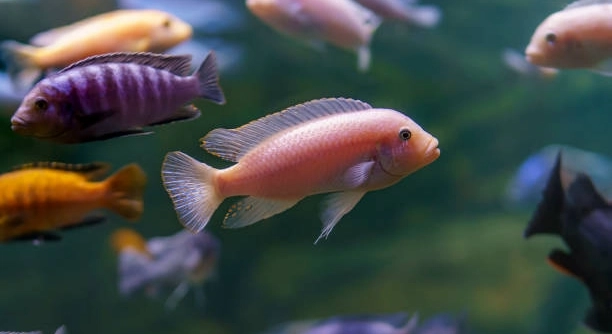
Raising baby cichlids can be very rewarding, but feeding them too much is a common mistake many new aquarists make. Overfeeding may seem harmless at first, but it can quickly lead to serious problems in your tank environment.
Overfeeding baby cichlids can cause poor water quality, stunted growth, digestive issues, and increased disease risk. Excess food decays quickly, promoting harmful bacteria and algae, while disrupting the balance of nutrients necessary for healthy development and long-term survival.
Knowing the consequences of overfeeding can help you maintain a healthy, thriving tank and ensure your young cichlids grow strong and active.
Poor Water Quality
When baby cichlids are overfed, uneaten food quickly sinks to the bottom and begins to decompose. This decomposition produces ammonia and other harmful chemicals, which can overwhelm the tank’s filtration system. High ammonia levels make the water toxic, stressing or even killing fish. Over time, the balance of beneficial bacteria is disrupted, reducing their ability to break down waste efficiently. I’ve noticed that even small amounts of extra food can cloud the water and create an unpleasant odor. Dirty water encourages algae growth, which competes with your cichlids for oxygen. Maintaining a clean tank is essential, and controlling feeding is the easiest way to prevent chemical buildup. A few careful feedings per day with measured portions can keep water conditions safe, clear, and healthy for your young fish. Proper water testing and frequent partial water changes are key steps to ensure the tank stays balanced and supports growth.
Too much food not only affects cleanliness but also makes the tank more stressful for fish.
Keeping water healthy requires controlling portions, monitoring waste, and adjusting feeding routines to prevent harmful buildup in the tank. Regular attention helps baby cichlids stay active and strong.
Stunted Growth
Overfeeding can disrupt proper growth in baby cichlids. Excess food may seem like it will help them grow faster, but it actually causes digestive problems. Their small digestive systems cannot handle large amounts of food at once, leading to bloating or constipation. Chronic overfeeding can also change nutrient absorption, preventing cichlids from getting the vitamins and minerals they need. In my experience, babies fed too much often appear less active and develop slower compared to siblings fed measured portions. They may grow unevenly, and their bodies may look rounder or swollen, which is not a sign of health. Controlling the amount of food and feeding smaller portions several times a day helps young cichlids develop properly. Observing their behavior after feeding is helpful to notice when they are full or struggling with digestion. Proper feeding ensures balanced growth, stronger immunity, and healthier fish over time.
Even slight overfeeding can interfere with growth patterns and activity levels.
Monitoring portions, using high-quality food, and spacing feedings helps baby cichlids develop normally while avoiding digestive stress and long-term health problems. Consistent care allows them to reach their full potential.
If you want, I can continue the next two sections in the same format so the full article is ready. Do you want me to do that?
Increased Disease Risk
Overfeeding encourages the growth of harmful bacteria and parasites in the tank. Uneaten food decays quickly, creating conditions where pathogens can thrive. I’ve noticed that even a small excess of food can lead to cloudy water and sudden illnesses among young cichlids.
When baby cichlids ingest too much food or spoiled particles, their immune systems become stressed. Digestive overload can weaken natural defenses, making them more susceptible to infections such as ich or fin rot. Over time, repeated overfeeding increases the chance of widespread outbreaks, which can be hard to control without medication and water changes. Observing fish carefully and removing uneaten food promptly prevents disease from spreading. I’ve found that feeding measured portions and keeping the tank clean significantly reduces illness, keeping the fish active and healthy. Proper nutrition combined with controlled feeding supports their immune system and overall resilience against common infections.
Even minor overfeeding can make disease outbreaks more likely.
Consistent portion control, timely tank maintenance, and observing fish behavior are essential to prevent disease. Feeding small amounts multiple times a day keeps cichlids healthy and minimizes bacterial growth.
Poor Water Visibility
Excess food quickly clouds the water, making it difficult to see baby cichlids clearly. Even with strong filtration, overfeeding can overwhelm the system. I often notice water turning murky within hours of feeding too much.
Cloudy water reduces light penetration, affecting plant growth and stressing cichlids. It also encourages algae blooms, which compete for oxygen and nutrients. Overfed tanks require frequent partial water changes to maintain clarity. Filtration alone is not enough; controlling feeding is critical. I’ve found that feeding only what they can eat in a few minutes prevents most cloudiness. Monitoring water quality, testing for ammonia and nitrate, and cleaning the substrate regularly help maintain a clear, healthy environment. Proper feeding routines reduce the burden on filters, keeping the water clean and safe while allowing baby cichlids to swim freely without stress. Clear water also makes it easier to observe their behavior and spot early signs of health issues.
Managing food portions directly influences water clarity, algae control, and overall tank hygiene.
Small, measured feedings paired with regular maintenance prevent cloudy water and create a safe, visually appealing habitat. Adjusting feeding schedules and observing leftover food ensures the tank stays clear and supports healthy fish development.
Algae Overgrowth
Too much food in the tank feeds algae, causing rapid growth. I’ve seen tanks turn green in just a few days when baby cichlids were overfed.
Algae competes with fish for oxygen and nutrients, making the environment less healthy. Controlling feeding limits algae blooms and keeps the tank balanced.
Digestive Problems
Baby cichlids often develop bloating, constipation, or slowed digestion when overfed. Their small digestive systems cannot process excess food efficiently. I’ve noticed that even slight overfeeding can make them appear sluggish or puffed up. Feeding smaller portions multiple times a day reduces stress on their digestive system and helps maintain consistent, healthy growth. Choosing easily digestible food and observing their behavior after feeding allows me to adjust portions before problems develop. Proper feeding routines prevent long-term digestive issues, keeping baby cichlids active and growing at a normal pace. Careful attention to portion size is essential for their well-being.
Uneaten Food Waste
Excess food quickly sinks to the bottom, creating waste and debris. Removing leftovers promptly keeps the tank cleaner and healthier for the fish.
FAQ
How often should I feed baby cichlids?
Baby cichlids need small, frequent meals. I usually feed mine two to three times a day, giving only as much as they can eat in a few minutes. Overfeeding at any one time stresses their digestive system and increases waste in the tank, so portion control is essential.
What types of food are best for baby cichlids?
High-quality, easily digestible foods work best. I prefer finely crushed flakes, baby pellets, or live foods like brine shrimp. These options provide essential nutrients without overwhelming their small stomachs. Avoid oversized or dense foods that can cause bloating or constipation. Rotating food types occasionally ensures balanced nutrition.
How can I tell if I’m overfeeding my cichlids?
Signs include leftover food after feeding, cloudy water, bloated fish, and sluggish behavior. I always observe my tank after each feeding. If any food remains uneaten after a few minutes, it’s a sign to reduce portions next time. Consistent observation helps prevent long-term health problems.
What should I do if water quality drops?
Perform partial water changes immediately and remove uneaten food. I also check filters and test ammonia and nitrate levels. Reducing food portions is the fastest way to restore balance. Maintaining a consistent cleaning schedule alongside careful feeding keeps water safe for baby cichlids.
Can overfeeding affect fish growth?
Yes, it can. I’ve noticed that overfed babies sometimes grow unevenly or appear bloated. Their nutrient absorption is compromised, which slows proper development. Feeding smaller, controlled amounts ensures healthy growth patterns and supports stronger immune systems.
How do I prevent algae problems from overfeeding?
Remove leftover food quickly and maintain regular water changes. I also monitor light exposure to reduce algae blooms. Feeding only what the fish consume in a few minutes prevents excess nutrients from promoting algae growth. Clear water helps fish thrive and makes the tank easier to manage.
Is live food better than flakes or pellets for babies?
Live food is beneficial because it’s highly digestible and stimulates natural feeding behaviors. I alternate live brine shrimp with crushed flakes to provide variety. However, feeding too much live food still risks overfeeding, so portion control is critical even with live options.
How do I manage feeding multiple baby cichlids at once?
Distribute food evenly and monitor how much each fish eats. I make sure no fish is left behind and that excess food doesn’t accumulate. Using smaller amounts more frequently helps all babies get proper nutrition while preventing waste buildup. Observation is key.
What role does tank size play in overfeeding issues?
Smaller tanks get dirty faster, making overfeeding more noticeable and harmful. I’ve learned that in a smaller setup, feeding must be more precise. Larger tanks can buffer waste slightly better, but careful monitoring is still necessary to prevent disease and water quality issues.
Can overfeeding lead to long-term health problems?
Yes, chronic overfeeding can cause digestive issues, stunted growth, and weaker immune systems. I’ve seen cichlids that were overfed regularly become more susceptible to illness. Maintaining proper feeding routines from the start helps avoid these long-term problems and supports healthy adult fish.
How do I adjust feeding as cichlids grow?
Increase portion size gradually as their appetite and digestive capacity grow. I always watch for leftover food to avoid overfeeding. Adjusting feeding based on fish size ensures proper nutrition while keeping the tank clean and balanced. Regular observation makes this adjustment easier and safer.
What tools help manage proper feeding?
I use a small measuring spoon or feeding pipette to control portions. Timers or routine schedules help maintain consistency. Observing behavior and adjusting accordingly ensures baby cichlids get enough food without risking water quality or health issues.
How long can baby cichlids go without food?
They can survive short gaps, such as overnight or a day, without harm. I never skip more than one day intentionally, but occasional delays are not dangerous. Controlled fasting can sometimes help prevent digestive problems if overfeeding has been an issue.
How do I know the right portion size for my tank?
Feed only what the babies consume in two to three minutes. I start with tiny amounts and adjust based on leftovers. Observing how fast they eat and monitoring water clarity helps maintain the correct portion and prevents most problems linked to overfeeding.
Can I feed too little by trying to avoid overfeeding?
Yes, underfeeding can stunt growth and weaken immunity. I find it’s safer to feed small, frequent portions rather than very little food once a day. Monitoring activity and appearance ensures babies are getting enough nutrition without excess.
How does overfeeding affect adult cichlids compared to babies?
Adults handle food better, but too much still harms water quality and health. I noticed that overfed adults gain weight and produce more waste. For babies, the effects are more severe because their digestion and immune systems are still developing. Proper feeding habits should start young.
What is the easiest way to prevent overfeeding?
Measure food carefully and feed only small amounts multiple times a day. I keep track of leftovers and remove uneaten food promptly. This simple practice keeps water clean, prevents disease, and ensures baby cichlids grow strong and healthy without unnecessary risk.
How often should tank cleaning happen with baby cichlids?
Partial water changes two to three times per week work well if feeding is controlled. I remove debris and vacuum the substrate during these changes. Careful feeding reduces the cleaning burden, making maintenance easier and supporting healthier fish.
Are there signs of recovery after correcting overfeeding?
Yes, fish become more active, water clears, and bloating decreases. I’ve observed that once feeding is controlled, baby cichlids regain their natural behaviors and growth resumes normally. Consistent monitoring ensures continued recovery and long-term health.
What habits help prevent overfeeding long-term?
Stick to a routine, measure food precisely, observe leftovers, and adjust portions as fish grow. I also monitor water quality closely. These habits prevent most overfeeding problems, making tank maintenance easier and keeping baby cichlids healthy and active throughout their early development.
This FAQ covers the most common concerns about overfeeding baby cichlids and practical solutions to maintain a healthy tank environment.
Final Thoughts
Overfeeding baby cichlids is a mistake that can easily happen, especially when you want them to grow fast and stay healthy. It may seem harmless to give them a little extra food, but even small amounts left uneaten can quickly change the tank environment. Uneaten food breaks down in the water, raising ammonia and nitrate levels, which stress the fish and can make them sick. I’ve seen this happen many times in tanks that looked fine at first but quickly became cloudy and unpleasant. Keeping feedings small and controlled is the most effective way to maintain water quality. Feeding only what the fish can consume in a few minutes each session allows the tank’s filtration system to work properly and prevents excess waste. Regular observation of both the water and the fish’s behavior is necessary to avoid problems. Watching how the fish eat and noticing any leftovers gives a clear indication of whether you are feeding too much.
Controlling food portions is also essential for healthy growth. Overfed baby cichlids often develop bloating, constipation, and digestive problems, which slow growth and can affect long-term health. I have noticed that fish fed too much tend to appear less active and may grow unevenly, while those fed measured portions remain alert and develop more consistently. Feeding smaller amounts multiple times a day supports their digestive systems without overloading them. Choosing high-quality, easily digestible foods is also important. Crushed flakes, baby pellets, or live foods like brine shrimp provide proper nutrients without causing stress. A careful feeding routine ensures that young cichlids grow strong, remain active, and are less likely to develop diseases related to poor digestion or weakened immunity. Watching the fish’s overall activity, body shape, and appetite helps adjust feeding amounts in real time, which is a practical way to prevent both underfeeding and overfeeding.
Maintaining a healthy tank goes beyond the fish’s nutrition. Overfeeding contributes to algae growth, cloudy water, and a higher risk of disease, which affects the entire aquatic environment. I’ve learned that tanks with well-controlled feeding schedules are cleaner, clearer, and less stressful for the fish. Partial water changes, substrate cleaning, and proper filtration complement controlled feeding, keeping the habitat safe and balanced. Feeding baby cichlids correctly from the beginning helps establish good habits and reduces maintenance problems later. Paying attention to water clarity, fish behavior, and leftover food allows you to make small adjustments before issues become serious. Proper feeding, careful observation, and regular maintenance together create a stable environment that supports the health and growth of baby cichlids while reducing stress and preventing common problems caused by overfeeding. These steps ensure that the fish thrive in a safe, well-maintained tank.

Hello,
If you enjoy the content that we create, please consider saying a "Thank You!" by leaving a tip.
Every little bit helps us continue crafting quality advice that supports the health, happiness, and well-being of pets around the world, for pets of all shapes, sizes, and species.
We really appreciate the kindness and support that you show us!