
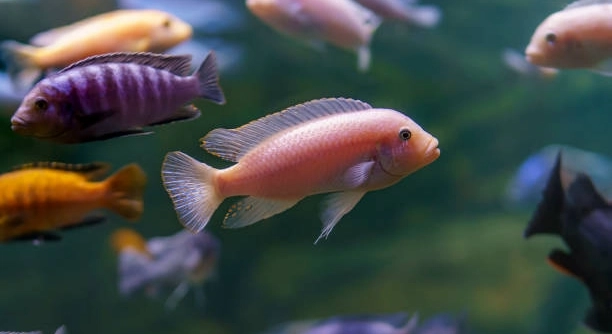
Keeping cichlids in a home aquarium can be rewarding, especially when you notice unique behaviors that hint at reproduction. Observing your fish closely allows you to understand their natural instincts and protect their environment effectively.
Cichlids often display specific behaviors when hiding eggs, such as increased territoriality, cleaning flat surfaces, frequent visits to secluded spots, and protective posturing. Recognizing these signs early helps ensure the eggs’ safety and supports successful breeding in captivity.
Observing these subtle changes in behavior can reveal a hidden layer of your cichlid’s life. Paying attention ensures you support their natural reproductive cycle effectively.
Increased Territorial Behavior
When a cichlid begins hiding eggs, one of the first things you may notice is a change in how it interacts with its surroundings. It becomes more protective of certain areas in the tank, patrolling them frequently and chasing away other fish that come too close. This territorial behavior is a natural instinct to ensure the eggs remain safe. You might see the fish spending extra time near rocks, caves, or flat surfaces where it intends to deposit the eggs. Even small disturbances, like moving decorations or approaching the tank, can trigger heightened alertness. Observing this behavior over time can give clear indications that your cichlid is preparing for reproduction. Paying attention to these changes helps you provide a stable environment that encourages healthy egg development. Adjusting tank layout and minimizing stress can make a big difference during this sensitive period.
Heightened territoriality signals that your cichlid is protecting potential egg sites, showing instinctive care and readiness for breeding activity.
Watching this behavior can help you anticipate egg-laying, allowing you to make small adjustments to keep the area safe and quiet.
Cleaning and Preparing Surfaces
Cichlids preparing to lay eggs spend time cleaning flat surfaces meticulously. They scrape rocks or smooth areas with their mouths, removing debris and algae to create an ideal site. This cleaning is precise and repeated multiple times, showing the fish’s focus on egg safety. If you notice a favorite spot being polished more than usual, it’s likely that eggs will appear there soon. This behavior ensures that the eggs attach securely and remain free from potential threats. It also reflects natural instincts from their habitat, where a clean, stable surface improves hatch rates. Observing this can be fascinating because the fish seems almost purposeful, signaling its readiness to reproduce. Providing appropriate surfaces like smooth rocks or slate can support this behavior and increase the likelihood of successful egg-laying.
Egg preparation is a clear sign your cichlid is ready to lay eggs and care for them properly.
Carefully observing and supporting this behavior is essential. You can create safe spaces, minimize tank disturbances, and maintain optimal water conditions. Clean surfaces help eggs adhere securely, and the cichlid’s repeated attention ensures that the site is fully prepared. Monitoring these behaviors allows you to anticipate breeding, reducing stress for both the fish and their future offspring. Adjusting the tank environment slightly, such as adding hiding spots or maintaining stable water parameters, can significantly improve egg survival. Recognizing and responding to these signs also helps maintain a balanced aquarium, where territorial disputes remain minimal, and fish feel secure. Paying attention to the small details, like polished rocks or frequent site visits, provides insight into the fish’s reproductive cycle and allows for timely support during egg-laying and early care stages.
Secluded Hiding Spots
Cichlids often choose hidden areas for egg-laying, like behind rocks, inside caves, or under decorations. These spots give them privacy and protection from other fish while guarding their eggs. Observing where your fish spends most of its time can reveal these secret locations.
Egg-hiding behavior leads cichlids to spend long periods in areas that feel safe. They may remain almost motionless, rarely leaving their chosen spot except to chase intruders. These hiding spots are carefully selected for security, water flow, and surface suitability. Recognizing these locations helps you support breeding by limiting disturbances nearby. Providing additional caves or sheltered areas can encourage the fish to feel comfortable and continue caring for the eggs without stress. Over time, the repeated use of a particular spot confirms the presence of eggs.
Choosing secluded spots is instinctive, but the environment you provide can make a difference. Ensuring these areas are safe, clean, and stable can prevent accidental disturbances. Avoid moving decorations frequently, keep aggressive tankmates away, and maintain steady water conditions. This support allows the cichlid to focus on egg care rather than defending its territory constantly. Over several days, observing patterns of hiding and guarding behavior gives insight into the fish’s reproductive process. Offering multiple hiding options can reduce stress and improve egg survival, making the breeding environment healthier for both parents and future fry.
Protective Posturing
Cichlids display defensive postures when guarding eggs. They flare fins, spread their tails, and hover near the nest to signal threats. These actions deter other fish and indicate active egg protection.
Protective posturing involves constant vigilance around the egg site. The fish may circle intruders, bite at perceived threats, and adjust its body position to block access. This behavior is an instinctive response to ensure the eggs remain undisturbed. Observing these defensive signals shows that the eggs are present and that the fish is actively engaged in their care. Supporting this behavior by reducing external stressors is important to maintain successful breeding.
The intensity of protective posturing can vary based on the tank setup and presence of other fish. In community tanks, aggressive neighbors may trigger more frequent displays, so isolating the breeding pair temporarily can help. Consistent monitoring ensures that the guarding behavior does not lead to exhaustion or injury. Providing ample hiding spots around the nest allows the cichlid to manage threats effectively while minimizing stress. Additionally, keeping the water clean and stable reduces distractions, allowing the fish to focus on egg protection. Recognizing and responding to these signals helps maintain a safe environment and supports successful hatching.
Frequent Site Visits
Cichlids often return repeatedly to the same spot, checking on their eggs and cleaning the area. These visits are short but consistent, showing their ongoing concern for egg safety and readiness to respond to any potential threat in the tank.
This behavior also helps the eggs stay clean and attached. The fish may scrape the surface or shift slightly to ensure proper positioning. Watching these regular visits confirms active egg care and highlights the importance of leaving the area undisturbed.
Egg Spot Inspection
Before laying eggs, cichlids thoroughly inspect surfaces. They nibble lightly, test firmness, and assess stability. This careful examination ensures eggs will stick properly and remain protected from strong currents or movement. Inspection may continue even after eggs are laid, reflecting their cautious approach to reproduction.
Increased Appetite
Cichlids may eat more while preparing for or guarding eggs. This increase in appetite helps them maintain energy for defending the nest, patrolling territory, and performing constant cleaning of the egg site.
Color Changes
During egg-laying, cichlids can show subtle color shifts. These changes signal readiness to reproduce and serve as visual cues to other fish in the tank, highlighting their breeding status.
FAQ
How can I tell if my cichlid is hiding eggs?
Cichlids show several clear behaviors when hiding eggs. They become territorial, guard specific areas, clean surfaces carefully, and choose secluded spots. Watching repeated visits to the same location or seeing protective posturing usually confirms eggs are present. Color changes and increased appetite are also common indicators.
Do cichlids need special surfaces to lay eggs?
Yes, smooth, flat surfaces like slate, rocks, or broad leaves are preferred. These surfaces allow eggs to stick securely and make it easier for the cichlid to clean the site. Avoid rough or unstable decorations that could disturb the eggs or make attachment difficult.
Should I separate other fish when eggs are present?
It is often recommended. Other fish may disturb the eggs, stress the parents, or eat the eggs. Providing a safe, isolated area or using a tank divider helps the cichlid focus on egg care without distraction. Minimal tank disturbances also support egg survival.
How long do cichlid eggs take to hatch?
Hatching time varies by species but generally ranges from three to seven days under proper water conditions. Stable temperature, clean water, and minimal disturbances improve hatching success. Watching the eggs daily helps identify when fry will appear.
Do both parents care for the eggs?
In many species, both the male and female participate in guarding and cleaning the eggs. Some species rely primarily on the female, while males defend the territory. Observing which fish consistently patrol and care for the nest can indicate their roles.
What should I feed a cichlid during egg care?
Provide high-protein foods like small live or frozen brine shrimp, daphnia, or specialized pellets. Extra nutrition supports energy for patrolling, cleaning, and guarding the eggs. Avoid overfeeding, which can pollute the water and stress the parents.
Can eggs be moved if the tank setup changes?
Moving eggs is risky. Cichlid eggs are delicate, and sudden handling can harm them or trigger parents to abandon the site. If changes are necessary, try to keep the surface stable and limit handling, letting the cichlid adjust naturally.
How do I know if eggs are healthy?
Healthy eggs are typically uniform in size and color, usually pale or slightly translucent depending on the species. Cloudy, shriveled, or discolored eggs may indicate fungus, poor water quality, or infertility. Removing unhealthy eggs carefully can prevent contamination.
Will the cichlid eat its eggs?
Sometimes, stressed or inexperienced parents may eat their eggs. Stress can result from tank disturbances, aggressive tankmates, or poor water conditions. Providing a calm, stable environment reduces this risk. Most healthy parents will care for eggs properly if conditions are suitable.
When should I intervene in egg care?
Intervention is rarely necessary if water quality is good and the parents are attentive. Only consider intervention if eggs are in danger from other fish, fungus, or poor conditions. Using gentle methods like moving the parents to a safe tank can help, but minimal interference is best.
Can I identify the species by egg-laying behavior?
Behavior provides hints but is not always definitive. Some cichlids have unique egg-laying patterns, such as mouthbrooding or cave spawning. Observing nesting habits, territoriality, and care routines alongside species knowledge gives better identification clues.
How often should I check on the eggs?
Frequent, gentle observation is enough. Watching once or twice daily lets you monitor for problems without disturbing the parents. Avoid tapping the glass or rearranging decorations during inspection, as this can stress the fish and jeopardize egg survival.
What is the best water condition for egg survival?
Stable temperature, proper pH, and clean water are crucial. Avoid sudden fluctuations or high nitrate levels. Gentle filtration and partial water changes help maintain conditions while keeping eggs safe. A calm environment reduces stress and supports successful hatching.
Are some cichlids more protective than others?
Yes, parental behavior varies by species. Some are extremely aggressive and defensive, while others are more relaxed. Knowing your species’ tendencies helps manage the tank and provide adequate protection for eggs and fry.
Can eggs survive without parents?
Some species’ eggs can survive if carefully monitored in a separate tank, but many rely on parental care for cleaning and protection. Without attention, eggs are prone to fungus, predation, or damage. Mimicking parental care manually requires experience and careful observation.
Final Thoughts
Caring for cichlids and observing their breeding behavior can be very rewarding. These fish show clear signs when they are hiding eggs, and paying attention to these behaviors can help ensure their eggs are safe and well-cared for. From increased territoriality to cleaning surfaces and guarding secluded spots, each action is part of a natural process that supports the survival of their offspring. Understanding these behaviors allows you to adjust the tank environment to meet their needs. Providing smooth surfaces, hiding spots, and minimal disturbances creates a safer space for the eggs and helps reduce stress on the parents. This careful observation and adjustment help both the fish and their future fry thrive. Watching your cichlids interact with their environment in preparation for egg-laying also offers insight into their natural instincts, which is fascinating to observe in a home aquarium setting.
The role of both parents in protecting and caring for eggs is important to note. Some species rely heavily on the female, while others show strong participation from both male and female. Recognizing which parent is actively guarding the nest and performing cleaning tasks can help you understand the dynamics of your specific cichlid species. During this period, their increased appetite supports the energy needed for consistent patrolling, defending territory, and ensuring the eggs remain in optimal condition. Providing high-quality, protein-rich foods during this time ensures the adults remain strong and focused. At the same time, maintaining stable water conditions, proper temperature, and clean surfaces supports the eggs’ development. By keeping a calm environment and avoiding unnecessary disturbances, you allow the cichlids to focus on their natural behaviors, which improves the likelihood of successful hatching and healthy fry.
It is also important to know when to step back and let the fish manage their eggs. Over-intervention can cause stress, leading to egg abandonment or even aggression toward other tankmates. Observing regularly without disturbing the fish provides the right balance between monitoring and giving them space. Healthy eggs are usually uniform in size and color, while unhealthy or fungus-infected eggs need careful attention to prevent contamination. Providing isolated hiding spots or dividers can help if other fish are in the tank, ensuring the breeding pair can continue their care uninterrupted. Ultimately, supporting your cichlids with a stable, safe environment, nutritious food, and proper observation allows you to witness natural behaviors and increases the chances of successful reproduction. Patience, attention, and consistency are key in managing egg-laying and caring for the future generation of cichlids.

Hello,
If you enjoy the content that we create, please consider saying a "Thank You!" by leaving a tip.
Every little bit helps us continue crafting quality advice that supports the health, happiness, and well-being of pets around the world, for pets of all shapes, sizes, and species.
We really appreciate the kindness and support that you show us!