
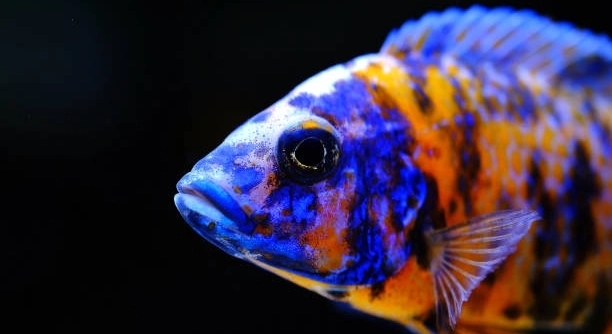
Have you ever noticed your convict cichlids swimming eagerly near the surface at the same time each day? These fish often show patterns in their behavior that seem linked to feeding routines. Observing them can be both entertaining and informative.
Convict cichlids are capable of learning and anticipating feeding schedules. Through repeated exposure to consistent feeding times, they exhibit predictable behaviors such as increased activity and approaching the feeding area, indicating their ability to associate routine with food availability.
Recognizing these patterns can help improve tank management and ensure your fish remain healthy and active throughout the day.
How Convict Cichlids Learn Feeding Times
Convict cichlids are smart fish that quickly pick up patterns in their environment. If you feed them at the same time every day, they begin to associate certain cues, like light changes or your presence, with food. Over time, you may notice them swimming closer to the front of the tank or becoming more active just before feeding. This behavior is a result of their natural instincts combined with learned routines. Observing these habits can be rewarding, especially when you see their responses become more precise. The fish use visual and environmental cues, and sometimes even minor vibrations, to sense that food is coming. It is fascinating how consistent routines allow them to anticipate feeding, showing a level of memory and learning that is often overlooked.
This learned behavior can make tank management easier. Knowing when they expect food helps maintain a calm and organized feeding schedule.
Regular feeding times not only encourage predictable behavior but also reduce stress in the tank. Fish that are uncertain when they will be fed often swim erratically or hide. By sticking to a schedule, you can promote stability and improve overall health. You may also notice social interactions changing, as dominant fish tend to assert themselves during anticipated feeding, while others wait patiently. Watching these dynamics can be informative, giving insight into their natural behavior. Proper timing helps maintain water quality because overfeeding is less likely when you control portions. You also create a routine that strengthens their anticipation skills, which is a subtle form of enrichment. In this way, feeding becomes more than just nutrition—it becomes part of their daily rhythm, supporting both physical and behavioral well-being.
Signs That Show They Are Anticipating Feeding
Convict cichlils often become more active before feeding. They may hover near the surface or swim toward the area where food usually appears.
Some behaviors are subtle, while others are easy to notice. They might follow your movements outside the tank or cluster near decorations where food is often dropped. Over time, these signals become consistent, showing clear anticipation. This awareness is useful for managing the tank because it helps you monitor their readiness to eat and avoid overfeeding. Observing these cues also allows you to notice changes in behavior that could indicate stress or illness. A fish that ignores routine feeding times may need attention, so these patterns are informative beyond simply predicting food. The learning process shows their ability to form associations and remember daily routines, highlighting their cognitive skills. By paying attention to these signs, you can fine-tune feeding practices to suit your fish’s behavior and improve their overall well-being in the tank.
Timing and Consistency
Feeding convict cichlids at the same time every day helps them learn faster. Predictable schedules encourage activity and reduce stress, making the tank more orderly. Small changes in timing can confuse them, so consistency is key for healthy behavior and clear anticipation.
Consistent feeding times allow convict cichlids to develop strong routines. They begin to recognize visual and environmental cues, like movement near the tank or changes in lighting, signaling that food is coming. Over several days, their swimming patterns adjust, and they often gather near the surface or follow the feeder’s path. This behavior shows their ability to form habits and remember schedules, which also supports social interactions and reduces conflict over food. By maintaining routine, you create a stable environment that benefits all the fish in the tank.
Predictable feeding also helps monitor their health. Fish that skip meals or act differently during feeding times may be showing signs of stress or illness. Observing their anticipation can reveal subtle changes in energy levels, appetite, or interaction with other fish. Routine feeding becomes both a behavioral and health tool. It also simplifies daily tank care, as you can plan cleaning, water changes, and portioning around known activity peaks. The structure supports both fish and keeper, ensuring a smoother daily rhythm.
Environmental Cues
Convict cichlids respond to small cues like vibrations, shadows, or movements near the tank. These cues become linked to feeding routines, helping them anticipate when food will appear. Their awareness of surroundings improves with consistent exposure.
The tank environment plays a large role in their learned feeding behavior. Regular lighting schedules, gentle tapping, or even your presence near the tank can signal feeding time. Fish observe these cues and adjust their behavior accordingly, gathering near the feeding area or swimming actively in anticipation. The more consistent these cues are, the stronger their response. Changes in the environment, such as moving decorations or altering light patterns, may slow learning or reduce predictability.
Environmental cues also support cognitive development. Fish learn to associate multiple signals with feeding, not just your movements or the food itself. This creates a complex network of triggers, enhancing memory and focus. Over time, they can distinguish subtle differences, like the sound of water being poured versus a loud tap, and react appropriately. Managing these cues intentionally ensures that learning remains effective, and the fish stay engaged. Recognizing these behaviors also allows you to notice stress, changes in routine, or signs of dominance, making environmental management an important part of daily care.
Early Morning Activity
Convict cichlids often become more active in the morning, even before feeding. They swim around the tank, explore hiding spots, and seem to anticipate the day’s first meal. This behavior shows their internal sense of routine and readiness.
These fish may react to early light changes or subtle noises outside the tank. Their increased movement signals they are alert and prepared for feeding. Regular morning activity reinforces their ability to predict mealtime.
Observation Tips
Watch for consistent patterns in swimming, clustering, or surface visits. Note which cues trigger excitement, and track changes over time to understand their feeding anticipation more accurately.
Feeding Response
Convict cichlids often approach food quickly and display eager behavior when feeding begins. They may compete or assert dominance while still showing learned restraint from prior routines.
FAQ
How do convict cichlids show they are ready to eat?
Convict cichlids become more active before feeding. They may swim near the surface, follow your movements, or gather around areas where food is usually placed. These behaviors are consistent when feeding schedules are regular. Observing these patterns helps you recognize their anticipation and maintain a proper feeding routine.
Can convict cichlids truly learn feeding times?
Yes, convict cichlids can learn and remember feeding schedules. Repetition helps them associate certain cues, like light changes or vibrations, with mealtime. Over days or weeks, they adjust their behavior, showing increased activity and readiness, which demonstrates their learning ability.
What environmental factors influence their anticipation?
Light, movement near the tank, and tank vibrations are all factors. Consistent cues help the fish predict feeding. Changes in lighting schedules or moving decorations may confuse them temporarily. Keeping the environment predictable enhances learning and reduces stress, supporting a healthy routine.
Is it normal for some cichlids to act differently at feeding time?
Yes, individual behavior varies. Dominant fish may compete more aggressively, while others wait patiently. Variations also depend on age, size, or personality. Monitoring these differences helps identify normal social dynamics versus stress or illness.
How often should I feed convict cichlids?
Feeding once or twice a day is sufficient for most adult convict cichlids. Consistency is more important than frequency. Overfeeding can cause water quality issues, while underfeeding may increase aggression. Following a fixed schedule keeps them healthy and maintains predictable behavior patterns.
What signs indicate they are stressed or unhealthy during feeding?
If fish ignore food, hide excessively, or swim erratically, it may indicate stress or illness. Sudden changes in feeding behavior, like hesitation or lethargy, should prompt a closer look at water quality, diet, and tank environment. Early observation helps prevent bigger health problems.
Can juvenile cichlids predict feeding times like adults?
Juveniles can also learn routines, though it may take slightly longer. Their responses are usually less pronounced at first. With consistent cues and feeding schedules, young cichlids gradually develop anticipation behaviors similar to adults, including swimming to the feeding area and increased activity.
Do cichlids remember irregular feeding patterns?
Irregular schedules make it harder for cichlids to anticipate feeding. They rely on consistency to form strong habits. If feeding times vary widely, their responses may be delayed or inconsistent. Regular schedules strengthen their ability to predict food accurately, creating a calmer tank environment.
How can I make feeding more predictable for my fish?
Maintain the same feeding times daily, use similar cues, and avoid sudden changes in lighting or tank arrangement. Consistent food placement and portion size also help. Predictability reduces stress, encourages natural behavior, and strengthens the connection between environmental signals and mealtime.
Do cichlids get bored of the same routine?
While convict cichlids rely on routine, they can benefit from small variations in food type or enrichment activities. These minor changes keep them engaged without disrupting learned feeding times. Offering variety in a controlled way supports both mental stimulation and predictable anticipation behavior.
How long does it take for them to learn a feeding schedule?
Learning varies depending on individual fish and tank conditions, but many cichlids show noticeable anticipation within one to two weeks of consistent feeding. Maintaining consistent cues and timing accelerates learning and helps the fish establish a clear routine.
Can other fish in the tank affect their anticipation?
Yes, tank mates can influence behavior. More active or aggressive fish may change feeding dynamics, causing some cichlids to wait or compete differently. Observing interactions and adjusting feeding locations or portions can help maintain predictable anticipation for all fish.
Are there tools to help monitor feeding patterns?
Simple observation logs or notes about time, behavior, and activity levels are effective. Some fish keepers use automatic feeders for consistency, which can support learning, but fish still rely on environmental cues to anticipate food. Recording patterns helps track behavior changes and health over time.
What mistakes should be avoided when training feeding anticipation?
Avoid inconsistent schedules, sudden changes in tank layout, overfeeding, or feeding too irregularly. These mistakes can confuse fish, reduce learning, and increase stress. Patience, consistency, and careful observation are key to supporting healthy anticipation behaviors in convict cichlids.
How does anticipation benefit overall fish health?
Anticipation encourages activity and mental engagement, reducing boredom and stress. Regular routines help regulate digestion and feeding responses. Healthy anticipation also allows better monitoring of behavior and early detection of health issues, supporting both cognitive and physical well-being.
Can I use anticipation to improve tank management?
Yes, knowing when fish expect food helps schedule maintenance, cleaning, and feeding more efficiently. Predictable behavior reduces chaos during feeding and ensures portions are appropriate. Anticipation also aids in monitoring tank dynamics, supporting a healthier, more balanced aquatic environment.
Do convict cichlids anticipate feeding differently on weekends or irregular days?
If feeding is inconsistent on certain days, fish may show delayed or confused responses. Consistency across all days is crucial for strong anticipation. Sudden schedule changes can disrupt learned patterns and increase stress, highlighting the importance of maintaining routine throughout the week.
How can observation improve feeding success?
Watching behaviors like clustering, surface activity, and following movements provides insight into readiness. Observation helps adjust portion size, detect stress, and refine feeding schedules. Careful monitoring ensures fish remain healthy, engaged, and predictable, making daily care more effective.
Can anticipation affect social behavior among fish?
Yes, dominant and submissive roles often appear more clearly around feeding. Fish that anticipate meals may assert dominance, while others wait. Observing these interactions helps manage aggression, ensuring all fish feed safely and maintain balance in the tank.
Does tank size impact learning feeding times?
Smaller tanks make cues easier to notice, so fish often learn faster. In larger tanks, cues may be less apparent, requiring more consistent reinforcement. Regardless of size, predictable routines and environmental signals are essential for developing strong anticipation behaviors.
What is the best way to introduce new fish to an established feeding schedule?
New fish should be observed closely and gradually integrated into the routine. Maintain consistent cues and timing, monitor interactions, and ensure all fish have access to food. Over time, newcomers adopt the learned schedule, showing similar anticipation behaviors as established tank mates.
How can anticipation improve long-term care?
Regular anticipation provides insight into health, behavior, and tank dynamics. It supports structured feeding, reduces stress, and promotes active, engaged fish. Consistent routines make it easier to detect changes, manage social interactions, and maintain overall tank balance for years.
Do changes in water conditions affect feeding anticipation?
Yes, poor water quality, temperature swings, or chemical changes can disrupt feeding behavior. Fish may become less responsive or stressed. Keeping water stable and clean ensures anticipation behaviors remain reliable and supports long-term health and routine adherence.
Can anticipation indicate hunger levels accurately?
Anticipation generally reflects learned routines rather than exact hunger. However, consistent behavior often aligns with natural feeding needs. Monitoring activity and reactions allows you to adjust portions appropriately without overfeeding, maintaining both health and predictable behavior.
Is it possible for convict cichlids to anticipate human presence for feeding?
Yes, they quickly associate movements outside the tank with food. Fish often swim toward the feeder or front of the tank when they see familiar cues. This behavior demonstrates learning and recognition, making human interaction a reliable signal for routine feeding.
How do seasonal changes affect feeding anticipation?
Light duration and temperature variations can influence activity. Fish may adjust timing slightly in response to seasonal shifts, but strong routines maintain anticipation. Maintaining consistent feeding cues helps minimize disruption and keeps learning intact regardless of external changes.
What behaviors suggest anticipation is not developing properly?
Erratic swimming, ignoring food, or excessive hiding may indicate confusion or stress. Inconsistent routines, environmental disruptions, or illness can prevent learning. Addressing these issues restores predictable behavior and supports healthy anticipation development.
How does anticipation relate to enrichment in the tank?
Feeding routines and environmental cues stimulate mental activity. Predictable patterns engage cognitive skills, helping fish remain alert and active. Enrichment through anticipation supports both behavior and health, making daily routines more meaningful and beneficial.
Can anticipation be used to improve breeding success?
Yes, predictable routines reduce stress and create stability, which encourages natural breeding behaviors. Fish that anticipate feeding are more active, confident, and healthy, all of which contribute to successful reproduction in a controlled tank environment.
Does anticipation differ between male and female convict cichlids?
Behavior may vary slightly, with males sometimes more assertive during feeding, while females may be cautious or protective. Both sexes can learn routines, but social roles influence how anticipation is expressed. Observing differences helps manage feeding and maintain balance in the tank.
How do I track anticipation without disturbing the fish?
Use quiet observation from a distance, noting movement patterns, clustering, and surface activity. Avoid tapping or sudden movements. Tracking over several days reveals trends, helping you refine feeding schedules and environmental cues for predictable, healthy behavior.
Can anticipation replace timed feeding tools like automatic feeders?
Not entirely, but it complements them. Anticipation provides behavioral insight and engagement, while automatic feeders ensure consistency. Combining both approaches supports learning, reduces stress, and maintains healthy routines. Manual observation remains important for monitoring fish health and activity levels.
How long does anticipation remain reliable?
With consistent cues and feeding times, anticipation can remain strong for years. Disruptions like irregular feeding, environmental changes, or stress can weaken patterns, but returning to regular routines usually restores learned behavior quickly.
Do all convict cichlids develop the same level of anticipation?
No, individual personalities and experiences influence learning. Some fish are highly responsive, while others are more reserved. Differences do not indicate a problem, but consistent observation ensures each fish adapts to the routine and receives proper care.
What role does anticipation play in daily tank management?
Anticipation helps plan feeding, cleaning, and monitoring. Predictable fish behavior allows efficient care, prevents overfeeding, and reduces stress. Understanding their patterns also helps detect early signs of illness or aggression, supporting a balanced and healthy tank environment.
Can anticipation help prevent feeding mistakes?
Yes, observing clear cues ensures appropriate portioning and timing. Fish showing expected behaviors signal readiness, while deviations indicate possible issues. Anticipation supports informed decisions, preventing overfeeding, underfeeding, or missed meals, and maintaining overall tank health.
Does anticipation affect aggression during feeding?
Yes, predictable routines reduce uncertainty, which can decrease aggression. Fish are less likely to compete chaotically when they know when and where food will appear. Clear anticipation fosters smoother interactions and helps manage dominant and submissive behaviors effectively.
Can anticipation be used to assess overall tank health?
Absolutely. Consistent feeding responses reflect a stable environment, healthy water conditions, and fish well-being. Deviations from expected behavior often signal stress, illness, or environmental issues, making anticipation a valuable monitoring tool for ongoing tank management.
Are there long-term benefits to maintaining feeding anticipation?
Maintaining anticipation supports mental stimulation, physical activity, reduced stress, and health monitoring. Predictable routines improve social dynamics, prevent overfeeding, and create a balanced environment, contributing to the long-term well-being of convict cichlids and the overall stability of the tank ecosystem.
How should anticipation be adjusted if the tank population changes?
Introducing new fish or removing individuals requires observation and potential adjustments to feeding routines. Ensure cues remain clear, portions are adequate, and social dynamics are monitored. Proper management maintains anticipation for both new and established fish, keeping behavior predictable and stress minimal.
What is the most effective way to reinforce anticipation?
Consistency in feeding times, cues, and environment is key. Pair visual and auditory signals with feeding, maintain regular portions, and monitor behavior. Reinforcing anticipation supports learning, reduces stress, and strengthens healthy routines across the tank population.
How do I prevent anticipation from causing overfeeding?
Stick to measured portions and maintain a fixed schedule. Fish may beg or display eagerness, but only provide the planned amount. Consistent feeding times and cues prevent confusion, ensuring anticipation supports health without leading to overfeeding.
Can anticipation behavior change as fish age?
Yes, older fish may become slower or less reactive. Juveniles are more energetic but still learn routines quickly. Observing changes over time allows adjustments in feeding schedules, portions, and cues to maintain strong anticipation behavior throughout life stages.
How do I use anticipation to improve tank harmony?
Predictable feeding reduces stress, limits chaos, and supports natural social structures. Fish can take turns feeding without excessive competition, and dominant individuals are less likely to harass others. Managing anticipation fosters a calmer, more balanced tank environment for all occupants.
Can anticipation be used to detect illness early?
Yes, deviations from normal anticipation are often one of the first signs of illness. Reduced activity, hesitation, or ignoring cues can indicate health problems. Monitoring these behaviors allows early intervention and better outcomes for affected fish.
How does anticipation influence energy levels?
Regular feeding cues encourage activity, ensuring fish swim, explore, and remain alert before meals. Anticipation maintains a natural rhythm, helping energy levels stay balanced and preventing lethargy or overexcitement, which supports overall health.
Are there differences in anticipation between tank setups?
Yes, smaller or more visually structured tanks make cues easier to notice, while larger tanks may require more consistent reinforcement. Environmental complexity, lighting, and decor placement influence how effectively fish learn feeding routines. Adjusting cues helps maintain reliable anticipation in any setup.
What is the relationship between anticipation and fish learning?
Anticipation demonstrates learning through repeated exposure and association. Fish link cues like light, movement, or vibrations with food. This ability to predict events shows memory, adaptability, and cognitive engagement, highlighting their intelligence and the importance of structured routines.
How can anticipation improve long-term feeding habits?
Consistent cues and timing teach fish to wait, focus, and respond appropriately. Over time, anticipation supports healthy portion control, reduces stress, and ensures all fish receive adequate nutrition. It also helps you maintain organized and predictable feeding practices for sustained care.
Does anticipation differ among fish species?
Yes, species vary in learning ability, responsiveness, and sensitivity to cues. Convict cichlids are particularly good at forming routines, but behavior may differ in other species. Understanding species-specific traits ensures appropriate feeding management and observation techniques.
Can anticipation reduce food waste?
Yes, fish that respond predictably take food efficiently. Observing behavior helps adjust portion sizes and avoid leftovers. Efficient feeding supports water quality, reduces cleaning needs, and maintains a healthier tank environment.
How important is patience in reinforcing anticipation?
Patience is crucial. Fish need time to learn routines, associate cues with food, and develop consistent behaviors. Rushing or changing schedules too quickly can confuse them, slowing learning and creating stress. Steady reinforcement ensures strong anticipation.
Do convict cichlids anticipate treats differently than regular food?
Yes, they may respond more eagerly to special foods. Treats can act as strong reinforcement, making anticipation more pronounced. However, treats should be used sparingly to maintain balanced nutrition and prevent overfeeding.
How can I track changes in anticipation over time?
Keep a log of feeding times, behaviors, and reactions. Note deviations, increased activity, or signs of stress. Regular tracking provides insight into learning progress, health, and social dynamics, helping maintain effective feeding routines and a stable tank.
Does anticipation affect overall happiness in convict cichlids?
Predictable routines and clear cues reduce stress and support natural behaviors. Anticipation keeps them active, engaged, and mentally stimulated, which contributes to overall well-being and a more harmonious tank environment.
Can anticipation help with selective feeding in mixed-species tanks?
Yes, clear cues and consistent schedules can direct attention toward specific food types or locations, reducing competition and ensuring all fish get proper nutrition. Observation ensures each species adapts to the routine safely.
Are there signs that anticipation is too strong or excessive?
Fish may become overly aggressive, hyperactive, or anxious if cues are overused or feeding is rushed. Maintaining balance in cues and schedule ensures anticipation remains beneficial without causing stress or conflict in the tank.
How can anticipation support breeding behavior?
Regular routines create stability and confidence. Active, healthy fish that anticipate feeding tend to be more confident and exhibit natural breeding behaviors, including nest building, territory defense, and pair bonding.
What role does anticipation play in cognitive development?
Anticipation exercises memory, pattern recognition, and response to environmental cues. These cognitive activities strengthen learning ability, reduce boredom, and encourage engagement with the tank environment, supporting long-term mental health.
How can anticipation assist in tank troubleshooting?
Unexpected changes in behavior during feeding can highlight water quality issues, illness, or social stress. Monitoring anticipation provides early warning signs, making it easier to identify and correct problems before they escalate.
Do all cichlids react to human presence equally?
No, some are more observant or curious, while others are cautious. Individual differences affect how quickly they anticipate feeding cues. Observing each fish ensures all adapt to routines and receive proper nutrition.
How important is routine variety in anticipation training?
While consistency is key, minor variations like food type or placement keep fish engaged without disrupting learned behaviors. Balanced routine and occasional variety maintain interest and reinforce anticipation effectively.
Can anticipation replace observation for health monitoring?
No, but it complements it. Regular observation alongside predictable behavior helps detect subtle health or social issues. Anticipation highlights deviations that may indicate stress, illness, or environmental problems, making care more proactive.
How does anticipation interact with aggression management?
Predictable feeding reduces chaos and competition. Fish know when to expect food, minimizing fights and tension. Observation of patterns helps intervene when necessary to maintain harmony and ensure all fish feed safely.
What is the best way to encourage anticipation without causing stress?
Use consistent cues, avoid sudden changes, feed on a regular schedule, and provide appropriate portions. Gentle observation and steady routines allow learning without overwhelming the fish, supporting healthy anticipation behavior.
Does anticipation improve adaptability in fish?
Yes, learning to associate cues with feeding enhances cognitive skills and responsiveness to environmental changes. This adaptability helps fish cope with minor disturbances while maintaining predictable routines.
Can anticipation help in introducing new feeding methods?
Yes, predictable behavior makes it easier to introduce new foods or tools. Fish learn to associate new cues with food, making transitions smoother and maintaining healthy feeding habits without stress.
How long should observation continue to ensure anticipation is effective?
Continuous monitoring over weeks and months ensures behaviors remain consistent. Long-term observation allows detection of health changes, environmental impacts, or social shifts, keeping feeding routines reliable and fish well-adjusted.
What are the main benefits of monitoring feeding anticipation?
It supports health, behavior, social balance, cognitive engagement, and efficient tank management. Observing anticipation ensures proper nutrition, early problem detection, and a calmer, more predictable environment for all fish
Final Thoughts
Convict cichlids are more intelligent than many people realize. They can learn routines, recognize cues, and anticipate feeding times with surprising accuracy. Observing their behavior regularly shows how quickly they adapt to consistent schedules. Over time, these small patterns, like swimming to the surface or clustering near the feeding area, become predictable. Recognizing these signals helps maintain a well-managed tank. It also allows you to notice any changes in behavior that may indicate stress, illness, or social issues. Keeping a consistent routine benefits both the fish and the tank environment.
Feeding anticipation is more than just a cute behavior. It reflects learning, memory, and cognitive skills. By maintaining regular feeding times, clear cues, and consistent environmental conditions, you can encourage your fish to develop these routines. This predictability reduces stress and prevents unnecessary competition during mealtime. Fish that anticipate feeding are often more active and confident, which supports their overall health. In addition, consistent routines help you monitor portions more effectively, maintain water quality, and observe social interactions in the tank. Anticipation provides insight into the physical and mental state of your cichlids, making daily care more manageable.
Creating a stable environment for convict cichlids requires attention to detail and patience. Small adjustments, such as keeping lighting consistent, minimizing sudden disturbances, and placing food in familiar locations, reinforce learned behaviors. Observing their activity before feeding, noting patterns, and adjusting the routine when necessary ensures that the fish remain engaged and healthy. Over time, anticipation becomes a useful tool for maintaining the tank, improving feeding practices, and detecting potential issues early. With consistent care and observation, convict cichlids can thrive in a predictable, structured environment that supports both their natural instincts and well-being. This approach creates a healthier, more balanced tank and allows you to enjoy their intelligent behavior.

Hello,
If you enjoy the content that we create, please consider saying a "Thank You!" by leaving a tip.
Every little bit helps us continue crafting quality advice that supports the health, happiness, and well-being of pets around the world, for pets of all shapes, sizes, and species.
We really appreciate the kindness and support that you show us!