
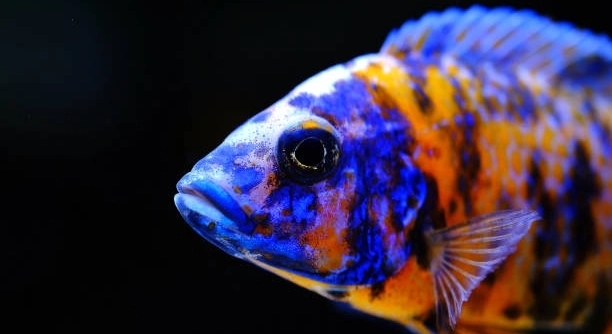
Are your cichlids constantly pecking at the thermometer in their tank? This behavior can be surprising and even a little frustrating for aquarium enthusiasts who want a calm, healthy environment for their fish.
Cichlids often peck at thermometers due to curiosity, stress, or territorial instincts. Bright colors or reflections on the device may trigger interaction, and improper tank conditions, such as low enrichment or incorrect water parameters, can exacerbate this behavior.
Understanding why your fish focus on the thermometer can help improve tank conditions and reduce stress. Small adjustments often make a noticeable difference in their behavior and comfort.
Common Reasons Cichlids Peck at Thermometers
Many cichlids interact with objects in their tank, and thermometers are often a target. They may be drawn to the bright colors or shiny surfaces, mistaking them for food or rivals. Territorial instincts play a role, especially in smaller tanks or when multiple fish share limited space. Stress from sudden changes in water temperature or quality can also increase this behavior. Sometimes, fish peck at the thermometer simply out of curiosity, exploring their environment with their mouths. Aggression between species or within the same species can make them more likely to attack stationary objects. Lack of enrichment, such as hiding spots or decorations, can leave cichlids restless, leading to repetitive behaviors. Even the placement of the thermometer matters—if it floats or moves slightly, it can attract repeated attention. Understanding these triggers helps prevent unwanted behaviors before they become routine.
Controlling stress and providing enrichment are key to reducing pecking. Proper placement of the thermometer makes a difference.
By observing your cichlids carefully, you can identify patterns in their behavior. Adding rocks, plants, or decorations can redirect their attention. Ensuring consistent water parameters reduces stress-related interactions. Some species are naturally more aggressive or curious, so tailoring tank design is important. Gradually introducing new objects allows fish to adjust without excessive pecking. Overcrowding increases tension, so maintaining appropriate stocking levels is crucial. Feeding schedules also influence activity—hungry fish may investigate objects more frequently. Simple solutions like securing the thermometer against the tank wall or using a less reflective device can reduce interaction. Behavioral changes often take time to notice, but consistent effort improves tank harmony. Monitoring both the environment and the fish’s responses ensures long-term success and a calmer, healthier aquarium overall.
How to Reduce Thermometer Pecking
Positioning the thermometer away from main swimming areas reduces constant attention.
To address pecking effectively, it is important to combine environmental adjustments and behavior management. Start by rearranging decorations to create hiding spaces and visual barriers. This provides cichlids with alternatives for exploration and reduces stress from exposed territories. Ensuring water temperature and quality remain stable decreases anxiety that can lead to repetitive pecking. Offering a varied diet and maintaining a consistent feeding schedule minimizes object investigation caused by hunger. If possible, use a thermometer with muted colors or one that is less reflective, making it less noticeable. Observing interactions helps identify aggressive or overly curious fish, allowing targeted interventions. Gradual changes are more effective than sudden modifications, which can increase stress. Over time, these adjustments promote natural behavior and reduce the likelihood of cichlids pecking at inanimate objects, supporting both their physical health and mental well-being.
Adjusting Tank Setup
Proper tank layout can greatly reduce pecking behavior. Providing rocks, plants, and hiding spots gives cichlids alternatives to focus on. Moving the thermometer to a less central location helps it go unnoticed. Avoid placing it where fish frequently swim or display territory.
Adding decorations changes the visual environment and gives fish mental stimulation. Cichlids are naturally curious and territorial, so having objects to explore or hide behind keeps them occupied. Ensure the tank is spacious enough for each fish to claim a small area, reducing stress-related interactions. Floating or loose items can attract attention, so secure everything properly.
Temperature consistency also matters. Sudden shifts can make fish anxious and more likely to peck at objects. Regularly check water parameters and keep the thermometer stable. Combining proper placement, secure objects, and enrichment creates a calmer, more balanced environment, reducing repetitive behaviors and improving overall fish health.
Feeding and Behavioral Strategies
Feeding routines influence how often cichlids interact with the thermometer. A predictable schedule reduces anxiety-driven exploration and helps focus their energy on food rather than objects.
Offering a balanced diet ensures that fish are less likely to mistake objects for food. Small, frequent feedings help prevent aggressive or curious behavior caused by hunger. Observing which fish show more pecking can guide selective interventions, such as adjusting feeding times or amounts for specific individuals. Overfeeding should be avoided as it can create health problems and increase aggression. Incorporating enrichment during feeding, like hiding food in decorations, encourages natural foraging behavior. Monitoring behavior and adjusting feeding strategies supports calmer interactions with tank objects.
Choosing the Right Thermometer
Selecting a less reflective or muted-colored thermometer can reduce attention from cichlids. Avoid bright or shiny devices that resemble food or rivals. Placement along the back or sides of the tank keeps it out of main swimming areas.
Digital thermometers with sensors outside the main tank area are effective. They provide accurate readings without becoming a target for fish. Securing the device prevents movement that could attract repeated pecking, keeping both the thermometer and the fish safe.
Monitoring Water Parameters
Regular testing ensures temperature, pH, and hardness remain stable. Fluctuations can increase stress and encourage pecking behaviors. Maintaining proper levels supports overall fish health and reduces environmental triggers.
Behavioral Observation
Watching how cichlids interact with their surroundings helps identify patterns. Aggressive or restless fish may require additional enrichment or tank adjustments to redirect attention from the thermometer.
FAQ
Why do my cichlids keep pecking the thermometer?
Cichlids often peck at thermometers because of curiosity, territorial instincts, or stress. Shiny or brightly colored devices attract their attention. Sometimes they mistake the thermometer for food or a rival. Small tank size and lack of hiding spots can make this behavior more frequent.
Is it harmful for my fish to peck the thermometer?
Occasional pecking is generally harmless, but repeated attacks can damage delicate fins or lead to stress. Stress weakens the immune system and can make fish more susceptible to disease. Ensuring secure placement and enrichment helps prevent harm over time.
Can changing the thermometer stop this behavior?
Yes, switching to a less reflective or muted-colored thermometer often reduces pecking. Digital probes or externally mounted devices are less likely to attract attention. Properly securing it against the tank wall prevents movement, which can otherwise encourage repeated attacks.
Does tank size affect pecking behavior?
Smaller tanks increase territorial conflicts and stress, making fish more likely to interact with objects. Providing enough swimming space and multiple hiding spots can reduce boredom and aggression, leading to less focus on the thermometer.
Will adding decorations help?
Decorations like rocks, plants, and caves provide alternative points of interest. Cichlids explore and hide, which keeps them mentally stimulated. Adding these objects can redirect attention away from the thermometer and reduce repetitive pecking.
Can water quality make a difference?
Poor water conditions create stress, which often increases object-focused behaviors. Maintaining stable temperature, pH, and hardness helps fish feel secure and less likely to attack the thermometer. Regular testing and consistent maintenance are key.
Does feeding schedule influence this behavior?
Yes, irregular or insufficient feeding can make cichlids investigate objects for potential food. Offering small, frequent meals and varying food types keeps them engaged with proper feeding rather than the thermometer. Hiding some food in decorations encourages natural foraging behavior.
Are some cichlid species more prone to pecking?
Certain species are naturally more aggressive or curious, which can lead to more frequent interaction with tank objects. Observing species-specific tendencies helps guide tank setup and enrichment strategies tailored to their behavior.
Will moving the thermometer help?
Yes, relocating the thermometer to the back or side of the tank reduces visibility and interaction. Keeping it out of main swimming areas makes it less likely for cichlids to target it, especially if combined with enrichment elsewhere.
How long does it take to stop this behavior?
Behavioral changes require patience. Adjusting tank setup, feeding, enrichment, and thermometer placement may take several days to weeks before consistent improvement is noticed. Monitoring fish responses ensures interventions are effective and stress is minimized.
Can overstocking contribute to this issue?
Overcrowding increases stress and aggression. Fish in tight spaces are more likely to become territorial and attack inanimate objects. Maintaining appropriate stocking levels for tank size reduces tension and discourages obsessive behaviors like thermometer pecking.
Is it safe to cover the thermometer?
Covering can help if the material doesn’t harm the fish or interfere with accurate readings. A non-reflective shield reduces visual triggers. Ensure it allows proper water contact for precise measurements while keeping fish safe.
Do all objects in the tank get pecked?
Not necessarily, but fish often focus on shiny, bright, or movable items. Observing which objects attract attention helps identify triggers and guide adjustments to placement, color, and texture.
Can stress from other tankmates cause pecking?
Yes, aggressive or dominant fish increase tension, making others more likely to interact with objects. Providing hiding spots and monitoring social dynamics helps reduce stress-driven behaviors.
What else can I do to keep my cichlids calm?
Consistent care, environmental enrichment, stable water parameters, and balanced feeding are key. Tailoring the tank to your species’ natural behavior reduces stress and minimizes unwanted interactions with the thermometer.
How do I know if my interventions are working?
Track changes in behavior over days or weeks. Less frequent pecking, calmer swimming, and reduced territorial displays indicate successful adjustments. Combine observation with regular tank maintenance for best results.
Is pecking a sign of illness?
Not directly, but stress from illness can increase object-focused behaviors. Watch for other symptoms like discoloration, lethargy, or fin damage. Maintaining a healthy environment reduces both pecking and potential health issues.
Can training or conditioning work?
Indirectly, yes. Redirecting attention with enrichment or food placement teaches fish to focus on preferred activities. Patience and consistency are required, as cichlids respond slowly to environmental cues rather than direct commands.
Does lighting affect thermometer pecking?
Bright or reflective lighting can enhance visibility of shiny objects, increasing pecking. Adjusting lighting to reduce glare while still supporting plant growth and natural behavior can help lower interactions with the thermometer.
Should I separate aggressive individuals?
In some cases, yes. Aggressive fish may target both tankmates and objects. Providing additional hiding spaces or separating highly aggressive individuals can restore balance and reduce stress-related behaviors.
Are there long-term effects if this behavior continues?
Persistent stress or repetitive pecking can damage fins, increase susceptibility to disease, and reduce overall wellbeing. Addressing environmental and behavioral triggers early ensures healthier, calmer cichlids.
Can using a background or tank cover help?
Backgrounds and covers reduce visual distractions and reflections that attract attention. They create a calmer environment, limiting unnecessary focus on the thermometer while maintaining normal activity and exploration within the tank.
Is it normal for juveniles to peck more?
Yes, younger cichlids are more curious and exploratory. They learn boundaries and become calmer as they grow, especially when provided with proper enrichment and consistent care.
What is the best long-term strategy to prevent pecking?
Combine stable water parameters, proper tank size, enrichment, secure thermometer placement, balanced feeding, and careful observation. Over time, these measures reduce stress, keep fish engaged, and prevent repetitive object-focused behavior.
How do I balance curiosity and safety in the tank?
Offer enrichment and explore natural behaviors while minimizing risky interactions. Secure objects, avoid reflective surfaces, and provide diverse hiding and exploration options to keep cichlids engaged safely.
Can social dynamics influence pecking?
Yes, dominant fish can trigger stress or mimicry behavior, encouraging others to peck objects. Understanding species-specific hierarchy and adjusting tank population helps reduce object-focused aggression.
Does water flow affect pecking?
Strong currents may stress some cichlids, increasing interaction with stationary objects like thermometers. Adjusting flow to suit species needs reduces stress and repetitive behavior while maintaining proper filtration.
How often should I monitor behavior?
Daily observation is ideal, especially after changes to tank setup, feeding, or thermometer placement. Noting patterns helps identify triggers and evaluate the effectiveness of interventions over time.
Can different thermometer types influence behavior differently?
Yes, floating, digital, or glass thermometers vary in visibility and interaction risk. Selecting a discreet, stable option minimizes attention and repeated pecking.
Is pecking more common during breeding?
Yes, breeding cichlids are more territorial and aggressive, which can increase object interactions. Providing additional space and hiding spots helps manage behavior during these periods.
What should I do if nothing seems to work?
Reassess tank size, social dynamics, enrichment, and water conditions. Consulting with experienced aquarists or professionals may provide species-specific solutions. Patience and gradual changes are essential.
Are there signs that my interventions are making stress worse?
Yes, increased hiding, frantic swimming, or fin damage indicate negative impact. Adjust interventions slowly and observe responses carefully to avoid adding stress.
Can environmental enrichment alone stop pecking?
Enrichment reduces boredom and stress but may not eliminate pecking completely. Combining enrichment with proper feeding, thermometer placement, and tank management yields the best results.
Does temperature fluctuation directly cause pecking?
Fluctuations increase stress, making fish more likely to attack objects. Stable water temperature, combined with other measures, reduces stress-induced interactions.
Is pecking more common in single-species tanks?
It can be, as there are fewer distractions or interactions. Proper enrichment and space help keep behavior natural and reduce fixation on objects like thermometers.
How important is observation for long-term success?
Observation allows timely adjustments before pecking becomes routine. Noting triggers, patterns, and responses ensures interventions are effective and supports healthy fish behavior.
Can repositioning plants help?
Yes, rearranging plants can create hiding spots, reduce open areas, and redirect attention away from thermometers. Natural barriers help maintain calm and reduce object-focused behaviors.
What are the most effective combined strategies?
Use stable water parameters, secure thermometer placement, enrichment, proper feeding, and observation. Combining these approaches addresses stress, boredom, and curiosity simultaneously, promoting healthier, calmer fish.
How do I know if my cichlids are stressed?
Signs include repetitive behaviors, fin clamping, hiding, rapid breathing, or aggressive interactions. Observing these indicators helps identify environmental or social factors that need adjustment.
Are glass thermometers worse than digital ones?
Glass thermometers are often more reflective and can attract attention. Digital sensors with probes outside main swimming areas reduce interaction while maintaining accurate readings.
Should I adjust lighting and reflections together?
Yes, reducing glare and reflective surfaces together lowers visual triggers. Proper lighting supports plant growth and natural behavior without increasing thermometer pecking.
How do I encourage natural exploration instead of object pecking?
Provide caves, rocks, plants, and foraging opportunities. Introduce new objects gradually, so fish investigate safely without fixating on a single item.
Can rearranging tank decor periodically help?
Yes, small changes prevent boredom and keep fish engaged. Gradual rearrangement maintains interest while reducing repetitive attention to the thermometer or other stationary objects.
Is pecking behavior reversible?
With consistent intervention and environmental management, most cichlids reduce or stop pecking. Time, patience, and proper adjustments are key for lasting results.
Are certain water parameters more stressful than others?
Sudden changes in temperature, pH, or hardness can be stressful. Maintaining stable levels prevents stress-induced behaviors, including thermometer pecking.
Can stress from transportation affect pecking?
Yes, newly moved or recently purchased fish may show increased object interaction. Allowing an adjustment period with stable conditions helps them settle.
How do I integrate multiple strategies effectively?
Address tank layout, enrichment, feeding, thermometer placement, water quality, and social dynamics together. Combined efforts create a calm, stimulating environment that reduces unwanted behaviors and supports overall health.
Can pecking behavior return after improvement?
Yes, changes in tank conditions, overcrowding, or stress can trigger a return. Continuous monitoring and maintenance prevent relapse.
What role does consistency play?
Consistent care in feeding, water maintenance, and tank management stabilizes fish behavior. Inconsistent routines increase stress and object-focused interactions like thermometer pecking.
How important is species research?
Understanding species-specific behavior guides tank setup, enrichment, and feeding strategies. Knowledge of natural tendencies helps prevent stress and repetitive behaviors effectively.
Are there tools to discourage pecking without harming fish?
Yes, shields, muted thermometers, and secure placements minimize interaction. Observation and gradual adjustments ensure safety and maintain natural behavior.
What is the overall goal in managing this behavior?
The aim is to reduce stress, provide enrichment, and maintain a safe environment, allowing cichlids to display natural behaviors without repeated object interaction.
Can multiple strategies be tested simultaneously?
Yes, implementing changes together, such as enrichment, feeding adjustments, and thermometer placement, often accelerates improvement while monitoring fish responses carefully.
How do I balance curiosity and stress prevention?
Provide stimulating environments that satisfy exploration instincts while minimizing triggers that cause repeated pecking. Careful observation and gradual adjustments maintain equilibrium.
Is long-term observation necessary?
Yes, monitoring behavior over weeks ensures interventions are effective, stress is minimized, and cichlids remain healthy and engaged with their environment.
What is the most common mistake aquarists make?
Neglecting enrichment, overcrowding, or ignoring small stressors can lead to persistent pecking. Addressing multiple environmental factors is essential for lasting results.
Are aggressive displays always linked to thermometer pecking?
Not always, but dominant or stressed fish often focus on objects as an outlet. Observing social dynamics helps target interventions effectively.
Can seasonal changes affect behavior?
Yes, changes in temperature or lighting due to seasons may increase stress and object-focused interactions. Maintaining stable conditions mitigates these effects.
How do I know if enrichment is sufficient?
Fish that explore, forage, and interact naturally without obsessively pecking indicate adequate enrichment. Adjust if attention to objects like the thermometer persists.
Are juvenile and adult behaviors different?
Juveniles are more exploratory and may peck more. Adults are calmer but can still target objects during stress, breeding, or environmental changes.
What role does social hierarchy play?
Dominant fish can trigger anxiety or mimicry in others, increasing object-focused behaviors. Managing population balance and hiding spaces reduces these effects.
Can pecking cause long-term health issues?
Repeated stress or injury from pecking can lead to fin damage and susceptibility to disease. Early intervention supports long-term wellbeing.
Is patience important in resolving this behavior?
Yes, gradual environmental adjustments, observation, and consistency are necessary. Fish behavior improves slowly, requiring careful management over time.
Can temporary relocation help?
In some cases, isolating aggressive or stressed individuals temporarily allows them to calm and prevents repeated damage to fins or objects.
Should I change feeding types or methods?
Yes, varying diet and introducing hidden food or target feeding encourages natural foraging, reducing interaction with non-food objects like thermometers.
Are reflective tank surfaces a problem?
Yes, reflections can attract attention, causing repeated pecking. Reducing glare and using muted surfaces decreases unnecessary interactions.
Do all cichlids peck equally?
No, behavior varies by species, age, and individual temperament. Observation is key to tailoring interventions.
Can overfeeding worsen the problem?
Yes, excessive food can increase aggression and territorial disputes, leading to more pecking. Balanced feeding is crucial.
Is there a simple solution?
No single fix exists; combining water management, enrichment, feeding, and object placement yields the best results.
How do I track improvement?
Note frequency and intensity of pecking over weeks. Less interaction and calmer behavior indicate success.
Are there signs that interventions are working too slowly?
If pecking remains constant after weeks, reassess enrichment, social dynamics, and placement. Adjust gradually to avoid stress.
Can environmental stress trigger other behaviors?
Yes, fin nipping, hiding, and aggression often accompany thermometer pecking. Addressing stress reduces multiple unwanted behaviors.
What is the safest thermometer type?
Digital probes outside swimming areas or non-reflective, secured glass thermometers minimize interaction while providing accurate readings.
Can plants alone reduce pecking?
Plants help, but must be combined with proper placement, enrichment, feeding, and water management for lasting results.
Is relocation within the tank effective?
Yes, moving objects or the thermometer out of main areas decreases visibility and repeated interaction.
Should I worry about minor pecking?
Minor, occasional pecking is natural. Persistent or aggressive interaction requires intervention to prevent stress or injury.
Does the type of substrate matter?
Rough or colorful substrates can distract or stimulate fish, sometimes increasing curiosity. Observe interactions to ensure it doesn’t exacerbate pecking.
Can multi-species tanks help?
Carefully chosen species may reduce boredom or redirect attention, but mismatched aggression levels can worsen stress. Observation is key.
Are automated feeders helpful?
Yes, consistent feeding reduces anxiety-driven exploration and encourages proper foraging behavior, decreasing focus on the thermometer.
How do I know if pecking is environmental or social?
Observe patterns. If pecking occurs only around objects or in presence of dominant fish, triggers may be environmental or social. Address both accordingly.
Do seasonal lighting changes influence behavior?
Yes, brighter lighting can increase visibility of objects and provoke more pecking. Adjust gradually to maintain natural cycles.
Can enrichment substitutes work?
Yes, floating toys or hidden food mimic natural exploration and reduce object-focused behavior while keeping fish engaged.
Is repeated observation necessary after interventions?
Yes, tracking behavior confirms effectiveness and highlights any new stressors that need addressing.
Can minor injuries from pecking heal naturally?
Small fin nips usually heal if stress is reduced, water quality is good, and no infections develop.
Should I monitor social interactions continuously?
Frequent observation is important to prevent dominance-related stress and ensure calmer behavior toward objects.
Does tank lighting affect stress levels?
Proper lighting supports normal behavior. Overly bright or reflective lighting increases stress and object-focused interactions.
Are certain tank decorations better than others?
Natural rocks, caves, and plants provide hiding spaces and mental stimulation. Avoid highly reflective or movable objects that attract pecking.
Can temporary changes in behavior indicate improvement?
Yes, short-term reduction in pecking shows interventions are working. Consistency ensures lasting improvement.
Do I need to adjust interventions seasonally?
Yes, temperature, lighting, and social behaviors may change with seasons. Minor adjustments help maintain stability.
Can minor adjustments make a big difference?
Yes, small changes in enrichment, thermometer placement, and feeding often significantly reduce repetitive behaviors and stress.
Is long-term monitoring essential?
Yes, it ensures fish remain calm, interventions remain effective, and any changes in behavior are addressed promptly.
How do I combine multiple strategies effectively?
Use enrichment, proper placement, feeding adjustments, stable water, and social observation together. Coordinated measures reduce pecking and promote wellbeing.
Are some interventions species-specific?
Yes, aggression levels, curiosity, and territorial behavior vary. Tailor strategies to the natural tendencies of your cichlid species.
Can minor behavioral signs indicate stress early?
Yes, increased object interaction, hiding, or fin clamping signals stress. Early intervention prevents escalation and injury.
How do I prevent recurrence after improvement?
Maintain enrichment, feeding, water quality, and secure thermometer placement. Continuous monitoring ensures long-term reduction in pecking behavior.
What is the most reliable approach overall?
Combine proper tank setup, enrichment, feeding, secure thermometer placement, and observation. This multifaceted approach addresses triggers comprehensively.
Can diet alone solve pecking?
Final Thoughts
Managing cichlids that peck at the thermometer requires attention to multiple aspects of their environment. It is important to remember that this behavior is often natural, driven by curiosity, territorial instincts, or stress. Simply blaming the thermometer is not enough. Observing the fish carefully can provide clues about why they focus on it, whether it is due to its color, reflection, placement, or the general setup of the tank. Even minor adjustments, like moving the thermometer to a less visible location or switching to a muted-colored device, can make a noticeable difference. Providing hiding spots, rocks, plants, or other decorations also helps redirect their attention and reduces stress. Enrichment gives cichlids a chance to explore and interact with their environment in healthy ways.
Feeding and diet also play an important role in managing pecking behavior. Fish that are underfed or fed irregularly may search for food in the wrong places, including objects like thermometers. Offering small, frequent meals and varying the type of food keeps them engaged and focused on appropriate foraging. Some aquarists find that hiding food among decorations encourages natural foraging behavior, which reduces interest in inanimate objects. Maintaining stable water parameters is equally critical. Sudden changes in temperature, pH, or hardness can increase stress, which often leads to repetitive pecking. Regular monitoring and maintenance prevent environmental factors from becoming triggers, ensuring the fish remain calm and comfortable.
Patience is necessary when addressing this behavior. Cichlids do not change overnight, and improvements are gradual. Combining proper feeding, secure thermometer placement, enrichment, stable water quality, and careful observation usually produces the best results. Social dynamics within the tank, such as aggressive or dominant individuals, should also be considered, as they can influence behavior. By taking a balanced, consistent approach, repeated pecking can often be minimized or stopped entirely. Over time, this creates a calmer, healthier environment for the fish, allowing them to exhibit natural behaviors without fixating on the thermometer. Small, consistent changes in care and tank setup ultimately lead to long-term improvements in fish wellbeing and a more harmonious aquarium.

Hello,
If you enjoy the content that we create, please consider saying a "Thank You!" by leaving a tip.
Every little bit helps us continue crafting quality advice that supports the health, happiness, and well-being of pets around the world, for pets of all shapes, sizes, and species.
We really appreciate the kindness and support that you show us!