
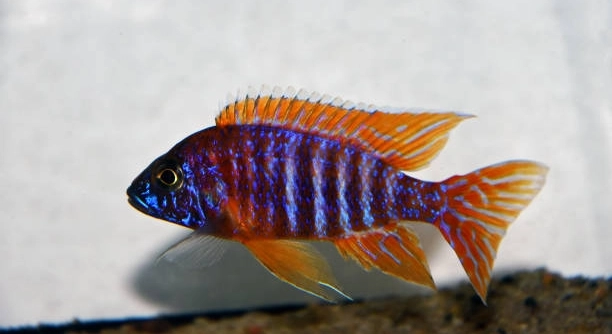
Convict cichlids are small, colorful fish often kept in home aquariums. They are known for their lively behavior and strong territorial instincts. Many aquarists notice their unique patterns of reacting to changes in their environment.
Convict cichlids are capable of learning from mistakes through trial and error. They adjust behaviors based on previous experiences, such as avoiding harmful situations or modifying how they interact with tank mates. This demonstrates a basic form of adaptive learning.
Observing their behaviors can reveal surprising details about their intelligence and interactions. Understanding these patterns can help improve their care and create a more harmonious aquarium environment.
How Convict Cichlids Show Learning
Convict cichlids often display behaviors that suggest they can learn from mistakes. For example, if a fish tries to claim a territory and gets chased, it may avoid the area the next time. Similarly, when they compete over food, they can remember which individuals are more aggressive and adjust their approach. This trial-and-error process helps them survive in tanks with other fish. Observing these interactions closely shows that their responses are not random. Over time, patterns emerge that indicate memory and recognition abilities. Even their breeding behaviors reflect learning. They can improve how they care for eggs and fry after initial attempts. Aquarists can notice these subtle changes, such as guarding eggs more effectively or recognizing potential threats sooner. These behaviors suggest a level of cognitive function that is more advanced than many people expect from small freshwater fish. Studying them can be both informative and surprisingly engaging.
Learning through trial and error strengthens their survival instincts and social interactions within the tank environment.
Watching convict cichlids can be fascinating. They remember past interactions, recognize patterns in their surroundings, and adapt quickly. Each fish develops unique strategies to navigate challenges, whether it’s defending space or finding food. The process of learning can be slow, but the results are clear when they adjust behaviors to avoid repeated mistakes.
Practical Tips to Encourage Learning
Providing a stable tank environment helps convict cichlids develop adaptive behaviors.
Creating varied but safe conditions allows these fish to experiment and learn. Adding hiding spots and rearranging decorations occasionally challenges them to explore. Feeding them in slightly different ways can teach problem-solving and improve their memory. Encouraging interactions with other fish in a controlled way helps them refine social skills and reduces stress. Avoiding constant disturbances allows them to process experiences, which is essential for learning. Careful observation gives insight into how quickly they adapt. For instance, noticing how they respond to a new tankmate or changes in territory can highlight individual learning patterns. Tank setups that simulate mild challenges without causing harm enhance their cognitive abilities. Over time, these small adjustments improve their confidence and overall behavior, making the aquarium a more engaging space. Convict cichlids respond well to consistent routines paired with gentle variation, which promotes growth and learning while maintaining their natural instincts.
Recognizing Mistakes
Convict cichlids quickly notice when an action doesn’t work. They may retreat after a failed attempt to claim territory or approach food cautiously after being chased. These reactions show they remember consequences and adjust their behavior to avoid repeating errors.
They often test their environment before fully committing to a decision. For example, a fish might slowly explore a new decoration or cautiously interact with a new tankmate. If a previous attempt caused stress or injury, they modify their approach the next time. This process indicates that convict cichlids have short-term memory capable of retaining experiences. Over repeated trials, their responses become more efficient and deliberate, reducing risks in social interactions and improving survival in shared tank spaces. Observing these adjustments demonstrates that their behavior is guided by learning rather than instinct alone.
In addition, their feeding patterns show clear learning behaviors. A fish that struggles to reach food in a difficult spot will try different angles or methods next time. They also remember which feeding areas are safer or more rewarding. Over time, these learned strategies help them optimize energy use and avoid unnecessary stress. Recognizing these subtle behaviors can improve how you manage their tank and interactions, making care more effective and rewarding.
Encouraging Positive Behavior
Providing structured routines helps convict cichlids respond confidently. Consistent feeding schedules and defined territories create predictability that encourages learning.
Introducing gentle challenges strengthens their adaptive abilities. Changing decorations or adding obstacles forces them to explore and problem-solve while still feeling secure. Interacting with other fish under controlled conditions allows them to refine social responses and reduce aggressive encounters. Observing their reactions helps identify patterns and preferred strategies. Avoiding sudden disturbances ensures that learned behaviors are reinforced rather than undone, improving memory retention.
Repetition and variation work together to reinforce learning. Feeding at slightly different times, offering different textures, or introducing minor environmental changes encourages problem-solving. Fish that experience manageable challenges become more active, confident, and less stressed. Over time, these experiences shape their natural instincts and improve their overall behavior. Encouraging exploration and social learning without creating excessive stress ensures they develop stable, adaptive habits. Proper care that balances safety with controlled challenges enhances both cognitive development and the liveliness of their tank presence.
Observing Their Mistakes
Convict cichlids often repeat small errors before adjusting. They may approach a rival too aggressively or misjudge a hiding spot. These behaviors show they are processing outcomes and slowly refining their actions based on past experiences.
Watching these patterns helps understand their decision-making. Each fish adapts differently, showing unique responses to similar challenges.
Learning Through Interaction
Social interactions play a big role in how convict cichlids learn. Fish that are exposed to others in controlled settings adjust their behaviors to reduce conflict. They remember which tankmates are more dominant and which areas are safer for exploring or feeding. This awareness improves survival and social harmony. Over time, their interactions become more predictable and measured, reflecting memory and experience. These adaptations are particularly visible during breeding, where careful observation and response to environmental cues influence how effectively they protect eggs or fry. Each experience contributes to better decision-making and refined behaviors.
Encouraging Safe Experimentation
Creating small, low-risk challenges in the tank promotes learning. These experiences allow fish to test limits and develop confidence.
FAQ
Can convict cichlids really learn from past experiences?
Yes, convict cichlids demonstrate learning through trial and error. They adjust behaviors after encounters with tankmates or environmental challenges. For example, a fish may avoid an area where it was previously chased or change how it approaches food. These actions show they retain memory of past events and apply it to new situations. Learning helps them improve survival, navigate social interactions, and protect eggs or fry during breeding. Observing these behaviors in your aquarium confirms their ability to adapt and refine strategies over time.
How long does it take for them to learn from mistakes?
The time varies depending on the complexity of the task and the individual fish. Simple actions, like avoiding a threatening area, can be learned within a few hours or days. More complex behaviors, such as remembering multiple tankmates’ temperaments or adjusting feeding strategies, may take weeks. Consistent observation and stable tank conditions help accelerate learning. Providing manageable challenges allows them to process experiences and refine responses. Over time, patterns of memory and adaptive behavior become clearly visible in their daily interactions and social hierarchy.
Do all convict cichlids learn at the same rate?
No, individual differences are significant. Some fish are naturally bolder or more curious, which may make them faster learners. Others may be more cautious and take longer to adjust. Factors such as age, prior experiences, and overall health can also influence learning speed. Younger fish may learn quickly but forget more easily, while older fish can retain knowledge longer but may be slower to adapt. Monitoring each fish’s responses allows aquarists to identify learning patterns and tailor tank management practices to support both fast and slow learners effectively.
Can learning behaviors reduce aggression in the tank?
Yes, convict cichlids that learn from repeated interactions often adjust their aggression levels. For example, a fish that is consistently overpowered by a dominant tankmate may retreat sooner or choose less contested areas. This adaptation minimizes conflicts and reduces stress in the aquarium. However, learning doesn’t completely eliminate aggression because territorial instincts remain strong. Providing sufficient space, hiding spots, and visual barriers allows fish to practice these learned behaviors safely, promoting a more balanced social dynamic while still respecting their natural tendencies.
How can I encourage learning without causing stress?
Introduce small, manageable challenges rather than drastic changes. Rearranging tank decorations, offering varied feeding methods, and gently introducing new tankmates can stimulate problem-solving. Keep the environment stable enough that fish feel secure while still allowing them to test new strategies. Observing responses helps identify which challenges are effective and safe. Avoid sudden disturbances or overcrowding, as these can negate learning efforts. Over time, consistent but controlled opportunities for experimentation encourage adaptive behaviors, improve confidence, and allow the fish to apply past experiences without unnecessary stress.
Do convict cichlids remember negative experiences?
Yes, they are capable of remembering situations that caused discomfort or stress. A fish that was chased or cornered may avoid the same area or tankmate in the future. This memory helps them make safer choices and reduces repeated harm. Avoid creating excessive negative experiences, as prolonged stress can affect health and behavior. Observing these adjustments provides insight into their cognitive abilities and helps create a tank environment that encourages learning while maintaining well-being.
Is learning limited to social interactions, or does it extend to environmental factors?
Learning extends to both social and environmental factors. Convict cichlids adapt to changes in tank layout, decorations, and feeding locations. They explore new areas cautiously and remember which spaces are safe or rewarding. Combined with social learning, these adaptations demonstrate a well-rounded ability to process and respond to experiences. Providing a variety of mild challenges enhances cognitive development, encourages problem-solving, and helps fish feel more confident navigating their habitat.
Can breeding behavior show learning?
Yes, breeding provides a clear example of learned behavior. Convict cichlids adjust egg-guarding techniques after initial attempts. They remember how to protect fry more effectively and choose safer areas for spawning. Over successive breeding cycles, behaviors become more refined, reflecting memory and adaptation. This shows that learning is not limited to simple survival tasks but extends to reproductive strategies.
How do I observe learning effectively?
Pay attention to patterns in interactions and routines. Note how a fish responds to new tankmates, changes in layout, or food challenges. Compare initial behaviors to later adjustments. Documenting these observations can reveal progress and help you support learning. Subtle changes, like more cautious approaches or faster problem-solving, indicate memory and adaptation. Observing consistently allows for insights into individual differences and the overall intelligence of your convict cichlids.
Are there limits to what they can learn?
Yes, while convict cichlids show impressive adaptive behaviors, learning is limited by instinctual drives and cognitive capacity. They may adjust strategies for food, territory, and social interactions but are unlikely to develop complex problem-solving skills beyond their natural capabilities. Supporting learning within these limits ensures healthy development and realistic expectations.
Final Thoughts
Convict cichlids are more than just colorful additions to a tank. Their behaviors show a surprising level of intelligence and adaptability. Observing how they interact with their environment and other fish reveals patterns of learning that can be both fascinating and helpful for aquarists. They often adjust their actions based on past experiences, whether it’s avoiding aggressive tankmates, exploring new decorations cautiously, or improving feeding strategies. These small changes may seem subtle, but they reflect the fish’s ability to remember events and apply that knowledge to improve daily life. Understanding these patterns gives insight into their needs, helping create a more balanced and enriching aquarium environment. By paying attention to these behaviors, fish keepers can better support the natural instincts and cognitive abilities of their convict cichlids.
Their learning is most noticeable in social interactions. Convict cichlids have strong territorial instincts, and repeated experiences with other fish influence how they behave over time. A fish that is consistently challenged by a more dominant tankmate will often modify its approach, avoiding unnecessary conflict while still defending its space. Similarly, during feeding, fish may change how they approach food if previous attempts led to stress or competition. These learned behaviors show that convict cichlids can process experiences and adjust accordingly. It is also clear that each fish has its own personality, which affects how quickly it learns and adapts. Some are bolder and more experimental, while others are cautious and deliberate. Recognizing these individual differences allows for more effective tank management, ensuring all fish can thrive while minimizing unnecessary stress.
Encouraging learning in convict cichlids doesn’t require complicated techniques. Providing a stable environment with occasional, manageable challenges allows them to develop problem-solving skills and confidence. Rearranging decorations, offering varied feeding methods, and monitoring social interactions are simple ways to support adaptive behaviors. Over time, these experiences help fish refine their strategies, respond more efficiently to changes, and become more comfortable in their habitat. Observing their progress can be rewarding, as small adjustments in behavior become apparent through careful attention. Supporting their cognitive development while maintaining safety and stability in the tank creates a healthier and more engaging environment. In the end, convict cichlids are capable learners, and understanding how they process mistakes allows aquarists to provide care that respects both their natural instincts and their ability to adapt.

Hello,
If you enjoy the content that we create, please consider saying a "Thank You!" by leaving a tip.
Every little bit helps us continue crafting quality advice that supports the health, happiness, and well-being of pets around the world, for pets of all shapes, sizes, and species.
We really appreciate the kindness and support that you show us!