
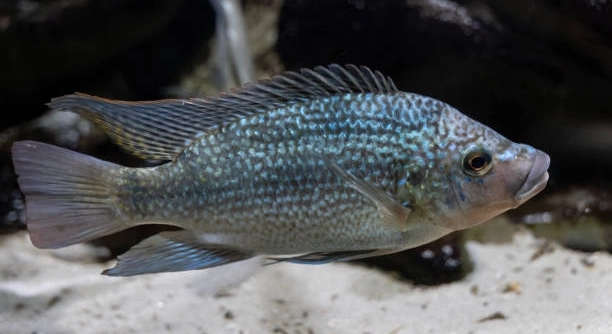
Convict cichlids are popular among aquarium enthusiasts for their vibrant colors and interesting behavior. Breeding them can be rewarding, but it requires careful attention to their environment, diet, and tank setup to ensure success.
Avoiding overcrowding, poor water quality, improper diet, insufficient hiding spaces, incorrect temperature, neglecting tank maintenance, and incompatible tank mates are the main mistakes in convict breeding tanks. These factors directly impact fish health, breeding success, and offspring survival rates.
Understanding these common pitfalls will help you create a healthier, more productive environment for your cichlids, improving their overall well-being and breeding outcomes.
Overcrowding the Tank
Overcrowding is one of the most common problems in convict breeding tanks. When too many fish share the same space, aggression increases, stress levels rise, and water quality declines faster. Convicts are territorial, and cramped conditions can lead to constant fighting, fin damage, and even death. Overcrowded tanks also reduce hiding spaces, which are essential for both adult fish and fry. Without proper shelter, females may refuse to spawn, or the fry may be eaten shortly after hatching. Tank size should be matched to the number of fish, and adding extra hiding spots like rocks, caves, or PVC pipes can reduce conflict. Filtration needs increase with more fish, so strong water circulation and frequent water changes are crucial. Monitoring behavior daily helps identify signs of stress or aggression early. Proper spacing allows fish to establish territories, reduces stress-related illness, and improves breeding success.
Providing adequate space for each convict cichlid minimizes stress, encourages natural behavior, and improves survival rates for both adults and offspring.
Maintaining a balanced population in the tank requires planning before adding new fish. Choosing the right number of adults for your tank size and separating aggressive individuals if needed ensures peace. Overcrowding can also worsen water quality because waste accumulates faster than filtration can handle. Regular monitoring and maintenance, including partial water changes, is essential. Adding hiding spots and ensuring enough open swimming areas helps fish feel secure. Observing interactions between fish allows adjustments before fights become severe. Fry have a better chance of survival when parents are not stressed, and overall health improves. Planning tank layout and stocking density carefully will reduce conflicts and encourage natural breeding behavior, creating a more stable and productive environment for the convict cichlids.
Poor Water Quality
Neglecting water quality can lead to disease, poor growth, and low fertility in convict cichlids. Frequent water checks are essential to prevent problems.
Poor water quality can stress fish, causing weakened immune systems and making them more prone to infections. Uneaten food and waste increase ammonia and nitrite levels, which are toxic even at low concentrations. Hardness, pH, and temperature fluctuations also affect breeding readiness and egg viability. Using a reliable filtration system, performing regular water changes, and testing chemical levels help maintain stable conditions. Avoid overcrowding to reduce waste buildup, and siphon debris from the substrate regularly. Keeping water clean ensures fry survival, improves parental health, and supports successful breeding cycles. Even minor neglect can quickly escalate into serious issues. Consistency in water management is key to preventing disease outbreaks and encouraging natural behaviors. Healthy water conditions allow convicts to focus energy on caring for their eggs and fry, leading to better breeding results and stronger offspring.
Proper water maintenance involves daily observation, weekly partial water changes, and continuous monitoring of chemical levels. Stability in the tank environment reduces stress and supports reproductive behavior, which is critical for a breeding tank. Filtration and aeration should match tank size and fish load to maintain oxygen levels. Avoid harsh cleaning chemicals, and rinse any decorations or equipment before adding them to the tank. Testing kits for ammonia, nitrite, nitrate, and pH help detect small changes before they become dangerous. Temperature consistency is particularly important, as sudden shifts can cause spawning delays or egg loss. Maintaining a clean and stable environment ensures that adults remain healthy, aggressive behavior decreases, and fry survival improves. Proper care in these areas reduces common setbacks, making breeding more predictable and rewarding.
Improper Diet
A poor diet weakens convict cichlids, reducing breeding success and fry survival. Feeding only flakes or low-quality pellets deprives them of essential nutrients, affecting egg production and overall health.
A balanced diet should include high-quality pellets, frozen or live foods like brine shrimp, bloodworms, and daphnia. Protein-rich foods help females develop eggs, while varied nutrition keeps males active and healthy. Overfeeding should be avoided, as excess food pollutes the water and stresses fish. Feeding smaller portions multiple times a day is better than one large meal. Nutrient-rich food supports fry growth once hatched.
Diet affects more than just growth. Poor nutrition can cause deformities in fry, reduce fertility in adults, and increase susceptibility to disease. Including vegetables or spirulina supplements improves coloration and strengthens immunity. Healthy adults are more likely to display natural breeding behaviors and care for their young, while a weak diet can lead to neglect or aggression. Planning meals carefully ensures both parents and offspring thrive in the breeding tank.
Insufficient Hiding Spaces
Without enough hiding spots, aggression rises and fry are at risk. Convict cichlids need caves, rocks, and plants to feel secure.
Hiding spaces help reduce stress and allow fish to establish territories. They give females a safe area to lay eggs and provide fry protection from adults. Caves, PVC pipes, and rock formations work well, and even small decorations can help. Fish feel more comfortable, fight less, and are more likely to breed successfully.
Lack of hiding places causes constant chasing and injuries. Aggressive males may dominate females, preventing spawning. Fry left exposed are often eaten, reducing overall survival rates. Adding multiple shelters for both adults and young ensures that all fish have a safe retreat, encouraging natural behaviors. A mix of open swimming areas and secure hiding spots creates balance. Observing fish behavior will show which areas are preferred, allowing adjustments. Proper shelter directly supports healthier adults, safer fry, and a more productive breeding environment overall.
Incorrect Temperature
Maintaining the right temperature is essential for breeding convict cichlids. Too low or too high temperatures can stress fish, delay spawning, and reduce egg viability.
The ideal range is usually between 78°F and 82°F. Sudden changes can shock adults and fry, affecting their health. Consistency is key.
Neglecting Tank Maintenance
Regular tank cleaning is crucial to prevent disease and stress. Waste buildup can raise ammonia and nitrite levels, harming both adults and fry.
Frequent water changes, substrate cleaning, and filter checks maintain water quality. Neglecting these tasks often results in poor breeding outcomes and weakened fish.
Incompatible Tank Mates
Convict cichlids are territorial, and aggressive or very passive tank mates can cause problems. Choosing compatible species helps reduce fighting and stress.
Avoid large predatory fish or overly aggressive species. Keeping compatible mates ensures convicts focus on breeding rather than constant defense, improving the survival rate of fry.
FAQ
How often should I perform water changes in a convict breeding tank?
Water changes are critical for keeping the tank healthy. For a breeding tank, a 20–30% water change once a week is usually sufficient. If the tank is heavily stocked or feeding is frequent, you may need to do partial changes twice a week. Always use dechlorinated water and ensure the temperature matches the tank to avoid shocking the fish. Consistent maintenance helps reduce ammonia and nitrite spikes, keeps pH stable, and improves overall fish health, which directly supports successful breeding and fry survival.
What is the best diet for convict cichlids during breeding?
Feeding a balanced diet is essential for both adults and fry. Adults benefit from high-quality pellets, frozen or live foods like brine shrimp, daphnia, and bloodworms. Protein-rich foods help females develop eggs and males maintain energy for guarding. Occasionally including vegetables or spirulina improves coloration and immunity. Feed small portions multiple times a day rather than one large meal to avoid water pollution. Providing proper nutrition ensures the parents are healthy, encourages natural breeding behavior, and increases the survival rate of fry.
How do I know if my cichlids are ready to breed?
Convict cichlids display clear signs when ready to breed. Pairs often become more territorial and dig pits in the substrate for eggs. The female may show swollen bellies, and the male becomes more protective. Aggressive chasing within the pair can indicate readiness. Keeping the tank conditions stable—temperature, water quality, and hiding spaces—helps the pair feel secure enough to spawn. Observing these behaviors allows you to prepare extra care for eggs and fry before they appear.
What is the ideal tank setup for breeding convicts?
A breeding tank should provide adequate space, hiding spots, and clean water. A minimum of 20 gallons is recommended for a pair, with caves or PVC pipes for shelter. Flat surfaces are important for egg-laying. Filtration should provide gentle water movement without disturbing fry. Substrate can be sand or fine gravel to allow digging. Multiple hiding spots reduce stress and aggression. Maintaining stable temperature and pH supports natural behavior. A well-structured tank encourages spawning and protects eggs and fry from harm.
How can I protect the fry from adult fish?
Even attentive parents may accidentally harm fry if the tank is crowded or stressed. Adding plenty of hiding spots like plants, rocks, and PVC tubes gives fry safe retreats. Some breeders use breeding boxes or separate rearing tanks to protect the fry completely. Observing parents’ behavior is important; overly aggressive adults may require temporary separation. Clean water and a balanced diet also reduce stress and aggression, allowing parents to focus on guarding and feeding the fry effectively.
What are common signs of stress in convict cichlids?
Stress can affect breeding success. Common signs include loss of appetite, hiding more than usual, frayed fins, and erratic swimming. Overcrowding, poor water quality, temperature fluctuations, or aggressive tank mates often cause stress. Identifying these issues early and correcting the environment—through water changes, tank rearrangement, or reducing population density—can restore normal behavior and improve breeding outcomes.
How do I prevent aggression between breeding pairs?
Convict cichlids are naturally territorial. Providing enough space, hiding spots, and visual barriers helps reduce fights. Avoid keeping multiple males in a small tank or introducing aggressive species. Observing interactions and removing overly aggressive individuals can prevent injury. Aggression management ensures healthier adults, protects eggs and fry, and creates a calmer environment for breeding.
Can I use artificial lighting to encourage breeding?
Lighting can influence activity levels and breeding behavior, but consistency is more important than intensity. A 10–12 hour light cycle mimics natural conditions and helps regulate feeding and spawning activity. Avoid sudden changes in light, which may stress fish. Using a timer ensures consistency, helping adults maintain regular behavior and supporting successful egg-laying and fry development.
What should I do if eggs are not hatching?
Eggs may fail to hatch due to poor water quality, incorrect temperature, fungal infections, or infertile eggs. Maintaining stable water parameters and cleaning the tank regularly reduces the risk of fungus. If eggs are infected, removing them may prevent contamination. Checking water temperature and providing adequate oxygen through gentle filtration ensures the remaining eggs have optimal conditions. Consistent monitoring and care improve the chances of successful hatching.
How do I transition fry to adult food?
Fry initially feed on microorganisms and finely crushed foods. Gradually introducing finely crushed pellets or baby brine shrimp helps them adapt to solid food. As fry grow, increase food size slowly, ensuring proper nutrition for development. Frequent, small feedings keep water clean and reduce stress. Gradual transition ensures strong, healthy fry ready for adulthood.
Convict cichlids are rewarding to breed, but success depends heavily on maintaining the right environment and care. Paying attention to tank size, water quality, diet, and temperature helps adults remain healthy and encourages natural breeding behaviors. Overcrowding and stress can quickly undo even the best care, so planning the number of fish and the layout of the tank is essential. Adding enough hiding spots and flat surfaces for egg-laying allows the fish to feel secure. A stable, clean environment reduces aggression, supports fry survival, and ensures that breeding pairs are able to focus on raising their young.
Diet plays a major role in the overall health and breeding success of convict cichlids. A balanced diet of high-quality pellets, live or frozen foods, and occasional vegetable supplements provides the necessary nutrients for egg production, strong fry, and active parents. Feeding smaller portions multiple times a day keeps water cleaner and prevents overfeeding. Poor nutrition can weaken adults, reduce fertility, and make fry more susceptible to disease. By carefully planning meals and ensuring variety, the fish receive the support they need for long-term health and successful breeding.
Consistent maintenance is equally important for keeping convict breeding tanks productive. Regular water changes, filter cleaning, and monitoring of chemical levels ensure stable conditions, which reduce stress and improve fry survival. Temperature control and gentle water flow help maintain a healthy environment. Observing fish behavior daily allows adjustments before problems escalate, whether it’s separating aggressive individuals, adding extra hiding spots, or addressing water quality issues. With proper care, attention to diet, and consistent maintenance, convict cichlids can thrive in a breeding tank, producing healthy adults and strong fry while minimizing the risks that often interfere with successful breeding.

Hello,
If you enjoy the content that we create, please consider saying a "Thank You!" by leaving a tip.
Every little bit helps us continue crafting quality advice that supports the health, happiness, and well-being of pets around the world, for pets of all shapes, sizes, and species.
We really appreciate the kindness and support that you show us!