
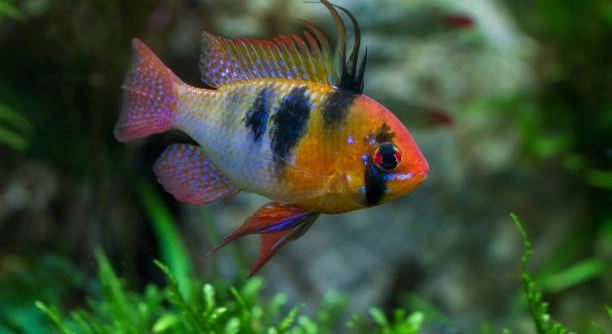
Paragraph: Keeping fry safe in environments with convicts can be challenging. Many face risks from careless handling or accidental attacks, which can harm both the fry and the facility’s operations. Awareness and careful planning are essential.
Paragraph: The most effective strategies to prevent convicts from attacking fry include proper supervision, secure enclosures, routine monitoring, training for staff, minimizing direct contact, providing distractions, and ensuring environmental enrichment. Implementing these measures significantly reduces risks and promotes safety for all parties involved.
Paragraph: These methods create a safer space for fry while maintaining daily routines, allowing both staff and animals to interact more calmly and confidently.
Secure Enclosures for Fry
Keeping fry in strong, secure enclosures is one of the most important steps to protect them. Enclosures should be designed to prevent convicts from reaching the fry while still allowing proper air and light. Using clear barriers helps staff monitor activity without disturbing the fry. Regular checks ensure there are no weak spots or areas that could be tampered with. Locked doors and reinforced walls give an extra layer of protection. It’s helpful to use multiple layers, such as a main tank and an additional cover. This way, even if one barrier is compromised, the fry remain safe. Staff should be trained to handle the enclosures carefully to avoid accidents. Small adjustments, like raising tanks off the floor, can make a big difference. Observing fry behavior can also indicate if the enclosure is effective. When secure enclosures are combined with good supervision, the risk of attacks drops significantly, creating a safer environment.
Using strong and monitored enclosures prevents physical attacks and ensures fry remain in a controlled, safe environment, reducing stress and potential harm efficiently.
Clear and safe enclosures also make handling fry easier. Staff can feed and maintain tanks without constant worry. Fry are less likely to panic, which helps them grow healthier. Proper setup minimizes accidents and keeps daily routines simple and predictable.
Staff Training and Routine Monitoring
Staff must understand how to manage interactions with convicts and fry. Proper training reduces mistakes that could lead to attacks.
Routine monitoring helps spot risks early. Staff should observe both fry and convicts daily, noting unusual behavior or stress signs. Clear logs help track patterns and adjust strategies as needed. Training sessions should cover safe handling, emergency procedures, and how to reinforce boundaries. Staff learn to recognize early warning signs, like agitation or repetitive movements, which might indicate a potential threat to fry. Regular drills ensure everyone responds calmly and efficiently during incidents. Even small gestures, such as moving slowly or using tools for feeding, can prevent sudden movements that trigger attacks. Staff should also communicate regularly about changes in fry behavior or environmental conditions. By combining training with consistent monitoring, the facility creates a proactive system where risks are addressed before they escalate. This approach not only protects the fry but also supports staff confidence, reducing stress and creating a more controlled environment overall.
Minimizing Direct Contact
Limiting direct contact between convicts and fry reduces stress and prevents attacks. Only trained staff should handle fry when necessary. Feeding, cleaning, and moving fry should be done with care and consistent routines to avoid sudden interactions.
Using tools like nets or tongs allows staff to manage fry safely without putting hands near them. Direct contact can trigger defensive or aggressive behavior, so maintaining distance is key. Staff should always approach slowly and calmly, giving fry time to adjust. Even small changes in handling routines can make a noticeable difference in safety, keeping both fry and staff secure. Consistency in these practices reinforces boundaries and minimizes risk over time.
Routine observation complements limited contact. Watching fry from a distance helps detect stress or unusual behavior early. Adjusting environmental factors, like water temperature or hiding spaces, can reduce fry anxiety. Minimal handling combined with careful observation ensures fry thrive while reducing opportunities for convicts to accidentally cause harm.
Environmental Enrichment
Providing environmental enrichment keeps fry engaged and reduces the likelihood of aggressive incidents. Simple additions like plants, hiding spots, or floating objects create stimulation and comfort.
Enrichment supports natural behaviors, allowing fry to explore and hide safely. When fry have areas to retreat, they feel less threatened, which decreases panic and accidental attacks. Staff should rotate items periodically to maintain interest without overwhelming the fry. Consistent routines, paired with enrichment, create a calm environment where fry are less likely to provoke interaction. Enrichment also supports physical and mental health, promoting growth and activity. Even small changes, like adding new textures or gentle currents, can positively impact fry behavior. Over time, enriched environments make daily management smoother, reducing stress for both fry and staff. By observing how fry interact with their surroundings, adjustments can be made to maintain balance and safety, creating a more stable and secure space.
Providing Distractions
Giving convicts simple distractions helps reduce focus on fry. Activities like puzzles, tasks, or approved objects keep their attention elsewhere.
Distractions should be safe, engaging, and rotated regularly. Boredom often leads to unwanted interactions, so variety is key. Consistent availability of these outlets reduces risks naturally.
Proper Feeding Techniques
Feeding fry at consistent times prevents sudden rushes or fights. Staff should use long tools or feeders to minimize direct contact. Measuring food carefully ensures fry are satisfied without overfeeding, which can create water issues. Separate feeding areas for convicts and fry help maintain boundaries and prevent accidental attacks. Observing how fry respond to feeding allows small adjustments to improve safety. Over time, predictable feeding routines create calm periods and reduce stress. Staff can also use timed feeding devices or barriers to keep interactions minimal. Maintaining this approach consistently reduces the chance of conflicts, keeping fry safe while supporting healthy growth.
Emergency Preparedness
Having a clear emergency plan ensures quick responses if fry are at risk. Staff should know protocols and have tools ready.
FAQ
How can I tell if fry are stressed around convicts?
Stressed fry often behave differently than usual. They may swim erratically, hide constantly, or show signs of sluggishness. Watch for sudden movements or attempts to escape. Changes in feeding habits, such as refusing food or over-eating, can also indicate stress. Maintaining secure enclosures and minimizing direct contact helps reduce these signs.
What is the safest way to feed fry?
Use long tools, nets, or automated feeders to deliver food without putting hands near the fry. Feed at the same time each day to establish a routine. Avoid overfeeding, which can lead to poor water quality and increase fry stress. Separate areas for fry and convicts during feeding help maintain boundaries.
How often should enclosures be checked?
Daily checks are essential. Inspect for weak spots, damage, or potential hazards. Look for signs of tampering or unusual activity. Monitoring both fry and convicts allows early detection of issues. Keeping a log of observations ensures consistency and helps staff identify patterns in behavior or stress.
Can environmental enrichment prevent attacks?
Yes. Providing hiding spots, plants, and safe objects reduces boredom and gives fry places to retreat. Rotating items keeps the environment interesting without overwhelming the fry. Enrichment supports natural behaviors and lowers aggression risks. Even small changes, like adding textures or gentle water currents, improve safety.
Should convicts interact with fry at all?
Interactions should be minimal and only handled by trained staff. Limiting contact prevents accidental attacks and stress. Use tools to manage fry safely when needed, and always supervise any interaction. Structured routines help both fry and staff stay calm during necessary handling.
What are common warning signs of potential attacks?
Aggressive or repetitive movements from convicts, sudden fry panic, or repeated attempts to reach fry are all warning signs. Staff should intervene immediately, adjusting routines or using distractions. Keeping enclosures strong and secure reduces these risks. Logging incidents helps prevent future problems.
How can distractions help reduce attacks?
Safe activities for convicts, like puzzles, approved objects, or tasks, redirect attention away from fry. Rotating these distractions keeps them engaging. Boredom often leads to unwanted behavior, so providing consistent outlets is an effective prevention method.
What should I do during an emergency?
Follow the facility’s emergency protocol. Staff should act calmly, using tools and safety equipment to remove fry from danger. Quick responses prevent injury. Regular drills prepare everyone to handle unexpected incidents confidently, reducing stress for both fry and staff.
How does consistent training improve safety?
Training teaches staff how to handle fry and convicts safely, recognize early warning signs, and respond correctly. Staff confidence in procedures reduces mistakes. Routine refreshers ensure knowledge remains current and everyone maintains consistent safety practices.
Can monitoring behavior prevent attacks before they happen?
Yes. Daily observation of fry and convicts helps identify unusual or aggressive behavior early. Patterns in movement, stress, or interactions indicate potential risks. Adjusting routines, environmental factors, or providing enrichment based on these observations can prevent attacks before they occur.
Are there simple tools that improve fry safety?
Yes. Nets, tongs, feeders, and barriers reduce direct contact and maintain distance. Using these tools consistently ensures fry remain protected. Proper use, combined with secure enclosures and training, minimizes risk effectively.
How do I know if the measures are working?
Fry should appear calm, eat normally, and show healthy growth. Staff should notice fewer incidents or attempts to reach fry. Monitoring logs over time shows trends, confirming that enclosures, training, feeding routines, and enrichment effectively maintain safety.
Is overhandling harmful to fry?
Yes. Frequent or rough handling increases stress and can trigger panic, leading to accidental attacks. Only handle fry when necessary, using tools and calm, slow movements. Minimal handling, paired with observation and enrichment, creates a safer environment.
How often should enrichment be updated?
Enrichment should be rotated regularly to keep fry engaged. Changing objects, plants, or textures every few weeks prevents boredom without causing confusion. Observation helps determine which changes are effective and ensures fry remain comfortable and safe.
What role does communication among staff play?
Clear communication is critical. Sharing observations, unusual behaviors, or changes in routine ensures risks are addressed promptly. Coordinating feeding, cleaning, and monitoring reduces mistakes and keeps fry protected. Staff logs and briefings reinforce consistency and improve overall safety.
How do I balance security and fry visibility?
Use clear barriers that allow observation without direct contact. Multiple layers of protection, like covers and secondary barriers, keep fry visible but safe. This balance ensures staff can monitor behavior and respond quickly while maintaining a secure environment.
Are there long-term benefits to these safety measures?
Yes. Consistent routines, secure enclosures, enrichment, training, and monitoring not only prevent attacks but also improve fry health, growth, and confidence. Staff experience less stress, and the overall facility runs more smoothly. Over time, these measures create a predictable and safe environment for everyone involved.
Final Thoughts
Keeping fry safe from convicts requires consistent effort and careful planning. Each measure, from secure enclosures to routine monitoring, plays an important role in maintaining a safe environment. Small details, like the placement of hiding spots or the timing of feeding, can have a big impact on safety. When enclosures are strong and well-maintained, fry are less likely to encounter risks. Using clear barriers allows staff to observe without creating stress for the fry. Over time, this careful setup helps staff feel more confident and allows fry to grow and thrive in a calm space. Attention to both the physical setup and daily routines ensures that risks are minimized and that interactions between staff, fry, and convicts remain safe.
Training and proper routines are essential for reducing stress and preventing incidents. Staff who understand how to handle fry, recognize warning signs, and follow established procedures can manage the environment more effectively. Limited direct contact, combined with the use of tools for feeding and maintenance, reduces unnecessary stress for both fry and staff. Environmental enrichment adds another layer of safety by keeping fry occupied and calm. Safe objects, hiding spots, and gentle water currents allow fry to behave naturally without feeling threatened. Regular observation and adjustments to routines help staff address potential issues before they escalate. Consistency in these practices is key. Staff who communicate regularly and follow clear protocols are more likely to notice early signs of stress or aggression, creating a controlled and safe environment.
Preventing attacks is a combination of careful planning, observation, and proactive measures. Secure enclosures, routine monitoring, proper feeding, limited contact, and environmental enrichment all work together to protect fry. Distractions for convicts, training for staff, and emergency preparedness further reduce risks. Over time, these strategies create a stable and predictable environment where fry can grow safely and staff can feel confident in their daily work. Success depends on attention to detail, consistent practice, and willingness to make adjustments when needed. By combining these efforts, facilities can provide a safer, healthier, and calmer environment for fry, ensuring long-term protection and wellbeing for both the animals and the staff who care for them.

Hello,
If you enjoy the content that we create, please consider saying a "Thank You!" by leaving a tip.
Every little bit helps us continue crafting quality advice that supports the health, happiness, and well-being of pets around the world, for pets of all shapes, sizes, and species.
We really appreciate the kindness and support that you show us!