
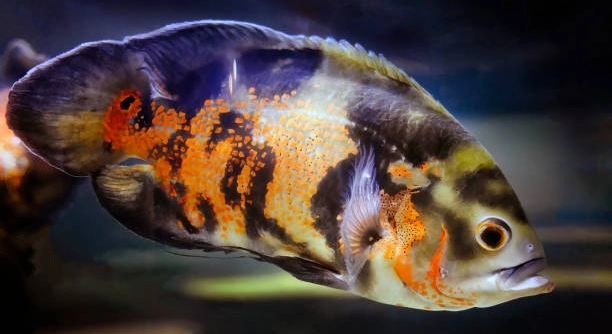
Cichlids are fascinating fish that respond to more than just food and tank mates. Observing their reactions can reveal surprising details about their environment and behavior. These responses often go unnoticed but hold important insights.
Cichlids exhibit noticeable reactions to unexpected stimuli such as changes in light intensity, reflections, water vibrations, unfamiliar objects, sudden movements outside the tank, new scents, and shifts in water temperature. These triggers can influence their behavior, stress levels, and interactions with their surroundings.
Understanding these reactions helps improve tank conditions and enhances the well-being of your fish. Exploring these subtle triggers can make a significant difference in their daily life.
Changes in Light Intensity
Cichlids are highly sensitive to light. A sudden increase or decrease can startle them, causing frantic swimming or hiding. Even shifting a lamp or opening blinds may trigger reactions. Their natural habitats often have gradual light changes, so abrupt shifts feel unnatural. Some cichlids may become more aggressive under intense light, while others retreat to shaded areas. Observing these behaviors helps in adjusting lighting schedules and positioning to maintain calm tank conditions. Consistent light patterns are essential for their feeding and activity cycles. Colored LED lights can also affect behavior, with certain shades creating more agitation. Monitoring their response allows for better control of the tank environment. By gradually introducing new lighting, cichlids adapt without unnecessary stress, making them more comfortable and predictable in their daily patterns. This understanding supports healthier interactions among tank mates and encourages natural behaviors like territory exploration and social displays. Light management is a small but impactful factor in fish care.
Sudden changes in brightness can cause stress and disrupt feeding habits. Maintaining steady light levels is crucial for their comfort.
Careful observation reveals patterns in behavior related to light exposure. Some fish react immediately, while others adjust slowly. A consistent routine reduces stress and encourages predictable activity. Adjusting light gradually, rather than abruptly, prevents panic responses and supports a stable environment. Using timers and diffused lighting can mimic natural conditions, keeping the fish relaxed. This approach allows for healthier interactions and supports normal feeding cycles. Understanding individual fish preferences further refines tank management and promotes long-term well-being.
Unfamiliar Objects in the Tank
New decorations or sudden placement of items can startle cichlids. They may investigate cautiously or hide for extended periods, depending on their temperament and previous exposure.
Introducing objects slowly allows cichlids to explore safely. Observing their reactions helps determine which additions improve the tank without causing stress.
Unfamiliar items trigger natural instincts such as caution and territorial assessment. Cichlids may circle the object, inspect it from different angles, or display defensive behaviors like flaring fins. The degree of reaction varies with species; some are curious, while others are skittish. Adding decorations one at a time and spacing them gradually reduces fear responses and allows fish to establish comfort zones. Hiding spots should be included to provide refuge and minimize tension. Over time, repeated exposure helps fish adapt to changes, making future additions less disruptive. Maintaining a balance between stimulating environment and stability is key. Objects that encourage exploration without overwhelming the tank support mental stimulation and healthier social interactions among cichlids. Observing preferences also informs future tank setups.
Reflections and Movement Outside the Tank
Cichlids notice reflections and movements outside the tank. Glimpses of people or shiny surfaces can trigger curiosity or defensive behavior, depending on their mood and territory instincts.
Reflections often confuse cichlids into thinking another fish has entered their space. They may display flaring fins, chase the “intruder,” or retreat to hideouts. Quick movements outside the tank, like walking past or shadows crossing, also catch their attention. These reactions are more intense in territorial species and during breeding periods. Minimizing sudden motions near the aquarium and covering reflective surfaces helps reduce stress. Observing how individual fish respond allows better tank placement and reduces unnecessary agitation. Subtle changes in surroundings can have a surprisingly strong effect on their daily behavior. Over time, they may become accustomed to predictable motions, maintaining calmer patterns and encouraging natural interactions with tank mates.
Avoiding abrupt motions around the tank keeps cichlids calmer and encourages natural behaviors without constant stress responses.
Even minor external activity can shift cichlid behavior significantly. Some fish may patrol more aggressively, while others hide longer than usual. Strategic placement of the aquarium away from high-traffic areas reduces unnecessary tension. Additionally, using background panels or plants can break visual distractions and reflections, giving cichlids a sense of security. Observing patterns in their reactions over days helps identify triggers, allowing adjustments that maintain stable routines. Consistency in their environment reduces unpredictable stress responses, helping fish remain active and healthy. Over time, predictable exposure to gentle movement outside the tank can train cichlids to remain composed without reacting defensively to every sight or motion.
Water Vibrations
Cichlids respond to vibrations in the water caused by taps, claps, or nearby movements. Sudden pulses can startle them, sometimes triggering rapid swimming or hiding behaviors.
Vibrations simulate natural disturbances like passing predators or environmental changes. Fish may react by fleeing, exploring cautiously, or asserting territorial dominance depending on species. Continuous exposure to frequent vibrations can increase stress, affecting appetite and social interactions. Gentle and predictable disturbances, however, allow cichlids to adapt and maintain normal routines. Observing their tolerance levels helps in managing tank placement and surrounding activity. Using mats or positioning the tank away from high-traffic areas can reduce the intensity of vibrations transmitted through the floor or surfaces. Over time, limiting sudden vibrations promotes calmer, healthier fish with predictable behaviors.
Repeated vibrations influence behavior differently across species. Some cichlids become highly alert, while others simply adjust positioning or hide. Managing the intensity and frequency of disturbances supports their well-being. Strategic tank placement, insulated surfaces, and careful handling during maintenance minimize unnecessary stress. Observing reactions provides insight into individual preferences, allowing for a more controlled environment. Reducing abrupt pulses maintains feeding patterns, encourages natural exploration, and supports territorial balance. Consistent conditions foster confidence in the fish, helping them thrive with minimal tension while adapting gradually to the unavoidable vibrations of daily surroundings.
Sudden Changes in Water Temperature
Cichlids react quickly to shifts in water temperature. Even a few degrees can make them more active or cause them to hide. Sudden drops or rises can stress their systems and impact feeding habits.
Gradual temperature adjustments help cichlids adapt without shock. Using reliable heaters and monitoring daily ensures stability, supporting healthy behavior and overall well-being.
New Scents in the Tank
Cichlids are sensitive to scents introduced through plants, food, or chemicals. Unfamiliar smells can trigger curiosity, caution, or avoidance. They may explore cautiously or retreat depending on their comfort with the environment. Scents can also influence social behavior, sometimes increasing territorial displays.
Sudden Movements in the Water
Rapid movements, like splashing or fast swimming from tank mates, trigger immediate reactions. Cichlids may dart, hide, or flare fins.
FAQ
Why do cichlids react aggressively to reflections?
Reflections often confuse cichlids into thinking another fish is invading their territory. They may flare their fins, chase the reflection, or become defensive. This is especially common during breeding periods when territorial instincts are strongest. Covering reflective surfaces or adjusting tank placement can reduce these stress responses. Some species gradually adapt if the reflection is consistent, but sudden changes often restart aggressive behaviors. Observing patterns helps identify which species need more controlled environments to minimize stress.
Can changes in lighting affect cichlid behavior?
Yes, cichlids are sensitive to light intensity and color. Sudden bright lights can startle them, while dim or shaded areas encourage hiding. Gradually adjusting lighting schedules mimics natural conditions and reduces stress. Using diffused lighting or LED lights with adjustable brightness can help maintain a calm environment. Cichlids rely on consistent light patterns for feeding, breeding, and activity cycles, so abrupt shifts can disrupt daily routines. Observing reactions to different lighting setups allows better tank management and helps avoid unnecessary agitation.
How do vibrations influence cichlids?
Cichlids detect vibrations in water caused by tapping, clapping, or nearby movement. These disturbances can trigger flight, hiding, or defensive behaviors. Territorial species may become more aggressive, while others may remain cautious. Reducing vibrations by positioning the tank on stable surfaces or away from heavy foot traffic minimizes stress. Controlled exposure over time helps cichlids acclimate to minor disturbances without affecting feeding or social interactions. Vibrations simulate natural environmental changes, but excessive or sudden pulses can negatively impact health and behavior.
Do cichlids notice new objects in their tank?
Yes, cichlids react to any unfamiliar objects, such as decorations, plants, or ornaments. Initial responses often include circling, cautious inspection, or temporary hiding. Reactions vary by species; some are curious, others are skittish. Introducing items gradually reduces stress and allows fish to adapt comfortably. Placement of hiding spots near new objects encourages exploration while providing security. Over time, cichlids typically adjust, but sudden additions without gradual exposure can provoke prolonged stress or defensive behavior. Careful monitoring helps maintain a stable and healthy tank environment.
Why do sudden temperature changes stress cichlids?
Cichlids are highly sensitive to water temperature. Abrupt increases or decreases can disrupt metabolism, feeding, and activity patterns. Stress from temperature shifts may cause hiding, lethargy, or aggressive interactions. Maintaining stable temperatures with reliable heaters or gradual adjustments supports health and normal behavior. Observing fish reactions during temperature fluctuations allows adjustments before stress becomes harmful. Proper acclimation practices, especially when adding new water or performing maintenance, are critical for preventing shock and ensuring long-term well-being.
Can scents in the water affect behavior?
Yes, cichlids respond to scents from food, plants, or chemicals. Unfamiliar odors may trigger caution, exploration, or avoidance. Some scents can increase territorial or aggressive displays, particularly during breeding. Using clean, non-toxic decorations and carefully rinsed plants minimizes sudden scent changes. Observing how individual fish react helps manage tank additions and supports a calmer environment. Scents play a subtle role in social interactions, feeding behavior, and stress responses, making control of new smells an important factor in maintaining a healthy aquarium.
How do cichlids react to sudden movements in the water?
Rapid swimming or splashing can startle cichlids, prompting darting, hiding, or fin flaring. Territorial species often respond more aggressively, while less dominant fish may retreat immediately. Minimizing sudden motions during maintenance or feeding reduces stress and helps maintain predictable behavior. Over time, cichlids may learn to tolerate regular movements, but abrupt or repeated disturbances can disrupt feeding and social balance. Careful observation of individual reactions allows adjustments in tank activity and placement of hiding spaces to provide security.
Do cichlids respond differently to species variations?
Yes, behavior varies widely between species. Some are naturally bold and exploratory, while others are shy or highly territorial. Responses to light, temperature, objects, and movements depend on their temperament and social hierarchy. Understanding species-specific behavior allows better tank management and reduces stress. Grouping compatible species and providing appropriate hiding spaces ensures calmer interactions and encourages natural behaviors like foraging, territorial defense, and breeding displays. Observing how each species reacts to environmental changes helps create a balanced and harmonious aquarium.
Are feeding times affected by environmental changes?
Cichlids’ appetite can be influenced by light, temperature, vibrations, and new objects. Sudden disturbances may reduce feeding or make fish more cautious. Maintaining consistent schedules and stable conditions supports regular eating patterns. Observing reactions helps adjust feeding practices to avoid overfeeding or missed meals. Proper timing combined with environmental stability encourages healthy growth, activity, and social balance among tank mates.
How can I reduce stress from unexpected stimuli?
Gradual exposure, consistent lighting, stable temperatures, and predictable tank placement are key. Introducing new objects slowly, minimizing vibrations, and controlling reflections or movements outside the tank reduce stress. Observing individual behavior and adjusting the environment accordingly supports overall health. Providing hiding spots, structured territories, and careful acclimation ensures cichlids remain calm and active. A stable environment encourages natural behaviors, improves feeding and social interactions, and helps fish adapt to unavoidable changes without prolonged stress or defensive reactions.
Final Thoughts
Cichlids are more sensitive than many people realize. Their reactions are influenced by subtle changes in their environment, from light and temperature to objects, scents, and movements outside the tank. Even minor disturbances can affect their behavior, causing stress, hiding, or increased aggression. Understanding these triggers is essential for maintaining a calm and stable tank. Consistent observation allows you to notice patterns in their behavior and anticipate how they might respond to new stimuli. Small adjustments, like positioning the tank away from high-traffic areas, gradually introducing decorations, or keeping lighting consistent, can make a significant difference in their overall well-being.
Providing a stable environment is particularly important for cichlids because their natural habitats are relatively predictable. Sudden changes, whether in water conditions, lighting, or surrounding movement, can feel threatening to them. Over time, frequent disruptions may reduce their appetite, increase stress levels, and even affect social interactions within the tank. Gradual introductions of new objects or subtle changes in lighting help them adapt without panic. Temperature regulation is another key factor, as cichlids are sensitive to both rapid increases and decreases. Using reliable heaters, monitoring daily, and making gradual adjustments ensures that their physiological and behavioral needs are met consistently. These small steps support healthy activity levels, normal feeding, and calmer interactions with tank mates.
Observing cichlids closely reveals the depth of their responses to everyday stimuli. They communicate their comfort, curiosity, or stress through movements, positioning, and social displays. Providing hiding spaces, well-placed decorations, and controlled exposure to new elements encourages exploration while offering security. Maintaining consistency in care, including feeding schedules, light cycles, and minimal disturbances, promotes predictable behavior and reduces unnecessary stress. Over time, attentive management allows cichlids to display natural behaviors like territorial defense, social interactions, and active foraging without fear. Paying attention to these details not only enhances their daily life but also strengthens the bond between the caretaker and the fish, ensuring a healthier, more balanced aquarium for both.

Hello,
If you enjoy the content that we create, please consider saying a "Thank You!" by leaving a tip.
Every little bit helps us continue crafting quality advice that supports the health, happiness, and well-being of pets around the world, for pets of all shapes, sizes, and species.
We really appreciate the kindness and support that you show us!