
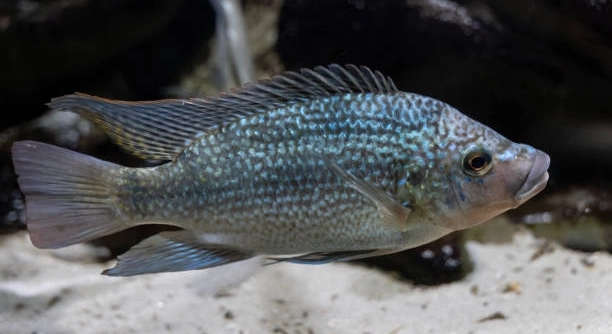
Convicts are small freshwater snails that often catch the attention of aquarium enthusiasts. They have a habit of hovering above surfaces instead of staying on the bottom. This behavior is interesting to watch and understand.
Convicts hover above the substrate primarily due to water conditions, oxygen levels, and feeding habits. By staying suspended, they can access more oxygen-rich water and find food particles more efficiently, reducing stress and promoting overall health.
Observing this behavior can help you maintain a healthier tank. Learning why they hover offers insights into their daily habits and needs.
Understanding Convict Snails’ Habitat Preferences
Convict snails naturally live in rivers and streams with moderate currents. In aquariums, they tend to hover when the substrate is uncomfortable or lacks sufficient nutrients. These snails are sensitive to water flow, oxygen levels, and available hiding spots. Smooth or compacted substrates may make it harder for them to move comfortably, so they stay slightly above the surface. They also respond to changes in water chemistry, including pH and temperature. Hovering allows them to find areas with better oxygenation and more accessible food. Light levels can influence their movement too, as they often prefer shaded areas. Observing these behaviors can help adjust tank conditions to suit their needs. By providing varied textures and proper water flow, you encourage natural activity. This simple adjustment can reduce stress, making snails more active and healthier. A well-maintained tank also supports other species living alongside them.
Providing soft substrate and proper hiding spots can reduce hovering significantly.
Snails are very adaptive, but small adjustments in tank setup can improve their comfort. Adding leaf litter or smooth rocks gives them surfaces to cling to and graze naturally. Regular water testing ensures oxygen levels stay optimal. Feeding them evenly distributed food prevents competition and keeps them from hovering excessively in search of meals. Observing their patterns helps predict when they might need adjustments. Even minor changes in temperature or light can influence activity. By understanding these needs, caretakers create a balanced environment that supports natural behavior. This simple care routine encourages snails to explore different areas of the tank, promoting healthier growth and more predictable behavior patterns. Over time, hovering may decrease as they settle into more comfortable conditions.
Feeding Behavior and Activity Patterns
Convict snails hover above substrate often when grazing for food.
Food availability drives much of their movement. These snails feed on algae, biofilm, and leftover fish food. When food settles unevenly on the substrate, they may rise slightly to reach floating particles. Frequent hovering indicates they are actively searching rather than resting. Maintaining consistent feeding schedules helps control this behavior. Observing how they move during feeding reveals which areas of the tank are most productive for them. Some snails prefer certain surfaces, like plant leaves or tank walls, which explains why they leave the bottom. Overfeeding or underfeeding can both influence their hovering. By distributing food carefully and adjusting portions, you reduce unnecessary activity and keep them healthier. Regularly cleaning the tank prevents excess debris from attracting them to unusual spots. Overall, understanding feeding patterns clarifies why convicts hover and helps maintain a balanced, active aquarium ecosystem.
Would you like me to continue with the next section on water quality and oxygen influence?
Water Quality and Oxygen Levels
Low oxygen levels in the tank often cause convict snails to hover. They move higher in the water column to access oxygen-rich areas.
Maintaining proper water quality is essential. Snails are sensitive to ammonia, nitrites, and nitrates, which can stress them. Poor filtration or infrequent water changes reduce oxygen availability, encouraging them to hover. Aeration devices or gentle water movement improve oxygen levels. Monitoring temperature is also important, as warmer water holds less oxygen. By keeping water clean and well-oxygenated, you support their natural behavior and reduce unnecessary stress, helping snails remain active and healthy without excessive hovering.
Hovering also occurs when water chemistry shifts. Sudden changes in pH or hardness can prompt snails to seek more comfortable zones. These adjustments help them stabilize until conditions normalize. Watching their patterns gives insight into overall tank health and whether water parameters need attention.
Interaction with Tank Mates
Aggressive or fast-moving tank mates can cause convicts to hover more frequently. They prefer calmer surroundings.
Tank mates influence snail behavior. Active fish that stir up substrate or chase snails may push them upward. Conversely, peaceful species allow snails to move naturally along surfaces. Balancing species in the tank ensures snails feel secure while foraging. Snails often adjust their activity based on other animals’ presence, including shrimp or bottom-dwellers.
Providing hiding spots like plants, rocks, and decorations reduces stress from tank mates. When snails have shelters, they feel safe and hover less. Observing how they interact with other species helps optimize tank layout. Proper spacing and calm companions create a more stable environment, encouraging natural grazing and climbing behaviors without frequent hovering. A carefully arranged habitat keeps convicts comfortable and active throughout the day.
Temperature and Light Influence
Temperature changes can make convict snails hover. Warmer water reduces oxygen, prompting them to move higher.
Bright light may also affect their position. Snails often seek shaded or dim areas, staying above substrate when lighting is too strong.
Reproduction and Social Behavior
Convict snails hover during mating or when caring for eggs. Males and females often rise slightly to find each other, while females may hover near surfaces to deposit eggs. This behavior helps ensure reproductive success. Social interaction, even among snails, influences movement and encourages them to explore different areas of the tank.
Substrate Texture and Comfort
Rough or hard substrate can lead to hovering. Snails prefer smooth, soft surfaces for movement and grazing.
FAQ
Why do convict snails hover instead of staying on the substrate?
Convict snails hover mostly to access better oxygen levels or find food. Substrate may be uncomfortable, too hard, or compacted, so they rise slightly. Hovering also helps them avoid stressful areas with aggressive tank mates or sudden changes in water chemistry.
Is hovering a sign of stress?
Not always, but it can indicate mild stress. Poor water quality, low oxygen, or overly bright lighting can make snails hover more than usual. Observing how often and when they hover helps determine if adjustments are needed. Small changes in tank setup often reduce unnecessary hovering.
How can I reduce hovering in my tank?
Providing soft substrate, hiding spots, and consistent feeding reduces hovering. Proper aeration, gentle water flow, and stable temperature improve comfort. Adjust lighting to create shaded areas. Ensuring calm tank mates also allows snails to graze naturally without feeling the need to rise.
Do water changes affect hovering behavior?
Yes. Sudden water changes can shift pH, hardness, or temperature, prompting snails to hover. Gradual adjustments during water changes minimize stress. Regular monitoring of water parameters keeps conditions stable, reducing excessive hovering and promoting healthier snail activity.
Does food placement influence hovering?
Absolutely. If food sinks unevenly, snails may hover to reach floating particles. Distributing food evenly along the substrate and surfaces allows snails to feed naturally without moving higher than necessary. Observing their feeding patterns helps determine the best placement.
Can tank mates cause more hovering?
Yes. Active or aggressive fish can disturb snails, encouraging them to stay off the substrate. Peaceful tank mates and adequate hiding spots allow snails to move and graze without feeling threatened. Balancing species in the tank is key for natural snail behavior.
Does temperature impact hovering?
Water temperature directly affects oxygen levels. Warmer water holds less oxygen, causing snails to move higher. Sudden temperature changes also prompt hovering until conditions stabilize. Keeping a consistent, appropriate temperature ensures snails stay comfortable and active.
Are convicts more active during certain times of day?
Snails often respond to light levels. They may hover more during bright daylight hours and move lower in dimmer conditions or at night. Adjusting lighting schedules and providing shaded areas helps mimic natural behavior patterns.
Do convicts hover when reproducing?
Yes. During mating or egg-laying, snails may hover slightly to interact with partners or find suitable surfaces. Hovering supports reproductive activity by helping snails reach optimal positions for egg deposition. Observing these patterns provides insight into social and reproductive behavior.
Can substrate type prevent hovering?
Soft, smooth substrates reduce hovering by providing comfortable surfaces for movement and grazing. Rough, hard, or compacted substrates encourage snails to rise above to avoid discomfort. Adding leaf litter or smooth rocks can make the tank more inviting.
Is hovering harmful to snails?
Hovering itself is not harmful. It’s a natural behavior used to access oxygen, food, or safety. Persistent hovering may indicate environmental issues that need attention, but occasional hovering is normal and part of their adaptive behavior.
How long do snails usually hover?
The duration varies depending on tank conditions, food availability, and stress levels. Some hover only briefly to graze or explore, while others remain suspended longer if oxygen is low or substrate is uncomfortable. Observing patterns helps identify when adjustments are necessary.
Can lighting changes reduce hovering?
Yes. Convict snails prefer dim or shaded areas. Bright light encourages them to move upward for cover. Using plants, decorations, or adjustable lighting can reduce hovering and allow snails to stay on surfaces comfortably.
Do all convict snails hover the same way?
Individual behavior varies. Some snails are more cautious and hover frequently, while others stay closer to surfaces. Differences depend on age, size, tank conditions, and social interactions. Observing each snail helps you understand their specific needs.
Does water flow affect hovering?
Strong currents can make snails lift off the substrate to avoid being pushed around. Gentle, controlled water flow helps them remain grounded while still maintaining oxygen circulation. Adjusting flow improves comfort and encourages natural grazing and movement.
Can hovering indicate illness?
Frequent hovering combined with inactivity, unusual shell appearance, or lack of feeding may indicate health issues. Most hovering is normal, but sudden behavioral changes should prompt a check of water quality and snail condition. Preventive care ensures long-term well-being.
Do snails hover in natural habitats?
Yes. In rivers and streams, convict snails often rise slightly to access food or oxygen. Aquarium behavior mimics natural patterns, so hovering is an adaptive response rather than a problem. Creating conditions similar to their natural habitat supports healthy activity.
Does tank size influence hovering?
Smaller tanks may cause more hovering due to limited space and disturbed substrate. Larger tanks with varied surfaces allow snails to explore and graze naturally, reducing the need to hover excessively.
Can algae growth affect hovering?
Yes. Areas with abundant algae attract snails, and if algae grows on walls or plants, they may hover to feed. Encouraging even algae growth on surfaces and substrate helps distribute feeding evenly.
Are juvenile snails more likely to hover?
Young snails are often more active and hover to explore, find food, or avoid competition. As they grow and adapt to the tank, hovering may decrease if conditions are comfortable and food is accessible.
Do snails prefer floating or sinking food?
They can eat both, but floating particles often cause more hovering. Sinking food encourages grazing along surfaces. Observing their preferences allows better feeding strategies to reduce unnecessary hovering.
How can I tell if hovering is excessive?
Excessive hovering happens when snails rarely touch surfaces, avoid grazing, or cluster at the top. It usually signals low oxygen, poor substrate, or stress. Monitoring water quality, feeding, and tank layout helps correct this behavior.
Does substrate cleaning influence hovering?
Frequent substrate cleaning can disturb snails, prompting them to hover temporarily. Gentle cleaning methods minimize stress and allow snails to return to normal grazing habits quickly.
Can adding plants reduce hovering?
Yes. Plants provide surfaces for grazing, shaded areas, and oxygenation. This reduces the need for snails to hover for comfort or feeding, supporting more natural movement throughout the tank.
Do convicts interact while hovering?
Yes. Hovering sometimes facilitates social interaction, especially during feeding or mating. Snails may cluster or follow one another while suspended, showing social behavior in addition to environmental responses.
Is hovering seasonal in aquariums?
While aquariums are controlled, temperature and light variations can mimic seasonal changes. Hovering may increase with warmer temperatures or higher light, reflecting natural seasonal activity patterns.
How does water hardness affect hovering?
Soft or very hard water can influence movement. Snails may hover to avoid uncomfortable surfaces or seek areas with preferable mineral levels. Stable, moderate water hardness promotes grounded, natural behavior.
Can decorations change hovering patterns?
Yes. Rocks, caves, and plants provide surfaces and hiding spots, encouraging snails to stay near them. Proper tank decoration reduces unnecessary hovering while supporting exploration and grazing.
Do snails ever hover for fun?
Not exactly for fun, but they explore and respond to environmental cues. Hovering can be a combination of feeding, seeking oxygen, and investigating the tank, which keeps them active and engaged naturally.
Does water flow direction matter?
Yes. Consistent, gentle flow reduces the need to hover. Turbulent or uneven currents push snails upward to maintain stability. Adjusting flow helps them stay on surfaces comfortably.
Are some species more prone to hovering?
Yes. Even within convict snails, individual personality, age, and size affect hovering frequency. Observing each snail allows tailored adjustments to tank conditions for comfort and health.
Can overfeeding cause hovering?
Yes. Excess food floating or unevenly distributed can prompt snails to hover to access it. Balanced feeding prevents prolonged hovering while maintaining healthy growth.
Does tank depth affect hovering?
Deeper tanks may encourage snails to hover if they feel unsafe at the bottom. Proper substrate, hiding spots, and gradual depth changes reduce stress and promote natural grazing behavior.
How do I know if hovering is temporary or a problem?
Temporary hovering is brief and linked to feeding, exploration, or minor changes. Persistent hovering combined with other stress signs signals a need to check water quality, substrate, or tank setup.
Can water movement devices help?
Aerators or gentle filters improve oxygenation and reduce hovering. Avoid strong currents that push snails upward. Proper device placement balances oxygen without causing stress or unnatural movement.
Do snails hover at night?
Some do, especially if light or temperature encourages activity. Hovering may decrease in darkness, with snails settling on surfaces for resting or grazing in calmer conditions.
Is hovering more common in small tanks?
Yes. Limited space and frequent disturbances make snails rise more. Larger tanks with varied surfaces allow natural grazing and reduce the need to hover excessively.
Can substrate type influence egg-laying?
Yes. Females prefer smooth surfaces slightly above the substrate to lay eggs safely. Providing suitable surfaces encourages reproduction without forcing constant hovering.
Does water temperature stability reduce hovering?
Stable temperatures maintain oxygen levels and comfort. Sudden shifts increase hovering. Monitoring heaters and room conditions helps create a consistent environment for snails.
Can I train snails to hover less?
Indirectly. Adjusting tank conditions—substrate, hiding spots, water quality, feeding, and gentle tank mates—reduces the need to hover. Observing patterns allows fine-tuning for natural, grounded behavior.
Does tank cleaning frequency matter?
Yes. Gentle, regular cleaning prevents buildup of waste or algae that may cause snails to hover. Avoid aggressive scraping or disturbing substrate, which temporarily increases hovering.
Do snails prefer certain surfaces to hover over?
Yes. Smooth rocks, plants, and glass are often favored. Hovering occurs when these surfaces are not accessible or substrate is uncomfortable. Providing multiple surfaces reduces excessive hovering.
Is hovering energy-intensive?
Not significantly, but prolonged hovering can indicate stress. Snails usually hover briefly and return to surfaces. Observing duration and frequency helps determine if adjustments are needed.
Can water aeration reduce hovering?
Yes. Proper aeration increases oxygen at all levels, reducing the need to hover. Devices should provide gentle circulation without creating strong currents.
Do juvenile and adult snails hover differently?
Juveniles hover more while exploring and feeding. Adults may hover during reproduction or when substrate is unsuitable. Behavior changes with age, tank comfort, and environmental stability.
How can I balance snail activity and hovering?
Provide soft substrate, plants, hiding spots, proper water quality, stable temperature, gentle water flow, balanced feeding, and calm tank mates. Observing their patterns and adjusting conditions encourages natural movement and reduces unnecessary hovering.
Are certain algae types more likely to cause hovering?
Yes. Floating algae or patches on plants and walls can attract snails to hover. Evenly distributed algae promotes grazing along surfaces and reduces time spent suspended.
Do snails hover more in newly established tanks?
Yes. Unstable conditions, soft biofilm, and unclear feeding areas can make snails hover more. As the tank matures and conditions stabilize, hovering often decreases naturally.
Can I measure oxygen levels to predict hovering?
Yes. Low dissolved oxygen correlates with increased hovering. Regular testing allows adjustments with aeration or water changes to maintain comfortable conditions.
Does water hardness affect grazing?
Yes. Soft or very hard water may encourage hovering to find optimal mineral areas. Stable, moderate hardness supports grounded grazing behavior.
Are there behavioral signs that hovering is normal?
Yes. Short periods to graze, explore, or reproduce indicate normal behavior. Hovering is usually brief and purposeful rather than constant and erratic.
Do snails respond to external vibrations?
Yes. Sudden movement or tapping may trigger temporary hovering. Calm handling and stable tank placement minimize stress-induced hovering.
Can seasonal lighting changes affect hovering?
Yes. Increased light simulates summer activity, encouraging hovering. Adjusting artificial lighting to mimic natural cycles helps balance activity patterns.
Does tank water volume influence hovering?
Smaller volumes can reduce oxygen availability and increase disturbance, prompting hovering. Larger tanks provide more space, surfaces, and stable conditions to reduce unnecessary movement.
Do snails prefer specific surfaces to hover above?
Yes. Glass, plants, and smooth rocks are preferred. Hovering occurs when these are limited or substrate is uncomfortable. Variety in surfaces encourages natural movement and reduces stress.
Can uneven feeding schedules increase hovering?
Yes. Inconsistent food prompts snails to search higher in the tank. Regular, even feeding promotes grounded grazing and reduces hovering.
Is hovering more common in crowded tanks?
Yes. Competition for space and food encourages snails to hover to avoid disturbance. Adequate hiding spots and spacing reduce excessive activity.
Does water clarity affect hovering?
Yes. Murky water may lead snails to hover to explore or find food. Clear water with stable conditions encourages grounded grazing.
Are there seasonal patterns in hovering?
Even in controlled tanks, light and temperature changes can simulate seasons. Snails may hover more in warmer, brighter conditions, reflecting natural patterns.
Do snails hover more during feeding?
Yes. They rise to reach floating particles or explore food-covered surfaces. Even distribution and proper portions reduce unnecessary hovering.
Can hovering indicate substrate problems?
Yes. Hard, rough, or compacted substrate encourages hovering. Soft, varied surfaces reduce stress and allow snails to stay grounded.
Do certain tank decorations reduce hovering?
Yes. Plants, rocks, and caves provide surfaces, shade, and comfort. Proper placement encourages natural grazing and reduces unnecessary hovering.
Does water movement affect egg-laying?
Yes. Gentle flow supports safe hovering for egg deposition, while strong currents can discourage females from laying eggs.
Can tank temperature fluctuations cause hovering at night?
Yes. Sudden drops or rises may prompt temporary hovering. Stable, controlled temperature ensures snails remain comfortable.
Does substrate depth influence hovering?
Shallow or uneven substrate may encourage snails to hover. Adequate depth with soft surfaces promotes grounded behavior and grazing comfort.
Can floating decorations change hovering patterns?
Yes. Floating plants or structures provide surfaces to cling to, allowing snails to hover purposefully rather than stressfully.
Is hovering more common in young tanks?
Yes. Unstable biofilm, unclear feeding areas, and frequent adjustments cause increased hovering. As conditions stabilize, hovering usually decreases.
Do snails hover differently when reproducing?
Yes. Mating or egg-laying often requires hovering above surfaces for optimal positioning. Behavior is temporary and purposeful during reproduction.
Can water aeration prevent excessive hovering?
Yes. Proper aeration ensures oxygen availability throughout the tank, reducing the need to hover in search of oxygen-rich areas.
Do snails respond to temperature changes by hovering immediately?
Yes. Sudden shifts in temperature may prompt snails to rise until conditions stabilize. Maintaining a consistent environment minimizes stress and unnecessary movement.
Can substrate type influence feeding-related hovering?
Yes. Smooth, nutrient-rich substrate encourages grazing on surfaces. Rough or compacted substrate may cause snails to hover to access food more easily.
Does tank size affect social hovering?
Yes. Smaller tanks increase interactions and potential stress, prompting more hovering. Larger tanks allow natural spacing and reduce unnecessary movement.
Are convicts more likely to hover in tanks with strong currents?
Yes. Strong water movement pushes snails off the substrate. Gentle, controlled flow helps them remain grounded while maintaining oxygen circulation.
Do juvenile snails hover more than adults?
Yes. Young snails explore, search for food, and avoid competition. Adults hover mainly during reproduction or in response to stress.
Can substrate enrichment reduce hovering?
Yes. Adding soft, smooth surfaces, leaf litter, and plants provides comfort and encourages grounded grazing, reducing unnecessary hovering.
Does hovering indicate overall tank health?
Yes. Persistent or unusual hovering can signal low oxygen, poor water quality, or stress. Observing patterns helps detect issues and maintain a stable environment.
Do snails hover to avoid competition?
Yes. Hovering allows them to find food or safer zones away from other snails or tank mates. Proper feeding and spacing reduce this behavior.
Can hovering be a normal exploratory behavior?
Yes. Brief hovering is often exploration or feeding-related and reflects natural snail behavior rather than stress or health issues.
How can I encourage natural hovering without stress?
Provide soft substrate, plants, hiding spots, stable water, gentle flow, balanced feeding, and calm tank mates. Observing patterns allows fine-tuning for comfort and natural activity.
Does hovering differ between male and female snails?
Yes. Females may hover more during egg-laying, while males may hover to locate mates. Behavior depends on reproductive activity and tank conditions.
Can lighting placement reduce hovering?
Yes. Adjusting brightness and providing shaded areas allows snails to stay grounded while accessing food and oxygen comfortably.
Does hovering interfere with reproduction?
No. Hovering often supports mating and egg-laying by allowing snails to access optimal surfaces and positions.
Do snails hover differently in planted vs. bare tanks?
Yes. Planted tanks provide surfaces and shade, reducing stress-related hovering. Bare tanks may encourage more hovering to find comfort and food.
Can water chemistry stability reduce hovering?
Yes. Stable pH, hardness, and temperature reduce stress, allowing snails to remain grounded and feed naturally.
Does substrate cleanliness influence hovering?
Yes. Uneven or dirty substrate encourages snails to hover. Regular, gentle cleaning maintains comfortable surfaces for grazing.
Do snails hover more when new to a tank?
Yes. Exploration, unfamiliar surfaces, and unstable water conditions prompt increased hovering. Over time, behavior stabilizes as snails adjust.
Can hovering indicate feeding issues?
Yes. If food is uneven or floating, snails hover to reach it. Balanced feeding reduces unnecessary movement.
Does hovering differ in deep vs. shallow tanks?
Yes. Shallow tanks may limit oxygen and increase disturbances, prompting hovering. Deeper tanks with varied surfaces allow natural movement and reduced hovering.
Can tank vibrations increase hovering?
Yes. Sudden taps or vibrations cause temporary hovering as snails seek safety. Stable placement minimizes this behavior.
Does algae placement affect hovering?
Yes. Floating algae or algae on walls encourages snails to rise. Even distribution promotes grazing along surfaces.
Do snails hover more in crowded tanks?
Yes. Limited space and competition prompt hovering to access food or safer zones. Proper spacing and hiding spots reduce stress.
Can substrate type affect reproductive hovering?
Yes. Smooth surfaces slightly above substrate are preferred for egg-laying, influencing hovering patterns during
Final Thoughts
Convict snails are small but fascinating creatures in aquariums. Their habit of hovering above the substrate is a natural behavior influenced by many factors. Water quality, oxygen levels, and temperature all play a role in how they move around. When the substrate is uncomfortable or hard, snails rise slightly to find more comfortable surfaces. They also hover to reach food that is floating or settled in hard-to-reach areas. Watching their movements can help you understand their needs better and improve their overall health. Small changes in the tank environment often make a big difference in reducing unnecessary hovering and encouraging natural behavior.
Tank mates and lighting also affect convict snails’ behavior. Active or aggressive fish may disturb them, prompting them to hover more often to stay safe. Bright lighting can make snails seek shaded areas above the substrate, while dimmer light encourages them to graze naturally. Adding plants, decorations, or soft surfaces provides comfort and reduces stress. These adjustments allow snails to move naturally, explore the tank, and feed without excessive hovering. Understanding their social behavior is also important, as they sometimes hover during mating or when interacting with other snails. Observing these patterns helps ensure a balanced environment for all tank inhabitants.
Feeding habits and reproduction also influence hovering. Uneven food distribution or floating particles can make snails rise to reach what they need. Regular feeding and proper placement reduce unnecessary movement. Female snails may hover near surfaces to lay eggs safely, while males hover to locate mates. Even juvenile snails hover more as they explore and adjust to their surroundings. By paying attention to water quality, substrate comfort, lighting, and food placement, caretakers can create a tank environment that encourages natural movement and reduces stress. Hovering is often a sign of adaptation rather than a problem, and with careful observation and small adjustments, snails remain healthy, active, and comfortable in their habitat.

Hello,
If you enjoy the content that we create, please consider saying a "Thank You!" by leaving a tip.
Every little bit helps us continue crafting quality advice that supports the health, happiness, and well-being of pets around the world, for pets of all shapes, sizes, and species.
We really appreciate the kindness and support that you show us!