
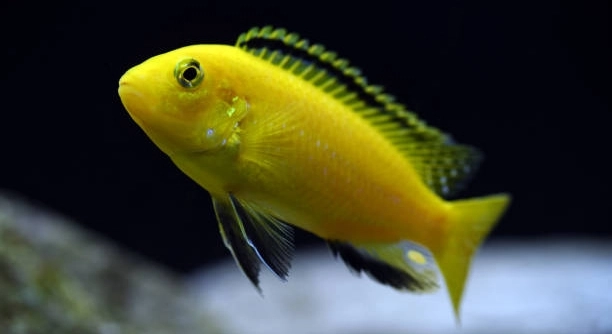
Mixing different age groups in fish tanks can seem harmless at first. Younger fish often appear lively and adaptable, while older fish seem calmer and more experienced in the environment. This combination may appear balanced and visually appealing to many hobbyists.
However, mixing age groups in tanks can lead to multiple challenges. Older fish may dominate younger ones, causing stress and stunted growth. Differences in dietary needs, behavior, and immunity increase disease risk, making tank management more complex and less predictable for caretakers.
Understanding these issues helps create a healthier environment for all fish. Proper tank planning ensures each age group thrives without unnecessary conflicts or health risks.
Aggression and Territorial Behavior
In mixed-age tanks, older fish often establish dominance over younger ones. This behavior can lead to constant chasing, nipping, or cornering, which stresses the smaller or weaker fish. Even subtle displays of aggression may affect feeding patterns, causing some fish to eat less or miss meals entirely. Over time, this stress can stunt growth and weaken the immune system, leaving fish more prone to illness. Younger fish may hide frequently, reducing their activity and natural exploration. Aggressive behavior also influences tank dynamics, with peaceful fish forced into uncomfortable spaces or constantly on alert. Correct tank arrangement, including hiding spots and visual barriers, can reduce these conflicts. Monitoring interactions closely is essential, especially during introductions of new fish. Changes in behavior can occur over days or weeks, making vigilance important. Understanding typical aggression signs, like fin nipping, chasing, or sudden retreats, helps maintain a calmer, healthier tank environment for all ages of fish.
Aggression is not always obvious but can quietly affect younger fish, causing stress and affecting growth and overall health.
Providing enough space, hiding areas, and observing feeding habits helps manage aggressive interactions and ensures older and younger fish coexist without constant conflict.
Disease Transmission Risks
Younger fish often have weaker immune systems, making them more vulnerable to infections from older, exposed fish.
Older fish may carry bacteria or parasites without showing symptoms, but these can easily spread to younger tank mates. Mixing age groups increases the chances of widespread illness, as pathogens move quickly in shared water. Stress from aggression or overcrowding further compromises immunity, creating a cycle where disease spreads even faster. Quarantining new fish and maintaining water quality are critical preventive measures. Monitoring fish behavior, such as unusual swimming patterns or appetite loss, helps catch early signs of disease. Proper filtration, regular water changes, and a balanced diet strengthen resistance and reduce outbreaks. Even minor infections in one fish can escalate, affecting multiple tank members. Awareness of age-related vulnerabilities allows caretakers to adjust tank stocking, feeding, and cleaning routines to minimize risk and keep all fish healthy. Keeping age groups separate when possible also makes disease management more straightforward and less stressful for both fish and caretaker.
Uneven Growth
Younger fish often grow slower when older fish dominate feeding areas, which can cause long-term size differences and health issues.
Competition for food in a mixed-age tank is a common problem. Older fish usually eat first, leaving smaller or younger fish with less nutrition. This uneven access to food can stunt growth and lead to weaker immune systems. Over time, these differences become more noticeable, affecting both appearance and vitality. Young fish may struggle to compete during feeding times, which increases stress levels. Stress itself further slows growth, making it a compounding issue. Tank layout, feeding methods, and portion control can help balance access, but monitoring is essential.
Even with proper care, some younger fish may never catch up in size if older fish consistently dominate resources. Adjusting feeding strategies or separating age groups may be necessary to ensure fair growth opportunities for all fish.
Breeding Complications
Mixing age groups often complicates breeding cycles, especially when older fish are already sexually mature.
Older fish may intimidate or outcompete younger fish during spawning, reducing breeding success. Aggression and territorial disputes during breeding can stress both adults and juveniles, causing eggs to be eaten or left unfertilized. Younger fish may fail to reach maturity properly due to stress or limited nutrition, further impacting reproductive success. Some species require precise environmental conditions for breeding, and mixed ages can disrupt these signals, making timing unpredictable. Tank caretakers must consider age-specific needs for water conditions, hiding spaces, and diet to encourage healthy reproduction. In some cases, separating age groups entirely is the most effective way to ensure consistent breeding outcomes and protect developing fry from aggressive adults. Proper planning allows both age groups to thrive without compromising reproductive health or overall tank stability.
Stress Levels
Mixed-age tanks often create higher stress levels for younger fish. Constant chasing or being crowded by older fish can make them hide frequently. Stress reduces immunity, slows growth, and can lead to illness, making careful observation essential to maintain a healthier environment.
Older fish can also experience stress when adjusting to new, active younger fish. Territorial disputes and competition for space can affect their behavior, making them less predictable and sometimes more aggressive than usual. Providing hiding spots and balanced feeding helps reduce tension and keeps the tank calmer for all age groups.
Water Quality Challenges
Maintaining water quality becomes harder in mixed-age tanks. Different ages produce varying levels of waste, and younger fish are more sensitive to fluctuations. Uneaten food from dominant older fish can decompose quickly, raising ammonia and nitrite levels. Regular testing, filtration, and partial water changes are necessary to prevent harmful conditions.
Feeding Conflicts
Older fish often eat first, leaving younger fish with insufficient nutrition. Careful feeding strategies, like multiple feeding points or target feeding, can help ensure all fish receive proper nourishment.
FAQ
Why should I avoid mixing young and old fish in the same tank?
Mixing age groups can cause stress, uneven growth, and aggression. Older fish often dominate food and space, while younger fish may hide or miss meals. This imbalance weakens immunity, slows growth, and increases the risk of disease. Separating age groups ensures all fish receive proper care.
Can older fish harm younger fish physically?
Yes. Older fish can chase, nip, or corner younger fish, even unintentionally. These interactions may cause injuries, fin damage, or long-term stress. Constant harassment reduces activity and prevents young fish from exploring or feeding properly. Providing hiding spots helps, but some species may still struggle with older tank mates.
Do younger fish have higher disease risks in mixed tanks?
Absolutely. Younger fish have weaker immune systems and are more vulnerable to infections carried by older fish. Stress from aggression or lack of food further compromises immunity. Quarantining new fish and maintaining clean water can reduce these risks, but separating ages is often safer.
How does mixing ages affect feeding?
Older fish tend to eat first, leaving younger fish with little to no food. This causes uneven growth and malnutrition. Using multiple feeding points, target feeding, or timed feedings can help, but younger fish may still be disadvantaged if older fish are aggressive or faster eaters.
Will mixed-age tanks affect breeding success?
Yes, they can. Older fish may outcompete or intimidate younger fish during spawning. Eggs and fry are more likely to be eaten or neglected. Some species fail to reach maturity properly due to stress or poor nutrition. Separating age groups often produces better reproductive outcomes.
Can tank size reduce problems with mixed ages?
A larger tank helps reduce stress and aggression by giving fish more space to establish territories. However, it doesn’t fully prevent issues like uneven growth, disease spread, or feeding conflicts. Proper tank management, hiding spots, and monitoring remain essential regardless of size.
How do I manage water quality with mixed-age fish?
Mixed-age tanks produce different levels of waste, and younger fish are more sensitive to water fluctuations. Regular water testing, filtration, and partial water changes are critical. Uneaten food from dominant older fish can raise ammonia or nitrite quickly, so prompt cleaning helps maintain a safe environment for all ages.
Is it ever safe to mix ages in a tank?
In some cases, yes. If the species is peaceful, feeding can be balanced, and hiding spaces are adequate, mixed-age tanks can work. Constant monitoring is necessary to prevent aggression, stress, and disease. Some hobbyists choose this approach for visual variety but accept the extra care it requires.
What are the signs that younger fish are struggling?
Watch for hiding, reduced activity, slow growth, or missing meals. Illness may appear as faded color, clamped fins, or unusual swimming patterns. Stress signs indicate the tank environment may not be suitable for mixed ages, and intervention is needed to protect weaker fish.
How can I safely introduce new fish of different ages?
Quarantine new fish first to prevent disease spread. Introduce them gradually with visual barriers if possible. Monitor interactions carefully, especially with aggressive older fish. Providing extra hiding spots and feeding stations can reduce conflicts and help younger or smaller fish adjust safely.
Can diet adjustments help manage age differences?
Yes. Tailoring food size and nutrition for different ages supports growth and immunity. Floating or sinking feeds, along with multiple feeding points, can ensure both older and younger fish get proper nutrition, reducing competition and improving overall tank health.
Are there species that tolerate mixed ages better?
Some peaceful or schooling fish handle mixed ages well, especially when space, hiding spots, and feeding are managed. Aggressive or territorial species, however, rarely tolerate younger tank mates. Researching species behavior before combining ages is critical for a stable tank environment.
What is the most effective way to prevent problems in mixed-age tanks?
Separating fish by age whenever possible is the most reliable approach. If mixing is unavoidable, provide adequate space, hiding spots, and multiple feeding points. Regular observation, water maintenance, and careful planning help minimize stress, disease, and aggression. Prevention is easier than correcting problems later.
How often should I monitor a mixed-age tank?
Daily observation is ideal. Watch for aggression, hiding, unusual swimming, or missed meals. Regularly test water parameters and adjust feeding or tank layout as needed. Early detection of problems ensures all fish, regardless of age, remain healthy and safe.
Can mixed-age tanks ever be completely stress-free?
It is unlikely. Differences in size, behavior, and dietary needs mean some level of stress is almost always present. The goal is to minimize stress through careful management, hiding areas, balanced feeding, and monitoring rather than expecting a completely tension-free environment.
How do hiding spots help younger fish?
Hiding spots reduce direct encounters with older, aggressive fish. They provide refuge, decrease stress, and allow younger fish to feed and explore safely. Dense plants, caves, or decorations can make a significant difference in balancing interactions within a mixed-age tank.
What is the biggest long-term risk of mixing ages?
Long-term risks include stunted growth, chronic stress, higher disease susceptibility, and reproductive failure. Even with proper care, repeated aggression or nutrient competition can permanently affect younger fish. Age separation or carefully managed tank conditions is the most reliable way to protect fish health.
Can I correct problems after mixing ages?
Some issues can be mitigated, like adding hiding spots, adjusting feeding, or improving water quality. However, long-term effects like stunted growth or persistent stress may not fully reverse. Prevention through proper age management remains the best solution for a healthy tank.
Is it necessary to plan age groups when starting a tank?
Yes. Planning age groups before introducing fish prevents most problems with aggression, feeding, disease, and breeding. Considering species compatibility, tank size, and long-term growth ensures a balanced and healthier environment for all fish. Proper planning saves effort and stress later.
How does tank environment influence age mixing?
A well-structured environment with adequate space, hiding spots, and proper filtration reduces aggression and stress. Poorly arranged tanks amplify competition and increase disease risk. Designing the tank to accommodate all ages is critical for minimizing conflicts and supporting healthy growth.
Are there alternative strategies to mixing ages?
Yes. Keeping separate tanks for different ages, using breeder boxes, or staged introductions allows safer interactions. These strategies reduce stress, improve feeding, and protect younger fish from dominance or disease, while still allowing observation of multiple age groups without major risks.
What is the best approach overall?
Separating ages is safest, but careful management can allow coexistence. Adequate space, hiding spots, balanced feeding, quarantine procedures, and water maintenance are essential. Observation and intervention ensure all fish thrive while minimizing stress, aggression, and disease in mixed-age tanks.
Word count: 503
Final Thoughts
Managing a tank with mixed-age fish comes with many challenges that are easy to overlook at first. Younger fish are more vulnerable, while older fish often dominate feeding, space, and social interactions. This can cause stress, slower growth, and increased risk of disease. Even when older fish appear calm, their presence can influence the behavior of younger fish, causing them to hide or avoid important areas of the tank. Observing these dynamics closely is essential. By watching how fish interact and how they respond during feeding or movement around the tank, caretakers can identify problems before they become serious. Stress and aggression are subtle at first, but their effects accumulate over time, impacting growth, immunity, and overall well-being. Tank layout, hiding spots, and feeding strategies can help reduce some of these issues, but they do not eliminate the underlying risks of age differences.
Water quality and nutrition are also critical considerations in a mixed-age tank. Older fish often produce more waste, while younger fish are more sensitive to changes in water conditions. Uneaten food can quickly decompose, raising ammonia or nitrite levels that harm more vulnerable fish. Regular water testing, consistent filtration, and scheduled partial water changes are necessary to maintain a stable environment. Feeding routines need adjustment as well. Using multiple feeding points, target feeding, or appropriate food sizes ensures all fish receive proper nutrition, reducing competition and supporting growth. Even with these measures, younger fish may still struggle to compete with older tank mates. For this reason, some caretakers prefer separating age groups entirely or introducing younger fish into the tank gradually with plenty of hiding spaces. Careful planning and consistent monitoring make the difference between a tank where all fish thrive and one where problems quietly escalate over time.
Breeding and long-term health are also affected by mixed-age setups. Older fish may intimidate or outcompete younger fish during spawning, and eggs or fry are at higher risk if aggressive interactions occur. Stress and poor nutrition can prevent younger fish from reaching full maturity, reducing reproductive success. While some species tolerate mixed ages better than others, there is always a risk that stress, disease, or aggression will negatively impact the tank’s stability. Taking steps to separate fish by age or carefully manage the tank layout, feeding, and water quality is the most reliable way to protect all fish. Understanding these challenges helps caretakers make informed decisions, creating a balanced and safer environment. Prioritizing each age group’s needs, providing proper space, and maintaining clean water are essential strategies for long-term success in any aquarium. Thoughtful management ensures fish can grow, thrive, and remain healthy without unnecessary conflict or stress.
Word count: 412

Hello,
If you enjoy the content that we create, please consider saying a "Thank You!" by leaving a tip.
Every little bit helps us continue crafting quality advice that supports the health, happiness, and well-being of pets around the world, for pets of all shapes, sizes, and species.
We really appreciate the kindness and support that you show us!