
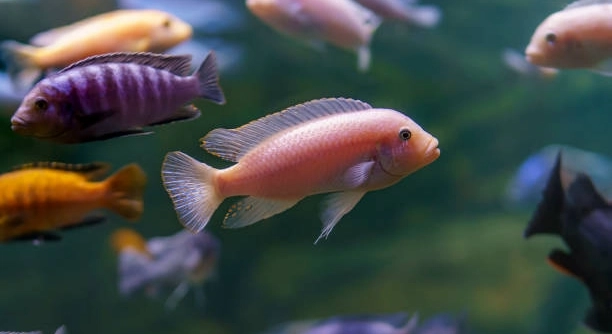
Peaceful tanks are often seen as calm and safe spaces, yet injuries can still occur. Understanding the underlying causes helps owners maintain a secure environment. Even minor incidents can affect the wellbeing of the aquatic inhabitants.
Injuries in peaceful tanks commonly result from improper tank setup, aggressive or incompatible tank mates, sharp decorations, sudden changes in water conditions, inadequate space, poor nutrition, and handling errors. Recognizing these factors is crucial for preventing harm to the fish.
Knowing the causes of injuries allows for proactive steps. Ensuring safety can protect the fish and maintain the tank’s tranquility for years.
Sharp Decorations in the Tank
Sharp decorations like rocks, artificial plants, or ornaments can easily injure fish if placed without care. Fish often swim quickly or hide among objects, and pointed edges can tear fins or scales. Even small nicks can lead to infections if left untreated. It is important to inspect decorations before placing them in the tank and ensure they are smooth and safe. Avoid cheap or brittle ornaments that may break into jagged pieces over time. Rounded stones and soft artificial plants are better alternatives. Regularly checking the tank for damaged items also helps reduce risk. A well-thought-out tank setup not only looks appealing but keeps fish safe. Observing how fish interact with decorations allows adjustments to prevent future accidents. Simple changes in layout can make a big difference. Prioritizing smooth surfaces and safe hiding spots creates a healthier environment for peaceful fish.
Careful placement of tank items prevents injuries. Simple, safe choices protect fish from avoidable harm.
Even with precautions, accidents can still occur. Fish may dart suddenly or get caught in narrow spaces. Monitoring behavior helps identify problem areas early. Adjusting decoration positions or removing risky items keeps fish safe. Regular maintenance, including inspecting objects and ensuring no sharp fragments exist, reduces injuries. Choosing flexible, non-toxic plants or soft ornaments also limits damage. Observing how fish interact with the environment can reveal hazards unnoticed at first. Small changes, like rounding edges or removing broken parts, make the tank safer. Over time, consistent attention creates a space where fish can explore without injury. Safety and aesthetics can coexist when thought is given to every decoration.
Aggressive or Incompatible Tank Mates
Even in peaceful tanks, some fish can show aggression.
Aggression arises when species have conflicting temperaments, sizes, or territorial instincts. Adding fish without researching compatibility may lead to chasing, nipping, or stress-induced injuries. Proper pairing and observation prevent conflicts. Quieter, similarly sized species tend to coexist better, reducing the risk of wounds and improving overall tank harmony.
Observing interactions during the first few weeks is essential. Early signs of aggression, like chasing or fin biting, should prompt separating fish or rearranging the tank. Providing ample space, hiding spots, and visual barriers helps reduce tension among inhabitants. Overcrowding increases stress and the likelihood of fights, so maintaining appropriate stocking levels is critical. Environmental enrichment, like plants or decorations, allows fish to establish territories without constant conflict. Choosing species known for calm behavior ensures less stress for all fish. Occasionally, aggression may arise due to hormonal changes or illness, which also requires attention. Careful selection, monitoring, and environmental management create a balanced and safe community.
Sudden Changes in Water Conditions
Sudden shifts in temperature, pH, or hardness can stress fish and lead to injuries. Rapid changes weaken their immune systems, making them more prone to infections and fin damage. Maintaining stable water conditions is essential for their safety and overall health.
Frequent water testing helps catch fluctuations before they cause harm. Using a reliable thermometer and pH kit ensures accurate monitoring. Gradual water changes reduce stress and allow fish to adjust without injury. Sudden drops in temperature or spikes in ammonia can shock fish, causing frantic swimming and collisions with tank objects. Even minor variations, if repeated, can accumulate, leading to weakened fins or scrapes. Consistency is key. Keeping water chemistry stable protects both health and peace in the tank environment.
Acclimating new fish properly prevents sudden stress from different water conditions. Slowly adjusting them to the tank water over hours or days reduces shock. Using drip acclimation or temperature-matched water helps them adapt safely. Avoid adding untreated tap water or making large changes at once. Monitoring behavior during and after acclimation is important, as lethargy or erratic swimming can indicate stress. Maintaining stable conditions, along with regular testing, creates a safe environment that minimizes injuries caused by sudden environmental shifts. Consistency and patience are essential for long-term fish wellbeing.
Inadequate Space
Limited swimming area increases stress and leads to collisions. Crowded tanks make fish more likely to injure themselves on decorations or each other. Proper tank size reduces these risks.
Overcrowding forces fish into tight spaces, limiting natural movement and territory. When fish cannot establish personal areas, they may become stressed or aggressive, leading to chasing, nipping, or accidental bumps. Each species has a minimum recommended tank size, and exceeding the number of inhabitants quickly creates unsafe conditions. Open swimming areas and thoughtful placement of hiding spots help fish navigate freely and reduce injuries. Larger tanks allow natural behaviors, making them safer and more comfortable. Planning space carefully prevents unnecessary accidents.
Providing sufficient space also helps maintain water quality, as overcrowding increases waste accumulation and can cause sudden chemical spikes. Tanks with proper volume allow for better oxygenation and reduce stress-related injuries. Fish can establish territories, swim naturally, and interact without constant contact that might lead to fin damage or bruising. Adequate spacing also simplifies maintenance, making water changes and cleaning safer for both fish and owner. Observing fish movement in the tank can reveal if adjustments are needed, ensuring a balanced environment that supports health and reduces injuries over time.
Poor Nutrition
A lack of balanced nutrition weakens fish and makes them more prone to injuries. Deficiencies in vitamins or protein can slow healing and reduce fin strength, increasing the likelihood of tears or infections.
Feeding a varied diet with high-quality flakes, pellets, and occasional live or frozen foods supports strong health.
Handling Errors
Rough or frequent handling can stress fish and cause physical injuries. Improper netting or sudden grabs may tear fins or scales. Always handle fish gently and only when necessary. Using soft nets and minimizing direct contact reduces harm. Proper handling protects their delicate bodies and prevents lasting damage.
Infections and Disease
Infections and disease often appear after minor injuries or stress. Bacterial, fungal, or parasitic infections can worsen small scrapes, causing fin rot or sores. Maintaining clean water, isolating sick fish, and treating promptly prevents the spread. Regular observation helps catch early signs before severe damage occurs.
Incompatible Equipment
Sharp filters, heaters, or other equipment can injure fish if poorly placed. Ensure all devices are covered or safely positioned to avoid contact. Proper equipment setup prevents accidents and keeps fish swimming safely throughout the tank.
FAQ
What are the most common injuries in peaceful tanks?
The most frequent injuries include torn fins, scrapes on scales, bruising, and minor infections. These usually happen from sharp decorations, aggressive tank mates, or collisions caused by sudden movements. Even small cuts can lead to bacterial or fungal infections if water conditions are poor.
How can I prevent my fish from getting hurt on decorations?
Inspect all tank decorations before placing them inside. Avoid sharp edges, brittle plastic, or broken ornaments. Smooth stones, soft artificial plants, and rounded decorations reduce the risk. Rearranging objects to create open swimming areas and hiding spots also prevents collisions. Regular checks ensure no damage develops over time.
Are certain fish more prone to injuries than others?
Yes, fish with long fins, slow swimming speeds, or delicate scales are more vulnerable. Species like angelfish or bettas can tear fins easily. Aggressive or territorial fish may also provoke fights, resulting in wounds. Understanding each species’ behavior helps reduce injuries in a community tank.
How often should I test water to prevent stress-related injuries?
Frequent testing is essential. Temperature, pH, ammonia, nitrite, and nitrate levels should be monitored weekly at minimum. Sudden spikes or drops can cause panic, frantic swimming, or collisions with objects, leading to injuries. Using reliable testing kits and maintaining consistent conditions is critical.
What should I do if a fish gets injured?
Isolate the injured fish if possible to prevent worsening injuries and spread of infection. Clean the tank and maintain optimal water conditions. Apply appropriate treatments for bacterial, fungal, or parasitic infections. Observing the fish closely over several days ensures proper recovery and prevents additional harm.
Can overcrowding cause injuries even in peaceful tanks?
Yes, overcrowding increases stress and forces fish into tight spaces. Limited movement often leads to collisions or accidental nipping. Overcrowded tanks also worsen water quality, making fish more susceptible to disease and injuries. Following species-specific stocking guidelines helps prevent these problems.
Is diet important for injury prevention?
Absolutely. A balanced diet strengthens fins, scales, and immune systems. Protein-rich foods, vitamins, and occasional live or frozen treats improve healing and overall resilience. Malnutrition can delay recovery and make even minor scratches more serious over time.
How can I safely introduce new fish to the tank?
Acclimate new fish slowly using drip acclimation or temperature-matched water. Gradually mixing tank water allows them to adjust to pH and temperature without shock. Avoid sudden additions, as stress can cause frantic swimming, collisions, and injuries. Observing behavior during the first week ensures a smooth transition.
Can equipment in the tank injure fish?
Yes, heaters, filters, or air stones with exposed parts can cause cuts or bruises. Cover sharp edges, position devices carefully, and check for loose pieces. Proper placement ensures fish can swim safely around the tank without accidental contact.
How do I know if injuries are caused by disease or physical accidents?
Physical injuries often appear as fresh scrapes, torn fins, or bruising, usually near decorations or after aggressive interactions. Disease-related injuries may show redness, white edges, or fuzzy growths. Monitoring behavior, inspecting the tank, and maintaining water quality helps identify the cause and prevent recurrence.
Can stress alone cause injuries in peaceful tanks?
Yes, stress weakens fish, making them more prone to accidents and slower to heal. Causes include overcrowding, incompatible tank mates, sudden water changes, or aggressive behavior. Reducing stress through proper space, stable conditions, and peaceful companions minimizes injury risk.
Are hiding spots necessary even in peaceful tanks?
Hiding spots help fish feel secure and reduce accidental collisions. Even peaceful fish benefit from plants, caves, or decorations that create safe retreats. Providing multiple hiding areas prevents stress, reduces injuries, and allows natural behaviors without conflict.
How long does it take for minor injuries to heal?
Small scrapes or fin tears can start healing within a few days if water quality is good and fish are not stressed. Complete healing may take one to three weeks depending on severity and species. Proper nutrition and a safe environment accelerate recovery.
Should I separate aggressive fish immediately?
Yes, aggressive behavior can escalate quickly, causing repeated injuries. Separating or rearranging tank mates immediately prevents damage and stress. Sometimes creating visual barriers or more hiding spots is enough, but persistent aggression requires permanent separation.
Is there a way to monitor fish behavior for early injury signs?
Observing daily swimming patterns, fin condition, and interactions is key. Hesitation, rapid darting, hiding, or fin clamping can indicate stress or injury. Early detection allows corrective actions like adjusting tank layout, water conditions, or separating fish before serious harm occurs.
Can temperature fluctuations alone injure fish?
Yes, rapid drops or rises in temperature can shock fish, causing frantic swimming or collisions. Even slight fluctuations over time weaken immune systems, making minor scrapes more likely to get infected. Maintaining stable temperature protects fish from stress-related injuries.
Do fish heal better in quarantine tanks?
Yes, isolating injured fish in a quarantine tank reduces stress, prevents bullying, and allows targeted treatment. Clean, stable conditions in quarantine accelerate healing and lower the chance of secondary infections. Observing recovery is easier without interference from other fish.
How important is water flow in preventing injuries?
Moderate water flow prevents fish from being pushed into decorations or walls. Too strong a current can exhaust weaker swimmers, causing crashes and scrapes. Adjusting pumps or filters for species-specific needs ensures a safe swimming environment.
Can tank size influence injury rates?
Absolutely. Larger tanks reduce collisions, allow territorial behavior, and prevent overcrowding stress. Small tanks restrict movement and increase the likelihood of accidents or fin damage. Choosing appropriate tank size for species and number of fish is essential.
What long-term steps reduce injuries in peaceful tanks?
Regular water testing, careful selection of species and decorations, balanced diet, adequate space, proper handling, and observation all contribute to safer, healthier fish. Addressing minor issues quickly prevents complications and maintains a calm, secure tank environment for the long term.
Final Thoughts
Creating a peaceful tank may seem simple, but keeping fish safe requires careful attention to multiple factors. Even minor mistakes can lead to injuries, stress, or illness. Observing fish behavior, checking water conditions, and maintaining equipment are all necessary to prevent harm. Each species has unique needs, and understanding those needs is crucial for long-term health. Decorations should be chosen with safety in mind, avoiding sharp edges or brittle materials that can tear fins or scales. Providing adequate swimming space and hiding spots allows fish to move naturally while minimizing collisions. Even small adjustments in tank layout can reduce stress and prevent injuries, creating a more stable and calm environment for all inhabitants. Regular inspection of decorations, equipment, and fish ensures that potential hazards are addressed before they escalate.
Nutrition also plays a significant role in maintaining healthy fish and preventing injuries. A balanced diet strengthens fins, scales, and immune systems, allowing fish to recover quickly from minor scrapes. Poor nutrition or inconsistent feeding can make injuries worse and slow healing. Combining high-quality flakes or pellets with occasional frozen or live foods provides essential proteins and vitamins. Stress from overcrowding, incompatible tank mates, or sudden environmental changes can compound the effects of poor nutrition. Monitoring fish for signs of aggression, fin clamping, or unusual behavior helps identify problems early. Gradual acclimation of new fish and careful observation during the first few weeks reduces the chance of injuries caused by panic or stress. Stable water temperature, proper filtration, and a well-maintained environment are equally important to protect fish from preventable harm.
Proper handling, thoughtful tank setup, and consistent monitoring are essential for injury prevention in peaceful tanks. Even minor accidents can escalate into infections or serious health problems if ignored. Regular water testing, careful selection of tank mates, and attention to behavior all contribute to a safe environment. Quarantining new or injured fish reduces the risk of disease and allows for focused care. Ensuring adequate space and creating multiple hiding spots helps reduce stress, aggression, and collisions. Maintaining equipment in good condition and positioning it safely prevents accidental injuries. By combining these strategies, fish can thrive in a calm, secure environment. Long-term attention to these details not only protects fish from harm but also ensures a balanced and harmonious tank that is healthy and enjoyable to observe.

Hello,
If you enjoy the content that we create, please consider saying a "Thank You!" by leaving a tip.
Every little bit helps us continue crafting quality advice that supports the health, happiness, and well-being of pets around the world, for pets of all shapes, sizes, and species.
We really appreciate the kindness and support that you show us!