
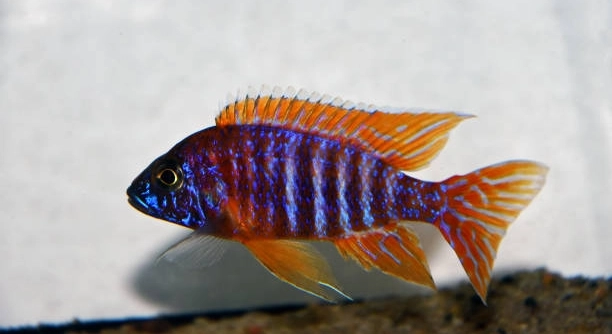
Raising healthy fish fry requires close attention to their daily habits, movements, and feeding patterns, since small behavioral changes often signal early stress, poor water conditions, or developing health concerns within the aquarium environment setting.
Fry behavior clues reflect environmental stability, nutrition adequacy, and overall health status. Changes in swimming, appetite, schooling, or surface activity commonly indicate water quality imbalances, improper feeding practices, temperature fluctuations, or early disease progression requiring prompt observation and correction measures.
Learning to recognize these subtle signs helps protect fragile fry and supports stronger growth, survival rates, and long-term aquarium success.
Early Signs of Stress in Fry Behavior
I often notice that healthy fry swim steadily, explore their space, and respond quickly during feeding times. When fry hover at the surface, sink without movement, or isolate themselves, it usually signals stress. Poor water quality is a frequent cause, especially ammonia spikes, unstable temperatures, or low oxygen levels. Fry are sensitive and react faster than adult fish. Sudden lethargy may also appear when lighting is too harsh or tanks lack gentle water flow. Observing daily patterns helps reveal what is normal for your setup. Consistent behavior usually means conditions are balanced. Irregular movement, glass surfing, or constant hiding suggest discomfort. These changes rarely resolve on their own. Small corrections, such as gradual water changes or adjusting filtration, often restore stability. Early attention prevents losses and supports stronger development during these fragile early stages. Careful observation builds confidence and reduces stress for both keeper and growing fry over time steadily.
Surface hovering and clamped fins often appear before visible illness develops. These behaviors suggest environmental imbalance rather than random movement. Addressing water parameters, feeding schedules, and tank cleanliness at this stage significantly improves survival and limits long-term developmental setbacks for young fish populations within controlled home aquarium systems consistently maintained.
Feeding behavior offers another clear indicator of fry health. Active fry rush toward food and compete gently without exhaustion. When fry ignore food, spit it out, or struggle to swim while eating, underlying stress is likely present. Overfeeding can worsen this issue by degrading water quality quickly. Offering small portions several times daily supports digestion and reduces waste. Food size also matters, since oversized particles cause fatigue and choking. Matching nutrition to mouth size improves growth and energy levels. Observing feeding responses daily allows quick adjustments before weakness becomes widespread. This habit supports calmer tanks and steadier survival outcomes overall.
Swimming Patterns That Should Raise Concern
Erratic swimming, spinning, or constant sinking indicate neurological stress or severe water issues. Fry showing these movements expend energy rapidly and weaken faster. Immediate checks of temperature, oxygen levels, and toxin buildup help reduce further decline and protect remaining fry within the tank environment from preventable damage and losses early.
I pay close attention to schooling behavior because it reflects both safety perception and physical strength. Healthy fry group loosely, adjusting spacing while moving together calmly. When fry scatter constantly or press tightly into corners, stress is usually present. Overcrowding often causes this response, limiting oxygen and increasing waste concentration. Gentle thinning of numbers improves movement and reduces competition. Tank décor also plays a role. Bare tanks may leave fry exposed, while excessive décor restricts swimming space. Balanced layouts provide shelter without trapping debris. Light intensity influences behavior as well. Sudden brightness encourages hiding and erratic motion. Soft, consistent lighting supports natural movement patterns. Water flow should remain mild. Strong currents exhaust fry and disrupt feeding routines. Monitoring these factors together creates a stable environment. Consistency matters more than frequent changes. Gradual adjustments protect developing systems and allow fry to adapt without shock. Stable schooling patterns usually return once balance is restored, signaling improved comfort, strength, and growth potential over time. This steady approach reduces losses, supports even growth, and builds confidence in daily care routines for long term success among small home breeding setups, helping fry mature with fewer setbacks, stress, and instability over extended rearing periods overall stability.
Feeding Responses That Signal Trouble
I watch fry closely during feeding because behavior changes appear quickly. Slow reactions, uneven chasing, or repeated spitting of food suggest stress or weakness. These signs often reflect improper food size, poor nutrition balance, or declining water quality affecting energy and coordination in young developing fish populations within small tanks.
I have learned that consistent feeding responses depend on timing and portions. Fry require frequent meals in very small amounts to maintain strength. Inconsistent schedules cause hesitation and scattered movement. Excess food settles quickly, breaking down and reducing oxygen availability. This leads to sluggish behavior and surface lingering. Removing uneaten food helps maintain balance. Live or powdered foods matched to fry size improve intake efficiency. Gradual adjustments work better than sudden changes. Observing responses after each feeding builds awareness of subtle declines before visible health problems emerge during early growth stages within home aquarium setups over time consistently observed daily.
When feeding issues persist, growth differences become noticeable. Some fry remain thin while others dominate food access. This imbalance increases stress and weakens smaller individuals. Separating by size can restore fairness and improve survival. Monitoring bellies after meals offers clear feedback. Gently rounded abdomens indicate proper intake. Flat or sunken bellies suggest underfeeding. Cloudy water or strong odors signal excess waste. Addressing feeding patterns early prevents long term weakness and supports steady development across the entire group during critical juvenile phases in controlled tank environments with attentive daily care and observation routines maintained carefully by keepers consistently over time periods.
Appearance and Physical Posture Changes
Physical posture often reflects internal stress before illness appears. Fry that clamp fins, curve their bodies, or rest on the bottom are conserving energy. Color fading may also occur under poor conditions. These visible changes usually connect to water instability, nutrition gaps, or overcrowding. Quick correction helps prevent progression and improves overall resilience in young fish during early development stages within small breeding tanks monitored daily for subtle posture shifts and alignment issues regularly observed.
I rely on daily visual checks to spot these changes early. Healthy fry maintain smooth posture and steady fin extension while swimming. When posture stiffens, movement becomes labored. Checking water temperature and ammonia levels often reveals the cause. Gentle water changes restore comfort without shock. Nutrition also plays a role. Vitamin deficiencies weaken muscle control and color intensity. Rotating appropriate foods supports balance. Tank spacing matters as well. Crowded fry compete constantly, leading to fatigue and bent spines over time. Adjusting population density improves posture and activity. Small changes applied consistently create noticeable improvement within days, reducing losses and supporting healthier growth patterns across multiple broods in home setups when observation routines remain steady and corrections stay gradual rather than sudden shifts over short periods.
Breathing and Gill Movement Changes
I notice breathing patterns change fast when fry are stressed or unwell. Rapid gill movement, surface gasping, or constant hovering near filters often signals low oxygen or rising toxins. These signs appear quickly and require immediate attention to prevent weakness, stalled growth, or sudden losses within sensitive fry groups overall.
Stable aeration and clean water support calm breathing and steady activity. I adjust airflow gently, avoiding strong currents that exhaust small bodies. Removing debris, spacing fry properly, and testing parameters daily helps restore balance. Breathing normalizes first, followed by stronger swimming and feeding responses across the tank over time consistently.
Edge and Corner Behavior
Behavior around tank edges reveals comfort levels. Fry that pace glass, crowd corners, or freeze near walls feel exposed or overstimulated. Excess lighting, reflections, or sudden room movement often triggers this response. I soften lighting, add gentle cover, and limit disturbances near the tank. Backgrounds reduce reflections and help fry orient themselves. Consistent surroundings lower startle responses and improve feeding focus. Once edge behavior settles, fry explore evenly and rest between meals. This balance supports energy conservation and reduces stress during critical growth periods when stability matters most for survival in small home breeding systems managed with care, patience, daily.
Social Withdrawal Within the Group
Isolation from the group is another warning sign I never ignore. Healthy fry remain loosely social, even when resting. A fry that hides constantly, drifts alone, or avoids food often lacks strength. Separating and correcting conditions early improves recovery chances and limits losses during early rearing stages in small tanks.
FAQ
Why do fry suddenly stop eating even when food is offered regularly?
I usually see this happen when water quality shifts slightly but consistently. Fry react fast to ammonia increases, temperature swings, or low oxygen. Even mild changes reduce appetite. Food size also matters. If particles are too large, fry waste energy trying to eat. Reducing portions, improving filtration, and matching food size often restores normal feeding within days.
Is surface swimming always a sign of low oxygen?
Surface swimming often points to oxygen issues, but it is not the only cause. Fry may also rise when water temperature increases, waste builds up, or food residue floats near the top. I check aeration first, then test parameters. Correcting multiple small factors usually resolves this behavior faster.
How often should fry be fed to prevent stress behaviors?
Frequent small meals work best. I feed fry three to five times daily in tiny portions. Long gaps between meals cause weakness and uneven growth. Overfeeding creates waste problems. Balanced timing keeps energy stable and reduces erratic swimming and competition within the group.
Why do some fry grow faster than others in the same tank?
Growth differences often come from feeding access and hierarchy. Stronger fry reach food first, while smaller ones fall behind. Over time, this gap increases stress. I separate fry by size when needed. This simple step improves growth consistency and reduces losses across the group.
What does clamped fins behavior indicate in fry?
Clamped fins usually reflect discomfort rather than disease at first. I see it when temperature drops slightly, lighting is too bright, or waste accumulates. Fry conserve energy by holding fins close. Correcting environmental factors early prevents further decline and supports normal posture.
Can lighting affect fry behavior and survival?
Yes, lighting plays a major role. Bright or inconsistent lighting causes hiding, corner crowding, and feeding hesitation. I use soft, stable lighting and avoid sudden changes. A calm visual environment supports steady movement, better feeding focus, and lower stress levels during growth.
How can I tell if fry are stressed before illness appears?
Behavior changes appear before physical symptoms. Reduced activity, uneven swimming, and slower feeding responses are early signs. I rely on daily observation rather than waiting for visible damage. Acting early improves recovery and limits the need for drastic interventions later.
Does tank size influence fry behavior?
Tank size affects water stability more than swimming space. Small tanks shift parameters quickly, increasing stress. I monitor small setups closely and perform gentle water changes often. Stable conditions matter more than large open areas during early development stages.
Why do fry isolate themselves from the group?
Isolation usually means weakness or stress. The fry may struggle to compete or feel overstimulated. I check feeding success and water quality first. Temporary separation sometimes helps recovery, especially when size differences become noticeable within the group.
Is it normal for fry to rest on the bottom at times?
Short resting periods can be normal, especially after feeding. Constant bottom resting is not. When I see fry staying down for long periods, it often links to fatigue, waste buildup, or low oxygen. Addressing these factors restores activity.
How quickly should changes be made when behavior issues appear?
Slow and steady adjustments work best. Sudden large changes shock fry systems. I prefer small water changes, gradual feeding adjustments, and gentle flow corrections. Improvement often appears within twenty four to forty eight hours when changes are controlled.
Do fry behavior clues differ between species?
Basic stress behaviors remain similar across species, though sensitivity levels vary. Some fry tolerate minor changes better than others. I learn baseline behavior for each species and watch for deviations. Familiarity improves response timing and success.
Can overcrowding cause long term behavioral problems?
Yes, overcrowding creates constant competition and fatigue. Over time, fry show poor growth, curved posture, and reduced feeding response. I thin populations early. Balanced numbers support calmer behavior and stronger development overall.
How important is consistency in daily care routines?
Consistency is critical. Fry rely on predictable conditions. Irregular feeding times, lighting changes, or maintenance schedules increase stress. I follow a simple routine and avoid unnecessary adjustments. Stability supports healthy behavior patterns and improves survival rates significantly.
Final Thoughts
Observing fry behavior becomes easier with time and consistency. Small changes in movement, feeding, and social patterns often appear before visible health problems develop. Paying attention to these details allows early correction without drastic measures. I have found that calm, stable conditions support stronger growth more than frequent adjustments. Clean water, proper spacing, and appropriate nutrition form the foundation of healthy development. When these basics remain steady, fry display balanced swimming, regular feeding responses, and relaxed grouping behavior. This stability reduces losses and improves overall outcomes. Care routines do not need to be complex. Simple daily observation builds awareness and confidence. Over time, recognizing normal behavior becomes second nature, making it easier to identify subtle changes that require attention.
Consistency plays a larger role than perfection. Fry respond best to predictable routines that reduce stress. Regular feeding schedules, gentle lighting, and controlled water maintenance support this balance. I have learned that reacting too quickly or changing multiple factors at once often causes more harm than good. Slow adjustments allow fry to adapt without added strain. This approach also makes it easier to identify what caused the issue in the first place. Even small improvements, such as adjusting food size or reducing overcrowding, can create noticeable progress within days. Growth becomes more even, and behavior stabilizes naturally. Maintaining this steady approach builds healthier fry and simplifies long term care.
Caring for fry requires patience and observation rather than constant intervention. Behavioral clues serve as early indicators, guiding small corrections before problems escalate. I rely on behavior as a daily reference rather than waiting for physical decline. This habit supports better decision making and reduces unnecessary stress for both keeper and fish. Over time, this awareness leads to healthier tanks and stronger survival rates. Fry raised under stable conditions develop more resilience as they mature. Focusing on balance, routine, and careful observation supports success across multiple batches. This steady method creates reliable results and a calmer care experience overall.

Hello,
If you enjoy the content that we create, please consider saying a "Thank You!" by leaving a tip.
Every little bit helps us continue crafting quality advice that supports the health, happiness, and well-being of pets around the world, for pets of all shapes, sizes, and species.
We really appreciate the kindness and support that you show us!