
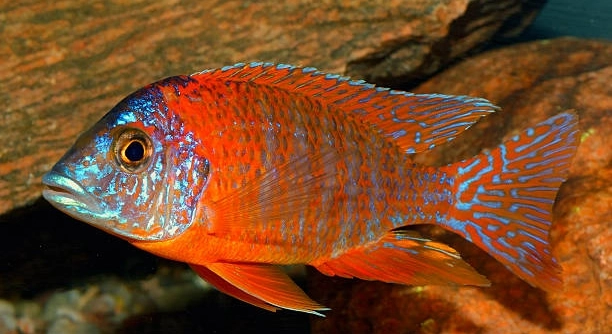
Many aquarists enjoy keeping cichlids for their bright colors and lively personalities. Observing their behavior can be rewarding, but some actions, like biting the substrate, may leave owners puzzled about what it means.
Cichlids often bite the substrate as a natural behavior linked to feeding, territory marking, or breeding instincts. This action is generally harmless, though it can indicate water quality issues, stress, or insufficient diet, which require careful observation.
Learning the reasons behind substrate biting can help you maintain a healthier tank and ensure your cichlids thrive in their environment.
Understanding Substrate Biting Behavior
Cichlids often bite the substrate as part of their natural instincts. Many species sift through sand or gravel to find food particles. This behavior can also be connected to territorial displays, especially in tanks with multiple fish. During breeding, some cichlids move substrate to create pits or nests for eggs. Younger fish may experiment by picking up small stones or gravel, testing their environment. Environmental factors play a role too—poor water quality or insufficient hiding spaces can make cichlids more restless, increasing substrate interaction. Observing patterns in their biting can help identify the reason, whether it is feeding, stress, or breeding. Maintaining clean water and providing adequate nutrition can reduce unwanted substrate digging while supporting natural instincts. Some fish enjoy rearranging substrate, which may seem destructive but is often normal behavior. Providing safe decorations and hiding spots helps minimize stress-related substrate biting while keeping the tank healthy and visually pleasing.
Monitoring substrate interaction helps you notice changes in fish behavior early, ensuring timely adjustments for their health.
Cichlid substrate biting varies depending on species and tank setup. African cichlids, for instance, are known for frequent digging, while South American species may bite less often. Tank size and substrate type influence the intensity of this behavior. Fine sand allows easier sifting, whereas larger gravel may discourage excessive digging. Uneaten food settling at the bottom can trigger substrate investigation, leading to more biting. Some cichlids develop habits over time, especially if they associate substrate with feeding or territory. Behavioral patterns can change with age, tank population, and stress levels. Providing a balanced diet and maintaining water parameters reduces substrate-related aggression and frustration. Observing these behaviors regularly helps distinguish between normal instincts and signs of stress or illness. Adjusting tank conditions, adding enrichment, and monitoring feeding routines allow your cichlids to express natural behaviors safely. Understanding these factors ensures a healthier, more stable environment for your fish while limiting potential damage to the substrate.
Signs That Substrate Biting Indicates a Problem
Occasional substrate biting is normal, but persistent or aggressive digging may point to underlying stress or poor tank conditions.
Excessive substrate biting can signal dietary deficiencies, water quality issues, or overcrowding. Fish under stress may constantly dig, creating pits or uprooting decorations. Observing changes in appetite, coloration, or social interactions helps determine whether the behavior is typical or problematic. Regular water testing and tank maintenance are essential to prevent conditions that increase stress. Adjusting feeding routines, providing appropriate hiding spots, and separating aggressive fish can reduce harmful substrate interaction. Ensuring a balanced diet with high-quality food lowers the risk of nutrient-related digging. Tank enrichment, such as rocks, plants, or caves, can redirect natural behaviors away from constant substrate biting. By addressing these factors, substrate biting becomes a normal activity rather than a sign of poor health or stress, promoting a calmer, safer environment for your cichlids. Maintaining vigilance and consistency in care helps prevent long-term behavioral issues and keeps the tank ecosystem balanced.
Common Triggers for Substrate Biting
Stress from overcrowding or aggressive tank mates often leads cichlids to bite the substrate. Poor water quality or sudden changes in temperature can also trigger this behavior. Even minor disturbances in the tank can make fish more restless and increase substrate interaction.
Diet plays a major role in substrate biting. Fish not receiving enough food or lacking proper nutrients may search the substrate more aggressively for leftover particles. Uneaten food at the bottom can encourage repeated digging, reinforcing the habit. Providing a balanced diet, feeding at regular intervals, and removing excess food helps manage this behavior. Some cichlids naturally prefer to sift sand or gravel, so understanding species-specific feeding patterns is important. Adjusting feeding routines and ensuring high-quality food reduces stress and substrate digging while promoting natural foraging instincts.
Environmental enrichment significantly impacts substrate behavior. Adding rocks, caves, or plants gives cichlids places to explore and hide, reducing unnecessary digging. Without adequate hiding spots or decorations, fish may redirect their energy toward substrate manipulation, which can appear destructive. Observing how fish interact with tank features helps identify stress points or boredom. Rotating decorations or adding new structures periodically keeps fish engaged and reduces repetitive substrate biting. Maintaining proper tank conditions, combined with thoughtful enrichment, supports healthier behavior and a more stable social dynamic among cichlids, preventing excessive substrate interaction.
How to Reduce Substrate Biting
Regular water testing and cleaning prevent conditions that encourage substrate biting. Maintaining stable parameters reduces stress and keeps fish behavior predictable.
Feeding routines and diet adjustments are essential in reducing substrate biting. Providing enough high-quality food ensures fish do not dig excessively in search of nutrients. Overfeeding should be avoided, as leftover food can accumulate and increase substrate interaction. Tank enrichment, such as rocks, plants, or hiding spots, redirects natural digging instincts toward safe areas. Proper tank population and separating aggressive individuals reduce stress-related substrate biting. Observing behavior closely helps identify triggers early, allowing corrective action before habits become problematic.
Creating a balanced tank environment combines clean water, adequate nutrition, and enrichment. Fine substrate, appropriate tank size, and species-specific arrangements prevent excessive substrate interaction. Monitoring social interactions ensures dominant fish do not intimidate others, reducing stress-related digging. Adjusting decor, feeding schedules, and water conditions together helps cichlids express natural behaviors without harming the tank setup. Consistency and observation are key to managing substrate biting effectively. With patience and careful adjustments, most cichlids adapt to their environment and display healthy, natural behaviors while minimizing destructive substrate activity.
Breeding Behavior and Substrate Biting
During breeding, cichlids often move substrate to create pits or nests for eggs. This behavior is natural and usually temporary. Biting and shifting gravel or sand helps them prepare safe areas for spawning and protects their eggs from other fish in the tank.
Some species, like African cichlids, dig more actively during mating seasons. This can seem excessive but is instinctual. Providing extra hiding spots and observing interactions ensures that substrate movement does not harm other fish or decorations in the tank. Understanding these patterns helps manage natural breeding behavior effectively.
Water Quality’s Role
Poor water conditions increase stress, leading to more substrate biting. High nitrate levels, unbalanced pH, or dirty gravel make fish restless and more likely to dig. Regular testing and maintenance keep parameters stable, reducing stress-induced substrate interaction.
Tank Setup Considerations
Substrate type and tank size influence biting behavior. Fine sand allows easier sifting, while larger gravel may discourage digging. A properly arranged tank with hiding spots helps redirect energy from constant substrate manipulation. Proper setup supports natural behavior without causing damage.
FAQ
Why is my cichlid constantly biting the substrate?
Cichlids bite the substrate for several reasons, including natural foraging, territorial behavior, and breeding instincts. They may also dig more when stressed, hungry, or living in a tank with poor water quality. Observing the frequency and pattern of substrate biting helps identify the underlying cause.
Is substrate biting harmful to my cichlid?
In most cases, substrate biting is harmless. It is a natural behavior that allows cichlids to explore their environment and satisfy instinctual needs. However, excessive or aggressive digging can disturb tank decor, uproot plants, or stress other fish. Maintaining proper tank conditions minimizes these risks.
Can substrate type affect biting behavior?
Yes, substrate type plays a significant role. Fine sand or small gravel encourages natural sifting and digging, while larger, rough gravel may reduce substrate interaction. Choosing the right substrate for your cichlid species supports healthy behavior without promoting destructive habits.
How does tank size influence substrate biting?
Smaller tanks often increase stress and territorial disputes, which can lead to more substrate biting. Larger tanks provide more space, hiding spots, and territory boundaries, reducing aggressive digging. Ensuring adequate room for your fish is essential for minimizing stress-related behaviors.
Can diet reduce substrate biting?
A balanced diet is crucial. Fish not receiving enough nutrients may dig more in search of food. Feeding high-quality, species-appropriate food at regular intervals helps reduce excessive substrate interaction. Avoid overfeeding, as leftover food can encourage further digging.
Do breeding cichlids bite the substrate more often?
Yes, during breeding, cichlids move substrate to create pits or nests for eggs. This behavior is instinctual and temporary. Providing hiding spots and observing tank interactions ensures substrate digging does not harm other fish or decorations.
What role does water quality play in substrate biting?
Poor water quality increases stress and can lead to more substrate biting. High nitrate levels, improper pH, or dirty gravel make fish restless. Regular water testing, cleaning, and proper filtration reduce stress and help maintain normal behavior.
Can adding decorations help with substrate biting?
Yes, providing rocks, caves, and plants can redirect digging energy toward safe areas. Enrichment reduces boredom and territorial stress, allowing cichlids to express natural behaviors without causing damage to the substrate.
How do I know if substrate biting is a problem?
Persistent, aggressive, or destructive substrate biting may indicate stress, dietary deficiency, or overcrowding. Signs like rapid digging, uprooted plants, or changes in social behavior signal the need for intervention. Monitoring behavior regularly helps identify issues early.
Are some cichlid species more prone to substrate biting?
Yes, African cichlids and other sand-sifting species are naturally more inclined to bite and move substrate. Understanding species-specific behavior helps set realistic expectations and manage tank setup accordingly.
Can substrate biting indicate illness?
Sometimes. If biting is accompanied by lethargy, loss of appetite, or abnormal swimming, it could signal illness. Observing overall health alongside substrate interaction ensures proper care and timely treatment.
How can I minimize damage from substrate biting?
Use appropriate substrate, provide tank enrichment, maintain water quality, and feed a balanced diet. Adjust tank population and monitor for aggression. Combining these strategies reduces harmful substrate manipulation while supporting natural instincts.
Should I separate fish that bite the substrate excessively?
Only if biting leads to aggression or stress for other fish. In most cases, adjusting tank conditions, diet, and enrichment is sufficient. Separation is a last resort when behavioral issues cannot be resolved with environmental improvements.
Can substrate biting stop completely?
No, substrate biting is a natural behavior and will likely continue at some level. The goal is to manage the behavior, reduce stress triggers, and provide a safe environment where fish can express instincts without causing harm.
Does the age of the cichlid affect substrate biting?
Yes, younger fish may experiment more with substrate as they explore, while adults tend to show more consistent patterns. Breeding adults may dig more during spawning periods, while older fish may reduce digging due to established territories or lower energy levels.
Can substrate biting damage plants or tank decorations?
Yes, excessive substrate movement can uproot plants or shift rocks and ornaments. Using heavier decorations, securing plants, and monitoring digging activity helps protect the tank while allowing natural behavior.
How often should I check water conditions to prevent substrate biting?
Regular testing is key. Weekly checks of ammonia, nitrite, nitrate, and pH levels help maintain stable water conditions. Clean gravel and ensure filtration is effective to minimize stress-related substrate digging.
Does social hierarchy in the tank affect substrate biting?
Yes, dominant fish often dig to assert territory, which can trigger more substrate interaction from subordinate fish. Providing sufficient space, hiding spots, and observing interactions helps reduce stress-driven digging and aggression.
Are there any signs substrate biting is beneficial?
Yes, light substrate manipulation can help fish exercise natural instincts, aerate the substrate, and remove uneaten food. Controlled substrate biting is a sign of normal, healthy behavior when not excessive or destructive.
Can I train cichlids to reduce substrate biting?
You cannot fully stop the behavior, but consistent feeding, proper tank setup, enrichment, and minimizing stress can reduce excessive substrate interaction. Positive reinforcement and environmental management help shape safer, less destructive behaviors over time.
Is substrate biting more common at certain times of day?
Cichlids may dig more during feeding times, early morning, or when establishing territory. Observing daily patterns helps identify triggers and allows you to adjust feeding schedules or enrichment accordingly.
Does lighting affect substrate biting?
Lighting indirectly affects behavior. Sudden changes or overly bright lights can increase stress and digging. Providing a consistent day-night cycle and moderate lighting helps maintain normal substrate activity and reduces stress-induced biting.
Can substrate depth influence biting behavior?
Yes, deeper sand allows more digging and sifting, encouraging natural behavior, while shallow substrate limits excessive movement. Adjusting substrate depth according to species preferences helps manage substrate interaction safely.
How long does it take to see improvement after adjustments?
Behavioral changes can take days to weeks. Consistent water maintenance, proper diet, and environmental enrichment gradually reduce excessive substrate biting while supporting natural instincts. Patience and observation are essential for successful adjustments.
Are there any signs that substrate biting is normal?
Yes, occasional digging, light sifting, and temporary pits without disturbing other fish or decor are signs of normal behavior. Healthy cichlids will continue to explore while remaining active and eating regularly.
Can temperature fluctuations increase substrate biting?
Yes, sudden changes in water temperature can stress cichlids, leading to more substrate digging. Maintaining a stable, species-appropriate temperature reduces stress and helps prevent abnormal or excessive substrate interaction.
Does tank cover or lid affect substrate biting?
Yes, fish may feel more secure with a proper tank lid and less prone to stress-driven digging. Open tanks with vibrations or disturbances from above can increase substrate interaction. Secure lids reduce external stressors and support calmer behavior.
How do I balance natural behavior with preventing tank damage?
Provide appropriate substrate, enrichment, hiding spots, and stable water conditions. Feed a balanced diet, monitor interactions, and adjust tank population as needed. These measures allow cichlids to express instincts without causing harm to plants, decorations, or other fish.
Is it necessary to consult a veterinarian for substrate biting?
Only if biting is accompanied by illness, lethargy, or abnormal behavior. Otherwise, substrate biting is usually a natural behavior that can be managed through tank maintenance, diet, and environmental adjustments.
Can seasonal changes affect substrate biting?
Yes, natural breeding cycles or water temperature changes may increase substrate interaction. Monitoring seasonal patterns helps anticipate behavior and adjust care to minimize stress or tank disruption.
Are certain foods better for reducing substrate biting?
High-quality pellets, frozen or live foods, and varied diets meet nutritional needs and reduce digging for leftover particles. Avoiding fillers and ensuring regular feeding schedules helps manage substrate interaction effectively.
Does tank lighting schedule influence substrate digging?
Yes, consistent lighting cycles support normal behavior, while abrupt changes or extended light periods can increase stress-related substrate biting. A predictable day-night pattern promotes calm, natural behavior.
Can substrate biting indicate boredom?
Yes, fish without enough stimulation may dig excessively. Providing enrichment, hiding spots, and regular feeding redirects energy and prevents boredom-induced substrate manipulation.
How do I safely introduce new fish without increasing substrate biting?
Quarantine new fish, add them gradually, and observe interactions. Providing extra hiding spots reduces stress and prevents territorial disputes, limiting substrate digging caused by aggression.
Is it normal for cichlids to move large amounts of substrate?
Yes, especially during breeding or territorial displays. Large-scale digging is instinctual but should be monitored to prevent damage to plants, decorations, or other fish.
Can water flow affect substrate biting?
Strong currents may encourage digging in sand-sifting species. Adjusting filtration or flow helps reduce excessive substrate interaction while supporting natural behaviors.
How long should I monitor behavior before taking action?
Observe for at least a week, noting patterns and triggers. If substrate biting is excessive or linked to stress, diet, or tank issues, adjust conditions accordingly for long-term improvement.
Is occasional substrate biting acceptable?
Yes, light digging, sifting, or pit creation is normal. Controlled substrate interaction indicates healthy instincts, while consistent monitoring ensures it does not become destructive or stressful for other fish.
Can substrate biting impact other fish?
Yes, aggressive digging may disturb tank mates, uproot plants, or create stress in more passive species. Monitoring interactions and providing adequate space reduces conflicts.
Does substrate biting affect filtration?
Yes, excessive substrate movement can stir debris and clog filters if not maintained. Regular cleaning and proper filter placement prevent problems while allowing natural digging behavior.
Are there signs that substrate biting is improving?
Reduced digging, fewer displaced plants, and calmer behavior indicate improvement. Fish remain active, eat regularly, and interact normally with tank mates.
Can substrate biting be completely eliminated?
No, it is a natural instinct. The goal is to manage behavior through diet, environment, and enrichment while minimizing damage and stress in the tank.
Does tank location matter for substrate biting?
Yes, tanks near high traffic areas or sudden vibrations can increase stress, causing more substrate interaction. Placing the tank in a stable, quiet location supports calmer behavior.
Can cichlids harm themselves while biting substrate?
Rarely, but ingesting sharp gravel or debris can cause injury. Using smooth, species-appropriate substrate reduces risks and allows safe expression of natural behaviors.
How does social structure affect substrate biting?
Dominant fish often dig to assert control, while subordinate fish may follow or hide. Balancing population, providing hiding spots, and observing interactions minimizes stress-related substrate digging.
Are there tools to help manage substrate biting?
Yes, tank dividers, heavier decorations, secure plants, and proper substrate choices help reduce destructive substrate behavior while allowing natural instincts to be expressed safely.
Can substrate biting indicate poor nutrition even with regular feeding?
Yes, nutrient deficiencies may persist if the diet lacks variety or essential components. High-quality, species-specific food ensures cichlids receive proper nutrition, reducing unnecessary substrate digging.
Do all cichlids exhibit substrate biting?
No, behavior varies by species. Sand-sifting species are more prone, while others may rarely dig. Understanding species traits helps manage expectations and tank setup.
Can enrichment fully replace natural substrate biting?
No, enrichment reduces stress and boredom but does not stop natural digging instincts. It complements proper substrate, diet, and tank management to maintain healthy behavior.
Is frequent monitoring necessary for substrate biting?
Yes, ongoing observation helps detect stress, illness, or environmental triggers early, allowing timely adjustments and preventing excessive or harmful digging behavior.
How do I balance natural behavior with a tidy tank?
Use species-appropriate substrate, provide enrichment, maintain water quality, and feed properly. These measures allow natural digging while keeping the tank organized and safe.
Does age or maturity affect substrate digging intensity?
Yes, younger fish explore more, adults dig consistently, and breeding adults increase activity temporarily. Adjust tank conditions to accommodate these behavioral shifts.
Can substrate biting indicate aggression?
Yes, aggressive individuals may dig to assert dominance. Observing social interactions and providing space reduces territorial conflicts and limits destructive substrate behavior.
Is substrate biting seasonal?
It can be, often linked to breeding cycles or temperature changes. Monitoring seasonal behavior helps anticipate increases in substrate interaction and adjust care as needed.
Does water hardness affect substrate biting?
Yes, some cichlids prefer certain hardness levels, and improper water parameters may increase stress, leading to more substrate digging. Maintaining appropriate hardness supports natural behavior.
Are live plants affected by substrate digging?
Yes, uprooting can occur, especially with active diggers. Anchoring plants or using heavier substrates helps protect greenery while allowing natural fish behavior.
Can substrate digging improve fish health?
Yes, moderate substrate sifting supports natural instincts, exercise, and stimulation, contributing to overall mental and physical well-being when tank conditions are suitable.
Is it normal for substrate biting to vary daily?
Yes, feeding times, light cycles, and social interactions influence daily activity. Monitoring patterns helps anticipate digging and adjust care routines effectively.
Can tank mates influence substrate biting?
Yes, aggressive or passive tank mates affect stress and territorial behavior. Proper selection, spacing, and enrichment reduce negative impacts on substrate interaction.
How do I encourage safe substrate digging?
Provide soft substrate, enrichment, hiding spots, and proper nutrition. Observing behavior and making gradual adjustments ensures digging remains natural and safe.
Does substrate depth or layering matter?
Yes, deeper sand supports sifting species, while shallow layers may reduce activity. Layering appropriately helps balance natural behavior with tank stability.
Can substrate biting indicate curiosity?
Yes, light sifting and exploration are signs of curiosity and natural instincts, not stress. Ensuring safe conditions allows this behavior to occur without negative consequences.
Does tank filtration placement matter?
Yes, strong currents may encourage digging. Adjusting flow reduces excessive substrate movement while maintaining water quality.
Can multiple fish increase substrate biting?
Yes, crowded or competitive environments increase stress, leading to more digging. Adequate space, hiding spots, and proper population density reduce excessive substrate interaction.
Is substrate biting more frequent at night?
It can be, depending on species and tank activity. Observing nocturnal patterns helps anticipate behavior and adjust tank conditions.
Can substrate biting indicate boredom or lack of stimulation?
Yes, fish without enrichment may dig excessively. Providing decorations, plants, and hiding spots helps redirect energy toward safe, stimulating activities.
Are there signs substrate biting is decreasing?
Yes, calmer behavior, fewer displaced decorations, and reduced digging indicate improvement. Consistent care and observation ensure continued progress.
Can substrate digging cause long-term tank damage?
Excessive digging may uproot plants, shift decor, or stir debris, but proper substrate, enrichment, and tank maintenance prevent significant issues while allowing natural behavior.
Does water temperature stability affect substrate biting?
Yes, fluctuating temperatures increase stress and digging. Maintaining stable, species-appropriate temperatures supports calmer, healthier behavior.
Can substrate biting indicate reproductive readiness?
Yes, increased digging often signals breeding behavior. Observing patterns helps prepare for potential spawning activity and ensures tank safety.
Do substrate color or texture matter?
Yes, some fish prefer specific textures for sifting or digging. Using species-appropriate substrate enhances natural behavior while minimizing stress.
Can substrate biting be redirected?
Yes, enrichment, hiding spots, proper diet, and stable conditions redirect energy from excessive digging to safe, natural activities.
How do I distinguish normal digging from problem behavior?
Normal digging is occasional and controlled, while problem behavior is persistent, aggressive, or destructive. Observing patterns, water conditions, diet, and social interactions helps differentiate.
Does stress always cause substrate biting?
Not always, but stress increases the frequency and intensity of substrate interaction. Addressing environmental and social stressors helps reduce excessive digging.
Can substrate biting affect water clarity?
Yes, digging stirs up particles, causing cloudiness. Regular cleaning and proper filtration mitigate this while allowing natural behavior.
Are there species that never bite substrate?
Some cichlid species rarely dig, but most will interact with substrate at some level. Knowing species traits informs tank setup and expectations.
Is occasional substrate movement beneficial for the tank?
Yes, light sifting can help aerate substrate and redistribute nutrients, supporting a healthier tank ecosystem when managed properly.
Can substrate biting indicate mental stimulation needs?
Yes, cichlids need activities to satisfy natural instincts. Providing enrichment, decorations, and varied diet helps prevent boredom-related digging.
Does feeding method influence substrate biting?
Yes, bottom feeding encourages substrate interaction. Offering floating food or varied feeding methods balances natural behavior and reduces excessive digging.
Can substrate biting lead to injuries?
Rarely, but sharp or inappropriate substrate can cause harm. Using smooth, species-appropriate materials ensures safe exploration.
Does tank cleaning frequency affect substrate biting?
Yes, neglected tanks increase stress and digging. Regular cleaning and maintenance support calm, controlled behavior.
Can social stress increase substrate biting?
Yes, overcrowding or aggression often leads to more digging. Proper population management reduces stress-related behavior.
Are there behavioral signs substrate biting is excessive?
Yes, constant digging, uprooted plants, and stressed tank mates indicate the need for intervention. Observation is key.
Does age affect substrate digging intensity?
Younger fish explore more, adults dig consistently, and breeding adults increase activity temporarily. Adjust tank conditions to accommodate behavior changes.
Can substrate biting indicate nutrient deficiency?
Yes, insufficient nutrients may cause fish to search for food in the substrate. Balanced, high-quality diets reduce unnecessary digging.
Is substrate biting normal during feeding?
Yes, many cichlids sift substrate while foraging for food. This is natural behavior when done in moderation.
Does enrichment reduce substrate biting effectively?
Yes, proper enrichment redirects energy, reduces stress, and provides stimulation, lowering excessive digging while supporting natural instincts.
Can temperature changes trigger substrate biting?
Yes, sudden changes can stress fish and increase digging. Stable, appropriate temperatures help prevent this.
Does substrate depth influence digging behavior?
Deeper sand allows more sifting, while shallow layers may reduce activity. Layering according to species needs balances natural behavior and tank stability.
Can substrate biting be a sign of curiosity?
Yes, light sifting is natural exploration. Ensuring a safe environment allows fish to satisfy instincts without negative consequences.
How can I manage substrate biting long-term?
Maintain water quality, provide enrichment, feed properly, adjust tank setup, and observe interactions. Consistent care ensures healthy behavior and reduces excessive substrate digging.
**Does tank location influence substrate biting
Cichlid substrate biting is a natural behavior that most owners will encounter at some point. These fish often explore their environment by picking up and moving sand or gravel, sifting through it for food, or creating small pits and nests. In many cases, substrate biting is not a cause for concern, but it can signal underlying issues if it becomes excessive or destructive. Understanding the reasons behind this behavior is important for maintaining a healthy tank. By observing how often your cichlid digs, the type of substrate it prefers, and how it interacts with other fish, you can determine whether its behavior is instinctual or a response to stress, boredom, or poor conditions.
Several factors can influence how much a cichlid interacts with the substrate. Tank setup plays a major role, including tank size, substrate type, decorations, and hiding spots. Smaller tanks with fewer hiding places can increase stress and territorial behavior, leading to more digging. Water quality is equally important. High nitrate levels, unstable pH, or inadequate filtration can make fish restless and trigger substrate biting. Diet also has a direct impact. Fish that are underfed, receiving insufficient nutrients, or left with uneaten food in the tank may dig more frequently in search of sustenance. Addressing these factors together—proper tank maintenance, balanced feeding, and thoughtful setup—helps reduce stress and encourages healthier substrate interaction.
Substrate biting is also a part of natural instincts, especially during breeding or foraging. Some cichlid species are more prone to digging than others, and their behavior may vary with age, social hierarchy, and breeding cycles. While it may seem disruptive, light substrate manipulation is generally normal and can even be beneficial for the tank, helping aerate the substrate and stimulate the fish mentally and physically. Providing enrichment such as rocks, plants, or caves can redirect excessive energy away from damaging the tank. Ultimately, maintaining stable water conditions, offering proper nutrition, and observing behavior closely allow your cichlids to express their instincts safely. By understanding the causes and patterns of substrate biting, you can create a balanced environment that supports both natural behavior and the long-term health of your fish, keeping the tank stable, clean, and enjoyable to watch.

Hello,
If you enjoy the content that we create, please consider saying a "Thank You!" by leaving a tip.
Every little bit helps us continue crafting quality advice that supports the health, happiness, and well-being of pets around the world, for pets of all shapes, sizes, and species.
We really appreciate the kindness and support that you show us!