
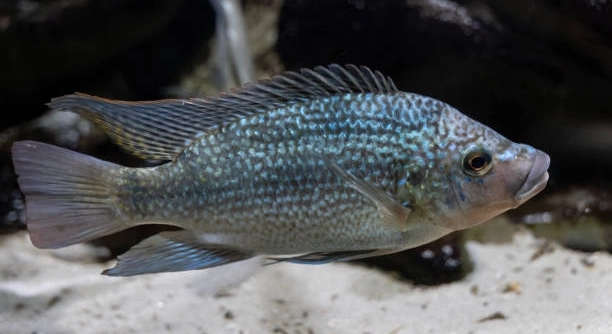
Cichlids are colorful freshwater fish that often display curious behaviors in their tanks. Among these actions, face pushing is one of the most noticeable and frequent interactions you may observe. It can seem strange at first glance.
Face pushing in cichlids is primarily a territorial and social behavior. Fish use this action to establish dominance, communicate boundaries, and maintain social hierarchies within their group. It is a natural part of their interactions and overall social structure.
Observing these behaviors can reveal a lot about your fish’s relationships and hierarchy within the tank. Understanding them helps ensure a balanced and harmonious aquatic environment.
Understanding Face Pushing in Cichlids
Face pushing is a common behavior among cichlids, often seen during feeding or when they interact with other fish in the tank. This action is a way for them to assert dominance and communicate boundaries without causing serious harm. Fish will gently press their faces against each other or push repeatedly until one retreats. It can occur between males, females, or even juveniles, though adults tend to display it more intensely. While it may look aggressive, it is usually part of normal social behavior. Observing when and how often it happens can provide insight into the tank’s hierarchy. Sometimes, face pushing is paired with other signals like flaring fins or changes in color. Recognizing these patterns can help you understand which fish are more dominant and which are more submissive. Consistent monitoring allows you to manage interactions and prevent unnecessary stress among your cichlids.
Face pushing usually does not cause injury if the tank is properly maintained.
Overcrowding, insufficient hiding spots, or uneven feeding can escalate these interactions. Fish that are stressed may push more aggressively, leading to tension within the tank. Providing enough space and resources reduces the frequency and intensity of face pushing. Adding rocks, plants, or other structures allows fish to establish territories and retreat when needed. Even tank size matters, as small tanks can amplify competition and increase stress levels. Monitoring feeding routines ensures all fish receive equal access to food, minimizing disputes. In some cases, rearranging decorations can reset boundaries and reduce confrontations. Observing fish behavior carefully helps identify patterns of dominance and submission. Adjusting the environment to meet their social needs promotes harmony and reduces conflict. Ultimately, understanding these dynamics supports the health and well-being of all your cichlids.
Managing Aggression and Stress
Providing proper tank conditions is key to controlling face pushing behavior.
Stress and aggression in cichlids often stem from environmental factors, such as overcrowding, poor water quality, or limited hiding spaces. Fish naturally establish hierarchies, and conflicts may arise when resources are scarce. Frequent face pushing can indicate tension or discomfort. Ensuring adequate tank size, clean water, and balanced nutrition can help. Observing fish interactions closely allows you to intervene before minor confrontations escalate. Adjusting feeding practices or rearranging decorations can reduce competition. Creating multiple territories with rocks, plants, or artificial caves gives fish areas to retreat and claim as their own. In some cases, separating particularly aggressive individuals may be necessary to maintain balance. By addressing the underlying causes, you can reduce stress, improve social dynamics, and maintain a healthier environment for your cichlids. Consistent monitoring and small adjustments often prevent future issues, helping the tank remain peaceful and enjoyable for both the fish and the caretaker.
Signs of Dominance
Face pushing often signals which cichlids are dominant. Dominant fish control feeding areas, preferred hiding spots, and interactions with other fish. Observing who consistently initiates pushing can reveal the hierarchy within the tank, helping you understand social dynamics and potential stress points among your cichlids.
Dominant cichlids usually display stronger colors, upright fins, and more confident movements. They push other fish to reinforce their position and prevent challenges. Submissive fish often retreat, hide, or avoid confrontation, showing a clear understanding of their lower rank. Recognizing these behaviors early can help you manage interactions and reduce stress, ensuring all fish maintain their health. Watching how dominance develops over time allows for better tank management and adjustment of territories or decorations as needed.
Face pushing also helps juveniles learn social behavior. Younger cichlids observe adults and understand limits within the group. Repeated interactions establish patterns that guide future behavior, reducing severe fights later. By monitoring these behaviors, you can intervene if one fish becomes overly aggressive or stressed. Small environmental changes, such as adding plants or rearranging decorations, can shift boundaries and ease tension. Understanding dominance signals is essential for maintaining harmony, as it allows for a structured environment where all cichlids have defined roles and spaces.
Reducing Conflict
Providing multiple hiding spots helps prevent face pushing from escalating.
When cichlids have limited spaces, competition intensifies. Adding rocks, plants, and caves gives fish areas to retreat, reducing stress and aggressive behavior. Multiple territories prevent one dominant fish from controlling the entire tank. Proper placement of these structures ensures even distribution and access for all fish. This encourages natural behavior without constant confrontations. Regular observation allows you to notice which areas are favored and adjust accordingly. By creating an environment that supports individual space, the frequency of face pushing decreases, leading to a calmer tank overall.
Adjusting feeding routines also lowers conflict. Feeding smaller amounts more frequently ensures all fish get access to food and reduces the need to compete aggressively. Monitoring water quality is equally important, as poor conditions can increase stress and heighten aggressive tendencies. Overcrowding amplifies conflicts, so maintaining appropriate stocking levels is crucial. Combining environmental adjustments with careful observation helps maintain balance, letting dominant and submissive fish coexist peacefully. Over time, these small changes result in a stable, healthy tank where face pushing becomes a normal, controlled part of social behavior rather than a source of ongoing stress.
Common Triggers
Face pushing often increases during feeding times. Fish compete for access to food, and dominant individuals assert control quickly. This behavior is a natural response to limited resources and can be managed with careful feeding practices.
Environmental changes can also trigger face pushing. Rearranging decorations, adding new fish, or altering water conditions may temporarily increase aggression. Monitoring reactions helps identify specific triggers, allowing adjustments to reduce stress and maintain harmony in the tank.
Observing Behavior Patterns
Tracking when and how often face pushing occurs provides insight into social dynamics. Some fish push more frequently during specific times, such as feeding or territorial disputes. Observing the frequency, intensity, and targets of pushing can reveal dominant and submissive relationships within the tank. Patterns often emerge, showing which fish consistently assert control and which adapt by avoiding confrontation. Recording these behaviors helps anticipate conflicts and guide adjustments in tank setup. It also allows you to notice changes in behavior that may indicate stress, illness, or environmental issues. Understanding these patterns is key to maintaining a balanced, healthy community.
Impact on Tank Health
Excessive face pushing can stress fish and affect overall health.
FAQ
Why do cichlids push each other’s faces?
Cichlids push each other’s faces mainly to establish dominance and mark territories. This behavior helps them communicate social hierarchy within the tank. Dominant fish use pushing to reinforce their position, while submissive fish learn boundaries and adapt their behavior to avoid unnecessary conflict.
Is face pushing harmful to my fish?
In most cases, face pushing is not harmful. It is usually a low-risk way for fish to interact. Minor scratches or temporary stress may occur if pushing is frequent, but serious injury is rare when the tank is well-maintained and there are enough hiding spots.
How can I reduce face pushing in my tank?
Providing multiple hiding places, proper tank size, and even distribution of food reduces face pushing. Decorations like rocks, plants, or caves allow fish to establish individual territories. Frequent feeding in smaller portions ensures all fish get access to food without needing to compete aggressively.
Does tank size affect face pushing behavior?
Yes, tank size plays a significant role. Smaller tanks limit space and increase competition, making face pushing more frequent and intense. Larger tanks provide space for fish to create territories and retreat, reducing stress and aggressive encounters. Observing behavior can help you determine if your tank is overcrowded.
Do certain cichlid species push more than others?
Some species are naturally more territorial and prone to face pushing. African cichlids, for example, are highly social and establish clear hierarchies. Other species may be less aggressive, but pushing can still occur during feeding or when defending territory. Knowing your species’ behavior helps manage interactions.
Can juveniles face push like adults?
Yes, juveniles also push faces, though usually less aggressively. They observe adult interactions and learn social behavior. Early exposure to hierarchy helps them adapt as they grow. Juvenile pushing is typically part of normal development and rarely causes stress if the tank environment is balanced.
How do I know if face pushing is excessive?
Face pushing is excessive if fish show constant stress, hiding, or visible injuries. Aggression that escalates to chasing or nipping signals a problem. Environmental adjustments, such as adding hiding spaces, rearranging decorations, or reducing crowding, often help control aggressive behavior.
Can rearranging tank decorations reduce aggression?
Yes, rearranging decorations can reset territories. Fish may push less after boundaries change because new spaces give submissive individuals a chance to claim their own area. This simple adjustment often reduces stress and balances interactions.
Does feeding method influence face pushing?
Feeding method is important. Scattering food around the tank instead of dropping it in one spot reduces competition. Feeding smaller amounts frequently allows all fish to eat, minimizing conflicts over limited resources and lowering the frequency of face pushing.
Should I separate aggressive fish?
Separation is sometimes necessary for particularly aggressive individuals. If one fish constantly harasses others despite environmental adjustments, isolating it temporarily can prevent stress and injury. Reintroducing the fish later after adjustments may work if boundaries are clearly established.
Can face pushing indicate health problems?
Unusual face pushing or sudden increases in aggression may signal stress or illness. Water quality, temperature fluctuations, and overcrowding can trigger these behaviors. Regular monitoring of fish and tank conditions helps prevent health issues and keeps interactions normal.
Do female cichlids push as much as males?
Females generally push less aggressively than males, but they do engage in face pushing to defend territory or protect fry. Their behavior is often more subtle, involving gentle nudges or positioning to maintain social balance within the group.
How long do face pushing episodes usually last?
Most face pushing episodes are brief, lasting a few seconds to a minute. Dominant fish establish control quickly, and submissive fish retreat. Prolonged or repeated pushing may indicate stress, overcrowding, or insufficient resources, requiring adjustments in tank setup or population.
Can face pushing be a sign of mating behavior?
Occasionally, face pushing occurs near spawning as part of courtship or territory defense. Males may push rivals away from a chosen site, while females may assert boundaries within nesting areas. Observing timing and location helps distinguish social hierarchy from mating-related aggression.
How can I monitor and track face pushing?
Keeping a simple observation log helps track interactions. Note the frequency, intensity, and which fish are involved. Patterns reveal dominant and submissive individuals, allowing you to make environmental or feeding adjustments to reduce conflicts and maintain a peaceful tank.
Does water quality affect aggression?
Poor water quality increases stress and aggressive behavior. Elevated ammonia, nitrite, or nitrate levels can make fish more irritable, leading to more frequent face pushing. Regular testing, filtration, and water changes are essential to maintain calm behavior and overall health.
Can adding plants reduce face pushing?
Yes, plants provide hiding spots and visual barriers. They allow fish to create territories and retreat when needed, reducing confrontations. Dense planting is particularly useful in smaller tanks, helping diffuse tension among fish and promoting a balanced environment.
Is face pushing normal for community tanks?
Face pushing is normal in community tanks containing cichlids, though the intensity varies by species and tank setup. Ensuring sufficient space, hiding spots, and resources helps integrate cichlids with other species without causing harm or ongoing stress.
Can rearranging tank mates reduce aggression?
Yes, introducing new tank mates or changing the mix of species can alter social dynamics. Careful selection of compatible fish and avoiding overcrowding helps reduce face pushing and maintains harmony among cichlids and other inhabitants.
What role does feeding schedule play in aggression?
A consistent feeding schedule helps prevent sudden competition. Fish learn when to expect food, reducing urgency and stress. Uneven or infrequent feeding can increase face pushing as fish compete aggressively, making regular, evenly spaced meals important for calm interactions.
Can stress increase face pushing?
Stress is a major factor in aggressive behavior. Environmental changes, overcrowding, poor water quality, or illness can make fish more likely to push others. Reducing stress through proper tank management, stable conditions, and careful observation keeps behavior within normal limits.
Are there signs that a fish is too stressed from pushing?
Stressed fish may hide excessively, lose appetite, show faded colors, or become lethargic. Frequent retreats from dominant fish are another sign. Intervening early by adjusting tank conditions, feeding, or hiding spots prevents long-term health problems and maintains social balance.
How can I balance dominant and submissive fish?
Balancing fish involves ensuring enough space, hiding spots, and evenly distributed food. Rearranging decorations and monitoring behavior helps maintain clear territories. Occasionally separating overly aggressive fish temporarily can prevent stress. Small adjustments keep both dominant and submissive fish healthy and reduce persistent conflicts.
Do face pushing patterns change over time?
Yes, patterns can shift as fish grow, mature, or new individuals are introduced. Dominance hierarchies are flexible, and observing these changes allows you to adjust the tank environment, ensuring continued harmony and reducing unnecessary stress among your cichlids.
Final Thoughts
Face pushing is a natural and common behavior in cichlids. It is a way for them to communicate, establish dominance, and maintain social order within the tank. While it may look aggressive, it is usually harmless if the tank conditions are appropriate. Observing your cichlids carefully allows you to understand which fish are dominant and which are more submissive. Dominant fish often control access to feeding areas and preferred hiding spots, while submissive fish learn to avoid confrontation. These interactions are part of their normal social structure and help maintain balance within the group. Recognizing face pushing as a natural behavior rather than a problem is the first step in managing a healthy, harmonious tank.
Managing the environment is key to reducing excessive face pushing. Providing enough space, hiding spots, and multiple territories prevents one fish from monopolizing the tank. Decorations, rocks, and plants give fish areas to retreat and reduce stress. Proper feeding routines also play an important role. Scattering food or offering smaller portions more frequently ensures that all fish have access without having to compete aggressively. Water quality, temperature, and tank size are equally important. Poor conditions can increase stress and lead to more frequent or intense pushing. Regular observation helps you identify triggers and patterns, allowing you to adjust the environment and routines to keep interactions under control.
Understanding face pushing also helps maintain overall tank health. Overcrowding, improper feeding, or insufficient hiding places can escalate behavior, causing stress or minor injuries. By monitoring fish behavior and adjusting tank conditions, you can prevent these issues and ensure that all fish coexist peacefully. Face pushing, when managed well, is part of healthy social interaction and helps fish establish boundaries naturally. Creating a balanced environment allows cichlids to express normal behaviors without harming each other. With careful observation, proper setup, and thoughtful care, your tank can remain a calm and stable space where each cichlid thrives, demonstrating normal, natural behavior while reducing stress and conflict.

Hello,
If you enjoy the content that we create, please consider saying a "Thank You!" by leaving a tip.
Every little bit helps us continue crafting quality advice that supports the health, happiness, and well-being of pets around the world, for pets of all shapes, sizes, and species.
We really appreciate the kindness and support that you show us!