
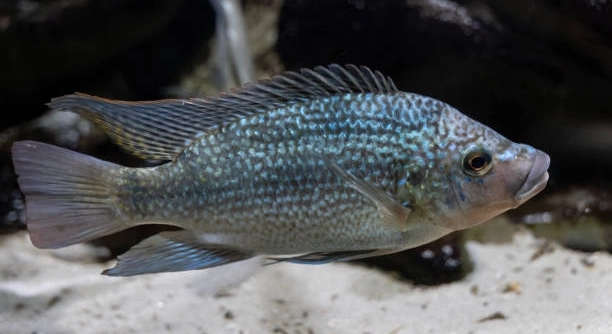
Cichlids are fascinating fish that often display unusual movements in aquariums. Observing these behaviors can be both entertaining and puzzling for fishkeepers. Understanding why they move in strange ways helps in creating a healthier environment for them.
These movements are typically linked to feeding, mating, territorial defense, or environmental stress. Cichlids use specific gestures to communicate, establish dominance, care for their young, and interact with other fish. Each movement serves a distinct biological or social purpose.
Recognizing these behaviors allows fishkeepers to respond appropriately and maintain the wellbeing of their aquatic community. Proper observation can improve both care and enjoyment of these unique fish.
Wiggling Side to Side
Many cichlids move their bodies in a side-to-side motion while swimming slowly near the tank bottom or around rocks. This movement often signals territorial behavior. They may be inspecting their environment or marking boundaries, ensuring that other fish know their presence. It is also common during feeding, as they sift through substrate looking for food particles. Observing the pattern carefully can indicate whether they are stressed, hungry, or preparing for breeding. Some species perform this motion more frequently, which can reflect their natural habits in the wild. Even small tanks can trigger this behavior if space feels limited. Owners often misinterpret this as restlessness, but it is usually purposeful and informative. Watching these gestures can help determine whether tank conditions are suitable, including water temperature, pH balance, and hiding spots. Adjusting the environment can reduce unnecessary stress and encourage natural behavior.
This movement is often harmless and part of natural exploration or interaction with surroundings.
Understanding the side-to-side motion allows better tank arrangement and promotes healthier fish behavior. Regular observation helps interpret signals accurately, leading to improved care.
Fin Flaring
Fin flaring is a common defensive display.
Cichlids flare their fins to appear larger and more intimidating. This occurs during conflicts with other fish or when defending eggs or territory. It is not aggressive without context but a visual warning. Flared fins signal strength and readiness to protect themselves or their space. In community tanks, it can indicate pecking order and hierarchy. Sometimes, the flare is brief and subtle, while at other times, it is prolonged and dramatic, depending on the species and environment. Frequent flaring may suggest overcrowding or insufficient hiding spots. It is also noticeable during introductions of new fish, as cichlids establish boundaries. Providing adequate space, decorations, and separate zones helps reduce prolonged flaring, preventing stress or injury. Observing when and how often they flare informs about social dynamics and environmental comfort. Properly managing these factors allows cichlids to maintain natural behavior without unnecessary tension.
Head-Down Hovering
Cichlids sometimes hover with their heads angled downward near rocks or the substrate. This behavior is linked to feeding, exploring, or sensing changes in their environment. It is typically deliberate and not a sign of illness.
This movement allows cichlids to examine their surroundings closely. By tilting their heads down, they can detect small food particles, monitor other fish, or check for threats. Certain species use this posture while building nests or cleaning surfaces. Observing the frequency and duration of this behavior provides insight into their daily routines and comfort levels. It is more common in species that naturally forage along the bottom or dig through sand and gravel. While it may appear unusual, it reflects instincts honed in the wild. Adjusting tank conditions, such as substrate type and food availability, can influence how often they display this hovering motion.
Head-down hovering also serves as a way to establish presence in a specific area. Cichlids maintain awareness of surroundings while signaling territorial or social intentions. This movement can indicate alertness, feeding readiness, or preparation for breeding, depending on context.
Tail Quivering
Tail quivering is a sign of excitement or preparation for spawning. It is often subtle but can be prolonged during breeding periods.
Cichlids use tail quivering as part of courtship behavior, particularly when approaching a potential mate or guarding eggs. The quiver is a signal to communicate readiness and attract attention. This movement may also occur when exploring new areas or reacting to unfamiliar objects in the tank. While it looks repetitive, it has a clear biological purpose, assisting in reproductive success. Monitoring the frequency of tail quivers helps determine breeding readiness and the overall health of the fish. Some species quiver more intensely, reflecting their natural habits, while others show minor movements. Understanding this behavior ensures that tank setups accommodate breeding needs and reduce stress during courtship.
Tail quivering can also indicate social interaction or heightened awareness. Observing these subtle motions gives insight into their communication patterns and emotional state. Providing a stable environment with proper hiding spots, consistent water conditions, and suitable tank mates encourages natural expression of these behaviors while maintaining fish wellbeing.
Head Bobbing
Head bobbing is a quick up-and-down movement cichlids perform while stationary. It usually indicates curiosity, alertness, or assessment of nearby fish or objects.
This behavior can also appear during courtship or territorial displays. It is a natural way for cichlids to communicate presence and intent without aggression.
Rock Rubbing
Some cichlids rub their bodies against rocks or decorations in the tank. This behavior helps clean their skin and remove parasites. It is more common in species that naturally graze on surfaces in the wild. Regular observation ensures it is not a sign of irritation or injury.
Darting Movements
Darting is a rapid, sudden swim from one location to another. It often occurs when cichlids are startled, hunting small prey, or reacting to environmental changes. Observing darting can reveal stress levels, tank dynamics, or feeding patterns, helping maintain a balanced habitat.
Vertical Swimming
Cichlids sometimes swim vertically near plants or walls. This movement can be linked to exploring, feeding, or displaying dominance over other fish in the tank.
FAQ
Why does my cichlid flare its fins at other fish?
Fin flaring is a natural display used to communicate dominance or establish territory. It is usually harmless if brief, but frequent flaring may indicate stress, overcrowding, or insufficient hiding spots. Observing their interactions helps determine whether tank adjustments are needed.
Is head-down hovering a sign of illness?
Not usually. Cichlids hover head-down to search for food, inspect the environment, or prepare nests. It becomes concerning only if paired with lethargy, loss of appetite, or other unusual behaviors. Proper tank conditions often reduce excessive hovering.
Why do my cichlids dart suddenly across the tank?
Darting is a natural response to sudden changes, threats, or feeding stimuli. In small tanks or with aggressive tank mates, darting may increase, signaling stress or competition. Ensuring enough space and hiding spots can help minimize this behavior.
What does tail quivering indicate?
Tail quivering is usually linked to courtship, spawning readiness, or heightened alertness. Some species quiver more than others as a communication signal. Observing the context of quivering helps interpret whether it is mating-related or a reaction to environmental stimuli.
Why do cichlids rub against rocks or decorations?
Rock rubbing is often used for cleaning skin or removing parasites. Certain species naturally graze on surfaces. If accompanied by injury, excessive rubbing may indicate irritation or poor water quality. Monitoring water parameters and tank cleanliness supports healthy behavior.
Are wiggling side-to-side movements normal?
Yes, these movements are common and usually related to feeding, territorial displays, or social interaction. Frequency and intensity vary by species and tank setup. Understanding the purpose allows fishkeepers to provide appropriate environmental enrichment.
Do vertical swims mean anything specific?
Vertical swimming can reflect exploration, feeding strategies, or social signaling. It is typical for certain cichlid species, particularly when inspecting plants, decorations, or tank walls. Excessive vertical swimming with other unusual behaviors may indicate stress or insufficient stimulation in the tank.
How can I tell if strange movements are stress-related?
Stress-related movements are often accompanied by hiding, color fading, loss of appetite, or lethargy. Observing patterns over time helps differentiate natural behaviors from environmental stress responses. Adjusting tank conditions, water quality, and tank mate compatibility usually improves fish comfort.
Can these movements help me monitor breeding readiness?
Yes, behaviors such as tail quivering, head bobbing, or fin flaring often indicate reproductive activity. Pairing these observations with proper nesting sites or breeding-friendly conditions enhances success. Each species has distinct cues, so tracking patterns is essential.
What tank adjustments help reduce excessive strange movements?
Providing sufficient space, hiding spots, proper substrate, and consistent water parameters reduces unnecessary movement caused by stress. Observing individual fish behavior allows targeted adjustments, improving wellbeing and minimizing aggressive or restless displays.
How often should I monitor cichlid movements?
Daily observation is ideal, even for short periods. Regular monitoring helps identify changes in behavior that signal stress, illness, or environmental issues. Keeping a simple log of patterns can help track health and breeding activity.
Do tank decorations influence these behaviors?
Absolutely. Rocks, plants, and hiding spots provide security and encourage natural behaviors like hovering, rubbing, and vertical swimming. Lack of structure can increase flaring, darting, or other stress movements. Adjusting decor improves overall fish comfort.
Can multiple species in one tank affect movement patterns?
Yes, interactions between species can trigger defensive or territorial movements such as fin flaring, darting, or wiggling. Understanding species compatibility and space requirements helps reduce stress and promotes harmonious behavior.
Is unusual movement always a sign of health issues?
Not always. Many movements are normal and species-specific. Health concerns are indicated by changes in frequency, intensity, or combination with other warning signs like poor appetite, lethargy, or discoloration. Observing patterns over time is essential for accurate assessment.
How can I differentiate between normal and abnormal behaviors?
Normal behaviors are consistent with species habits, such as feeding, exploring, or courtship displays. Abnormal behaviors are sudden, repetitive, or paired with physical changes. Familiarity with typical species behavior and daily observation helps identify potential problems early.
Does diet influence movement behaviors?
Yes, nutrition affects energy levels and activity. Insufficient or improper feeding may cause excessive searching, darting, or aggression. Providing a balanced diet aligned with species requirements supports natural behavior and reduces stress-related movements.
Can lighting and water flow affect movements?
Lighting and water flow influence activity and comfort. Strong currents may increase hovering, darting, or fin displays, while low light encourages resting. Adjusting these factors to mimic natural conditions helps maintain normal behavior patterns.
Do cichlids communicate through movements?
Yes, many movements are communication signals. Tail quivering, fin flaring, head bobbing, and side-to-side swimming convey reproductive intent, territorial claims, or alertness. Understanding these cues enhances care and promotes natural social interactions in the tank.
Is it necessary to record these behaviors?
Keeping notes on movements helps track patterns, stress levels, and breeding readiness. Even brief daily observations provide valuable insights, enabling timely adjustments to tank conditions and improving long-term health and wellbeing.
How can I encourage natural behaviors safely?
Providing appropriate space, hiding spots, compatible tank mates, and a balanced diet promotes normal behavior. Monitoring interactions, water quality, and environmental enrichment allows cichlids to express instinctive movements without risk of stress or injury.
What should I do if abnormal movements persist?
Persistent unusual behavior may indicate stress, illness, or environmental issues. Testing water parameters, adjusting tank setup, and consulting a specialist can help address problems. Early intervention ensures the fish recover and maintain healthy activity patterns.
Cichlids are naturally expressive fish, and their unusual movements often have clear purposes. From fin flaring to head bobbing, each behavior communicates something about their environment, social structure, or physical needs. Understanding these movements helps fishkeepers maintain a healthy and balanced tank. Observing closely over time allows you to distinguish between normal behaviors and potential warning signs of stress or illness. For example, hovering head-down or darting across the tank may look strange at first, but these actions often reflect natural foraging, exploration, or alertness. By noting patterns, you can better respond to your fish’s needs and create conditions that encourage calm, natural behavior. Tank setup, including hiding spaces, substrate, and decorations, plays a crucial role in shaping how cichlids move and interact. Adjusting these elements thoughtfully ensures the fish feel secure, reducing stress-driven movements and promoting a more harmonious aquarium environment.
Diet and water conditions also impact behavior significantly. Balanced nutrition supports energy levels, reducing excessive searching or darting. Inadequate feeding may cause constant movement as the fish search for food, which can be mistaken for agitation. Consistent water parameters, including temperature, pH, and flow, allow cichlids to display natural patterns without being influenced by discomfort or stress. Even small adjustments can make a noticeable difference in how they behave. Observing their movements alongside environmental factors helps identify the cause behind unusual behaviors. Tail quivering, fin flaring, and side-to-side wiggling, for example, are often signs of communication or reproductive readiness rather than agitation. Recognizing these cues helps maintain social balance in the tank and prevents unnecessary intervention. By creating a stable and enriched environment, cichlids can express their natural instincts safely and comfortably.
Regular observation is key to interpreting movements correctly. Keeping track of how frequently certain behaviors occur, under what circumstances, and in relation to other fish provides insight into overall wellbeing. Movements such as rubbing against rocks or vertical swimming may initially appear strange but often serve practical purposes like skin cleaning or exploring territory. Being attentive to changes in intensity or frequency allows timely adjustments to tank conditions, diet, or social dynamics. Even minor modifications, like adding plants, rearranging rocks, or increasing space, can reduce stress-driven behaviors and encourage natural actions. Understanding cichlid movements is not just about curiosity; it is about creating a supportive environment where fish can thrive. Observing, learning, and adjusting creates a stronger connection between fish and keeper while ensuring their health, comfort, and natural expression are maintained consistently.

Hello,
If you enjoy the content that we create, please consider saying a "Thank You!" by leaving a tip.
Every little bit helps us continue crafting quality advice that supports the health, happiness, and well-being of pets around the world, for pets of all shapes, sizes, and species.
We really appreciate the kindness and support that you show us!