
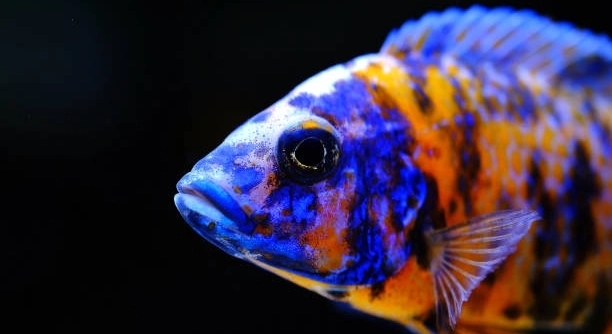
Cichlids are popular aquarium fish known for their vibrant colors and complex behaviors. Many hobbyists enjoy watching them raise fry, yet sometimes these devoted parents suddenly abandon their young without warning.
Cichlids may abandon fry due to stress, poor water conditions, lack of nutrition, overcrowding, aggressive tank mates, improper breeding environment, or illness. Each factor directly impacts parental care and survival of the fry, often leading to neglect or abandonment.
Understanding why cichlids abandon their fry can help prevent losses and improve your aquarium’s success. These insights guide better care practices for healthy, thriving fish families.
Stress and Overcrowding
Cichlids are sensitive to their environment, and excessive stress can quickly cause them to abandon fry. Stress often comes from overcrowding, frequent disturbances, or sudden changes in water conditions. In crowded tanks, aggression increases as dominant fish compete for territory and resources, leaving fry vulnerable. Even minor disturbances, like tapping on the glass or rearranging decorations, can trigger anxiety in these fish. Stress can also be linked to sudden changes in temperature, pH, or water hardness. When cichlids feel unsafe, their instinct may shift from nurturing to survival, causing them to ignore or even eat their fry. Creating a calm and stable environment reduces stress and encourages parental care. Separate breeding tanks or providing plenty of hiding spots can significantly improve fry survival. By observing behavior closely, owners can identify stress triggers early and adjust conditions to support healthy parenting. Consistency in water quality and tank management is essential for maintaining their natural breeding instincts and overall well-being.
Careful tank management helps maintain calm, encouraging cichlids to care for their young rather than abandon them.
Focusing on tank stability and avoiding overcrowding allows cichlids to express natural parenting behavior. Providing sufficient space, consistent water conditions, and minimal disturbances fosters a supportive environment. Over time, this reduces aggression and stress, ensuring fry have a higher chance of survival. Observation and small adjustments to the tank layout can make a major difference. Ensuring each adult has defined territory prevents conflicts that might disrupt parenting. Hiding spots and gentle filtration create a comfortable habitat. Monitoring feeding routines ensures adults are well-nourished, reducing the risk of abandoning fry. Gradually adjusting tank conditions rather than making sudden changes maintains stability. Keeping compatible tank mates minimizes threats, allowing parents to focus on care rather than defense. Simple measures like spacing decorations or adding plants improve security for fry. With patience and attention, the tank can become a thriving environment where cichlids naturally nurture their young. Maintaining these habits consistently will enhance overall fish health and parental instincts.
Poor Water Quality
Water quality directly affects cichlids’ willingness to raise fry. Dirty or unstable water can stress adults, leading them to abandon or harm their young.
Neglecting water parameters such as ammonia, nitrite, nitrate, or pH levels can create toxic conditions. Fry are highly sensitive to these changes, and even slight imbalances can trigger parental rejection. Regular testing and partial water changes are essential to maintain safe levels. Poor oxygenation or low water flow can also impact adult behavior, making them restless and less attentive. Inconsistent temperature may disrupt breeding cycles, reducing interest in raising fry. Filtration systems must be appropriate for tank size to prevent debris buildup without creating strong currents that disturb fry. Overfeeding contributes to waste accumulation, further degrading water quality. Ensuring clean, stable conditions supports adult health, making them more likely to invest in their young. Additionally, removing uneaten food and monitoring chemical levels prevent sudden spikes that could cause panic or aggression. By prioritizing water quality, owners increase the survival rate of both fry and adult cichlids, creating a sustainable breeding environment. Proper tank maintenance combined with careful observation ensures a healthy, stress-free habitat where parental instincts thrive, and fry have the best chance to grow safely.
Lack of Nutrition
Adults that are underfed or malnourished often abandon fry because they lack the energy to care for them. Proper nutrition is essential for maintaining parental instincts and ensuring fry survival.
Feeding cichlids a balanced diet with high-quality protein, vitamins, and minerals supports healthy behavior. Adults that are weak or hungry may see fry as expendable or even as a food source. Inadequate nutrition can reduce egg production, stunt growth, and increase stress, making parents less attentive. Live foods, pellets, and occasional frozen treats provide the variety needed for strong, healthy fish. Consistent feeding schedules prevent sudden hunger, which can trigger aggression toward fry or neglect. Observing adults’ eating habits helps identify deficiencies early and adjust their diet. Proper nutrition directly impacts their ability to nurture, defend, and feed their young effectively.
Ensuring adults are well-fed with a balanced diet strengthens their parental instincts. Healthy, nourished cichlids are far more likely to care for their fry consistently.
Providing a variety of foods including live, frozen, and high-quality pellets maintains energy levels. This supports growth, immunity, and attentive care. Feeding multiple times in small portions avoids overfeeding and reduces waste accumulation. Healthy adults are calmer, more focused on nurturing fry rather than defending territory or searching for food. A consistent diet improves breeding outcomes and fry survival. Malnourished fish risk abandoning or eating their young. By monitoring behavior and adjusting feeding, you create a stable environment where adults can invest fully in raising fry. Proper nutrition is the foundation for strong, attentive parenting and a thriving tank.
Aggressive Tank Mates
Other fish in the tank can stress cichlids and cause them to abandon fry. Aggressive or territorial species disrupt normal parental behavior and threaten fry safety.
Tank mates that chase or nip at fry force parents to focus on defense rather than care. Even non-predatory species can create stress if they constantly invade breeding areas. Providing separate breeding tanks or secure hiding spots shields fry from harassment. Choosing compatible tank mates reduces conflict and allows cichlids to maintain natural parenting patterns. Monitoring interactions is crucial, as tension can escalate quickly, leading to abandonment. Adjusting tank arrangements and adding plants or rocks offers security for both adults and fry. Creating a peaceful environment minimizes stress-induced neglect and supports healthy fry development.
Properly separating aggressive or incompatible fish ensures parents can focus on nurturing fry without distractions. Safe, calm surroundings reduce stress and improve survival rates.
Observing tank dynamics helps identify which species may provoke aggression. Removing or isolating disruptive fish prevents interference with breeding behavior. Providing clear territories, visual barriers, and hiding areas allows fry to escape harassment and keeps adults calm. Even subtle disturbances can trigger parental neglect, so maintaining a stable environment is key. Compatible tank mates reduce stress, allow consistent feeding, and help adults retain protective instincts. A carefully managed aquarium supports natural parenting, reducing the likelihood of fry abandonment. By prioritizing peaceful interactions, you increase fry survival and encourage harmonious adult behavior.
Improper Breeding Environment
Cichlids need the right setup to feel secure when raising fry. Without proper hiding spots or a quiet area, adults may abandon their young to protect themselves.
Breeding tanks should include rocks, plants, or caves. Open spaces increase stress, while structured environments allow parents to guard fry effectively.
Illness and Health Issues
Sick or injured cichlids often lose interest in caring for fry. Diseases, parasites, or physical weakness reduce energy and parental instincts. Maintaining proper hygiene, quarantine for new fish, and monitoring health signs prevents neglect. Timely treatment ensures adults can continue raising fry safely, minimizing abandonment risk.
Overcrowding
Too many fish in one tank leads to constant stress. Adults may abandon fry if they feel threatened or unable to maintain territory.
FAQ
Why do cichlids suddenly eat their fry?
Cichlids may eat their fry when stressed, hungry, or feeling unsafe. Poor water quality, overcrowding, or aggressive tank mates can trigger this behavior. Adults may also consume fry if they are sick or malnourished. Providing a stable environment, proper nutrition, and hiding places reduces this risk.
How can I prevent my cichlids from abandoning their fry?
Maintaining clean water, a calm tank, and sufficient space is essential. Feed adults a balanced diet and ensure compatible tank mates. Adding rocks, plants, or caves gives fry safe hiding areas. Monitoring stress levels and behavior helps you intervene before abandonment occurs.
Do all cichlid species abandon fry equally?
No, parental care varies by species. Some, like African cichlids, are more attentive, while others may abandon fry quickly under stress. Knowing your species’ habits helps in setting up the proper environment and expectations for fry survival.
Can water changes cause abandonment?
Sudden or large water changes can stress cichlids, making them abandon fry. Small, gradual changes are safer. Keep temperature and pH consistent during maintenance to minimize disruption. Stability encourages natural parental behavior.
What role does tank size play in fry survival?
Small tanks increase stress and aggression among adults, making fry more likely to be neglected or eaten. Larger tanks provide space to establish territories and allow fry to hide, reducing parental stress and improving survival rates.
Are certain foods better for breeding cichlids?
Yes, protein-rich foods like live or frozen brine shrimp, bloodworms, and high-quality pellets enhance health and parental care. Malnourished fish are more likely to abandon fry, so consistent and varied feeding supports strong instincts.
Can I separate fry from parents to improve survival?
In some cases, yes. If adults are aggressive or stressed, moving fry to a rearing tank prevents predation and neglect. Ensure the rearing tank mimics water conditions and provides hiding spots to reduce stress on the fry.
How long do cichlids usually care for their fry?
Parental care varies, typically lasting a few weeks until fry can swim and feed independently. Constant monitoring ensures adults remain attentive and allows intervention if abandonment or aggression occurs.
What signs indicate stress in breeding cichlids?
Signs include hiding, erratic swimming, reduced feeding, aggression, or ignoring fry. Stress often precedes abandonment. Observing these behaviors early allows adjustments to tank conditions, feeding, or tank mates to prevent neglect.
Do tank decorations affect parental behavior?
Yes, rocks, caves, and plants provide secure territories and hiding spots for fry. Open or barren tanks increase stress, making adults more likely to abandon their young. Arranging the environment thoughtfully supports natural parenting instincts.
Is it normal for one parent to abandon fry while the other cares for them?
Yes, in many species, one parent may leave due to stress or resource demands while the other continues care. Ensuring both parents are healthy, well-fed, and in a safe environment reduces the likelihood of total abandonment.
Can temperature fluctuations impact fry care?
Sudden drops or rises in temperature stress adults and fry. Maintaining consistent temperature encourages active parenting and reduces risk of abandonment or neglect. Use a reliable heater and monitor levels closely.
How often should I monitor the tank during breeding?
Daily observation is important, especially in the first few weeks after hatching. Watch for stress, aggression, or neglect. Small interventions, like adjusting hiding spots or removing aggressive fish, can significantly improve fry survival.
What is the best way to introduce new tank mates during breeding?
Avoid introducing new fish during breeding, as this creates stress and increases the chance of fry abandonment. If new fish must be added, quarantine separately and introduce gradually once fry have grown enough to survive disturbances.
Can illness in adults be contagious to fry?
Yes, some diseases and parasites can spread to fry, reducing survival. Quarantine sick adults and treat promptly. Healthy adults are more likely to maintain care and protect fry from infections.
Do cichlids ever return to care for abandoned fry?
Occasionally, adults may resume care if stressors are removed and conditions stabilize. However, once fry are harmed or removed, recovery is unlikely. Prevention of abandonment is always preferable to trying to reverse it later.
How do I know if fry are safe to leave with parents?
Fry are safest when hiding spots are available, water is stable, tank mates are compatible, and adults are healthy and attentive. Watch for signs of aggression or neglect to decide if intervention is necessary.
Are there signs that fry are being neglected but not eaten?
Yes, neglected fry may appear weak, scattered, or unprotected. Parents may ignore feeding or fail to guard them from tank mates. Prompt action, such as adding hiding spaces or supplemental feeding, improves survival chances.
Does light intensity affect parental care?
Bright or fluctuating light can stress both adults and fry. Moderate, consistent lighting supports natural behavior and reduces risk of abandonment. Dim areas or shaded zones in the tank give fry and parents comfort.
Can overcrowding fry themselves cause abandonment?
Yes, too many fry in a small area can overwhelm parents, leading them to focus on survival rather than care. Separating fry or thinning numbers can help adults manage responsibilities more effectively.
Is it normal for parents to eat weak or deformed fry?
Yes, cichlids sometimes consume weak or malformed fry as a survival instinct, conserving resources for stronger offspring. Ensuring good health and nutrition reduces these occurrences, but occasional loss is natural in breeding behavior.
Can stress from handling affect fry care?
Handling adults or fry directly can trigger abandonment or aggression. Minimize interaction and only perform necessary maintenance. Gentle, infrequent checks support natural parenting behavior without adding stress.
What steps help recover from a partial fry abandonment?
If one parent abandons fry, ensure the remaining adult is healthy, well-fed, and stress-free. Provide hiding spots and stable conditions. In some cases, moving fry to a separate rearing tank is safer for their survival.
How long should I wait before intervening with fry?
Immediate intervention is only necessary if fry are in danger from adults or tank mates. Otherwise, giving parents time to adjust and care for fry naturally is best. Observation and quick response prevent unnecessary loss.
Can chemical treatments in the tank affect parental care?
Yes, medications or water additives can stress adults or fry. Use treatments cautiously, following safe dosages, and consider temporary isolation of fry if chemicals are required. Stress-free recovery improves parenting behavior.
How do I balance adult nutrition with fry care?
Feed adults enough to maintain energy and parental instincts. Supplement with high-protein foods and avoid overfeeding to prevent water issues. Well-nourished adults are more attentive, reducing the risk of abandonment.
Does the presence of mirrors or reflections affect fry care?
Reflections can stress territorial cichlids, making them more aggressive or distracted. Avoid reflective surfaces or glass tapping during breeding to maintain calm and focus on fry care.
Can seasonal changes affect parental behavior?
Changes in temperature, light, or water conditions with the seasons can stress adults. Maintaining consistent conditions year-round supports stable breeding behavior and reduces the likelihood of fry abandonment.
What is the safest way to transport fry or adults?
Use secure containers with stable water, temperature, and oxygenation. Minimize handling and avoid overcrowding during transport. Stress during movement can cause adults to abandon fry if they are returned to the main tank too abruptly.
Are there signs that adults are ready to breed again?
Healthy, well-fed adults that display nesting behavior, color changes, and active guarding are likely ready to breed. Ensuring stable conditions supports repeated successful care of fry without abandonment.
Can introducing plants or decorations mid-breeding cause abandonment?
Yes, sudden changes in the tank can stress adults. Only adjust decorations gradually or between breeding cycles to maintain parental focus and fry safety.
Is it normal for parents to chase fry briefly?
Short, controlled chasing is natural as part of teaching fry to swim and forage. Constant chasing, aggression, or injury indicates stress or environmental problems that need correction.
Do male and female cichlids share parental duties equally?
It depends on the species. Some share duties, while others divide tasks unevenly. Observing behavior helps ensure fry are adequately cared for and guides intervention if needed.
How important is hiding space for fry survival?
Extremely important. Fry need cover to avoid aggression and stress. Rocks, plants, and caves allow parents to protect them effectively while reducing fear and neglect.
Can water chemistry changes after feeding affect parental care?
Yes, sudden spikes in ammonia or nitrite from leftover food can stress adults and fry. Regular cleaning and careful feeding prevent neglect and abandonment.
What is the best monitoring routine for breeding cichlids?
Daily observation for stress, aggression, or feeding issues is key. Record water parameters, feeding habits, and parental behavior to intervene quickly if fry are at risk.
How do I know if parental neglect is due to stress or illness?
Illness often comes with visible symptoms like lethargy, spots, or abnormal swimming. Stress shows as hiding, aggression, or ignoring fry. Identifying the cause guides proper intervention.
Can I combine multiple prevention strategies for better results?
Yes, combining proper nutrition, stable water, tank design, hiding spots, compatible mates, and monitoring greatly improves fry survival and reduces parental abandonment. A holistic approach ensures healthier, attentive parents.
Are there long-term effects on adults that abandon fry?
Occasionally, repeated stress or environmental issues reduce future parental instincts. Maintaining healthy conditions helps prevent this and supports long-term successful breeding.
Do cichlids remember abandoned fry?
No, parental instincts focus on current environmental conditions. Adults do not show long-term attachment to past fry. Ensuring favorable conditions each breeding cycle is key to success.
How can I encourage adults to resume care if abandonment is temporary?
Stabilize water conditions, reduce stress, feed well, and provide hiding spots. Some adults may return to care once the environment feels safe and supportive.
Is partial fry loss normal during breeding?
Yes, some fry may be lost even under optimal conditions. Ensuring proper care, nutrition, and environment minimizes losses but occasional mortality is natural.
What is the most important factor in preventing abandonment?
Maintaining a stable, stress-free environment with proper nutrition, compatible tank mates, hiding spaces, and careful observation is the most effective way to prevent fry abandonment. Consistency supports natural parental instincts and fry survival.
Caring for cichlids and their fry can be both rewarding and challenging. These fish are known for their complex parenting behaviors, but they are also highly sensitive to their environment. Even minor changes in water quality, tank setup, or feeding routines can influence whether adults nurture their fry or abandon them. Understanding the reasons behind abandonment is essential for anyone raising cichlids. Stress, overcrowding, poor nutrition, illness, aggressive tank mates, and unstable water conditions are all factors that can disrupt parental care. Recognizing these risks early allows aquarists to make adjustments that support healthy, attentive adults. Providing a calm and stable environment with proper hiding spots, balanced nutrition, and compatible tank mates significantly increases the chances of successful fry rearing. Observation is a key part of this process. Watching how adults interact with their young, how they respond to changes, and how they handle stress gives important clues about the state of the tank. Simple interventions, like adjusting tank layout, feeding routines, or water quality, can make a significant difference in encouraging parents to continue caring for their fry.
Parental behavior in cichlids is strongly influenced by their physical and environmental conditions. Well-fed, healthy adults are far more likely to exhibit natural nurturing instincts. Nutrition plays a critical role in maintaining energy, strength, and focus, allowing parents to feed, guard, and protect fry effectively. Overcrowding or aggressive tank mates can quickly disrupt these behaviors, causing stress or territorial disputes that lead to abandonment. Providing sufficient space, secure territories, and hiding areas ensures that adults feel safe and can devote attention to their young. Water quality is equally important; unstable pH, ammonia spikes, or sudden temperature changes can trigger parental neglect. Regular monitoring, consistent maintenance, and gradual adjustments help maintain stability, reducing stress and promoting attentive care. Each small step taken to improve tank conditions directly impacts the survival rate of fry and the overall health of adult cichlids. Maintaining a balance between a safe environment, adequate nutrition, and minimal stress is the most effective strategy for preventing abandonment.
Raising cichlids successfully requires patience, observation, and careful planning. While some level of fry loss or partial abandonment may be normal, understanding the common triggers allows aquarists to minimize these occurrences. Creating a stable, well-managed environment supports natural parental behavior and ensures that fry have the best chance to grow and thrive. Adults respond positively to consistent feeding, clean water, and a secure habitat. Providing hiding spaces, monitoring for illness, and maintaining compatible tank mates reduces stress and encourages attentive care. By observing behavior closely and addressing potential problems early, owners can improve survival rates and promote healthier, more active families. Each breeding cycle provides an opportunity to refine techniques, better understand the species, and create conditions where cichlids can naturally care for their young. With diligence and attention to detail, raising fry becomes a rewarding experience, offering insight into the fascinating behaviors and instincts of these remarkable fish.

Hello,
If you enjoy the content that we create, please consider saying a "Thank You!" by leaving a tip.
Every little bit helps us continue crafting quality advice that supports the health, happiness, and well-being of pets around the world, for pets of all shapes, sizes, and species.
We really appreciate the kindness and support that you show us!