
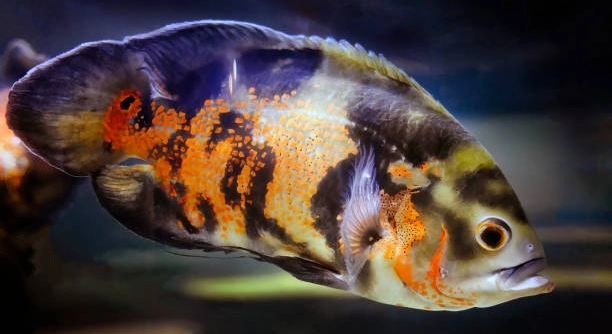
Do your convict cichlids sometimes swim frantically only to slam into the glass of their tank? This behavior can be surprising for any fish owner, especially when your aquarium seems calm and well-maintained.
Convict cichlids often slam into glass due to territorial instincts, stress, or reflections that they mistake for rivals. This behavior is a natural response to perceived threats or competition within their environment and is commonly observed in captivity.
Understanding why your cichlids act this way can help you create a calmer, healthier environment for them and prevent unnecessary stress in your aquarium.
Territorial Instincts of Convict Cichlids
Convict cichlids are naturally territorial, especially in confined spaces like home aquariums. When they see their reflection or another fish encroaching on their perceived area, they may react aggressively. This often results in them slamming into the glass repeatedly. Even small aquariums can intensify these behaviors because the fish have limited room to establish personal boundaries. Males are particularly protective, guarding eggs or nesting areas. Females can also display territorial behavior, though it tends to be more focused around the nest. Providing hiding spots and separating aggressive individuals can reduce glass-bashing. Regular tank maintenance and monitoring interactions between fish also helps. Overcrowding can increase stress and trigger repeated collisions with the glass. Understanding these instincts allows owners to manage aquarium layouts better and minimize stress-induced behaviors. Tank decorations like rocks and plants offer visual breaks that help reduce reflections and create defined territories.
This behavior is mostly natural, but it can be managed with proper tank setup.
Maintaining a clear understanding of their space requirements and providing visual barriers significantly lowers the likelihood of glass-slamming incidents.
Stress and Environmental Triggers
Stress is a major factor in glass-slamming behavior.
Poor water quality, sudden temperature changes, or excessive noise can create stress in convict cichlids. When stressed, their reactions are heightened, making them more prone to collide with the glass. Unfamiliar objects or movement outside the tank can also cause sudden bursts of aggression. Providing stable water conditions, consistent feeding schedules, and minimal disturbances reduces stress levels. Additionally, adding plants, rocks, or tank dividers can offer safe zones that decrease visual triggers. Observing behavior over time helps identify specific environmental factors causing stress. Avoiding overcrowding, keeping compatible tank mates, and reducing sudden lighting changes are effective strategies. Stress not only leads to glass-slamming but can also weaken their immune system, making them more susceptible to disease. By creating a calm and consistent environment, owners can greatly improve the overall well-being and behavior of their convict cichlids. Proper planning and observation ensure a peaceful aquarium where collisions are less frequent.
Reflections and Mistaken Rivals
Convict cichlids often see their own reflection in the glass and mistake it for another fish. This triggers aggressive responses, leading to repeated slamming into the tank walls. Reflections can be more noticeable with bright lighting or clear, smooth glass surfaces.
Reflections create a false sense of competition. When a cichlid spots its own image, it may attempt to defend its territory or challenge the perceived intruder. This behavior is more common in tanks with minimal decorations or fewer hiding spots. Adjusting the lighting, adding plants, or using background images can reduce reflections. Regular observation helps identify if glass collisions are due to reflections rather than real conflicts with tank mates. Over time, minor adjustments to the tank environment significantly lower these stress-driven interactions.
Another factor is movement outside the tank. Sudden motions or shadows can startle the fish, making them react defensively. Over time, providing more secure and visually complex environments reduces the frequency of these collisions and improves their overall comfort.
Feeding Times and Behavioral Surges
Feeding times can trigger sudden bursts of activity in convict cichlids.
During meals, cichlids become highly alert and competitive. Rapid movements and darting toward food can sometimes lead to accidental collisions with the glass. Feeding multiple times a day in smaller amounts reduces chaotic rushes and prevents injuries.
Aggressive behaviors are heightened when food is scarce or when multiple fish compete for the same portion. Overfeeding can also create issues, as leftover food decays and increases stress. Observing how your fish respond during feeding allows adjustments in timing and portion sizes. Providing food in different areas of the tank encourages distribution and reduces direct competition. Using sinking pellets or scatter feeding helps mimic natural foraging, which can lower aggressive displays. Careful management of feeding routines ensures that the fish remain active but less likely to slam into the glass during excitement.
Tank Size and Space Limitations
Smaller tanks limit the swimming space for convict cichlids, increasing stress and aggressive behavior. Limited room makes it harder for them to establish personal territories, leading to frequent glass collisions.
Overcrowding worsens this effect. Providing a larger tank or reducing the number of fish allows more movement and reduces conflicts.
Social Dynamics
Convict cichlids establish clear hierarchies within their groups. Dominant fish may chase subordinates, causing repeated slamming into the glass. Proper pairing and monitoring help maintain balance.
Lighting and Reflections
Bright lighting can enhance reflections and shadows, making fish perceive threats or rivals. Adjusting light intensity and using tank backgrounds helps minimize this stressor.
Health and Physical Conditions
Illness or injury can make cichlids more irritable or disoriented. Regular health checks and maintaining clean water prevent behaviors that lead to glass collisions.
FAQ
Why do convict cichlids slam into the glass?
Convict cichlids often slam into the glass because of territorial instincts, stress, or reflections they mistake for rivals. Confined spaces and limited hiding spots can amplify this behavior. It is generally a natural response to perceived threats or competition in their environment.
Is this behavior harmful to my fish?
Frequent collisions with the glass can lead to injuries, including bruising or fin damage. Stress from constant aggression may also weaken their immune system, making them more prone to illness. Observing and adjusting their environment can reduce both injury and stress.
How can I reduce glass-slamming behavior?
Increasing tank size, providing hiding spots, and adding decorations or plants to break up open space can help. Adjusting lighting to reduce reflections and using background images also minimize perceived threats. Consistent water quality and feeding routines support calmer behavior.
Can reflections really cause this behavior?
Yes. Convict cichlids often see their reflection and mistake it for another fish, prompting territorial or aggressive responses. This is most common in tanks with clear glass, bright lighting, or minimal decorations that create open, reflective surfaces.
Does tank size matter?
Absolutely. Small or overcrowded tanks increase stress and limit territory, which can lead to more frequent glass collisions. Providing enough space for each fish to establish its own area reduces aggression and promotes healthier social interactions.
Do tank mates influence this behavior?
Yes. Aggressive or incompatible tank mates can trigger repeated slamming into the glass. Careful selection of compatible species and monitoring interactions help maintain balance. Pairing fish strategically and separating overly dominant individuals reduces stress and conflicts.
How does feeding affect glass-slamming?
During feeding, convict cichlids can become competitive and excited, which sometimes leads to accidental collisions with the glass. Feeding smaller portions multiple times a day or distributing food across the tank reduces these surges and prevents injuries.
Can lighting make a difference?
Bright lighting can intensify reflections and shadows, making fish perceive threats. Adjusting light intensity, using tank backgrounds, and providing shaded areas helps minimize stress-related behavior. Proper lighting supports calmer activity and less glass-slamming.
Are certain times worse for this behavior?
Yes. Aggression can spike during breeding or when defending a nest. Males and females become highly protective, leading to more frequent collisions. Providing extra hiding spots and monitoring during these periods can reduce risks.
How do I know if my fish is stressed?
Signs of stress include rapid darting, hiding, loss of appetite, or repeated glass-slamming. Maintaining stable water conditions, proper tank mates, and a comfortable environment helps reduce stress and improves overall health.
Can health issues trigger this behavior?
Illness, injury, or parasites can make cichlids irritable, disoriented, or more likely to slam into the glass. Regular health checks, maintaining clean water, and prompt treatment of any conditions prevent stress-induced collisions.
Is there a way to prevent this behavior completely?
It’s unlikely to eliminate it entirely, as some glass-slamming is natural. However, a combination of proper tank size, environmental enrichment, compatible tank mates, stable water conditions, and careful monitoring significantly reduces frequency and severity.
Does adding plants really help?
Yes. Plants create visual barriers, reduce reflections, and provide hiding spots, which decreases stress and territorial disputes. Both live and artificial plants can improve the environment, making fish feel more secure.
What should I do if collisions persist?
Observe patterns to identify triggers. Adjust tank setup, decorations, and feeding routines. If necessary, separate overly aggressive individuals or increase tank size to provide more space. Consistency and attention usually lead to noticeable improvements over time.
Are male cichlids more likely to slam the glass?
Yes. Males are often more territorial, especially during breeding or nesting. They may defend their area aggressively, while females generally focus on nesting sites, though they can also display territorial behavior. Proper monitoring and tank setup help manage male aggression.
Can I use a background to help?
Yes. Backgrounds reduce reflections that trigger aggression. Darker or patterned backgrounds are most effective, as they limit visual distractions and make fish less likely to mistake their own reflection for a rival.
How do I balance multiple fish in one tank?
Ensure the tank is large enough for each fish to have space. Add hiding spots and visual barriers. Monitor interactions and separate aggressive individuals if needed. Spacing feeding and providing multiple areas for food distribution also helps maintain balance.
Will changing the water help?
Regular water changes maintain stability and reduce stress. Poor water quality can make fish irritable and more prone to aggressive behavior, including glass-slamming. Maintaining proper pH, temperature, and cleanliness keeps the tank environment calm.
Is this behavior worse in certain seasons?
Seasonal changes may slightly influence behavior due to temperature shifts or light cycles. Maintaining stable conditions year-round prevents spikes in aggression and keeps cichlids calmer.
Can I train my cichlids to stop slamming?
You cannot train them in the traditional sense, but environmental adjustments and consistent care reduce triggers. Stable conditions, adequate space, hiding spots, and reduced reflections all lower the likelihood of repeated collisions.
Do all convict cichlids behave this way?
Not all, but most will exhibit occasional glass-slamming, especially in confined spaces or during territorial or feeding periods. Individual temperament varies, and attentive tank management can minimize aggressive incidents.
How important is monitoring behavior?
Regular observation is crucial. Spotting patterns or triggers early allows for timely adjustments. Monitoring ensures fish remain healthy, stress levels are low, and collisions with the glass are minimized.
Can tank decorations make a big difference?
Yes. Rocks, plants, and other decorations break up open spaces, create hiding spots, and reduce reflections. This lowers aggression and prevents repetitive glass-slamming. Thoughtful placement of decor contributes to a calmer, more balanced aquarium.
How do I know if the tank is too small?
Frequent aggression, constant chasing, or repeated collisions indicate the tank may be too small. Upgrading to a larger tank or reducing the number of fish allows more space for territory and movement.
Is water temperature a factor?
Yes. Sudden changes in temperature can stress convict cichlids, leading to increased aggression and glass-slamming. Maintaining stable, appropriate temperatures ensures comfort and reduces behavioral spikes.
Can breeding increase this behavior?
Yes. During breeding, both males and females become highly protective, leading to more frequent collisions. Extra hiding spots, nesting materials, and monitoring help reduce stress and aggression during this period.
Does diet affect aggression?
A balanced diet reduces irritability and supports overall health. Irregular feeding, insufficient nutrition, or competition for food can trigger bursts of aggressive behavior, including slamming into the glass. Consistent and appropriate feeding routines help control this.
Are some glass types better than others?
Tempered glass or surfaces with matte finishes reduce reflections, which can lower mistaken rival attacks. Clear, smooth glass amplifies reflections and triggers more collisions, so choosing the right material makes a noticeable difference.
What’s the best way to handle a highly aggressive fish?
Separate aggressive individuals, provide more hiding spots, and ensure adequate space. Monitoring interactions and adjusting environmental factors reduces conflicts and protects all fish from stress and injury.
Can I prevent reflections without changing the tank?
Yes. Adding a dark or patterned background, using plants, or adjusting lighting can reduce reflections. Even minor changes in tank setup help minimize perceived rivals and aggressive responses.
Is this behavior more common in males or females?
Males are usually more territorial, especially around breeding or nesting areas. Females defend nests but are generally less aggressive overall. Both benefit from environmental adjustments to reduce stress and collisions.
How long does it take for behavior to improve?
Improvements can be seen within days to weeks after making environmental adjustments. Consistency with water quality, tank layout, hiding spots, and feeding routines gradually reduces glass-slamming behavior.
Final Thoughts
Convict cichlids are naturally active and territorial fish. Their behavior, including slamming into the glass, is often a normal response to their environment. Understanding why they act this way is important for maintaining a healthy aquarium. Stress, reflections, limited space, and social interactions all contribute to this behavior. By recognizing the triggers, you can adjust the tank setup and daily care to reduce collisions and create a calmer environment for the fish. Even small changes, like adding plants, rocks, or background images, can make a noticeable difference in how they interact with their surroundings.
Providing sufficient space is one of the most effective ways to manage their behavior. Small or overcrowded tanks increase stress and make territorial instincts more pronounced. Each fish needs room to establish its own area and move freely without constant confrontation. When space is limited, aggression can increase, and collisions with the glass become more frequent. Offering hiding spots and visual barriers allows them to feel secure and lowers stress levels. Additionally, monitoring tank mates and avoiding aggressive pairings prevents unnecessary disputes. A balanced, well-maintained environment ensures that the fish can display natural behaviors without harming themselves or others in the tank.
Consistent care and attention play a major role in reducing glass-slamming behavior. Regular water changes, stable temperatures, and proper feeding routines help maintain both health and calmness. Observing the fish’s behavior allows you to identify patterns and triggers early, so adjustments can be made before stress escalates. During breeding or feeding, aggression may temporarily increase, but providing hiding spots, scattered food, and ample space can manage these surges. While it is unlikely to eliminate this behavior completely, understanding the causes and implementing preventive measures ensures a safer and more comfortable environment for convict cichlids. Over time, these steps promote healthier fish and a more peaceful aquarium, making both the fish and the owner’s experience more enjoyable.

Hello,
If you enjoy the content that we create, please consider saying a "Thank You!" by leaving a tip.
Every little bit helps us continue crafting quality advice that supports the health, happiness, and well-being of pets around the world, for pets of all shapes, sizes, and species.
We really appreciate the kindness and support that you show us!