
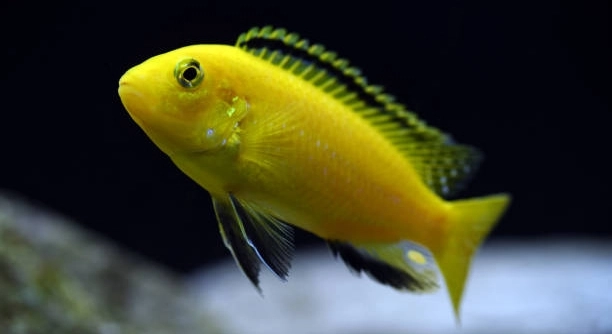
Fry are lively and playful fish, but sometimes they stay hidden or inactive in their tanks. Observing them can be challenging, especially for new owners who want to encourage healthy, visible behaviors in their aquatic environment.
The key to making fry more visible and active lies in optimizing their environment, feeding routines, and social conditions. Proper lighting, water quality, temperature, and carefully timed feeding can significantly influence fry activity and overall health.
These small adjustments can transform a quiet tank into a more dynamic and engaging space for your fry. Learning simple strategies helps ensure they thrive and remain active throughout the day.
Adjust Tank Lighting
Lighting plays a major role in fry activity. Fry are more visible when the tank has balanced lighting that mimics natural daylight. Too much light can stress them, causing them to hide, while too little light makes them hard to see. Using a timer ensures a consistent day-night cycle, which helps fry regulate their behavior naturally. Bright colors and reflective surfaces can also make them more noticeable. Adjusting the placement of the light can create shaded areas for shy fry while keeping open spaces for active swimming. Avoid harsh, direct lighting that can cause sudden movements or panic. Incorporating plants or decorations that diffuse light softly creates a comfortable environment. Observing fry under these conditions makes it easier to monitor health and feeding. Lighting adjustments combined with proper tank setup contribute to a more lively and visible group of fry.
Balanced lighting not only helps fry activity but also reduces stress and promotes natural behaviors, making observation easier.
Soft lighting changes and shaded areas allow shy fry to gradually explore and increase their activity without fear of sudden disturbances.
Optimize Feeding Schedule
Regular feeding routines directly impact fry activity. Small, frequent meals stimulate movement and encourage exploration. Fry need easily digestible food, such as powdered flakes, infusoria, or baby brine shrimp, depending on their stage of growth. Overfeeding can cloud the water and reduce visibility, while underfeeding slows activity. Monitoring the amount and frequency ensures fry remain energetic. Feed in multiple spots to encourage swimming across the tank. Removing uneaten food quickly prevents water quality issues that can stress fry. Different types of food can keep fry engaged, and observing which areas they frequent helps in positioning decorations or plants for better visibility. Consistency in timing and quantity is key.
A proper feeding routine supports both visibility and growth for fry.
Frequent, measured feedings encourage fry to explore their tank, interact with each other, and display natural swimming patterns, which makes them easier to watch.
Maintain Proper Water Conditions
Clean water is essential for fry activity. Regular water changes and monitoring of pH, ammonia, and nitrate levels keep fry healthy and active. Stagnant or dirty water causes them to hide and reduces visibility.
Stable temperature and water quality reduce stress in fry. Even small fluctuations in pH or temperature can make fry sluggish or cause them to stay hidden. Using a reliable thermometer and test kits ensures that the water remains within safe parameters. Filtration should be gentle to avoid sucking in fry, but effective enough to remove waste. Proper aeration supports oxygen levels, which directly affects activity. Plants and hiding spots create a balanced environment where fry feel secure yet can move freely, encouraging visible swimming. Maintaining consistent water conditions leads to a healthier, more active group of fry over time.
Adding small plants or floating leaves can improve oxygen levels and provide natural hiding spots. This combination encourages fry to swim confidently and remain visible throughout the tank.
Introduce Mild Currents
Mild water currents stimulate fry movement. Gentle flow keeps water oxygenated and encourages swimming without overwhelming young fish.
Creating a soft current with a sponge filter or gentle pump helps fry develop strength and coordination. Strong currents can tire them quickly or push them into corners, making them less visible. Observing fry in these conditions shows more natural, active behavior. Currents also distribute food evenly, ensuring fry explore the tank while feeding. Rotating decorations and plants occasionally prevents stagnant areas and promotes swimming throughout the tank. A mild current combined with proper feeding and lighting encourages fry to move consistently and be more visible.
Gradually increasing the flow over time can train fry to be more agile, helping them stay active and explore different areas of the tank safely.
Provide Hiding Spots
Fry need safe spaces to feel secure. Small plants, caves, or decorations help them hide when stressed. This encourages natural behavior while preventing them from staying hidden constantly.
Hiding spots also reduce bullying from older or larger fish. Fry use these areas to rest and explore at their own pace, making them more active when comfortable.
Group Fry Together
Keeping fry in small, similar-sized groups encourages movement. They swim together, interact, and explore more than when isolated. Social interaction stimulates activity and helps them develop normal behaviors early on.
Avoid Sudden Disturbances
Sudden movements or loud noises make fry retreat and hide. Consistent, calm handling of the tank keeps them visible and active.
FAQ
How often should I feed my fry?
Feeding fry small amounts multiple times a day is best. Young fry have tiny stomachs and digest food quickly. Offering powdered flakes, infusoria, or baby brine shrimp two to four times daily keeps them active and encourages swimming across the tank. Avoid overfeeding, as leftover food can pollute water and reduce visibility.
What is the ideal water temperature for fry?
Most fry thrive in slightly warmer water, usually between 75–80°F (24–27°C). Maintaining a stable temperature is essential because fluctuations can stress fry, slowing movement and causing them to hide. Using a reliable heater and thermometer ensures consistent conditions for growth and activity.
How do I prevent fry from hiding all the time?
Fry hide when stressed, scared, or unwell. Providing plants, gentle currents, and proper lighting makes them feel safe. Avoid sudden tank movements or tapping, and keep larger, aggressive fish separate. A calm, consistent environment encourages fry to explore and swim visibly.
Can I keep different species of fry together?
Mixing fry of different species is possible if their sizes and temperaments are compatible. Avoid combining aggressive species with delicate ones. Monitoring interactions is essential, as stress or bullying can reduce activity and cause hiding. Similar-sized groups usually thrive best together.
How much water should I change for fry tanks?
Frequent, partial water changes are important. Replacing 10–20% of the water every few days keeps ammonia and nitrate levels low without shocking the fry. Using conditioned water at the same temperature prevents stress and maintains consistent activity levels.
Do fry need light all day?
Fry benefit from a consistent day-night cycle. About 10–12 hours of light per day is ideal. Too much light can stress fry, while too little makes them hard to see. Using a timer ensures regular lighting and supports normal swimming patterns.
How can I make fry more visible during feeding?
Feeding in multiple spots encourages swimming across the tank. Using brightly colored or moving foods like baby brine shrimp can draw fry out from hiding. Observing their feeding behavior also helps you learn which areas of the tank they prefer.
Is tank size important for fry activity?
Yes, adequate space allows fry to swim freely and explore. Crowded tanks can cause stress, reduce movement, and increase competition for food. Small tanks need careful maintenance, while larger tanks give fry room to develop normal, active behaviors.
Can decorations affect fry visibility?
Yes, dense decorations or overly dark hiding spots can make fry difficult to see. Balanced placement of plants, rocks, and caves provides security while keeping open areas for swimming. Shaded areas reduce stress, but fry need visible spaces for natural activity.
How long does it take for fry to become more active?
With proper care, fry gradually become more active within a few days to weeks. Consistent feeding, stable water conditions, mild currents, and safe hiding spots encourage regular movement. Observing small improvements daily helps track their health and behavior.
What should I do if fry remain inactive?
Check water quality, temperature, and feeding routines first. Ensure there are no aggressive tankmates and that fry have hiding spots. Persistent inactivity could indicate illness or stress, so monitoring behavior and making adjustments quickly is crucial for their visibility and growth.
Are there signs that fry are healthy and active?
Active swimming, frequent feeding, bright coloration, and exploration indicate healthy fry. Healthy fry interact with each other and explore the tank regularly. Lethargy, hiding, or unusual swimming patterns may signal water issues or illness.
How can I encourage shy fry to swim more?
Providing partial covers, gentle currents, and consistent feeding gradually builds confidence. Avoid sudden movements or loud noises, and allow fry to explore at their own pace. Over time, shy fry become more visible and active as they feel secure in their environment.
Do plants help fry activity?
Yes, live plants provide oxygen, hiding spots, and surfaces for small food particles. Fry feel safe around plants and are more likely to explore open areas between them. Proper plant placement balances security and visibility, encouraging natural swimming patterns.
Can overcrowding affect fry behavior?
Overcrowding increases competition for food, reduces swimming space, and causes stress. Fry in crowded tanks may hide more and appear less active. Maintaining a reasonable number of fry per tank ensures proper growth, activity, and visibility for each individual.
How important is water movement for fry?
Gentle water flow stimulates swimming, aids oxygenation, and prevents stagnant areas. Too strong a current can exhaust fry, while no movement reduces activity. Using sponge filters or adjustable pumps provides a safe flow that encourages regular, visible swimming.
Is observing fry daily necessary?
Daily observation helps detect health or environmental issues early. Noticing changes in activity, feeding, or swimming patterns allows prompt adjustments. Regular observation also strengthens understanding of fry behavior and helps maintain conditions that encourage visibility and movement.
What type of food is best for fry?
Finely crushed flakes, infusoria, and baby brine shrimp are ideal depending on age. Food should be small, nutritious, and easily digestible. Rotating food types keeps fry engaged, encourages exploration, and supports consistent activity throughout the tank.
How do I balance hiding spots and open areas?
Provide enough plants, rocks, or caves for security, but keep open swimming spaces. Fry need safe areas to reduce stress, yet open zones allow movement, exploration, and visible activity. Careful arrangement supports confidence and encourages regular swimming without constant hiding.
Can temperature fluctuations cause inactivity?
Yes, fry are sensitive to sudden changes. Even minor drops or rises in temperature can make them sluggish and hide. Using a reliable heater and monitoring daily ensures a stable environment that promotes regular movement and visibility.
How can I tell if fry are stressed?
Signs of stress include hiding constantly, erratic swimming, loss of color, and refusal to eat. Addressing water quality, tankmates, feeding, and environment quickly helps reduce stress. Healthy fry are visible, active, and responsive.
Are there behavioral differences between species?
Yes, some species are naturally more active or timid. Understanding species-specific traits helps in tank setup, feeding routines, and observation. Adjusting lighting, hiding spots, and currents according to species improves visibility and encourages natural activity.
Is it normal for fry to rest a lot?
Yes, fry need short periods of rest between swimming. Providing safe hiding spots and calm areas allows them to recover without stress. Regular activity resumes naturally once they feel secure and well-fed.
Can I use visual stimulation to increase activity?
Movement outside the tank, reflections, or floating food can encourage fry to swim. Avoid sudden or constant tapping, as this can stress them. Gentle stimulation motivates fry to explore and stay visible while maintaining a safe environment.
How long should fry be kept in a separate tank?
Fry need a separate space until they are strong enough to handle larger tankmates. This usually takes several weeks, depending on growth rate and species. A dedicated tank ensures safety, encourages exploration, and maintains consistent activity levels without interference.
What is the best way to monitor fry growth?
Track size, swimming patterns, and feeding behavior daily. Regular observation helps spot irregular growth or inactivity early. Measuring water parameters and adjusting the environment as fry develop ensures healthy, visible, and active fish.
Can lighting colors affect fry activity?
Yes, soft white or natural light enhances visibility and reduces stress. Strong or colored lighting can scare fry or hide them in shadows. Proper lighting encourages natural swimming patterns, making fry more active and easier to observe.
How important is water filtration for fry?
Filtration keeps water clean and oxygenated. Sponge filters are ideal because they provide gentle flow without sucking in fry. Regular maintenance prevents buildup of waste and keeps fry swimming actively in a safe, visible environment.
Do fry need social interaction to stay active?
Yes, small groups stimulate movement. Fry watch and mimic each other, promoting swimming and feeding behavior. Isolation can reduce activity, so keeping fry in compatible groups encourages natural behavior and keeps them visible in the tank.
What signs indicate fry are ready to join a community tank?
Fry should swim confidently, feed well, and show normal coloration. They need to be large enough to avoid predation and strong enough to compete for food. Observing behavior ensures they are active, healthy, and ready for a larger tank environment.
Can water hardness affect fry visibility?
Yes, extreme hardness or softness can stress fry, making them hide. Maintaining species-appropriate water hardness supports activity and natural behavior. Testing and adjusting water parameters ensures a safe, visible, and lively tank environment.
How do I handle fry safely during tank maintenance?
Use gentle movements and avoid direct contact when possible. Netting should be slow and careful. Minimizing stress during water changes or cleaning helps fry stay active and visible, preventing hiding or panic responses.
Does tank temperature change with seasonal shifts affect fry?
Yes, seasonal temperature swings can stress fry. Using a heater with a thermostat and monitoring daily keeps conditions stable. Stable temperatures encourage consistent activity and prevent hiding caused by sudden environmental changes.
Are there signs of illness that reduce fry activity?
Lethargy, rapid gill movement, clamped fins, or loss of appetite can indicate illness. Promptly adjusting water quality, feeding, or separating sick fry helps recovery. Healthy fry remain active, feed regularly, and swim confidently throughout the tank.
How do I make fry more visible without stressing them?
Use gentle lighting, mild currents, and open swimming spaces. Safe hiding spots allow confidence, and regular feeding encourages exploration. Avoid sudden movements, loud noises, or frequent tank tapping. Balance security and openness to maintain natural behavior while keeping fry active and observable.
Can temperature, light, and feeding routines be combined to improve activity?
Yes, maintaining stable temperature, consistent light cycles, and timed feedings together maximizes fry movement. These factors reduce stress and create predictable conditions. Combining these routines encourages swimming, exploration, and visible activity while supporting overall health.
How do I encourage shy or timid fry to become more active?
Provide shaded hiding spots and gentle water flow. Feed in multiple locations and use safe, gradual visual stimulation. Avoid sudden movements or loud noises. Over time, shy fry become more confident, swim openly, and interact naturally with other fry, improving overall visibility.
What is the role of oxygen levels in fry activity?
High oxygen levels support metabolism and swimming. Aeration through plants, mild currents, or air stones keeps fry active. Low oxygen causes lethargy and hiding. Monitoring and maintaining oxygen ensures fry remain visible, healthy, and energetic throughout the tank.
Can I use tank decorations to guide fry movement?
Yes, arranging plants, rocks, or floating items encourages exploration. Fry swim between open spaces and cover, increasing visibility. Decorations should balance hiding spots with open swimming areas to promote activity without causing stress or overcrowding.
How do I know if fry are stressed from tankmates?
Signs include hiding, rapid swimming, or fin nipping. Larger or aggressive fish can intimidate fry. Observing interactions and separating incompatible species ensures fry remain active, healthy, and visible without unnecessary stress.
Does water clarity affect fry visibility?
Yes, cloudy or dirty water makes fry hard to see. Proper filtration, water changes, and careful feeding maintain clarity. Clear water allows fry to swim confidently while being easily observable, supporting natural activity and growth.
Are there natural behaviors I should expect in fry?
Fry explore, feed, rest, and interact with each other. Shyness, hiding, or bursts of activity are normal. Understanding these patterns helps maintain a safe, engaging tank that encourages visibility and active swimming.
How long does it take for fry to fully adapt to a tank?
Adaptation depends on species, age, and environment. Most fry adjust within days to weeks when provided stable water, hiding spots, proper feeding, and mild currents. Gradual acclimation encourages consistent activity, reduces stress, and increases visibility throughout their growth.
What daily routines support fry activity and visibility?
Feed small portions multiple times, monitor water quality, maintain lighting, and check temperature. Observe swimming and hiding patterns. Gentle water flow and safe hiding spots promote exploration. Consistent routines encourage healthy behavior, keeping fry active, visible, and thriving in the tank.
Can fry detect changes in their environment?
Yes, fry respond quickly to sudden changes in light, temperature, or noise. Gradual adjustments and stable conditions prevent stress, support natural behavior, and keep them swimming actively in visible areas.
Do fry need any special care at night?
Fry benefit from a dark period for rest. Leaving lights off at night or dimming gradually supports natural cycles. Proper night conditions reduce stress, prevent hiding due to disturbance, and prepare fry for active behavior during daylight hours.
Is observation enough to monitor fry health?
Observation is critical but should be combined with regular water testing, feeding checks, and monitoring growth. Watching behavior, swimming, and interactions helps identify issues early, ensuring fry remain active, visible, and healthy.
Can fry recognize their surroundings over time?
Yes, fry learn tank layout, hiding spots, and feeding areas. Familiarity reduces stress, encourages exploration, and increases activity. Consistent placement of decorations, plants, and feeding zones supports confident swimming and natural behaviors.
What is the best method to acclimate fry to new tanks?
Gradual acclimation using floating bag techniques or drip acclimation prevents shock. Slowly adjusting temperature and water chemistry helps fry adapt safely. Proper acclimation ensures they remain active, confident, and visible in their new environment.
How do I prevent fry from hiding in corners constantly?
Provide shaded areas, mild currents, and multiple feeding spots. Avoid overcrowding and sudden movements. Balanced tank setup with open swimming zones encourages exploration, allowing fry to move freely and remain visible throughout the day.
Are there seasonal changes that affect fry activity?
Yes, temperature shifts, daylight length, and water chemistry can influence behavior. Maintaining consistent conditions and monitoring routines ensures fry stay active, visible, and healthy despite seasonal variations.
How long should I monitor fry for activity trends?
Daily observation over weeks provides the best understanding of behavior. Tracking swimming patterns, feeding response, and hiding habits helps identify changes in health, stress, or environmental conditions, supporting active and visible fry in the tank.
What role does feeding variety play in fry activity?
Using different foods keeps fry engaged, stimulates movement, and encourages exploration. Rotating powdered flakes, infusoria, and baby brine shrimp ensures proper nutrition and maintains consistent activity levels.
Can mild tank vibrations affect fry behavior?
Yes, constant or sudden vibrations may stress fry. Gentle handling and stable placement of the tank reduce hiding and support natural swimming. Fry are more visible and active in calm, vibration-free environments.
Is it normal for fry to chase each other?
Yes, chasing is typical social or feeding behavior. It helps develop coordination and interaction skills. Small groups of similar-sized fry usually engage in gentle chasing without stress, promoting activity and visibility in the tank.
How important is consistency for fry activity?
Consistency in feeding, water conditions, lighting, and tank maintenance creates a predictable environment. Fry thrive in stable routines, remain active, and are easier to observe. Sudden changes often result in hiding or reduced movement.
Do fry need supplemental oxygen?
Supplemental oxygen via plants, air stones, or gentle currents is beneficial, especially in densely populated tanks. Adequate oxygen promotes active swimming, improves feeding response, and keeps fry healthy and visible.
Can fry recognize feeding times?
Yes, fry quickly associate routine feeding times with food. Consistent schedules encourage swimming, exploration, and visible activity as they anticipate meals, supporting natural behavior and health.
Are there signs fry are stressed from water quality?
Lethargy, hiding, erratic swimming, or reduced feeding indicate stress from poor water quality. Regular testing and maintenance prevent these issues, ensuring fry remain active, visible, and healthy in their environment.
How do I know if fry are ready for mild currents?
Observe swimming strength and coordination. Fry should swim steadily without struggling. Introducing gentle currents gradually improves activity, builds strength, and encourages exploration, making them more visible in the tank.
Can fry coexist with algae in the tank?
Yes, limited algae is safe and provides natural surfaces for exploration and feeding. Excessive algae can reduce water quality, so balance is important to maintain visibility, swimming space, and fry activity.
What is the ideal fry tank setup?
A setup with stable water conditions, mild currents, gentle lighting, plants for hiding, and open swimming areas encourages activity. Proper filtration, regular feeding, and monitoring create a safe and visible environment for fry to thrive naturally.
How do I balance activity and safety for fry?
Combine hiding spots, gentle currents, consistent feeding, and proper water quality. Avoid aggressive tankmates, sudden movements, and overcrowding. This balance promotes confident swimming, visible exploration, and healthy development for fry in a secure tank environment.
What are common mistakes that reduce fry activity?
Overfeeding, poor water quality, overcrowding, sudden movements, and lack of hiding spots often reduce activity. Addressing these issues improves swimming behavior, increases visibility, and supports overall health and growth of fry.
How can I measure fry growth effectively?
Track size and swimming ability over time. Use gentle observation and record changes weekly. Consistent monitoring ensures proper nutrition, water conditions, and tank setup, keeping fry active and healthy.
Can fry become inactive overnight?
Yes, fry rest during dark periods. Providing a calm, shaded environment at night allows recovery without stress. Normal activity resumes during the light cycle, keeping fry healthy and visible during the day.
Are there ways to encourage exploration in shy fry?
Yes, introduce gentle currents, feed in multiple locations, and provide safe shaded areas. Avoid sudden movements or loud noises. Gradually, shy fry become more confident, actively swimming and exploring their tank environment.
Do fry respond differently to live versus powdered foods?
Yes, live foods often stimulate more movement and feeding behavior. Powdered foods are easier to digest and suitable for smaller fry. A combination ensures nutrition while promoting activity and visible swimming patterns.
How important is water clarity for observation?
Clear water is essential. Cloudy or dirty water reduces visibility and may stress fry. Proper filtration, regular water changes, and controlled feeding maintain clarity, supporting healthy, active, and easily observable fry.
Can fry adapt to varying light intensities?
Gradual adjustments help fry adapt without stress. Sudden changes may cause hiding or inactivity. Consistent light cycles with gentle variations encourage natural swimming and maintain visibility.
How do I prevent fry from hiding behind plants constantly?
Balance plant density with open swimming areas. Provide gentle currents and consistent feeding to encourage exploration. Fry feel safe but are motivated to swim, keeping them active and visible throughout the tank.
What is the role of tank shape in fry activity?
Long, shallow tanks allow more horizontal swimming space, encouraging movement and exploration. Tall, narrow tanks may limit
Fry are small and delicate, but their activity and visibility can be greatly improved with simple care practices. Observing them closely reveals how responsive they are to changes in their environment, feeding, and social conditions. Consistency is one of the most important factors. Regular feeding routines, stable water quality, proper lighting, and gentle water flow all contribute to more active fry. When these basics are maintained, fry begin to swim confidently, explore their surroundings, and show natural behaviors. Small adjustments, like adding plants or arranging decorations to create safe hiding spots while leaving open swimming areas, can make a noticeable difference. Even minor improvements in tank conditions often result in fry that are not only healthier but easier to watch and interact with.
Maintaining a calm and predictable environment reduces stress for fry. Sudden changes in temperature, lighting, or tank disturbances can cause hiding, sluggish swimming, and reluctance to feed. By creating a stable setup, fry feel safe and are more likely to move around the tank naturally. Observation plays a key role in understanding fry behavior. By watching how they respond to food, currents, and tank mates, it is possible to make informed changes that support their activity. Proper water care, including monitoring pH, ammonia, nitrate, and oxygen levels, ensures fry have the right conditions to thrive. Using gentle filtration and moderate aeration helps maintain these conditions without overwhelming young fish. Over time, fry that are well-cared for show stronger swimming, more consistent feeding responses, and a greater tendency to explore their environment.
Encouraging fry to be visible and active is a gradual process that combines several small steps. Adjusting feeding schedules, providing mild currents, offering safe hiding spots, and keeping the water clean all work together to create an environment where fry feel confident. Grouping fry of similar size, observing interactions, and minimizing stress from tankmates also support activity. While fry naturally spend time resting, these measures help ensure their active periods are more frequent and consistent. The goal is not to force activity but to make the tank a safe and engaging space where fry can move freely. With patience and careful attention to their needs, fry gradually become healthier, more visible, and more energetic, allowing you to fully enjoy their natural behavior and growth over time.

Hello,
If you enjoy the content that we create, please consider saying a "Thank You!" by leaving a tip.
Every little bit helps us continue crafting quality advice that supports the health, happiness, and well-being of pets around the world, for pets of all shapes, sizes, and species.
We really appreciate the kindness and support that you show us!