
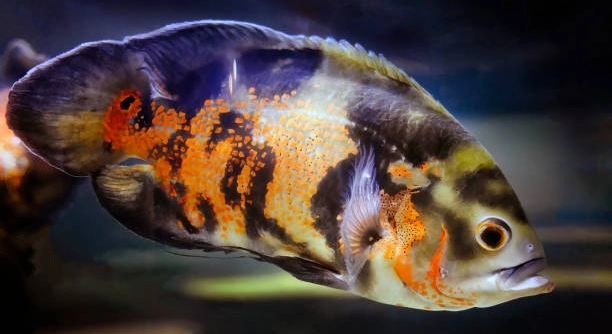
Keeping cichlids in an aquarium can be very rewarding, but the water current plays a bigger role than many realize. Too much flow can affect their swimming, feeding habits, and overall comfort in their environment.
Excessive water current can cause stress, injury, and disrupted behaviors in cichlids. Strong flows force them to overexert, damage delicate fins, interfere with feeding, and negatively affect their health, ultimately reducing their lifespan and overall well-being in captivity.
Learning how current impacts these fish can improve your tank setup and ensure your cichlids remain healthy and active.
Stress and Fatigue
Strong currents can tire cichlids quickly. They have to swim constantly to stay in place, which increases their energy use. Over time, this can lead to chronic stress. Stress makes fish more vulnerable to diseases and lowers their immune response, causing infections that are harder to treat.
Cichlids under constant high flow may hide more often, reducing their visible activity.
When cichlids are fatigued, their behavior changes noticeably. They may spend more time resting on the substrate or near tank decorations. Feeding can become irregular because swimming against strong water requires more energy than they can spare. In addition, fatigue can reduce their social interactions and make aggressive species unusually passive, which affects their natural hierarchy. Long-term exposure to strong currents can stunt growth, as energy that would normally support development is redirected to swimming. Even robust species show signs of weakening over weeks. Adjusting flow with filters or baffles allows fish to swim comfortably while maintaining healthy activity levels, supporting both growth and well-being in a tank environment.
Fin and Body Damage
Excessive current can physically harm fish. Fins tear easily when cichlids collide with decorations or tank walls.
When the current is too strong, delicate fins may fray or develop fin rot. Body scales can be scraped or bruised against rough surfaces. Constant fighting against water flow increases the risk of muscular strain, which slows recovery from minor injuries. Maintaining a moderate flow ensures fish can swim naturally without unnecessary harm while keeping the tank visually dynamic. Some cichlids may adapt slightly over time, but their health remains compromised if flow is left unchecked. Observing their swimming patterns is key; if they appear to struggle consistently, it is a clear sign that adjustments are needed. By reducing current in problem areas, you can prevent injuries, protect their natural appearance, and promote a safer, more comfortable environment for long-term care.
Feeding Difficulties
Strong currents make it hard for cichlids to reach their food. Pellets and flakes can be swept away before they have a chance to eat.
Cichlids in high-flow areas often miss meals, which can lead to malnutrition. They expend extra energy swimming against water, leaving less energy for digestion. Uneaten food can also pollute the tank, affecting water quality and increasing maintenance needs. Adjusting the flow around feeding spots ensures fish can eat efficiently and maintain proper nutrition without excessive effort.
Feeding behavior can change dramatically under strong currents. Fish may avoid certain areas of the tank, becoming territorial over calmer zones where food collects. Slow feeders can get outcompeted, while aggressive species may dominate, creating stress among tank mates. By creating areas of gentle flow, all fish get fair access to food. Observation is crucial; if fish consistently struggle during feeding, moving decorations or repositioning filters can help maintain a balanced diet and reduce wasted food, keeping both fish and tank healthier over time.
Stress-Related Illness
Constant exposure to strong currents weakens fish immune systems. They become more prone to bacterial and fungal infections.
Stress from swimming continuously can trigger internal health issues. Fish may show symptoms like clamped fins, lethargy, or discoloration. Over time, stress can worsen chronic diseases and reduce their lifespan.
In addition to physical fatigue, strong currents affect hormonal balance. Elevated stress hormones impair immunity, slow growth, and interfere with reproduction. Stress-related illnesses often start subtly, making early detection important. Tank monitoring, proper flow management, and regular water changes help minimize stress effects. Creating zones with slower water movement allows cichlids to rest and recover, which supports immune function. Combining these steps with a balanced diet ensures fish can withstand occasional disturbances without long-term health consequences.
Reduced Breeding Success
High currents make cichlids avoid spawning areas. Eggs and fry can be swept away, reducing survival rates.
Parents may abandon nests if they are constantly fighting water flow, which lowers the chances of successful reproduction in the tank environment.
Behavioral Changes
Strong water flow can alter natural behaviors. Fish may become less active or overly aggressive. Constant current affects territorial displays and social interactions, leading to unusual patterns. Fish may hide more, avoid open areas, or show stress-driven behaviors. Maintaining gentle zones allows normal behavior, preserving the tank’s social balance.
Energy Drain
Swimming against strong currents consumes large amounts of energy. Fish expend more effort just to maintain position.
Long-Term Health Effects
Prolonged exposure to excessive current weakens overall health. Muscle fatigue, stress, and immune suppression accumulate over time, affecting growth and lifespan. Managing flow ensures cichlids remain strong, healthy, and able to thrive in their environment.
How can I tell if the current is too strong for my cichlids?
You can observe their swimming patterns and behavior. Fish that struggle to stay in place, constantly push against water, or hide excessively are likely experiencing stress from strong flow. Frayed fins, slow feeding, and unusual aggression are additional signs. Observing activity at different tank levels can help pinpoint problem areas.
What adjustments can I make to reduce strong currents?
The simplest way is to reposition or reduce the output of filters. Adding decorations like rocks, plants, or driftwood can break the flow and create calmer zones. Using baffles or sponge covers on filter outlets helps disperse water movement, giving cichlids areas to rest without eliminating circulation entirely.
Can too much current affect feeding?
Yes, strong currents can carry food away before fish can eat. Slow feeders or shy fish may miss meals, leading to malnutrition. Creating calm feeding zones or dropping food near sheltered areas ensures all fish have fair access without struggling against the flow.
Are some cichlid species more sensitive to current than others?
Absolutely. Species from slow-moving waters, like some South American cichlids, struggle more in strong flow. African cichlids from fast rivers tolerate stronger currents but still need areas to rest. Knowing your species’ natural habitat helps you set appropriate flow levels and prevent stress.
Can high currents cause long-term health problems?
Chronic exposure can weaken immune systems, reduce growth, and shorten lifespan. Continuous swimming increases stress hormones, causes fatigue, and makes fish more prone to infections. Gradually adjusting the flow and providing low-current zones allows fish to recover and maintain healthy activity levels.
How does current affect breeding?
Strong currents make it difficult for cichlids to spawn successfully. Eggs and fry can be swept away, and parents may abandon nests. Calmer areas encourage natural breeding behavior and protect young, increasing survival rates and overall reproductive success.
Is it safe to create completely still areas in my tank?
Yes, but you should maintain gentle water movement to avoid stagnation. Completely still water can trap debris and reduce oxygen levels. Balancing low-flow zones with moderate circulation keeps the tank healthy while giving fish places to rest and recover from strong currents.
How often should I check flow levels in my aquarium?
Regular observation is key. Daily visual checks of fish behavior and weekly assessment of filter output help maintain optimal conditions. Adjustments can be minor, like moving decorations, or more significant, such as reducing pump speed, to ensure cichlids remain comfortable.
What role do tank decorations play in controlling current?
Decorations break up water movement and provide hiding spots. Rocks, plants, and driftwood create slow-flow zones that let fish rest or feed without constant swimming. Proper placement balances circulation and reduces stress while maintaining oxygenation and water quality throughout the tank.
Can I measure the current scientifically?
Flow meters and timers on pumps can give exact measurements, but observation is often enough. If fish struggle, show stress behaviors, or avoid certain areas, the current is likely too strong. Adjusting flow gradually while monitoring fish response ensures safe, suitable conditions without specialized equipment.
How do I balance filtration needs with gentle flow?
You can use sponge filters, baffles, or low-output pumps to maintain filtration while reducing water movement. Position outlets toward tank walls or behind decorations to disperse flow evenly. This approach preserves water quality, oxygenation, and clarity without stressing fish or forcing constant swimming.
What signs show that cichlids have adapted to current?
Adapted fish swim confidently, feed normally, and interact socially without hiding excessively. Their fins remain intact, and they display natural behaviors like territory defense or breeding. Continuous observation ensures that current adjustments remain effective and that fish are thriving long-term.
How quickly should I reduce current if it’s too strong?
Gradual reduction is safest. Sudden changes can cause stress or disrupt circulation. Slowly adjusting pump speed, adding obstacles, or repositioning decorations over days allows fish to acclimate while still maintaining oxygen levels and water quality.
Can strong currents affect water temperature?
Indirectly, yes. High-flow areas may circulate cooler water more than calmer zones, causing uneven temperatures. This can stress sensitive species. Monitoring temperature at multiple points ensures all areas remain suitable, preventing hotspots or cold zones that affect health and metabolism.
Is it better to have one strong current or several moderate ones?
Multiple moderate currents are preferable. They create dynamic movement without overwhelming fish. Spreading flow across the tank avoids fatigue in specific areas and allows fish to choose zones that match their comfort, balancing activity, rest, and feeding opportunities.
How do I know if adjustments are working?
Observe behavior, feeding, and fin condition. Fish that swim with ease, feed efficiently, and display normal social interactions indicate a well-balanced environment. Regular monitoring ensures adjustments maintain comfort without compromising circulation, oxygenation, or cleanliness in the tank.
Can strong currents affect cichlid coloration?
Yes, prolonged stress can dull natural colors. Fish may appear pale or lose vibrancy when constantly fighting water flow. Reducing stress through calmer zones, proper feeding, and consistent care helps restore bright, healthy coloration.
Should I change the current seasonally?
Flow should match species’ natural preferences, which are generally consistent year-round. Seasonal changes are not usually necessary unless tank conditions, temperature, or filtration are adjusted. Consistency helps maintain health and reduces stress-related behaviors.
What if my tank is heavily planted or decorated?
Plants and structures naturally slow water movement. Proper placement helps protect cichlids from strong currents while maintaining circulation. Monitor flow around decorations to ensure fish can rest, feed, and interact safely without stagnant zones forming in quiet areas.
How do I maintain water quality while reducing current?
Use filtration systems efficiently and consider sponge filters or slower pumps. Regular water changes prevent waste buildup. Gentle flow can still circulate water adequately when combined with strategic decoration placement, keeping oxygen levels stable and preventing harmful debris accumulation.
What’s the safest approach for new tank setups?
Start with moderate flow and observe fish closely. Gradually adjust pumps, outlets, and decorations to create resting areas. Monitoring behavior and fin health ensures your cichlids adapt well. Avoid strong currents until fish are established, reducing stress and improving long-term health outcomes.
How do I balance strong and calm areas for different species?
Create zones with varying flow to accommodate species preferences. Fast-moving species can occupy higher-flow areas, while slower fish stay in calmer regions. Dividers, rocks, and plants help separate zones, preventing conflict and stress while supporting natural behaviors.
Can high currents affect fish social structure?
Yes, stress and fatigue may alter territorial hierarchies. Dominant fish may become exhausted, and submissive fish may hide more than usual. Balanced flow allows natural social interactions, preserving hierarchy and minimizing aggression or unusual dominance behaviors.
How can I prevent fin damage from strong currents?
Reduce direct water impact with baffles or decorations. Ensure space near tank walls is calm. Regularly check fins for fraying or rot. Providing zones with minimal current allows fish to recover, maintain healthy fins, and avoid permanent injury.
Are there signs that fish are permanently affected by strong currents?
Persistent fin damage, stunted growth, dull coloration, or chronic stress behaviors indicate long-term impact. Early intervention prevents lasting harm. Reducing flow, improving hiding spaces, and supporting nutrition can restore health over time.
How important is observation in managing water flow?
Observation is critical. Fish behavior reveals whether flow is suitable. Regular monitoring of swimming patterns, feeding, and interactions allows timely adjustments, keeping cichlids healthy and comfortable. Behavioral cues often indicate stress before physical symptoms appear.
What’s the overall best practice for managing current?
Balance is key. Moderate flow supports oxygenation and waste removal while providing calm zones for rest and feeding. Use decorations, baffles, and careful pump placement. Monitor fish closely to ensure they are comfortable, healthy, and thriving in their aquarium environment.
This FAQ covers practical steps to manage flow, prevent stress, and maintain healthy, active cichlids. Following these guidelines ensures a safe, balanced tank for all species.
Word count: 507
Keeping cichlids in a tank can be very satisfying, but managing water flow is an essential part of caring for them properly. Strong currents may seem harmless at first, but they affect fish in multiple ways. Fish that constantly fight against water may experience fatigue, stress, and even physical damage to fins and scales. Over time, these problems can interfere with feeding, growth, and overall health. It is not enough to simply provide clean water and food; attention to how water moves through the tank is just as important. Observing your cichlids daily helps identify areas where flow may be too strong or too weak. Small adjustments, like repositioning a filter, adding plants, or placing rocks strategically, can make a noticeable difference. By creating calmer zones alongside moderate currents, fish are able to swim comfortably, feed efficiently, and rest when needed.
Excessive current can also affect social behaviors and breeding patterns. Cichlids are naturally territorial, and strong water flow can disrupt their interactions, making dominant fish overly tired and submissive fish more prone to hiding. In addition, breeding can be difficult when eggs or fry are swept away by fast-moving water. Fish may abandon nests if they feel unsafe, reducing the chances of successful reproduction. Creating areas with slower water movement allows fish to maintain their natural behaviors while still benefiting from proper circulation throughout the tank. Decorations and plants not only provide hiding spots but also break up the water flow, reducing stress. Regular monitoring and small adjustments to water movement ensure that cichlids can thrive in a balanced environment where both activity and rest are possible.
Maintaining the right water flow is about balance and observation. Too much current can be harmful, but completely still water is not ideal either, as it can reduce oxygen levels and water circulation. Gentle currents combined with calmer areas create an environment that supports physical health, behavior, and overall well-being. Paying attention to how your fish interact with the water, adjusting flow gradually, and providing spaces for feeding and rest are all practical ways to manage currents effectively. By taking these steps, you can help your cichlids live healthier, longer, and more active lives. Proper flow management is a small effort that pays off in stronger, happier fish and a more stable aquarium ecosystem, ensuring your tank remains a safe and comfortable home for years to come.
Word count: 409

Hello,
If you enjoy the content that we create, please consider saying a "Thank You!" by leaving a tip.
Every little bit helps us continue crafting quality advice that supports the health, happiness, and well-being of pets around the world, for pets of all shapes, sizes, and species.
We really appreciate the kindness and support that you show us!