
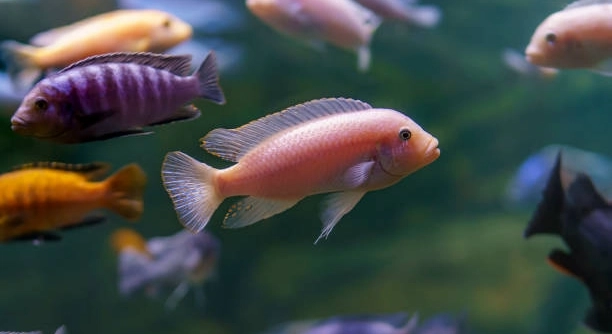
Convict cichlids are known for their hardiness and adaptability, making them popular among aquarium enthusiasts. They can bring life and color to a tank while maintaining a resilient nature that allows them to thrive in various conditions.
Convict cichlids can survive in a planted tank if proper care is provided. Ensuring suitable water parameters, adequate hiding spaces, and compatible plants is essential to maintain their health and reduce stress, promoting a balanced and sustainable aquarium environment.
Knowing how to arrange plants and manage tank conditions will help these fish flourish. Small adjustments in care can make a significant difference in their survival.
Understanding Convict Cichlid Behavior
Convict cichlids are naturally territorial, especially during breeding periods. They tend to claim areas of the tank and defend them against other fish. Observing their behavior closely can help you determine how to arrange plants and decorations. These fish enjoy hiding among dense foliage or rock structures, which gives them a sense of security. Providing enough cover reduces stress and prevents aggressive encounters. They are active swimmers and need space to move freely, but they also appreciate well-structured environments that mimic their natural habitat. Feeding routines influence their behavior too, as regular schedules can reduce aggression.
Plants not only provide hiding spaces but also contribute to water quality and tank balance.
Maintaining a planted tank for convict cichlids requires attention to both their environmental and social needs. Dense plants should be strategically placed to create zones, allowing each fish to feel secure. Avoid overcrowding the tank, as this can increase stress and aggression. Regular monitoring of water parameters ensures a healthy environment, while observing interactions among fish helps prevent conflict. Adjusting plant density and placement can make a significant difference in behavior. Additionally, pairing them with compatible tank mates is essential to reduce stress. By combining proper plant management, tank organization, and consistent care, convict cichlids can thrive, displaying natural behaviors while maintaining a balanced and healthy aquarium environment.
Choosing the Right Plants
Not all plants are suitable for convict cichlids, as some may be uprooted or damaged. Dense, sturdy plants work best for providing cover and stability.
Hardy species such as Java fern, Anubias, and Amazon sword tolerate digging and occasional nibbling. Fast-growing plants help absorb excess nutrients, reducing algae growth. Floating plants provide shaded areas and soften territorial boundaries. Placement is key, with taller plants at the back and shorter plants in front to create a layered layout. Using pots or anchoring plants helps prevent uprooting, maintaining a stable environment. Plants also contribute to oxygenation and filtration, supporting overall fish health. Choosing the right combination ensures a visually appealing and functional tank, making it easier to manage convict cichlid behavior and stress levels while maintaining water quality.
Water Parameters and Tank Conditions
Maintaining stable water conditions is essential for convict cichlids. They prefer slightly alkaline water, moderate hardness, and temperatures around 24–28°C. Sudden changes can stress them and damage plants, so regular monitoring is key.
Keeping water clean requires consistent filtration and partial water changes. pH levels should remain stable, ideally between 7.0 and 8.0, while hardness levels around 10–15 dGH help the fish thrive. Temperature fluctuations can weaken their immune systems, making them more prone to disease. A gentle flow ensures oxygenation without disturbing plants or stressing the fish. Testing water parameters weekly allows early detection of issues. Proper tank maintenance supports plant growth, keeps algae in check, and provides a safe, balanced environment for convict cichlids to display natural behavior.
Lighting plays a crucial role in plant health and fish activity. Providing around 8–10 hours of light daily promotes photosynthesis without encouraging excessive algae. Using timers ensures consistency, reducing stress for both plants and fish. Adjusting intensity based on plant needs helps maintain optimal growth. Regularly checking for decaying plant matter prevents water quality problems.
Feeding Convict Cichlids in a Planted Tank
Convict cichlids need a balanced diet of pellets, flakes, and occasional protein-rich treats. Overfeeding can harm water quality and plants, so portion control is important.
High-quality pellets and flakes provide essential nutrients, while occasional treats like bloodworms or brine shrimp add variety. Feeding small amounts multiple times a day is better than one large meal, as it reduces waste and maintains water clarity. Removing uneaten food promptly prevents decomposition that can raise ammonia levels and affect plant growth. Observing fish during feeding helps ensure all individuals get enough nutrition, especially in a planted tank where hiding spaces may prevent weaker fish from accessing food.
Monitoring feeding routines also supports plant health. Excess food can settle among plant roots, leading to decay and algae growth. By adjusting portions based on tank size, plant density, and fish activity, you can maintain water quality and keep both plants and cichlids healthy. Feeding behavior can also indicate stress or illness; sluggish eating may signal a problem requiring attention. Combining proper feeding with regular water maintenance ensures a thriving planted environment, balancing the needs of fish and plants while promoting natural behavior and long-term stability.
Tank Layout and Hiding Spots
Providing enough hiding spots reduces stress for convict cichlids. Rocks, caves, and dense plant clusters allow them to feel secure and maintain territories.
Arranging plants strategically creates natural boundaries. Tall plants at the back and shorter plants in front help fish navigate and claim spaces without conflict.
Breeding Considerations
Convict cichlids breed easily in a planted tank. Providing flat rocks or pots encourages egg-laying while keeping eggs protected from disturbance. They will guard their young aggressively, so ensuring adequate cover and separation from other fish is important to reduce stress and prevent harm.
Common Plant Challenges
Convict cichlids may uproot or nibble on some plants. Choosing hardy species helps maintain a stable, healthy planted environment.
FAQ
Can convict cichlids live peacefully with other fish in a planted tank?
Convict cichlids are territorial, especially during breeding. They can coexist with other robust, similarly sized fish if the tank is large enough and plants or decorations provide hiding spots. Avoid keeping them with small or timid species, as aggression may increase and stress can harm both fish and plants.
What types of plants survive with convict cichlids?
Hardy, well-anchored plants work best. Java fern, Anubias, and Amazon sword tolerate digging and occasional nibbling. Fast-growing plants help reduce excess nutrients, while floating plants provide shade and soft boundaries. Anchoring plants in pots or using heavy substrates prevents uprooting and maintains a stable tank layout.
How often should I feed convict cichlids?
Small portions two to three times a day are ideal. Overfeeding leads to excess waste, which can harm water quality and plants. Uneaten food should be removed promptly to prevent decay. Monitoring eating behavior ensures all fish receive enough nutrition, especially in planted tanks with hiding spaces.
Do convict cichlids need special water conditions?
They thrive in slightly alkaline water, moderate hardness, and temperatures between 24–28°C. Sudden changes can stress them and impact plant health. Regular testing and partial water changes help maintain stability. A gentle flow prevents stagnant areas without disturbing plants or stressing the fish.
Will convict cichlids eat my plants?
Some nibbling may occur, but hardy species are generally safe. Using anchored plants and choosing strong-leaved species minimizes damage. Observing their behavior can help identify which plants are more at risk and allow adjustments to the tank setup.
How can I reduce aggression during breeding?
Provide plenty of hiding spots and plant clusters. Flat rocks or pots give them areas to lay eggs and guard young safely. Separating fry or adding tank dividers if necessary can prevent aggressive interactions with other fish.
What is the best substrate for a planted convict cichlid tank?
Fine gravel or sand works well. It allows plant roots to anchor while accommodating digging behavior. Mixing in nutrient-rich substrate supports plant growth. Avoid substrates that are too coarse or unstable, as plants may uproot easily and stress the fish.
How much light should a planted tank receive?
Around 8–10 hours of light daily is optimal. Consistent lighting supports plant growth without encouraging excessive algae. Using a timer ensures stability. Adjusting intensity based on plant type helps maintain healthy growth while keeping convict cichlids comfortable.
Can convict cichlids live in small tanks?
They can survive in smaller tanks, but space is important to reduce stress and aggression. A larger tank allows for better territorial separation, adequate hiding spots, and proper plant placement, creating a balanced environment for fish and plants alike.
How do I maintain water quality in a planted tank with convicts?
Regular partial water changes, good filtration, and monitoring ammonia, nitrite, and nitrate levels are key. Removing decaying plant matter and uneaten food prevents spikes in harmful compounds. Proper maintenance ensures fish health, plant growth, and long-term tank stability.
Are convict cichlids compatible with shrimp or snails?
Most small invertebrates may be seen as food. Larger, hard-shelled snails might survive, but shrimp often become prey. If adding invertebrates, consider tank size, plant density, and protective hiding areas to increase survival chances.
Can convict cichlids thrive without live plants?
They can survive in a bare tank, but plants provide hiding spots, reduce stress, and improve water quality. Live plants also help manage algae and create a more natural environment, supporting healthy behavior and growth.
What signs indicate a stressed convict cichlid?
Frequent hiding, loss of appetite, excessive aggression, or faded colors can indicate stress. Monitoring behavior and adjusting tank layout, water conditions, or feeding routines can help reduce stress and maintain fish health.
How do I introduce new plants without stressing my fish?
Add plants gradually and anchor them securely. Move decorations slowly and avoid sudden changes. Observing fish behavior during changes helps prevent aggression and ensures the new setup is well-accepted.
Can convict cichlids eat algae?
They may nibble occasionally, but they are not reliable algae eaters. Supplementing with algae wafers or using algae-eating tank mates can help control growth without relying on cichlids to maintain the tank.
How often should I prune plants in a convict cichlid tank?
Regular pruning every few weeks keeps plants healthy and prevents overcrowding. Removing dead leaves or trimming fast-growing species allows light and nutrients to reach all plants, maintaining a balanced and functional environment.
Do convict cichlids need hiding spots even if they are alone?
Yes, hiding spots reduce stress and provide a sense of security. Even a single fish benefits from cover, especially during feeding or changes in lighting, water, or tank decorations. Dense plants or rocks help create safe zones.
Can I keep convicts in a community planted tank?
Only with robust, similarly sized species and sufficient space. Proper plant density and hiding areas are essential. Smaller or timid fish may become stressed or harmed, so careful selection and monitoring are crucial.
Is water temperature important for plant and convict health?
Yes, maintaining 24–28°C supports fish metabolism and plant growth. Sudden temperature swings can stress fish and damage sensitive plants. Using a reliable heater and thermometer ensures consistent conditions.
How do I prevent plants from being uprooted?
Anchor plants with pots, rocks, or substrate. Dense plant clusters create stable zones and reduce digging. Choosing hardy species also helps maintain a consistent tank layout without frequent disruptions.
What do I do if my fish become aggressive?
Increase hiding spots, rearrange plants, or separate fish if necessary. Monitoring interactions and maintaining a balanced environment reduces conflicts and ensures both fish and plants thrive.
Convict cichlids can thrive in a planted tank with proper care and attention. Their natural hardiness makes them suitable for aquariums, but they do require a stable environment to remain healthy. Maintaining consistent water parameters, such as pH, hardness, and temperature, is crucial. Regular testing and partial water changes help keep the water clean and prevent stress. A gentle filtration system ensures oxygenation while avoiding strong currents that may disturb plants or fish. Dense plants and decorations provide hiding spots that reduce territorial aggression and help the fish feel secure. By arranging plants thoughtfully and maintaining a balanced layout, it is possible to create a tank where both fish and plants flourish together.
Feeding convict cichlids in a planted tank requires attention to portion sizes and frequency. Small, consistent feedings prevent leftover food from decaying and harming water quality. A balanced diet of pellets, flakes, and occasional protein treats ensures proper nutrition and supports their growth. Observing their eating behavior is important, as it can indicate potential health or stress issues. Proper feeding not only supports the cichlids but also helps maintain plant health. Excess food can settle among roots and cause algae growth or plant decay. Choosing the right plants and anchoring them securely can prevent digging behavior from uprooting them. Hardy species like Java fern, Anubias, and Amazon sword are ideal choices, while floating plants create shade and soften territorial boundaries. Layering plants from back to front also helps create natural zones and gives the fish space to move freely without constant conflict.
Maintaining a planted tank with convict cichlids is a combination of proper tank setup, plant care, and monitoring fish behavior. Regular pruning and removal of decaying plant matter keep the tank healthy and prevent water quality issues. Hiding spots and structured layouts reduce stress and aggression, which is particularly important during breeding periods. While convict cichlids can show some nibbling or digging behavior, choosing strong-leaved plants and anchoring them well can minimize damage. Observing interactions between fish, adjusting feeding routines, and maintaining water parameters contribute to a balanced environment. With careful attention to these factors, a planted tank can become a stable and thriving habitat where convict cichlids display natural behaviors and plants grow well, creating an appealing and functional aquarium.

Hello,
If you enjoy the content that we create, please consider saying a "Thank You!" by leaving a tip.
Every little bit helps us continue crafting quality advice that supports the health, happiness, and well-being of pets around the world, for pets of all shapes, sizes, and species.
We really appreciate the kindness and support that you show us!